
Are you wondering why your backyard feeder isn’t attracting any birds? You’ve set it up, filled it with seeds, but the birds just don’t come.
It’s frustrating, right? You want to enjoy the cheerful chirps and colorful visits, but something is stopping them. The good news is, there are simple reasons behind this, and even easier fixes. Keep reading to discover what might be keeping birds away and how you can turn your backyard into a lively bird paradise.
Common Deterrents
Several common factors can stop birds from visiting your backyard feeder. These deterrents make birds feel unsafe or uncomfortable. Understanding them helps create a welcoming spot for birds to eat and rest. Below are some typical reasons birds might avoid your feeder.
Predators Nearby
Birds avoid areas where predators lurk. Cats, hawks, and snakes scare birds away. Even the sight of a nearby animal can cause birds to stay clear. Keep feeders away from places where predators hide. Open spaces with good visibility make birds feel safer.
Loud Noises
Sudden or constant loud sounds frighten birds. Noises from traffic, lawnmowers, or barking dogs can drive them off. Birds prefer quiet and calm surroundings to feed. Try to place feeders in peaceful spots. Avoid noisy areas near roads or heavy machinery.
Strong Smells
Strong odors can repel birds from feeders. Perfumes, chemicals, or even food smells may cause discomfort. Birds rely on their sense of smell to detect danger. Avoid using scented sprays or harsh cleaners near feeders. Natural scents from plants are better choices.

Credit: www.birdwatchingdaily.com
Feeder Placement Issues
Feeder placement plays a huge role in attracting birds to your backyard. Even if you have the best bird food, poor placement can keep feathered visitors away. Let’s look at some common placement mistakes that might be preventing birds from stopping by.
Too Close To Windows
Placing feeders too close to windows can scare birds away. Birds may see their reflections and think another bird is intruding, causing stress or avoidance.
Try moving your feeder at least 3 feet away from windows or closer than 18 inches to reduce reflection confusion. Adding decals or screens on the glass can also help.
Exposed Locations
Birds prefer feeders where they feel safe from predators like cats or hawks. Feeders placed out in the open make birds vulnerable and hesitant to visit.
Placing feeders near shrubs or trees gives birds a quick escape route. Think about where you’d feel safest if you were a bird—some cover nearby is key.
Lack Of Shelter
Birds need shelter close to feeders for resting and protection from weather. Without nearby bushes, trees, or other cover, feeders may seem too risky.
Adding natural or artificial shelter near your feeder can encourage birds to stay longer. Have you noticed how birds often dart into bushes after feeding? Providing that same comfort can increase visits.
Feeder Maintenance Mistakes
Feeder maintenance mistakes often keep birds away without you realizing it. Many bird lovers focus on filling feeders but overlook how cleanliness and feeder type impact bird visits. Paying attention to these details can change your backyard into a popular spot for feathered friends.
Dirty Feeders
Have you checked your feeder for dirt or leftover seeds lately? Dirty feeders can harbor bacteria and fungi that make birds sick. Birds quickly learn to avoid feeders that don’t look or smell fresh.
Cleaning your feeders regularly with warm soapy water and rinsing thoroughly can make a big difference. Even a quick rinse every few days helps keep birds interested and healthy.
Moldy Or Old Seed
Seed that sits too long in your feeder can become moldy or stale, which birds reject. Moldy seeds are not just unappealing; they can be harmful to birds’ health.
Check your seed often and replace it if it looks clumped or smells off. Storing seed in a cool, dry place helps prevent spoilage and keeps your feeder inviting.
Improper Feeder Types
Not all feeders suit every bird species. Using the wrong feeder type can discourage birds from visiting your yard.
For example, tube feeders work well for finches, but woodpeckers prefer suet feeders. Think about the birds you want to attract and choose feeders that meet their feeding habits.
Have you considered whether your feeder design matches the local bird species? Adjusting this could bring more visitors to your backyard.

Credit: www.reddit.com
Food Choices That Discourage Birds
Food choices play a big role in attracting birds to backyard feeders. Birds have specific tastes and nutritional needs. Offering the wrong food can make them avoid your feeder. Understanding what foods discourage birds helps create a welcoming space for them.
Inappropriate Seed Mixes
Many seed mixes contain fillers birds do not eat. Seeds like red millet or oats may go untouched. Birds prefer high-energy seeds such as sunflower, safflower, and nyjer. Using low-quality mixes wastes food and scares birds away.
Lack Of Variety
Offering only one type of seed limits the types of birds that visit. Different species favor different seeds and nuts. A mix of seeds, suet, and fruit attracts a wider range of birds. Variety keeps birds interested and coming back.
Use Of Artificial Feeders
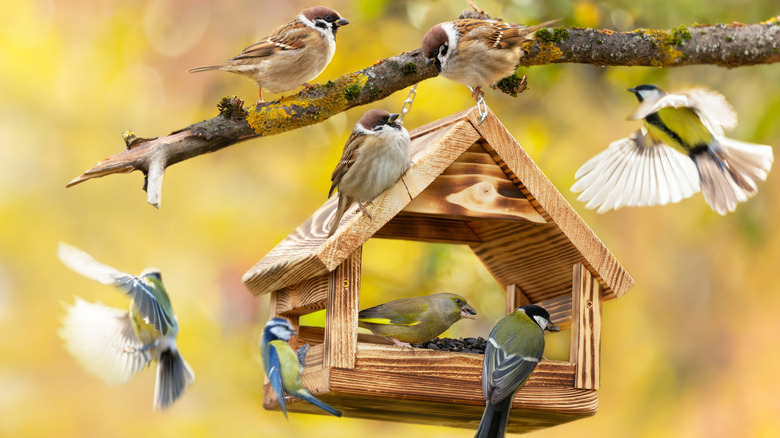
Plastic or poorly designed feeders can deter birds. They may find these feeders hard to perch on or access food. Natural materials like wood often feel safer to birds. A feeder that looks natural invites more visitors to your yard.
Seasonal And Environmental Factors
Seasonal and environmental factors play a big role in whether birds visit your backyard feeder. Changes in the weather, shifts in local habitats, and the natural movement of birds throughout the year can all affect their presence. Understanding these factors can help you adjust your feeder setup to attract more birds consistently.
Migration Patterns
Bird migration is a major reason you might see fewer visitors at certain times of the year. Many species travel long distances to find food and suitable climates, so your feeder might be empty simply because the birds have moved on.
Think about the birds you usually spot—do they stay year-round, or do they vanish during specific months? Adjust your feeding schedule to match these patterns, offering food when the birds are most likely to be around.
Weather Conditions
Weather can either invite birds to your feeder or keep them away. Harsh cold, heavy rain, or strong winds make birds less likely to leave the safety of their shelter.
On mild, calm days, you’ll often see more birds visiting. Try placing your feeder in a protected spot to shield it from wind and rain, making your backyard a more welcoming place regardless of the weather.
Local Habitat Changes
Changes in your neighborhood’s environment can impact bird activity. Construction, removal of trees, or even new plants can alter the natural food sources and shelter nearby.
Have you noticed fewer birds after a tree was cut down or a garden was cleared? Adding native plants or creating small brush piles can provide food and cover, encouraging birds to return to your yard.
Credit: www.housedigest.com
Tips To Attract Birds Back
Attracting birds back to your backyard feeder often requires more than just putting out seeds. It’s about creating a welcoming space that feels safe and nourishing. Small changes to your setup and habits can make a big difference in encouraging birds to visit regularly.
Safe And Quiet Setup
Birds are easily startled by loud noises and sudden movements. Placing your feeder in a quiet corner of your yard, away from heavy foot traffic or noisy appliances, helps birds feel secure. Consider adding some shrubs or trees nearby to provide natural cover where birds can retreat if they sense danger.
Have you noticed how birds avoid feeders that are too exposed? A sheltered spot not only protects them from predators but also from harsh weather. Quiet surroundings invite birds to linger longer and come back often.
Proper Feeding Techniques
Using the right type of food is key. Different birds prefer different seeds, so offering a variety like black oil sunflower seeds, nyjer, and millet can attract more species. Avoid spoiled or moldy seeds, as birds quickly learn to avoid feeders with poor quality food.
Keep your feeders clean to prevent disease. Washing them regularly and changing the food every few days ensures a healthy environment for your feathered visitors. Have you checked the seed type and freshness lately?
Creating A Bird-friendly Environment
Think beyond the feeder. Birds need water, shelter, and safe places to nest. Adding a birdbath with fresh water can be a big attraction, especially during dry spells. Native plants and flowers can provide natural food sources and shelter.
Make your yard a haven by minimizing pesticides and chemicals that harm birds or their food supply. By creating a balanced habitat, you encourage birds to stay longer and invite others to explore your garden.
Frequently Asked Questions
Why Are Birds Avoiding My Feeder?
Birds may avoid your feeder due to its location, predator presence, or unsuitable seed types. Ensure the feeder is in a safe, quiet area. Use bird-friendly seeds like sunflower or millet. Keep feeders clean to prevent mold and bacteria.
How Can I Attract More Birds?
To attract more birds, use a variety of feeders and seeds. Offer fresh water and provide shelter like bushes or trees. Regularly clean feeders and refill them to maintain interest. Seasonal changes may also affect bird presence.
What Types Of Seeds Do Birds Prefer?
Birds prefer sunflower seeds, millet, and nyjer. Black oil sunflower seeds are popular due to their high-fat content. Different species have different preferences, so offering a mix can attract a variety. Avoid low-quality mixed seeds with fillers.
Could My Pets Scare Birds Away?
Yes, pets like cats and dogs can scare birds away. Ensure pets are kept indoors or monitored when outdoors. Birds feel safer without the presence of potential predators. Creating a pet-free zone near feeders helps maintain bird visits.
Conclusion
Birds avoid feeders for many simple reasons. Food might not be fresh or right for them. Loud noises or pets can scare birds away. Cleanliness matters; dirty feeders turn birds off. Placement counts—too much sun or shade can keep birds away.
Watch and adjust your feeder to meet birds’ needs. Patience helps; birds need time to find your feeder. Keep trying small changes to invite birds back. Soon, your backyard will fill with happy bird visitors.