
Are you looking to attract beautiful, colorful birds to your garden? A Thistle Bird Feeder could be exactly what you need.
But what is a Thistle Bird Feeder, and why should it matter to you? If you want to invite lively finches and other small birds to your outdoor space, understanding this special feeder is key. Keep reading, and you’ll discover how a simple change in your bird feeding setup can bring more life and joy right outside your window.
Thistle Bird Feeder Basics
Thistle bird feeders attract small birds with a love for tiny seeds. These feeders cater to finches and other small species. They offer a simple way to enjoy birdwatching. Understanding the basics helps in choosing the right feeder.
Design And Features
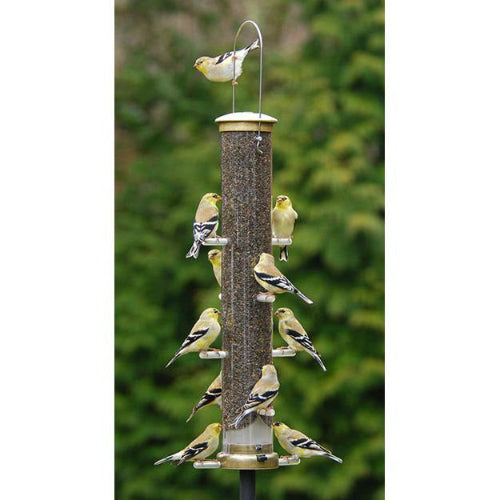
Thistle feeders usually have small feeding ports. These ports prevent larger birds from accessing the seed. The design often includes perches for small birds. Most feeders have a tube shape to hold seeds tightly. A mesh or screen holds the seeds in place. This allows birds to cling and feed easily.
Materials Used
Common materials include metal, plastic, and wood. Metal feeders resist weather and last longer. Plastic feeders are lightweight and affordable. Wood offers a natural look but needs more care. Many feeders combine materials for strength and style. Durable mesh is key for seed holding.
Types Of Thistle Feeders
- Tube Feeders – Slim and simple, ideal for thistle seeds.
- Mesh Feeders – Covered with wire mesh for easy clinging.
- Hopper Feeders – Larger, with a seed storage area.
- Tray Feeders – Flat base with mesh for small seeds.
Credit: backyardbird.ca
Why Choose Thistle Feeders
Choosing a thistle bird feeder brings unique advantages for both bird lovers and wild birds. These feeders offer a specialized way to provide food that many common feeders cannot. They help create a welcoming space for small, delicate birds that thrive on thistle seeds. The design and function of these feeders match the needs of finches and other specific species, making them a great choice for any garden or backyard.
Benefits For Wild Birds
Thistle feeders provide a safe, clean source of food. They reduce waste by holding tiny seeds securely. Small birds can feed comfortably without competition from larger birds. Thistle seeds are rich in nutrients, supporting bird health. These feeders also help birds stay energized, especially during colder months.
Attracting Specific Bird Species
Thistle feeders attract finches, goldfinches, siskins, and redpolls. These birds prefer tiny, soft seeds found in thistle. Using a thistle feeder can bring rare and beautiful birds to your yard. The feeder’s design suits their small beaks perfectly. This helps bird watchers enjoy a variety of species up close.
Seasonal Considerations
Thistle feeders work well throughout the year. In winter, they offer vital energy to small birds. Spring and summer bring more activity as birds feed to raise young. Regular cleaning prevents mold and keeps seeds fresh. Adjust feeder placement to avoid strong winds and rain. This ensures birds can feed safely in all seasons.
Selecting The Right Feeder
Choosing the right thistle bird feeder makes a big difference for your garden birds. It affects how many birds visit and how easy the feeder is to maintain. Several key factors help you pick the best feeder for your needs and local bird species.
Size And Capacity
Consider how many birds you want to feed at once. A larger feeder holds more seed and attracts more birds. Small feeders suit limited spaces or fewer birds. Match feeder size to your garden and budget. A bigger capacity means less frequent refilling.
Durability And Weather Resistance
Pick a feeder made from strong materials like metal or thick plastic. It should resist rain, wind, and sun damage. Weatherproof feeders last longer and protect seed from moisture. Avoid feeders that rust or crack easily. Good durability keeps your feeder safe and attractive year-round.
Ease Of Cleaning
Choose a feeder that opens easily for cleaning. Regular cleaning stops mold and bacteria growth. Simple designs with removable parts save time. Clean feeders keep birds healthy and seed fresh. Avoid feeders with hard-to-reach corners or tiny openings.
Best Thistle Seeds For Birds
Choosing the best thistle seeds for birds is essential for their health and happiness. Birds prefer seeds that offer high energy and easy access. Selecting quality seeds helps attract a variety of small birds to your feeder. It also supports their natural diet, especially in colder months.
Nutritional Value
Thistle seeds, also called nyjer or Niger seeds, are rich in oil. This oil provides essential fats that boost birds’ energy. The seeds are high in calories, perfect for small birds with fast metabolisms. They also contain protein and fiber to support digestion. These nutrients help birds stay strong and active.
Popular Seed Brands
- Harrell’s: Known for clean and high-quality thistle seeds.
- Kaytee: Offers reliable and bird-preferred seed blends.
- Wagner’s: Popular for fresh, natural nyjer seeds.
- Pennington: Provides affordable and well-packaged seed options.
These brands ensure seeds are free from dust and debris. Clean seeds attract more birds and reduce waste.
Storage Tips
- Keep seeds in a cool, dry place to avoid mold.
- Use airtight containers to maintain freshness.
- Avoid exposure to sunlight and moisture.
- Check seeds regularly for pests or spoilage.
Proper storage extends seed life and keeps birds healthy.
Placement Tips For Feeders
Placing your thistle bird feeder correctly can make a big difference in attracting the right birds and ensuring they visit often. It’s not just about hanging the feeder anywhere; thoughtful placement helps protect the birds, gives you better views, and keeps the feeder clean and full. Let’s look at some key tips to help you find the best spot for your feeder.
Ideal Locations
Choose a spot that gets some sunlight but also offers shade during the hottest part of the day. A location near natural cover, like shrubs or trees, gives birds quick access to shelter. Avoid areas too close to busy walkways or places with strong wind that could scatter seeds.
Think about your daily routine—placing the feeder where you can easily refill it encourages regular maintenance. I once placed my feeder behind a thick bush and barely saw any visitors. Moving it just a few feet closer to a window made a noticeable difference in bird traffic.
Safety From Predators
Protecting birds from predators is essential. Keep the feeder at least 10 feet away from places where cats or squirrels can launch an attack, like fences or low tree branches. Hanging it high enough and away from jumping points reduces the risk.
Consider adding a baffle above or below the feeder to stop squirrels from reaching the food. Have you noticed how some feeders get empty overnight? Predators could be the reason. A safe spot ensures the birds get their share without constant disturbances.
Visibility For Birdwatching
Place the feeder where you have a clear, unobstructed view from a window or seating area. This makes birdwatching more enjoyable and lets you spot different species easily. Avoid spots where reflections in glass might scare the birds away.
Using a small platform or perch nearby can help birds land comfortably and give you a better chance to see them up close. You might be surprised how a simple change in angle or height can reveal new bird visitors you never noticed before.
Maintenance And Care
Proper maintenance and care keep your thistle bird feeder safe and inviting. Regular attention helps birds stay healthy and encourages them to visit often. Clean feeders prevent disease spread and keep seeds fresh.
Cleaning Frequency
Clean your feeder every two weeks during mild weather. Increase cleaning to once a week in wet or humid conditions. Rinse with warm water and mild soap. Avoid strong chemicals that can harm birds.
Preventing Mold And Spoilage
Keep seeds dry and replace old or clumped seed immediately. Store thistle seed in a cool, dry place. Remove wet or moldy seed from the feeder quickly to avoid bird illness.
Repair And Replacement
Check your feeder for cracks or broken parts regularly. Repair small damages to prevent seed spills and keep birds safe. Replace feeders that cannot be fixed to maintain cleanliness and safety.
Common Challenges
Using a thistle bird feeder offers a great way to attract beautiful finches and other small birds to your garden. But like any outdoor equipment, it comes with its share of challenges. Understanding these common issues can help you enjoy your feeder more and keep your feathered friends safe and happy.
Dealing With Squirrels
Squirrels are notorious for raiding bird feeders, and thistle feeders are no exception. These clever creatures can quickly empty your feeder, leaving little for the birds.
To protect your feeder, consider installing squirrel baffles or placing the feeder on a pole away from jumping points. Have you noticed which times of day squirrels are most active around your feeder? Timing your refills might help reduce their impact.
Weather Impact
Weather can affect both the feeder and the seeds inside. Rain and humidity can cause thistle seeds to clump or spoil, making them less appealing to birds.
Choose a feeder design that offers some protection from the elements, like a roof or cover. Positioning your feeder in a sheltered spot can also make a big difference. How often do you check your feeder during bad weather?
Avoiding Seed Waste
Thistle seeds are tiny and can easily spill or blow away, wasting your investment and attracting unwanted pests. Spillage can also make a mess under your feeder.
Using a feeder designed specifically for thistle seeds helps minimize waste. Regularly cleaning the area around the feeder prevents leftover seeds from piling up. Have you tried placing a seed tray underneath to catch spills?

Credit: www.amazon.ca
Enhancing Birdwatching Experience
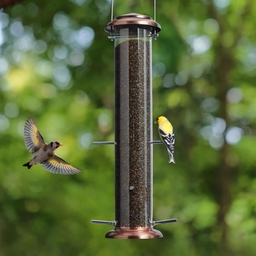
A thistle bird feeder brings birds closer to your garden. It helps attract small birds like goldfinches. Watching these birds can be a relaxing and joyful activity.
Using a thistle feeder enhances your birdwatching experience. It offers a chance to observe natural behavior up close. This feeder also encourages more bird visits throughout the day.
Photography Tips
Place your camera near the feeder for clear shots. Use a zoom lens to capture details from afar. Take photos in the early morning for better light. Be patient and wait quietly for birds to appear. Focus on the bird’s eye for sharp images.
Recording Bird Activity
Keep a notebook or app to track bird visits. Note the time and type of birds seen. Record changes in bird behavior during different seasons. This helps understand bird patterns and preferences. Share your observations with local bird groups.
Creating A Bird-friendly Garden
Plant native flowers and shrubs near the feeder. Provide fresh water in a birdbath for drinking and bathing. Avoid using pesticides that can harm birds. Add shelter spots like small trees or bushes. Keep the area clean to prevent disease.
Credit: www.kingsyard.com
Frequently Asked Questions
What Is A Thistle Bird Feeder Used For?
A thistle bird feeder is designed to attract finches and other small birds. It holds thistle or nyjer seeds, which are favored by these species. The feeder’s design helps prevent seed spillage and keeps larger birds away, ensuring smaller birds can feed easily.
How Does A Thistle Bird Feeder Work?
A thistle bird feeder features small feeding ports that dispense tiny seeds. These ports are sized perfectly for finches and discourage larger birds. The feeder’s design minimizes seed waste and ensures finches can enjoy uninterrupted feeding, making it an ideal choice for bird enthusiasts.
What Birds Are Attracted To Thistle Feeders?
Thistle feeders primarily attract finches such as American Goldfinches, Pine Siskins, and Common Redpolls. These birds are small and have beaks suited for extracting tiny seeds. By using a thistle feeder, bird watchers can enjoy observing these beautiful and lively species in their natural habitat.
How Do I Maintain A Thistle Bird Feeder?
To maintain a thistle bird feeder, clean it regularly with soap and water. Ensure it’s completely dry before refilling to prevent mold. Check for clogs in the feeding ports and replace any damaged parts. Regular maintenance keeps your feeder safe and attractive to birds.
Conclusion
A thistle bird feeder attracts small, beautiful birds like finches. It uses special mesh to hold tiny seeds safely. These feeders help birds find food in winter and spring. Watching birds visit brings joy and peace to your yard. Choose a feeder that is easy to clean and refill.
Place it where birds feel safe and can easily feed. Feeding birds supports local wildlife and adds life to your garden. Try a thistle feeder to enjoy nature up close every day.