
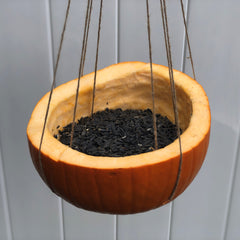
Are you looking for a simple and creative way to bring more birds to your garden? Turning a pumpkin into a bird feeder is an easy and fun project you can do yourself.
Not only does it recycle something natural, but it also attracts colorful birds that brighten up your outdoor space. In this guide, you’ll discover step-by-step how to transform a pumpkin into a cozy dining spot for your feathered friends. Ready to see your garden come alive with birds?
Keep reading to learn how!

Credit: www.stitchedbycrystal.com
Choosing The Right Pumpkin
Choosing the right pumpkin is the first crucial step in creating a bird feeder that works well and lasts through the season. Not every pumpkin is suitable, and your choice affects how easy it is to prepare and how inviting it will be for birds. Think about the pumpkin’s texture, durability, and size before starting your project.
Types Of Pumpkins To Use
Not all pumpkins are created equal when it comes to making bird feeders. Sugar pumpkins, also called pie pumpkins, have a firm flesh that holds up well after hollowing out. Their thick walls make them less likely to collapse or rot quickly.
On the other hand, carving pumpkins are larger but often have thinner, softer walls. They can be easier to hollow but might not last as long outside. If you want your feeder to last, pick a pumpkin with a sturdy shell.
Consider these pumpkin types:
- Sugar pumpkins:Small to medium size, firm texture, and durable.
- Jack-o’-lantern pumpkins:Larger but softer, less durable.
- Mini pumpkins:Great for small feeders or decorative accents but hold less bird food.
Size And Shape Considerations
Size matters when you turn a pumpkin into a bird feeder. A medium-sized pumpkin around 6 to 10 inches in diameter offers a good balance. It’s large enough to hold plenty of seeds yet manageable to clean and hang.
The shape also plays a role. Round or slightly flattened pumpkins are easier to hollow and provide a stable base for the feeder. Tall or irregularly shaped pumpkins may tip over or be harder to prepare.
Think about where you will hang the feeder. Will it fit comfortably on your chosen branch or hook? If your pumpkin is too heavy or awkwardly shaped, it might fall or discourage birds from visiting.
Preparing The Pumpkin
Preparing the pumpkin is the first important step to make a bird feeder. The pumpkin must be clean and hollow inside to hold birdseed. A clean pumpkin helps keep birds safe and makes the feeder last longer. Use simple tools and take your time to work carefully. This will make the process easier and safer for both you and the birds.
Cleaning And Cutting
Start by washing the outside of the pumpkin with water. Remove dirt and any stickers. Use a sharp knife to cut a hole on the top or side. The hole should be big enough to reach inside. Cut slowly to avoid breaking the pumpkin. Keep the cut piece safe to use as a lid.
Removing Seeds And Pulp
Scoop out all seeds and stringy pulp from inside. Use a spoon or your hands to get every bit out. This makes space for the birdseed and stops mold from growing. Save the seeds if you want to roast them later. Wipe the inside with a paper towel to dry it slightly.
Creating The Feeder
Creating the feeder is the most exciting part of turning a pumpkin into a bird feeder. This is where your pumpkin transforms from a simple gourd into a welcoming spot for your feathered friends. Careful carving and thoughtful additions can make your feeder both functional and attractive.
Carving Feeding Holes
Start by choosing the right size for the feeding holes. Birds need easy access, so make holes about 1 to 2 inches wide. Too small, and birds will struggle to reach the food; too large, and the seeds might spill out quickly.
Use a small, sharp knife or a pumpkin carving tool to create neat, round openings. Position the holes evenly around the pumpkin’s sides to allow multiple birds to feed at once. Make sure the edges of the holes are smooth to avoid hurting the birds.
Have you noticed how some birds prefer certain spots? Think about placing holes at different heights to attract a variety of species. This simple trick invites more visitors to your garden buffet.
Adding Perches
Perches give birds a place to land and rest while they eat. You can use small sticks, wooden dowels, or even sturdy twigs. Insert them just below each feeding hole, making sure they’re secure and stable.
Test the perch by gently pressing on it to see if it holds steady. Birds will avoid feeders that feel unsafe or wobbly. Adding perches also helps keep the feeding area cleaner by reducing seed spillage on the ground.
Consider the length of the perches too. They should be long enough to support birds comfortably but not so long that they block the feeding holes. What materials around your home can you repurpose for perches? I once used old chopsticks, and they worked perfectly!
Hanging The Feeder
Hanging the pumpkin bird feeder lets birds enjoy food safely and comfortably. Proper hanging keeps the feeder steady and easy to access. It also protects the pumpkin from damage and keeps it off the ground. Choose a good spot and secure the feeder well for best results.
Selecting The Best Location
Pick a place visible from a window for easy bird watching. It should be away from strong winds and direct sun to keep food fresh. Avoid spots near busy roads or places with many predators. Choose a tree branch or a sturdy pole that can hold the feeder’s weight. Make sure birds have a clear flight path to the feeder.
Using Strings Or Hooks
Use strong strings or wire to hang the pumpkin securely. Tie the strings around the pumpkin’s stem or rim to prevent slipping. You can also use metal hooks for extra support. Check that the hanging material is weather-resistant to last longer. Adjust the length so the feeder hangs at a good height for birds.
Choosing Bird Food
Choosing the right bird food is crucial when turning a pumpkin into a bird feeder. The food you add will attract different types of birds and keep them coming back. You want to offer a variety that suits the local birds while ensuring their safety and health.
Types Of Seeds And Treats
Sunflower seeds are a top choice because many birds love them. Black oil sunflower seeds, in particular, have thin shells that are easy for small birds to crack open.
Another favorite is nyjer seeds, perfect for finches and smaller birds. Adding millet can attract ground-feeding birds like sparrows and doves.
Don’t forget to include treats like dried mealworms or small pieces of unsalted nuts. These provide extra protein and variety, encouraging a wider range of birds to visit your pumpkin feeder.
Avoiding Harmful Foods
Not all bird foods are safe to add to your pumpkin feeder. Avoid bread, as it offers little nutrition and can cause health problems in birds.
Steer clear of salted or flavored nuts and seeds, which can be harmful. Also, never use foods with artificial additives or preservatives.
Did you know that some common garden fruits, like grapes or raisins, can ferment quickly in wet conditions and harm birds? Stick to fresh, natural seeds and treats to keep your feathered friends healthy and happy.
Maintaining The Feeder
Maintaining your pumpkin bird feeder is key to keeping birds happy and healthy. A well-kept feeder not only attracts more visitors but also prevents mold and pests. Let’s look at some simple ways to care for your feeder so it lasts through the season.
Cleaning Tips
Regular cleaning stops mold and bacteria from building up inside your pumpkin feeder. Use warm water and mild soap to rinse the pumpkin every few days. Avoid harsh chemicals that could harm the birds.
Remove any old seeds or debris before adding fresh food. A soft brush helps clean hard-to-reach spots without damaging the pumpkin’s surface. After washing, let the feeder dry completely in the sun to reduce moisture.
Extending Feeder Lifespan
To keep your pumpkin feeder fresh longer, consider these tricks:
- Sprinkle a little cinnamon inside the pumpkin; it acts as a natural preservative and keeps bugs away.
- Keep the feeder in a shaded area to slow down rotting caused by direct sunlight.
- Check the pumpkin daily for soft spots or leaks and replace it as soon as it starts to decay.
Have you noticed how quickly some pumpkins spoil while others last? The location you choose makes a big difference. Try hanging your feeder in a breezy spot to keep it dry and fresh longer.
Attracting Birds To Your Feeder
Creating a pumpkin bird feeder is only the first step. Attracting birds to your feeder makes your efforts truly rewarding. Birds need safe, comfortable spots to visit and feed. Setting up the right environment encourages them to come back often.
Best Plants And Surroundings
Choose plants that provide shelter and food near your pumpkin feeder. Shrubs and small trees offer hiding spots from predators. Native plants attract local birds naturally. Flowers with seeds or berries act as extra food sources.
- Evergreen shrubs for year-round cover
- Berry-producing bushes like holly or elderberry
- Seed-rich flowers such as sunflowers and coneflowers
- Grasses that offer nesting materials
Place your feeder near these plants. It creates a welcoming habitat for birds. Avoid placing feeders too close to windows to prevent collisions.
Timing And Seasonal Tips
Timing matters to attract the most birds to your feeder. Start setting up in late summer or early fall. Birds prepare for migration or winter and seek more food. Keep the feeder stocked through winter for cold-weather visitors.
Spring feeding helps birds regain energy after harsh months. Clean your feeder regularly to keep birds healthy. Watch for changing bird species with seasons to adjust food types.

Credit: www.thesimplethings.com

Credit: www.natureswaybirds.com
Frequently Asked Questions
How Do You Prepare A Pumpkin For A Bird Feeder?
To prepare a pumpkin, cut it in half and scoop out the seeds. Create drainage holes at the bottom. Attach sturdy strings to hang it securely. Fill it with birdseed to attract birds.
What Type Of Seeds Should I Use?
Use a mix of black oil sunflower seeds, millet, and cracked corn. These seeds are popular with various bird species. Ensure the seeds are fresh and free from mold for bird health.
How Long Does A Pumpkin Bird Feeder Last?
A pumpkin bird feeder typically lasts about one to two weeks. This depends on weather conditions and the pumpkin’s exposure. Keep an eye on it and replace it when it starts to rot.
Can All Birds Eat From A Pumpkin Feeder?
Most backyard birds can enjoy a pumpkin feeder. Birds like sparrows, finches, and chickadees are common visitors. Ensure the feeder is accessible and the seeds are suitable for your local bird species.
Conclusion
Creating a bird feeder from a pumpkin is simple and fun. It helps birds find food in fall and winter. You only need a few tools and some bird seeds. This project brings nature closer to your home. Watching birds enjoy the feeder feels great.
Give it a try this season. Enjoy the beauty and sounds of birds every day.