
Are you ready to invite more colorful birds into your yard? Hanging a bird feeder from a pole is a simple way to bring nature closer and enjoy beautiful birdwatching right from your window.
But if you’re not sure where to start, don’t worry—you’re about to learn easy, step-by-step tips that make the whole process smooth and hassle-free. Imagine watching your favorite birds land just feet away, all thanks to your perfect feeder setup.
Keep reading, and you’ll discover how to hang your bird feeder securely, attract more feathered friends, and turn your outdoor space into a lively bird haven.

Credit: www.amazon.ca
Choosing The Right Pole
Choosing the right pole is key to hanging a bird feeder safely and effectively. The pole must hold the feeder steady and last through weather changes. Picking the right material, height, and stability ensures your feathered friends enjoy their meals without disturbance.
Material Options
Poles come in several materials. Metal poles resist rust and last long. Wooden poles blend well with nature but may need treatment to avoid rot. Plastic poles are lightweight but might not support heavy feeders well. Consider your climate and feeder weight when choosing material.
Height Considerations
The pole height affects bird safety and viewing pleasure. Place the feeder high enough to keep squirrels and pets away. A height of 5 to 6 feet works well for most yards. Make sure you can reach the feeder easily for refilling and cleaning.
Stability And Durability
Stability keeps the feeder steady during wind and bird visits. Look for poles with wide bases or the option to anchor into the ground. Durability means the pole stands up to rain, sun, and snow. Choose a pole that does not bend or break under pressure.
Selecting The Bird Feeder
Choosing the right bird feeder is key to attracting your favorite feathered visitors and keeping them coming back. Your choice affects not only the types of birds you’ll see but also how easy it is to maintain and how well the feeder stands up to the elements. Think about your local bird species and what food they prefer before making a decision.
Types Of Feeders
There are several bird feeder styles, each designed for different bird species and feeding habits.
- Tube feeders:Great for small songbirds like finches and chickadees. They have multiple feeding ports and are easy to refill.
- Squirrel-proof feeders:Ideal if you want to keep pesky squirrels away from the bird food.
- Platform feeders:Offer an open space for a variety of birds, including larger species like cardinals and doves.
- Hopper feeders:Hold a larger amount of seed and attract medium to large birds.
Ask yourself which birds you want to attract and what feeder type matches their feeding style.
Size And Capacity
Consider how often you want to refill your feeder. A larger capacity means fewer refills but can lead to stale seed if not eaten quickly.
If you live in an area with many birds, a bigger feeder can prevent food shortages. However, smaller feeders might be better if you’re just starting out or have limited space.
Think about your daily routine and how much time you can dedicate to upkeep before choosing a size.
Weather Resistance
Your bird feeder will face rain, snow, and sun, so durability is crucial. Look for feeders made from rust-resistant metals, UV-protected plastics, or treated wood.
Weather-resistant feeders protect the seed from moisture, which helps prevent mold and keeps the birds healthy.
Have you noticed how quickly some feeders deteriorate outdoors? Investing in a well-built feeder saves you time and frustration in the long run.
Preparing The Pole
Before hanging your bird feeder, getting the pole ready is crucial. A well-prepared pole ensures your feeder stays secure and attracts more birds. Taking time to clean, add the right hooks, and secure the base can make all the difference in your bird-watching experience.
Cleaning And Inspecting
Start by wiping down the pole with a damp cloth to remove dirt, dust, and any old residue. Check for rust spots or cracks that could weaken the pole. If you spot any damage, consider replacing the pole or treating rust with a metal primer to prevent further corrosion.
Have you noticed how a clean pole not only looks better but also lasts longer? This simple step can save you from unexpected falls and lost feeders.
Adding Hooks Or Brackets
Next, decide where you want to hang your bird feeder. Adding sturdy hooks or brackets at the right height makes hanging easier and keeps the feeder stable. Use weather-resistant hooks to withstand outdoor conditions.
Try positioning hooks so they allow easy access for refilling and cleaning your feeder. A well-placed hook can prevent your feeder from swinging too much in the wind, which birds don’t like.
Securing The Base
Ensure the pole stands firm by securing its base properly. If you’re using a ground pole, push it deep into the soil or use a concrete-filled base for extra stability. For poles on decks or patios, use heavy-duty brackets or weighted stands to prevent tipping.
Think about how stable the pole feels before you hang your feeder. A shaky pole means fewer bird visits and more frustration for you.
Credit: www.outdoorguide.com
Hanging The Feeder
Hanging the feeder properly is essential to attract birds and keep your feeder secure. A well-hung feeder stays stable, looks inviting, and is safe for the birds. Let’s focus on how to attach, balance, and prevent unwanted movement of your bird feeder on the pole.
Attaching The Feeder Safely
Start by choosing a sturdy hook or bracket designed to hold the feeder’s weight. Make sure the attachment point on the pole is secure and won’t loosen over time. Using weather-resistant materials like stainless steel or coated metal helps prevent rust and ensures longevity.
Check the feeder’s hanging mechanism before lifting it onto the pole. If it uses a chain or rope, inspect for any frays or weak spots. You don’t want your feeder to fall unexpectedly, especially if you’ve seen birds enjoying it regularly.
Balancing The Feeder
Balance the feeder so it hangs level, which makes it easier for birds to feed comfortably. Uneven feeders can tip, spilling seeds and discouraging visitors. Adjust the hanging points or chains until the feeder remains horizontal.
Try gently tapping the feeder after hanging it. Does it sway more on one side? If yes, tweak the attachment until the weight is evenly distributed. A balanced feeder also reduces wear on the pole and hook.
Preventing Sway And Movement
Wind and bird activity can cause your feeder to sway, scaring birds away or causing spills. To reduce movement, add stabilizing elements like a baffle or attach guide wires between the pole and feeder.
You can also use heavier feeders or add small weights near the base to minimize swinging. Have you noticed how some feeders shake less than others? Often, it’s these small adjustments that make the biggest difference.
Placement Tips
Choosing the right spot to hang your bird feeder is key to attracting birds and keeping them safe. Placement affects how often birds visit and how comfortable they feel. Think about your yard’s layout and what makes sense for both the birds and your viewing pleasure.
Ideal Location
Pick a spot that’s visible from your favorite window or patio. This way, you get to enjoy watching the birds up close. Place the feeder near natural cover like shrubs or trees so birds can quickly escape if they sense danger.
Make sure the feeder is easy for you to refill and clean. Avoid placing it too close to busy walkways where people or pets might disturb the birds. A location about 5 to 6 feet off the ground works well for most feeders.
Avoiding Predators
Think about where cats or squirrels might hide and launch an attack. Keep the feeder at least 10 feet away from places predators can jump from, like fences or branches. This reduces the risk of surprise attacks on your feathered visitors.
Consider using poles with baffles or guards to keep squirrels from climbing up. This also protects birds from ground predators. Have you noticed how some feeders get empty in minutes? Predators could be the reason.
Sunlight And Shade
Birds love a balance of sunlight and shade. Place your feeder where it gets morning sun and afternoon shade to keep seeds fresh longer. Too much direct sun heats the seeds and can cause them to spoil quickly.
Shade also helps birds stay cool during hot days. You might observe more activity if your feeder offers a comfortable spot for birds to rest and feed. How does your feeder’s location feel during a sunny afternoon?
Credit: dengarden.com
Maintenance And Care
Keeping your bird feeder in good shape is key to attracting happy, healthy birds to your yard. Proper maintenance and care prevent disease, ensure a steady food supply, and extend the life of your feeder. Let’s dive into some practical tips that make caring for your feeder simple and effective.
Regular Cleaning
Clean your bird feeder at least once every two weeks. Use warm water and mild soap to scrub away old seeds, mold, and droppings. Avoid harsh chemicals that could harm birds.
Rinse thoroughly and let it dry before refilling. This helps stop the spread of bacteria and keeps your feathered visitors safe. Have you noticed how much cleaner feeders attract more birds? That’s no coincidence.
Refilling Feeders
Check your feeder daily, especially during busy seasons. Birds can empty feeders quickly, leaving them hungry if you delay refilling. Keep a small scoop or container nearby to make topping up easy.
Use fresh, dry seeds to prevent clumping and mold growth. Avoid overfilling to reduce waste and keep seeds fresh longer. Do you find certain seeds disappear faster than others? That’s a good clue about your local birds’ favorites.
Inspecting For Damage
Look over your feeder regularly for cracks, rust, or loose parts. Damage can make the feeder unsafe or less effective. Tighten screws and replace any broken components promptly.
Pay attention to the pole and hanger as well; strong winds or curious animals can cause wear. A quick inspection can save you from losing your feeder or scaring away visitors. When was the last time you gave your feeder a good once-over?
Frequently Asked Questions
How To Choose The Right Pole For Bird Feeders?
Select a sturdy, rust-resistant pole for durability. Ensure it’s tall enough to deter predators. Consider poles with built-in hooks or hangers for convenience. Opt for a pole with a secure base to withstand wind and weather conditions. Powder-coated poles are ideal for outdoor use.
What Height Should A Bird Feeder Pole Be?
A bird feeder pole should be 5 to 6 feet tall. This height deters squirrels and other predators. It also provides easy access for cleaning and refilling. Ensure the pole is firmly planted for stability. Adjust the height based on your garden’s specific needs.
How Do I Stabilize A Bird Feeder Pole?
To stabilize a bird feeder pole, use a sturdy base or anchor. Secure it deeply into the ground to prevent tipping. Consider using concrete or a stabilizing stake for added support. Ensure the pole is vertically aligned for optimal stability.
Regularly check and adjust as needed.
Can I Hang Multiple Feeders On One Pole?
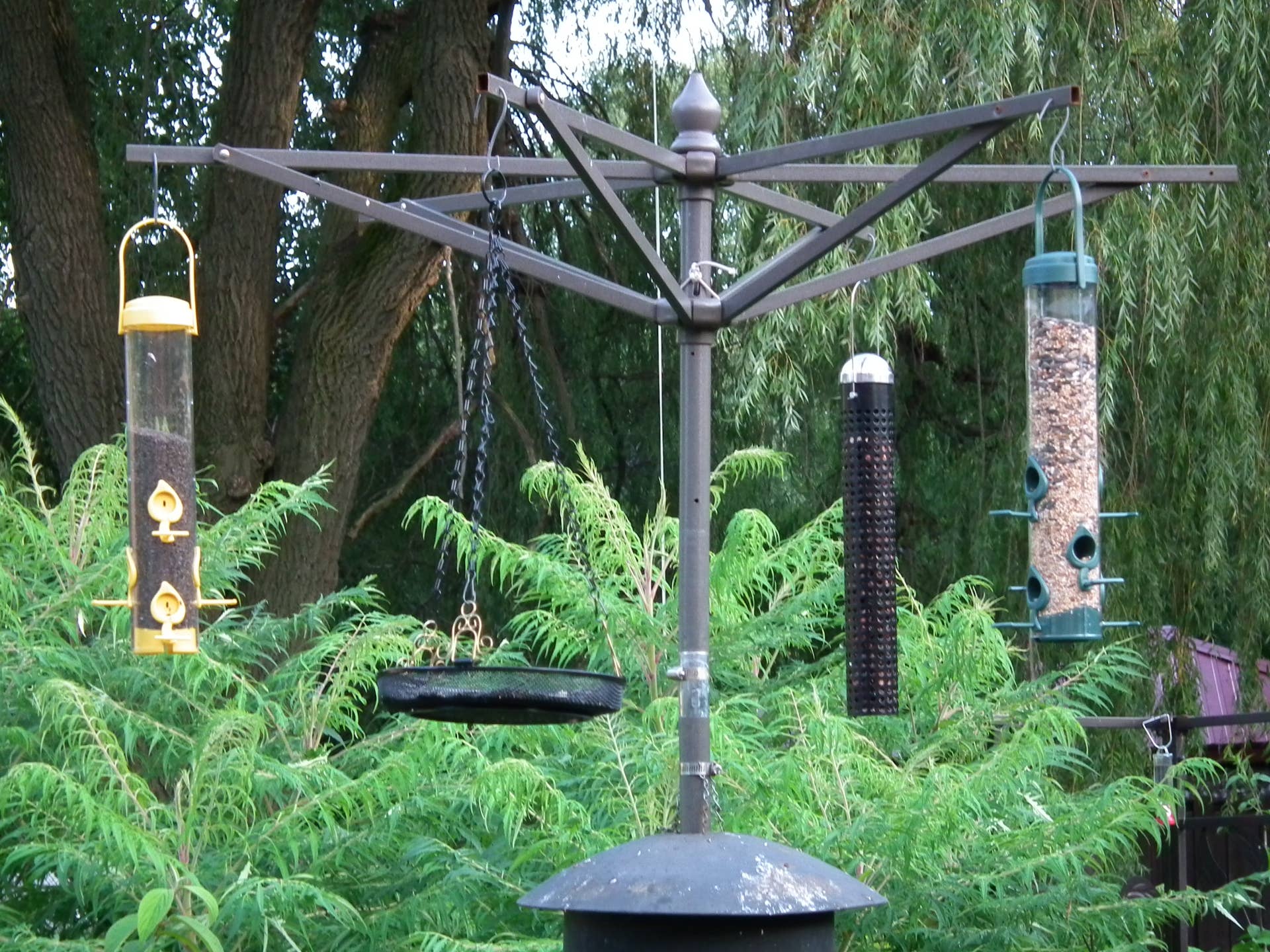
Yes, you can hang multiple feeders on one pole. Ensure the pole is strong enough to support the weight. Use arms or hooks to space feeders evenly. This setup attracts a variety of bird species. Regularly clean and maintain feeders to keep birds healthy.
Conclusion
Hanging a bird feeder from a pole is simple and fun. Choose a good spot with sunlight and safety for birds. Use a sturdy pole and secure hooks to hold the feeder well. Fill the feeder with fresh seeds to attract birds.
Watch birds enjoy your feeder every day. This small task brings nature closer to your home. Enjoy peaceful moments watching colorful birds visit your garden. Keep the feeder clean and refill it often. A bird feeder adds life and joy outdoors.
Try it today and see the difference.