
Finding a tiny, helpless baby bird in your yard can make your heart race. You want to help, but you might wonder, “How do I feed a nestling baby bird safely?” Feeding a baby bird isn’t as simple as giving it food—you need to know what to offer, how often, and how to do it without causing harm.
If you want to give that little bird the best chance to grow strong and healthy, this guide will walk you through every step. Keep reading, and you’ll learn exactly what your new feathered friend needs to thrive.
Credit: www.visitwilmingtonde.com
Identifying Nestling Baby Birds
Identifying nestling baby birds is the first step to feeding them properly. Nestlings are very young birds that still depend entirely on their parents. They look fragile and need gentle care. Knowing how to spot a nestling helps you understand what food and feeding methods to use. This knowledge increases the chances of helping these birds survive and grow strong.
Distinguishing Nestlings From Fledglings
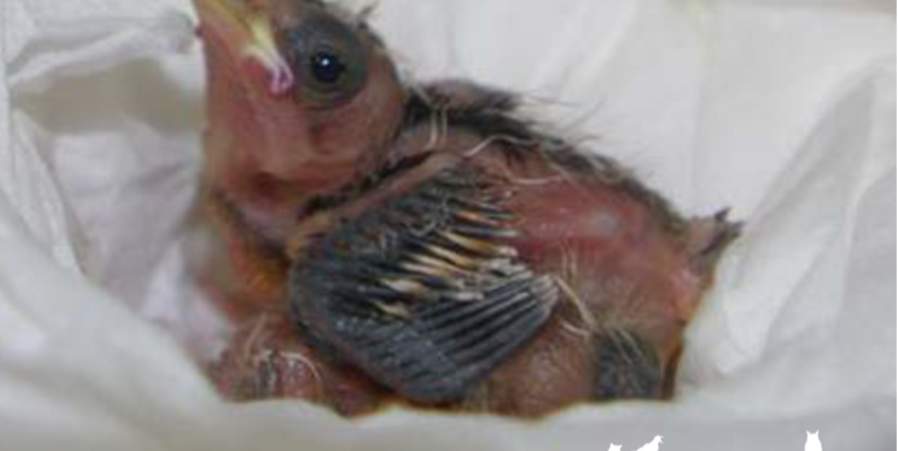
Nestlings have little or no feathers. Their skin looks pink and thin. Their eyes may be closed or just starting to open. They cannot stand or fly yet. They stay in the nest and rely on adults to feed them.
Fledglings have more feathers and open eyes. They can hop around and sometimes try short flights. They still need some feeding help but can eat some food themselves. Knowing the difference prevents feeding mistakes that could harm the bird.
Common Nestling Species
Several bird species are common in nests near homes and parks. These species often need help from humans when orphaned or abandoned.
- Robins:Nestlings have pink skin with sparse gray down feathers.
- Sparrows:Small with dark skin and soft, light feathers.
- Blue Jays:Larger nestlings with dark skin and patchy feather growth.
- Wrens:Tiny, almost bare with pinkish skin and tiny feather tufts.
Recognizing these species helps tailor feeding to their specific needs.

Credit: www.green-feathers.co.uk
Preparing The Feeding Environment
Preparing the feeding environment for a nestling baby bird is crucial for its survival and growth. A well-arranged space keeps the bird safe and comfortable, making feeding easier and more effective. Paying attention to details like safety and temperature can make all the difference in nurturing a fragile life.
Creating A Safe Nesting Space
Your first priority is to protect the baby bird from harm. Choose a quiet spot away from pets, children, and loud noises. Nestlings are easily stressed, and too much disturbance can affect their health.
Use a small box or container lined with soft materials such as clean tissue paper or cotton. Avoid materials that can unravel or stick to the bird’s feathers. The nest should be snug but not cramped, allowing the baby bird to move comfortably.
Think about ventilation. Good airflow prevents mold and keeps the environment fresh. However, avoid placing the nest in drafty areas where sudden cold air could chill the bird.
Maintaining Proper Temperature
Baby birds cannot regulate their body temperature well. Keeping the nest warm is essential to prevent hypothermia. A temperature between 85°F and 90°F (29°C to 32°C) is ideal during the first week.
You can use a heating pad set on low placed under half of the box or a warm water bottle wrapped in a cloth. This creates a warm side and a cooler side so the bird can move if it feels too hot. Monitor the temperature closely using a thermometer.
Have you noticed how a small change in temperature can affect the baby bird’s activity? Watch for signs like lethargy or excessive chirping—they could indicate discomfort. Adjust the heat source accordingly to keep your nestling happy and healthy.
Choosing The Right Food
Choosing the right food for a nestling baby bird is crucial for its growth and survival. Baby birds need a diet that matches their species’ natural feeding habits. Feeding them the wrong food can lead to malnutrition or even be fatal.
Suitable Diet For Different Species
Different bird species require different foods. For insect-eating birds like robins or bluebirds, soft insects such as mealworms or small crickets are ideal. Seed-eating birds, like finches or sparrows, benefit from finely ground seeds mixed with a bit of softened bread or baby bird formula.
Waterfowl chicks, such as ducks and geese, need a diet richer in greens and protein. You can offer chopped lettuce, peas, or boiled egg yolks. Understanding your bird’s natural diet helps you replicate what they would receive in the wild.
Avoiding Harmful Foods
Some foods that seem harmless can actually harm baby birds. Avoid giving bread alone, as it offers little nutrition and can cause digestive issues. Never feed nestlings milk or sugary foods; they can’t digest them properly.
Avoid processed foods, salty snacks, and anything with seasoning. These can upset their delicate systems or cause dehydration. Always think twice before offering something unfamiliar—would you eat it if you had a fragile digestive system?

Credit: www.youtube.com
Feeding Techniques
Feeding nestling baby birds requires care and the right techniques. Proper feeding helps them grow strong and healthy. It is important to use the correct tools and feed at the right times. Understanding these feeding techniques ensures the baby birds get enough nutrition.
Proper Feeding Tools
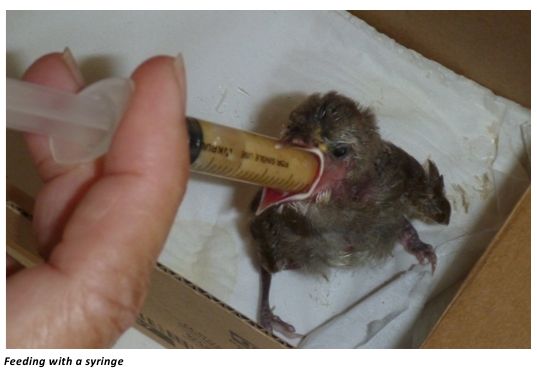
Using the right tools makes feeding easier and safer. Small tweezers or soft-tipped forceps work well to hold food. A small syringe or dropper helps give liquid food or medicine gently. Avoid using sharp or large tools that can hurt the baby bird’s delicate mouth.
Soft paintbrushes can also guide small insects or food pieces into the bird’s mouth. Always clean and sterilize tools before feeding. This prevents infections and keeps the baby bird healthy.
Feeding Frequency And Quantity
Baby birds need frequent feeding because they grow fast. Feed them every 15 to 30 minutes during daylight hours. As they grow, increase the time between feedings to 45 minutes or one hour.
Give small amounts of food at each feeding. Watch the baby bird’s crop (the pouch in their throat) to avoid overfeeding. The crop should feel soft but full. If the crop looks swollen or hard, stop feeding and let it digest.
Adjust feeding amounts based on the baby bird’s size and age. Young birds need more feedings with smaller portions. Older nestlings eat less often but more food each time.
Handling And Care Tips
Handling and caring for a nestling baby bird requires patience and gentleness. Proper care helps the bird grow strong and healthy. It is important to create a calm environment and watch for signs of health and growth. These tips guide you in giving the best care.
Minimizing Stress
Keep the nestling in a quiet place away from loud sounds and bright lights. Handle the bird with clean hands to avoid germs. Use soft, slow movements to prevent frightening the baby bird. Limit handling time to reduce stress and allow rest. Avoid sudden noises or quick actions near the nestling.
Monitoring Health And Growth
Check the bird daily for changes in weight and activity. Look for clear eyes and smooth feathers as signs of good health. Note any unusual behaviors like lethargy or lack of appetite. Keep a simple chart to record feeding times and weight gain. Consult a wildlife expert if you see signs of illness.
When To Seek Professional Help
Knowing when to seek professional help for a nestling baby bird is crucial. While feeding and care can often be managed at home, certain signs mean the bird needs expert attention. Acting quickly can make the difference between life and death for these tiny creatures.
Signs Of Illness
Watch closely for any unusual behavior or physical changes in the baby bird. If you notice:
- Weakness or lack of movement
- Difficulty breathing or gasping
- Visible wounds or bleeding
- Fluffed up feathers that don’t settle
- Persistent crying or silence
- Refusal to eat despite your efforts
These symptoms often mean the bird is struggling and needs more than just feeding. It’s better to be cautious and reach out than to wait and risk worsening the condition.
Local Wildlife Rehabilitation Resources
Finding the right help is easier if you know where to look. Many areas have wildlife rehabilitation centers staffed with experts trained in caring for baby birds.
- Search online for nearby wildlife rehab centers or animal rescue organizations.
- Contact local veterinarians who may offer advice or referrals.
- Use apps or websites dedicated to wildlife emergencies.
Have their contact info saved before you need it—you never know when a rescue might be urgent. When you call, describe the bird’s condition clearly; this helps professionals prepare and provide precise guidance.
Frequently Asked Questions
What Should I Feed A Nestling Baby Bird?
It’s best to feed them a specialized baby bird formula. You can also offer moistened dog or cat food. Avoid giving milk or bread as these can harm them. Consult a local wildlife expert for specific advice on feeding.
How Often Do Nestling Birds Need Feeding?
Nestling birds need feeding every 15-20 minutes from dawn to dusk. Their rapid metabolism requires frequent feeding for proper growth. Consistent feeding helps ensure they get the nutrients they need to develop.
Can You Touch A Nestling Baby Bird?
Yes, you can touch a nestling, but handle it gently. Human scent does not cause abandonment. If you must touch it, ensure your hands are clean. Limit handling to avoid stress and always return it to its nest promptly.
How Do You Keep A Baby Bird Warm?
Keep the nestling warm using a heating pad on low or a warm towel. A small box lined with soft tissues can also help. Maintaining warmth is crucial for their survival, especially if they are separated from the nest.
Conclusion
Feeding a nestling baby bird takes patience and care. Use soft, small food that is easy to swallow. Feed them gently and often to keep them healthy. Watch the bird’s behavior to know if it is full or hungry. Cleanliness matters—keep the feeding area tidy to avoid sickness.
Learning these simple steps helps the baby bird grow strong. Trust your instincts and act with kindness. Caring for a baby bird can be a rewarding experience. Keep trying, and the little bird will thrive.