
If you enjoy watching birds visit your feeder, keeping it clean is key to their health and happiness. But how often should you clean your bird feeder to make sure it stays safe and inviting?
You might be surprised how a simple routine can protect your feathered friends from harmful germs and keep your backyard buzzing with activity. Read on to discover the best cleaning schedule and easy tips that will help you enjoy more colorful visitors all year round.
Your birds will thank you!
Why Clean Bird Feeders Matter
Keeping bird feeders clean is important for many reasons. Dirty feeders can harm birds and cause problems in your garden. Cleaning helps keep birds safe and happy. It also stops unwanted pests from invading your space. Regular cleaning supports a healthy feeding spot for wild birds.
Preventing Disease Spread
Birds can catch diseases from dirty feeders. Germs and bacteria grow on old seeds and droppings. These can make birds sick quickly. Cleaning feeders removes harmful germs and lowers infection risks. Healthy birds visit more often and stay longer.
Maintaining Bird Health
Clean feeders provide fresh food and water. Birds need clean places to eat safely. Dirty feeders can cause digestive problems and infections. Regular cleaning keeps food fresh and safe to eat. Healthy birds have bright feathers and strong wings.
Avoiding Pest Infestations
Dirty feeders attract unwanted pests like ants, rats, and squirrels. These pests eat bird food and spread germs. Pests can also scare away wild birds. Cleaning removes food leftovers that attract pests. A clean feeder keeps the area neat and pest-free.

Credit: www.youtube.com
Recommended Cleaning Frequency
Cleaning bird feeders regularly keeps birds healthy and happy. Dirt, mold, and old seeds can cause illness. A good cleaning schedule stops these problems. The right frequency depends on several factors. Follow these guidelines to keep your feeder safe and inviting.
Weekly Cleaning Guidelines
Clean your bird feeder once every week. Remove old seeds and debris carefully. Use warm water and mild soap for washing. Rinse well to remove all soap traces. Let the feeder dry completely before refilling. This routine keeps germs and mold away.
Adjusting For Weather Conditions
Hot, wet weather speeds up seed spoilage. Clean your feeder more often during rainy or hot days. Moisture causes mold and bacteria growth fast. In dry, cool weather, weekly cleaning is usually enough. Always check for signs of dirt or mold.
Cleaning During Peak Feeding Seasons
Birds eat more in spring and fall. Feeders get dirty faster during these times. Increase cleaning frequency to twice a week. Prevent disease spread when many birds visit. Regular cleaning supports a safe feeding environment.
Step-by-step Cleaning Process
Cleaning a bird feeder regularly keeps birds safe and healthy. Dirt and old seeds cause mold and bacteria. This step-by-step process makes cleaning simple and effective. Follow each part carefully to keep your feeder fresh.
Disassembling The Feeder
Start by taking the feeder apart completely. Remove all detachable parts like trays, lids, and seed containers. This helps reach every corner and clean thoroughly. Handle pieces gently to avoid damage.
Using Safe Cleaning Solutions
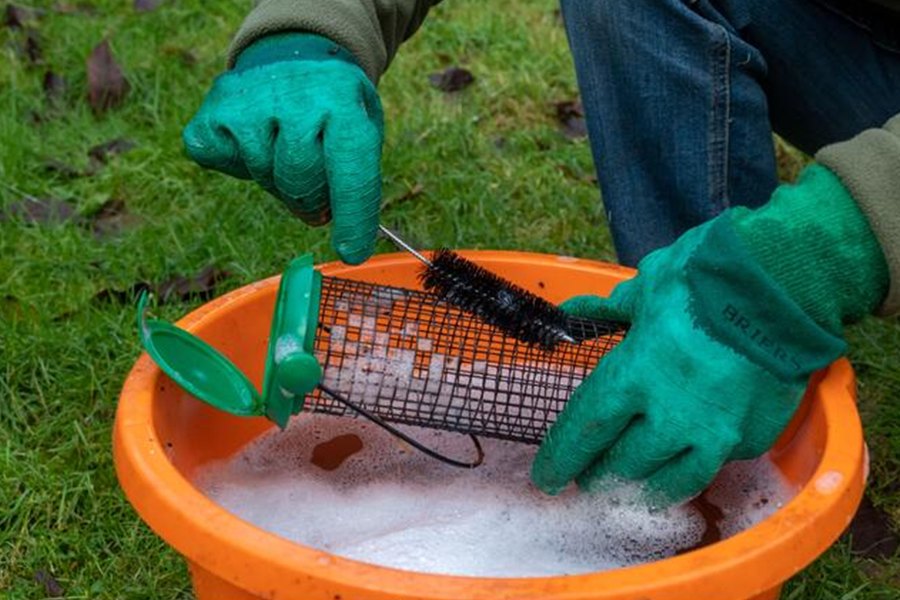
Use a mild soap mixed with warm water to wash the feeder parts. Avoid harsh chemicals that harm birds. Scrub all surfaces with a soft brush to remove dirt and mold. Rinse well to clear soap residue. For tough spots, soak parts in the solution for 10 minutes.
Drying And Reassembling
Let all parts dry fully before putting them back. Moisture invites mold and bacteria growth. Air-dry on a clean towel or hang in a sunny spot. Once dry, carefully reassemble the feeder. Check all connections are tight to prevent spills.

Credit: www.reddit.com
Signs Your Feeder Needs Cleaning
Knowing when to clean your bird feeder is key to keeping your feathered visitors healthy and happy. Ignoring the signs can lead to spoiled food and even spread diseases among birds. Pay close attention to what your feeder looks like and how the birds behave—these clues will tell you when it’s time to clean.
Visible Dirt And Mold
If you notice dirt, mold, or any sticky residue on your feeder, it’s a clear sign that cleaning is overdue. Mold can appear as fuzzy patches or dark spots and is harmful to birds. Even a thin layer of grime can attract bacteria, so don’t wait for the mess to build up before taking action.
Unusual Bird Behavior
Have the birds suddenly stopped visiting or seem hesitant around the feeder? This could mean the food is spoiled or the feeder is dirty. Birds are sensitive to smells and tastes, so if something feels off, they’ll avoid it. Watching their behavior can give you early warnings before problems get worse.
Seed Clumping Or Spoilage
When seeds start sticking together or look damp, it often means moisture has gotten inside the feeder. Clumped seeds spoil faster and can encourage mold growth. If you see leftover seeds looking stale or rotten, it’s time to empty and scrub the feeder thoroughly to protect your birds.
Choosing The Right Feeder Material
Choosing the right feeder material affects how often you need to clean it. Some materials hold dirt and germs more than others. This can harm birds if not cleaned well. Picking the right feeder material helps keep birds safe and the feeder lasting long.
Plastic Vs. Metal Feeders
Plastic feeders are lighter and often cheaper. They come in many colors and shapes. Plastic can crack or get cloudy over time. This makes cleaning harder and can hide mold or dirt.
Metal feeders are sturdy and last longer. They resist cracks and stains. Metal does not hold dirt as much as plastic. Birds can see the food better in metal feeders.
Ease Of Cleaning Features
Look for feeders with wide openings. These let you reach inside easily. Removable parts make cleaning faster. Smooth surfaces prevent food from sticking.
- Wide openings
- Removable trays or lids
- Smooth, non-porous surfaces
Feeders without many small parts reduce cleaning time. Avoid tight corners where mold can grow.
Durability And Safety
Strong materials last through weather changes. Metal resists rust if coated well. Plastic can break in cold or hot weather.
Safe feeders avoid sharp edges. Birds can get hurt on rough or broken parts. Check feeders often for damage. Replace feeders that show wear and tear.

Credit: www.reddit.com
Tips For Maintaining Feeders Between Cleanings
Maintaining bird feeders between cleanings keeps birds healthy and happy. Simple steps help reduce mold and bacteria growth. These tips also extend the life of your feeder. Small efforts make a big difference for feeding birds safely.
Regular Seed Replacement
Replace old seed every few days. Wet or clumped seed can cause mold. Birds avoid spoiled seed and may get sick. Store extra seed in a dry place. Check feeders daily during wet weather.
Protecting Feeders From Rain
Rain causes seed to get wet and spoil quickly. Place feeders under shelter or use weather guards. Move feeders away from areas with heavy rain exposure. Wet seed leads to bacteria growth and sick birds. Dry seed stays fresh longer and attracts more birds.
Using Feeder Guards
Feeder guards block squirrels and large birds from stealing seed. They reduce seed waste and damage to feeders. Guards also prevent birds from perching too close. This lowers contamination risk. Choose guards that fit your feeder type for best results.
Frequently Asked Questions
How Often Should I Clean My Bird Feeder?
Clean your bird feeder every two weeks to prevent mold and bacteria. During wet seasons, increase the frequency to weekly. Regular cleaning ensures a healthy feeding environment for birds, reducing the risk of disease. Always use a mild soap and warm water for cleaning.
What Happens If Bird Feeders Are Not Cleaned?
If not cleaned, feeders can harbor mold, bacteria, and old food. This poses health risks to birds, leading to potential disease outbreaks. Dirty feeders can also attract pests like rodents. Regular maintenance ensures a safe and hygienic feeding space for birds.
Can Dirty Bird Feeders Harm Birds?
Yes, dirty feeders can spread diseases among birds. Contaminated food and water lead to infections and illnesses. Regular cleaning minimizes these risks, promoting bird health. Always ensure feeders are dry before refilling to prevent mold growth, further protecting bird visitors.
What Is The Best Way To Clean Bird Feeders?
Use warm water and mild soap to clean bird feeders. Scrub thoroughly to remove debris and residues. Rinse well to ensure no soap remains. Allow feeders to dry completely before refilling. This routine helps maintain a healthy environment for birds, preventing disease spread.
Conclusion
Cleaning your bird feeder keeps birds healthy and happy. Do it at least once every two weeks. More often if you see mold or wet seed. Regular cleaning stops disease and keeps birds coming back. It also helps your feeder last longer.
A clean feeder means more birds to enjoy. Simple steps make a big difference. Keep your bird feeder fresh and safe. Your feathered friends will thank you.