
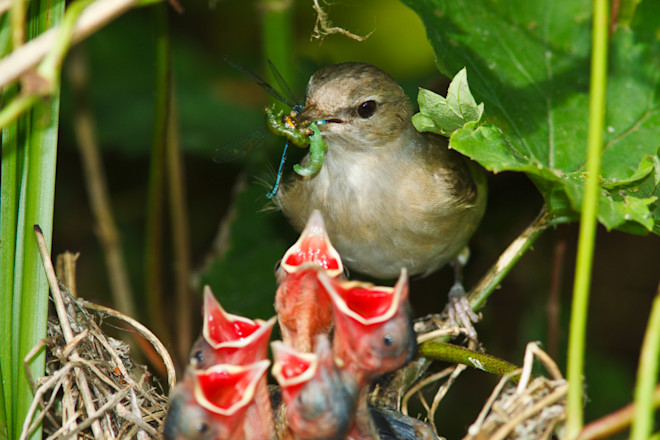
Have you ever watched a mother bird carefully feeding her babies and wondered how she knows exactly what they need? If you’ve been curious about how birds feed their young, you’re in the right place.
Understanding this natural process can give you a fresh appreciation for the patience and care these creatures show. You’ll discover the fascinating ways birds make sure their chicks grow strong and healthy. Keep reading, and you’ll soon see just how amazing nature’s little feeders really are.
Nest Types And Feeding Methods
Birds use different types of nests to keep their young safe. These nests affect how parents feed their chicks. Nest type also shapes feeding habits. Understanding these helps explain bird behavior during the breeding season.
Open Nests Vs. Cavity Nests
Open nests are built in trees or bushes. They are easy to see and reach. Parents must be quick to feed chicks. They often bring food many times a day.
Cavity nests are inside tree holes or nest boxes. These nests protect chicks from weather and predators. Feeding here is quieter and less frequent. Parents deliver food directly into the hole.
Feeding Frequency And Patterns
Feeding frequency depends on chick age and food type. Younger chicks need more meals to grow fast. Parents bring small food often. Older chicks get bigger portions less often.
Some birds feed their young at regular times. Others feed when hungry or safe. Food can be insects, worms, or regurgitated meals. Feeding patterns match the nest type and chick needs.

Credit: www.youtube.com
Regurgitation And Food Transfer
Birds use regurgitation to feed their young. This process helps transfer food safely and efficiently. Parent birds often gather food, partially digest it, and then bring it back to their chicks. This method ensures the chicks receive nutrients in an easy-to-digest form. The feeding process requires precision and care from the parent birds.
How Parents Prepare Food
Parent birds collect a variety of foods like insects, seeds, or small animals. They swallow the food but do not digest it fully. Inside their stomach, the food softens and mixes with digestive juices. This preparation makes the food easier for the chicks to eat and digest. Sometimes, parents mix the food with saliva to create a smooth paste. This paste is then ready to be fed to the young birds.
Mechanics Of Regurgitation
When feeding time comes, the parent bird returns to the nest. It pushes the softened food back up from the stomach. The food moves through the esophagus to the mouth carefully. The parent then transfers the food directly into the chick’s open mouth. Chicks often signal their hunger with loud calls and open beaks. This behavior triggers the parent to start regurgitating. This food transfer method keeps the chicks safe and nourished during their early days.
Role Of Both Parents
Both parents play a crucial role in feeding their young, ensuring the survival and growth of their offspring. This teamwork varies greatly among bird species, but cooperation between the male and female often boosts the efficiency of feeding. Understanding how these roles are shared can give you a deeper appreciation for the efforts behind every hungry chick’s meal.
Division Of Feeding Duties
In many bird species, feeding duties are carefully split between the parents. One parent might focus on gathering food while the other stays with the chicks to protect and feed them directly.
For example, in many songbirds, the female spends more time in the nest feeding the young, while the male gathers food from nearby areas. This division allows one parent to watch for predators while the other focuses on nourishment.
Have you noticed how some birds take turns feeding their chicks? This kind of teamwork makes sure that the chicks are never left hungry or unguarded.
Male Vs. Female Contributions
Male and female birds contribute differently depending on the species and environmental conditions. In some species, males bring larger or more frequent food deliveries, while females might prepare the food or feed the chicks directly.
Take penguins as an example: males may fast for weeks protecting the egg or chick, while females hunt and bring back food. This shows how roles can be flexible but equally important.
Understanding these differences helps you see that feeding young birds is a shared responsibility, requiring cooperation and sacrifice from both parents. What might happen if one parent fails to contribute effectively?
Diet Variations By Species
Birds feed their young in many different ways, largely depending on what their diet consists of as adults. Understanding these diet variations helps you appreciate the diversity in feeding behavior and how parents ensure their chicks get the right nutrients. Let’s look closely at how different species tailor their feeding habits to suit their dietary needs.
Insectivorous Birds
Birds that eat mostly insects, like warblers and swallows, provide their chicks with protein-rich meals. They often catch live insects and bring them directly to the nest, sometimes breaking the prey into smaller pieces for easier consumption.
If you’ve ever watched a robin feeding its young, you might notice how quickly it hunts and delivers multiple insects in a short time. This fast-paced feeding keeps the chicks energetic and growing strong. Have you ever wondered how the parents decide which insects to catch first?
Seed And Fruit Feeders
Species like finches and thrushes mainly feed their young with seeds and fruit. Parents soften hard seeds by soaking or partially digesting them before feeding, which helps the chicks digest food more easily.
Many fruit-eating birds bring back colorful berries or small fruits, which provide essential vitamins. You might find it interesting that some parents even mix insects into the diet to add extra protein during early chick development. Would you expect birds to mix food types like this?
Carnivorous Birds
Birds of prey, such as hawks and owls, feed their young with small animals like rodents, reptiles, or other birds. They tear the prey into bite-sized pieces to make it manageable for their chicks.
This diet demands skillful hunting and quick feeding trips. Watching a parent hawk deliver fresh prey is a reminder of the energy needed to raise strong chicks. How do you think the size and type of prey influence the feeding frequency?
Feeding Strategies For Altricial Vs. Precocial Chicks
Bird parents adopt very different feeding strategies depending on whether their chicks are altricial or precocial. Understanding these differences can change how you observe bird behavior and care for young birds if you ever get the chance. These strategies show the amazing adaptability of birds in nurturing their offspring.
Altricial Chick Care
Altricial chicks hatch blind, featherless, and completely helpless. This means parents must invest a lot of time and energy feeding them directly, often multiple times an hour.
You’ll notice parent birds bringing soft, easily digestible food like worms or regurgitated insects. The feeding is constant because these chicks cannot leave the nest or find food themselves.
Have you ever watched a parent bird carefully feed each chick in the nest? This close attention ensures that every chick gets enough nourishment to grow quickly and develop feathers.
Precocial Chick Independence
Precocial chicks hatch with feathers and open eyes, ready to move around shortly after birth. Because of this, they are more independent but still rely on their parents for food early on.
Parents often lead them to food sources rather than feeding them directly. The chicks learn to pick insects, seeds, or small plants themselves, gaining survival skills right away.
Think about how this strategy reduces the feeding burden on parents and encourages rapid learning. It’s a balance between protection and independence that prepares chicks for life outside the nest.

Credit: m.youtube.com
Surprising Feeding Behaviors
Birds show many surprising ways to feed their young. Their feeding habits go beyond just bringing food. Some have unique behaviors that help chicks survive and grow strong. These behaviors reveal how clever and caring birds can be.
Food Sharing Among Siblings
Some bird species share food between siblings. Instead of competing, they help each other eat. This behavior increases the chance that all chicks get enough food. Parents may feed one chick, which then passes food to its siblings. This teamwork helps weaker chicks survive.
In other cases, siblings take turns begging for food. This reduces fights and stress. Sharing food also teaches cooperation early in life. It is a smart way to ensure family survival.
Use Of Tools In Feeding
Some birds use tools to feed their young. For example, woodpeckers may use sticks to extract insects from tree bark. They bring these insects to their chicks. Tool use shows birds’ intelligence and problem-solving skills.
Other birds drop hard seeds or nuts on rocks to crack them open. The broken pieces feed their babies. This behavior saves energy and time. It helps chicks get nutrition from tough food sources.
Challenges In Feeding Young
Feeding young birds is no simple task. Parents face many obstacles that can affect how well their chicks grow and survive. Understanding these challenges helps you appreciate the delicate balance birds maintain in raising their offspring.
Predator Threats
Predators pose a constant danger to baby birds and their parents. While feeding, adult birds must stay alert to nearby threats like snakes, cats, or larger birds. Even a brief distraction can lead to a nest being discovered.
Some birds use clever tactics to protect their young. For example, certain species drop food farther from the nest to avoid drawing predators close. Have you ever noticed how some birds seem extra cautious when feeding their chicks in your backyard?
Environmental Influences
The environment plays a huge role in how easily birds can feed their young. Weather conditions like heavy rain or extreme heat can reduce food availability or make trips to gather food riskier. This forces parent birds to work harder and take more risks.
Seasonal changes also impact food supply. In spring, insects might be plentiful, but a sudden cold snap can quickly reduce their numbers. How would you manage if your main food source disappeared overnight?

Credit: en.wikipedia.org
Frequently Asked Questions
How Do Birds Feed Their Young?
Birds feed their young by regurgitating partially digested food. Parent birds consume food and later regurgitate it into the chicks’ mouths. This method ensures the chicks receive necessary nutrients. In some species, parents may bring whole insects or seeds for older chicks to consume directly.
What Food Do Baby Birds Eat?
Baby birds primarily eat regurgitated insects, seeds, and fruits. The diet varies depending on the species and their natural habitat. Insect-eating birds provide high-protein diets, while seed-eating birds may offer a mixture of seeds and fruits. This ensures the chicks’ growth and development.
How Often Do Birds Feed Their Chicks?
Parent birds feed their chicks every 10 to 20 minutes during daylight. This frequent feeding ensures chicks receive adequate nutrition for growth. The frequency decreases as the chicks grow older and start eating larger portions. The exact feeding schedule depends on the species and environmental conditions.
Do Both Bird Parents Feed Their Young?
In many bird species, both parents participate in feeding their young. This cooperative behavior ensures that chicks receive enough food for growth. However, in some species, only one parent, usually the mother, handles feeding. The involvement of both parents depends on the species and their natural roles.
Conclusion
Birds feed their young with great care and patience. They bring soft food like worms or seeds to the nest. Parents often feed chicks by placing food directly in their mouths. This helps the young grow strong and healthy. Different bird species have unique ways to feed their babies.
Watching this natural process shows the strong bond between parent and chick. Feeding young birds is a vital part of their survival. It ensures the next generation can thrive in the wild. Nature’s care is simple, yet powerful.