
If you want to bring more birds to your yard, a bottom suet feeder is one of the best ways to do it. You might think buying one is the only option, but making your own is easier than you expect.
Imagine watching colorful birds gather right outside your window, enjoying the suet you prepared with your own hands. You’ll discover simple steps to create a bottom suet feeder that not only attracts birds but keeps them coming back. Ready to turn your outdoor space into a bird paradise?
Let’s get started!
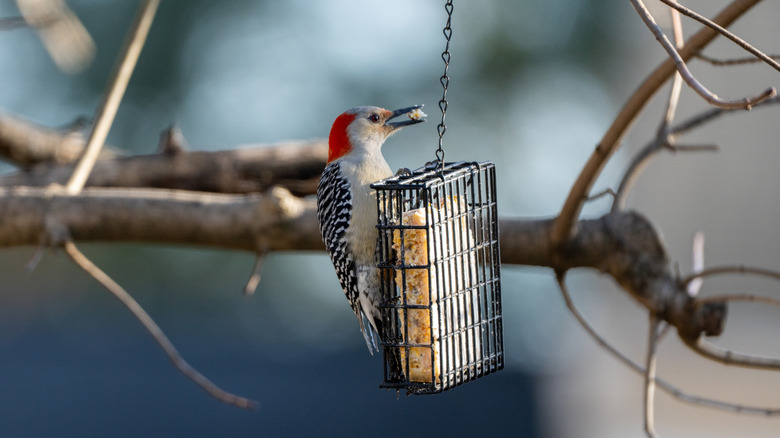
Credit: www.housedigest.com
Materials Needed
Gathering the right materials is essential for building a bottom suet feeder that truly attracts birds. The quality and type of materials you choose will affect the feeder’s durability, safety, and how inviting it looks to your feathered visitors. Let’s break down the key components you’ll need to get started.
Choosing The Right Wood
Opt for untreated, natural wood to keep birds safe from harmful chemicals. Cedar and pine are excellent choices because they resist weathering and won’t splinter easily. Have you noticed how some feeders last longer? That’s often due to the wood quality.
Wood thickness matters too—aim for pieces around ¾ inch thick. This provides sturdy support without being too heavy or bulky. Think about where you’ll place your feeder and pick wood that can handle the outdoor elements in your area.
Selecting Wire Mesh
The wire mesh forms the base where the suet sits, so choose a size that holds the suet firmly but lets birds peck through easily. Hardware cloth with ½ inch squares is a popular option because it balances durability with accessibility.
Galvanized or stainless steel mesh resists rust, which is crucial since your feeder will be exposed to rain and snow. Have you ever seen a feeder with rust spots? That can deter birds and shorten the feeder’s lifespan. Keep longevity in mind when picking your mesh.
Gathering Tools
Having the right tools simplifies your build and improves the final product. Basic tools include a saw for cutting wood, wire cutters for trimming mesh, and a drill for making holes and securing screws.
Don’t forget sandpaper to smooth rough edges—birds appreciate a feeder that’s gentle on their feet. If you want to hang the feeder easily, a pair of pliers to twist wire hooks will come in handy. What tools do you have ready in your workshop right now?
Credit: www.kingsyard.com
Designing The Feeder
Designing your bottom suet feeder is a crucial step to make it inviting and safe for birds. The right design not only attracts a variety of birds but also ensures they can feed comfortably and without harm. Let’s look at the key elements you need to consider to create an effective feeder.
Determining The Size
Size matters when it comes to your feeder. A feeder too small won’t hold enough suet to attract birds for long, while one too large may intimidate smaller birds.
Think about the types of birds you want to attract. Small songbirds like chickadees and wrens prefer feeders that are compact and easy to perch on. If you want to welcome woodpeckers or nuthatches, a slightly bigger feeder is better.
Consider starting with dimensions around 6 inches by 6 inches for the base, with a height of about 4 to 6 inches. This size holds enough suet without overwhelming your garden space.
Planning The Bottom Access
The feeder’s bottom access is what sets it apart. Birds should be able to reach the suet easily, so make sure the opening is wide enough but not so large that the suet falls out.
A practical design includes a sliding or hinged bottom panel that you can open to refill the suet quickly. This saves time and keeps the feeder clean.
Think about how you will secure the bottom to prevent squirrels or larger animals from stealing the food. A simple latch or a clip mechanism often does the trick.
Ensuring Bird Safety
Safety is the top priority in your feeder design. Avoid sharp edges or nails that could injure birds. Sand down all rough surfaces and use non-toxic materials.
Make sure the feeder offers enough space for birds to perch comfortably without overcrowding. Overcrowding can stress the birds and drive them away.
Also, consider ventilation. Proper airflow prevents the suet from melting or becoming moldy, which can harm the birds. Small holes or slats near the bottom can help with this.
Step-by-step Assembly
Building a bottom suet feeder is simple and rewarding. Follow clear steps to create a feeder that attracts many birds. Careful assembly ensures durability and easy use. Prepare your materials and tools before starting for smooth progress.
Cutting The Wood Pieces
Begin by selecting sturdy wood like cedar or pine. Cut four pieces for the frame: two for the sides and two for the front and back. Each piece should be the same length. Cut a square or rectangular base to hold the suet. Sand edges smooth to avoid splinters and ensure a neat fit.
Attaching The Wire Mesh
Choose a wire mesh with small openings to hold suet securely. Cut the mesh to fit the sides and bottom inside the frame. Use a staple gun or small nails to fasten the mesh firmly. Make sure the mesh is tight and evenly attached. This allows birds to cling and feed easily.
Building The Bottom Door
Craft a door from a wooden piece slightly larger than the base. Attach hinges to one side so it swings open smoothly. Add a small latch or hook to keep the door closed. This door lets you refill suet without removing the whole feeder. Check that the door fits well and opens easily.
Adding Hanging Mechanism
Drill two small holes near the top edges of the feeder frame. Thread a strong wire or rope through the holes. Twist the wire or tie knots to secure it firmly. Ensure the hanging loop is balanced to keep the feeder level. This lets you hang the feeder from a tree or hook.
Preparing The Suet Mix
Preparing the suet mix is key to attracting a variety of birds to your feeder. The right mix provides energy and nutrition, especially during cold months. Making your own suet mix lets you control the ingredients and keep birds healthy and happy.
Choosing Ingredients
Start with a base of animal fat or vegetable shortening. This holds the mix together and provides high energy. Add seeds like sunflower, millet, and cracked corn to attract many birds. Include nuts, dried fruits, or oats for extra nutrition and texture. Avoid salt, sugar, and artificial ingredients. These can harm birds.
Mixing And Molding
Gently melt the fat in a pan over low heat. Stir in your dry ingredients until evenly coated. Pour the mixture into molds or containers. You can use small containers or ice cube trays for easy portions. Press the mix firmly to avoid crumbling. Let it cool slightly before moving.
Setting And Storing
Place the molds in the refrigerator to set. It usually takes a few hours to harden fully. Once solid, remove the suet blocks carefully. Store them in an airtight container in a cool place or freezer. Use within a few weeks for best freshness. Proper storage keeps the mix fresh and safe for birds.
Attracting Birds To Your Feeder
Attracting birds to your bottom suet feeder adds life and color to your outdoor space. Birds seek easy access to food and safe surroundings. Creating the right environment helps invite a variety of species. Suet feeders offer high-energy food that many birds love, especially in colder months.
Best Placement Tips
- Place the feeder where birds can easily spot it.
- Choose a quiet area away from heavy foot traffic.
- Hang the feeder near trees or shrubs for shelter.
- Avoid locations near windows to prevent collisions.
- Keep the feeder at least 5 feet off the ground to deter predators.
Seasonal Feeding Advice
Feed suet mainly in fall and winter when birds need extra energy. Warmer months call for less suet, as birds eat more insects and fruits. Switch to lighter feeds like seeds or fruits in spring and summer. Offer fresh suet often; it can spoil quickly in heat. Adjust feeding to match local bird activity and weather.
Maintaining Cleanliness
- Clean the feeder every two weeks to prevent mold and bacteria.
- Use warm water and mild soap for cleaning.
- Rinse thoroughly to remove soap residue.
- Remove old suet before adding fresh blocks.
- Check for signs of pests or damage regularly.
Troubleshooting Common Issues
Troubleshooting common issues with your bottom suet feeder can make a big difference in attracting and keeping birds coming back. Simple fixes often solve the problem, whether it’s unwanted visitors or damage from the weather. Let’s look at how you can tackle these challenges effectively and keep your feeder in top shape.
Preventing Squirrels
Squirrels are clever and persistent when it comes to stealing suet. You can discourage them by adding a baffle below the feeder. This creates a physical barrier that’s tough for squirrels to bypass.
Another tip is to place your feeder away from branches or structures squirrels can jump from. Using hot pepper suet can also deter squirrels since birds don’t mind the spice, but squirrels do.
Have you tried swapping your feeder location to see if squirrels lose interest? Sometimes a simple move makes a big difference.
Dealing With Weather Damage
Weather can quickly ruin suet feeders, especially if they are exposed to rain or intense sun. Choose a feeder made of weather-resistant materials like metal or treated wood to extend its life.
Placing the feeder under a tree canopy or a porch can protect it from harsh elements. If you notice your suet melting or becoming soggy, try swapping it for suet cakes designed for warmer climates.
Do you regularly check your feeder after storms? Early detection of damage can save you from bigger repairs later.
Encouraging Bird Visits
Birds are more likely to visit if your feeder is in a quiet, safe spot with nearby cover. Shrubs or trees close by offer birds a quick escape route from predators.
Keep the feeder clean and filled with fresh suet to make it inviting. You might also consider adding a variety of seeds or fruits nearby to attract different bird species.
Have you noticed certain birds avoid your feeder? Try adjusting the feeder height or changing the suet recipe to suit local preferences better.
Credit: www.kingsyard.com
Frequently Asked Questions
What Is A Bottom Suet Feeder?
A bottom suet feeder is a bird feeder designed to hold suet cakes. It allows birds to feed from the bottom. This design helps deter larger birds and squirrels, attracting smaller birds like woodpeckers and chickadees. It’s a great way to provide high-energy food to birds.
How Do You Make A Bottom Suet Feeder?
To make a bottom suet feeder, use a small wire cage. Ensure it has an opening at the bottom. Secure it with a hook or chain for hanging. Insert a suet cake and hang it in a bird-friendly area. Ensure it’s easy for birds to access.
What Materials Are Needed For A Suet Feeder?
You’ll need a small wire cage, suet cakes, a hook or chain, and a stable hanging location. Use weather-resistant materials to ensure longevity. Make sure the cage is easy to open for refilling. This simple setup helps attract various bird species to your garden.
Why Are Suet Feeders Popular Among Bird Watchers?
Suet feeders attract a variety of birds, providing essential energy. They are especially useful in winter when food is scarce. Bird watchers love them for attracting woodpeckers, nuthatches, and chickadees. Their unique design helps keep larger birds and squirrels at bay, ensuring small birds get their share.
Conclusion
Building a bottom suet feeder invites birds to your yard. It offers a steady food source during cold months. Birds find suet easy to eat and full of energy. Place the feeder where birds feel safe and can see it well.
Keep it clean and refill it regularly for best results. Watching birds enjoy your feeder brings joy and peace. Try making one today and enjoy nature up close. Simple steps lead to more birds visiting your space.