
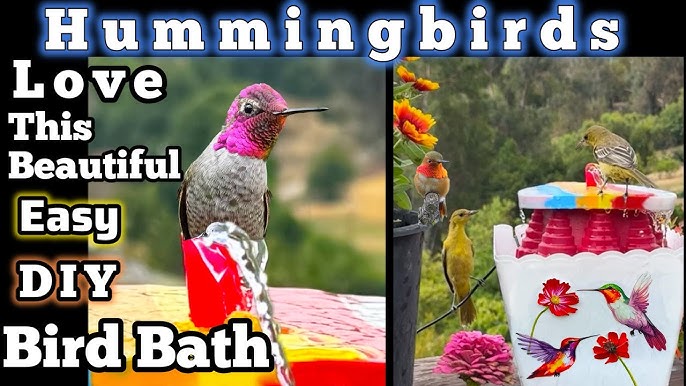
Are you ready to bring the magic of hummingbirds right to your window? Making a homemade hummingbird feeder is easier than you think, and it’s a wonderful way to invite these tiny, colorful birds into your garden.
Imagine watching them hover and sip nectar just inches away from you. In this guide, you’ll discover simple steps to create your own feeder using materials you probably already have. By the end, you’ll have everything you need to attract hummingbirds and enjoy their beauty every day.
Keep reading—you’re just moments away from turning your outdoor space into a hummingbird haven!
Materials Needed
Creating a homemade hummingbird feeder requires a few simple materials. Gathering the right supplies helps build a safe and attractive feeder. Most items are easy to find around the house or at a local store. Preparing these materials before starting saves time and effort.
Essential Supplies
- Plastic or glass bottle with a tight lid
- Red plastic or paint for attracting hummingbirds
- Small drill or sharp tool for making feeding holes
- String or wire for hanging the feeder
- Measuring cup for mixing nectar
- White granulated sugar (for nectar)
- Clean water
Optional Decorations
- Bright red stickers or tape to make the feeder more visible
- Plastic flowers to mimic natural blooms
- Colored ribbons to add charm
- Non-toxic paint to decorate the bottle
- Small beads or charms for extra flair
Choosing The Right Container
Choosing the right container is key to making a hummingbird feeder that works well. The container holds the nectar and attracts hummingbirds. It should be safe, easy to clean, and fit the space where you want to hang it.
Picking the best container helps keep nectar fresh longer. It also makes filling and cleaning easier. Let’s explore what types of containers work best and what size and shape suit hummingbirds.
Suitable Bottle Types
- Glass bottles: Durable and easy to clean. They do not hold odors.
- Plastic bottles: Lightweight and inexpensive. Use BPA-free plastic for safety.
- Recycled jars: Mason jars or old jam jars can work well.
- Plastic soda or water bottles: Common and easy to repurpose, but clean thoroughly.
Glass is best for long-lasting feeders. Plastic is good for temporary or travel use. Avoid containers with narrow openings that are hard to clean.
Size And Shape Considerations
Choose a size that holds enough nectar but is not too heavy when full. A 16 to 24-ounce container is ideal for most feeders.
Shape matters for hummingbird access. Containers with a wide mouth are easier to fill and clean. Narrow necks can trap dirt and make refilling tricky.
Flat or slightly rounded shapes work best. Avoid very tall or thin bottles that tip easily.
Making The Nectar
Making the nectar is the key to attracting hummingbirds to your feeder. The right nectar mimics the natural sweetness of flower nectar. A simple recipe ensures the birds get the energy they need without harm. Proper nectar helps hummingbirds stay healthy and active during their visits.
Simple Sugar Water Recipe
Use clean, fresh water to make the nectar. Boil one cup of water to remove impurities. Let the water cool before adding sugar. Mix four tablespoons of white granulated sugar into the water. Stir until the sugar dissolves completely. Avoid using honey, brown sugar, or artificial sweeteners. These can harm hummingbirds or cause mold growth. Store extra nectar in the fridge for up to one week.
Avoiding Harmful Additives
Do not add red dye to the nectar. It is unnecessary and can be toxic to birds. Keep the nectar pure with just sugar and water. Avoid using pesticides or cleaning chemicals near the feeder. These can poison hummingbirds. Clean feeders regularly with hot water only. This prevents mold and bacteria growth that can hurt the birds.

Credit: homeiswheretheboatis.net
Assembling The Feeder
Assembling the homemade hummingbird feeder requires careful attention to ensure it works well. The right setup attracts hummingbirds and keeps the nectar fresh. Start by preparing your container. Then add feeding ports to make it easy for hummingbirds to drink. This process is simple and fun.
Preparing The Container
Choose a clean, clear container like a glass jar or plastic bottle. Wash it thoroughly with hot water and mild soap. Rinse well to remove all soap traces. Dry the container completely before use. This prevents mold and keeps nectar safe. Avoid containers with sharp edges to protect the birds.
Adding Feeding Ports
Create small feeding holes near the bottom of the container. Use a heated needle or small drill bit to make holes about 1/8 inch wide. Smooth any rough edges to avoid hurting the birds. Attach colorful plastic flowers or red tape around the holes to attract hummingbirds. Ensure the ports are spaced evenly for easy access.
Decorating Your Feeder
Decorating your homemade hummingbird feeder is not just about making it look pretty—it plays a key role in attracting these tiny visitors. A well-decorated feeder stands out in your garden, catching the eyes of hummingbirds from afar. Your choice of colors and decoration style can make all the difference in how quickly your feeder becomes a hotspot.
Attracting Hummingbirds With Colors
Hummingbirds are drawn to bright colors, especially red. Adding red accents to your feeder, such as painting parts of it or attaching red ribbons, can increase its visibility.
Yellow and orange can also attract hummingbirds, but red remains the most effective. Avoid using colors like blue or purple as they don’t catch the hummingbirds’ attention as much.
Think about where your feeder will hang and how the colors will look against the background. Bright colors on a dull background make the feeder pop and invite hummingbirds closer.
Safe Decoration Tips
Safety is crucial when decorating your feeder. Use non-toxic paints and materials that won’t harm the birds or contaminate the nectar.
Stay away from sharp objects or decorations that could injure the hummingbirds. Smooth surfaces and rounded edges are much safer for these delicate creatures.
You can add natural elements like small flowers or leaves around the feeder’s base, but ensure they don’t block the feeding ports or drip nectar, which can attract unwanted insects.
Placing The Feeder
Placing the homemade hummingbird feeder correctly helps attract these tiny birds. A good spot keeps the feeder safe and easy for hummingbirds to find. Proper placement can also protect the feeder from damage and keep the nectar fresh longer. Consider the environment around the feeder to create a welcoming space for hummingbirds.
Ideal Locations
Choose a quiet spot with little foot traffic. Near flowers or plants is perfect since hummingbirds are drawn to blooms. Place the feeder where it can be seen easily by hummingbirds flying by. Avoid areas near strong winds or heavy rain. Close to a window works well for bird watching but keep it safe from predators.
Height And Shade Preferences
Hang the feeder about 4 to 6 feet above the ground. This height is easy for birds to reach and safe from most predators. Place the feeder in partial shade to keep nectar cool and slow fermentation. Avoid direct sunlight all day, which heats the nectar quickly. Shade also helps hummingbirds stay comfortable while feeding.
Maintaining The Feeder
Keeping your homemade hummingbird feeder in good shape is key to attracting these tiny visitors again and again. Proper maintenance not only ensures the nectar stays fresh but also protects the birds from harmful bacteria. Let’s look at simple ways you can keep your feeder clean and full so hummingbirds feel welcome.
Cleaning Schedule
Regular cleaning is essential. Aim to clean your feeder every 3 to 5 days, or more often in hot weather when nectar spoils quickly.
Use hot water and a mild soap, avoiding strong chemicals that can harm birds. A small brush can help reach tight spots inside the feeder.
Rinse thoroughly to remove all soap residue. Have you noticed any mold or cloudiness on your feeder? That’s a sign to clean immediately to keep it safe.
Refilling Nectar
Refill the feeder with fresh nectar regularly to keep hummingbirds coming back. Nectar made from 1 part sugar to 4 parts water is perfect.
Boil the water first to dissolve the sugar, then cool before filling the feeder. This helps prevent fermentation and mold growth.
Keep an eye on how quickly the nectar disappears. If it’s slow, consider refreshing it sooner to avoid stale sugar water. How often do you think your local hummingbirds visit? Tracking this can help you time refills better.

Credit: www.kitchenparade.com
Common Mistakes To Avoid
Making your own hummingbird feeder can be rewarding, but there are some common mistakes that could harm the birds or reduce your feeder’s effectiveness. Being aware of these pitfalls helps you create a safe and inviting spot for hummingbirds.
Using Wrong Ingredients
Many people think adding red dye makes the nectar more attractive, but it can be toxic to hummingbirds. Stick to a simple recipe: four parts water to one part white granulated sugar. Avoid honey, artificial sweeteners, or any additives that might cause mold or harm the birds.
Have you ever wondered why some feeders attract fewer birds? The wrong nectar mix could be the culprit. Using the right ingredients keeps the nectar fresh and safe, encouraging more visits.
Ignoring Hygiene
Cleaning your feeder regularly is crucial. Mold and bacteria can grow quickly in nectar, leading to illness or death in hummingbirds. Wash your feeder at least once a week with hot water and mild soap, and rinse thoroughly to remove all residue.
Neglecting hygiene might seem harmless, but it impacts hummingbird health dramatically. Would you drink from a cup that hasn’t been cleaned in days? Your feeder deserves the same attention.

Credit: homeiswheretheboatis.net
Frequently Asked Questions
What Materials Do I Need For A Feeder?
To make a hummingbird feeder, you’ll need a clean glass or plastic bottle, a red plastic or rubber flower, a drill or knife, wire or string, and a hook or nail. These materials are affordable and easily found in most households or local stores.
How Do I Clean A Hummingbird Feeder?
To clean your feeder, rinse it with warm water and mild soap. Avoid using harsh chemicals. Use a bottle brush to reach inside. Rinse thoroughly to remove all soap residue. Cleaning should be done every few days to prevent mold and bacteria.
Can I Use Sugar Water In My Feeder?
Yes, you can use sugar water. Mix one part white sugar with four parts water. Boil the mixture for two minutes to dissolve the sugar. Allow it to cool before filling the feeder. Avoid using honey, artificial sweeteners, or food coloring, as they can harm hummingbirds.
How Often Should I Refill The Feeder?
Refill your hummingbird feeder every two to five days. In hot weather, refill more frequently to prevent fermentation. Regularly check the feeder to ensure it’s clean and filled. This practice will keep the hummingbirds healthy and encourage them to visit more often.
Conclusion
Making a homemade hummingbird feeder is simple and fun. You can use easy materials found at home. Watching hummingbirds visit your feeder brings joy and peace. Clean the feeder often to keep birds healthy. Place it where you can see the birds clearly.
Enjoy the bright colors and quick movements of hummingbirds. This small project helps nature come closer to you. Try making your feeder today and welcome these tiny visitors. It’s a great way to connect with wildlife every day.