
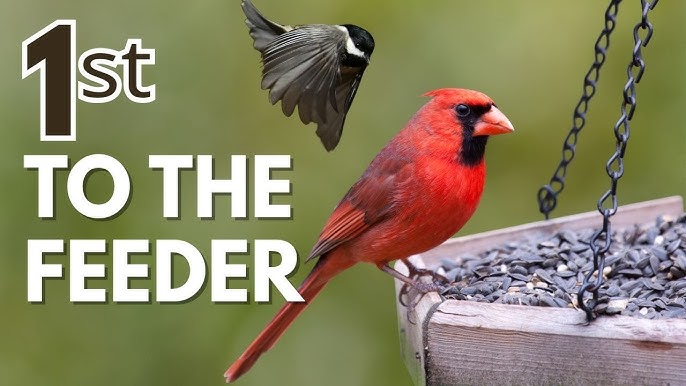
Are you excited to attract more birds to your yard but wondering how to get them to use a new feeder? It can be frustrating to hang up a fresh feeder and see it empty day after day.
But don’t worry—there are simple steps you can take to make your feeder a favorite spot for birds. By understanding what birds need and how they behave, you can turn your new feeder into a busy bird haven. Keep reading to discover easy tips that will help you welcome colorful visitors right to your window!

Credit: avibirds.com
Choosing The Right Feeder
Choosing the right bird feeder plays a key role in attracting birds to a new feeder. Birds prefer certain feeder styles that match their feeding habits. The feeder’s material affects its lifespan and how well it stands up to weather. Size and capacity also matter to keep birds happy and feed fresh.
Types Of Bird Feeders
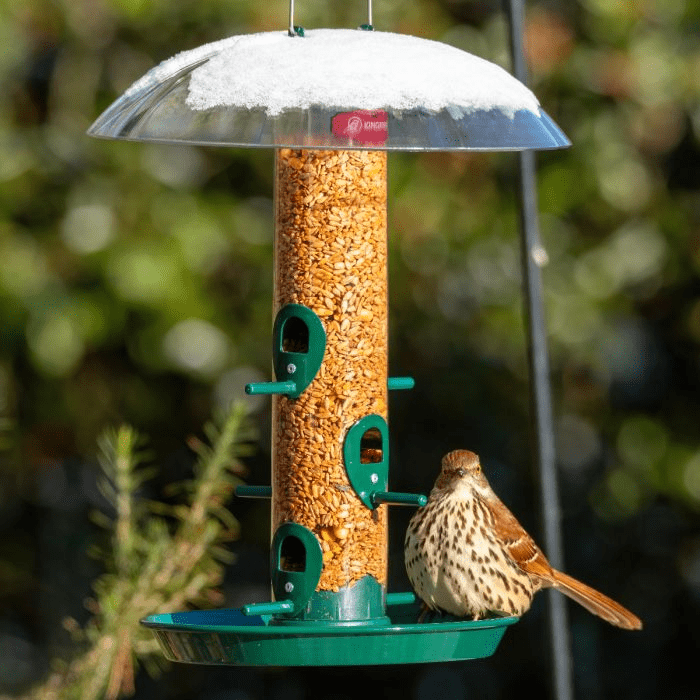
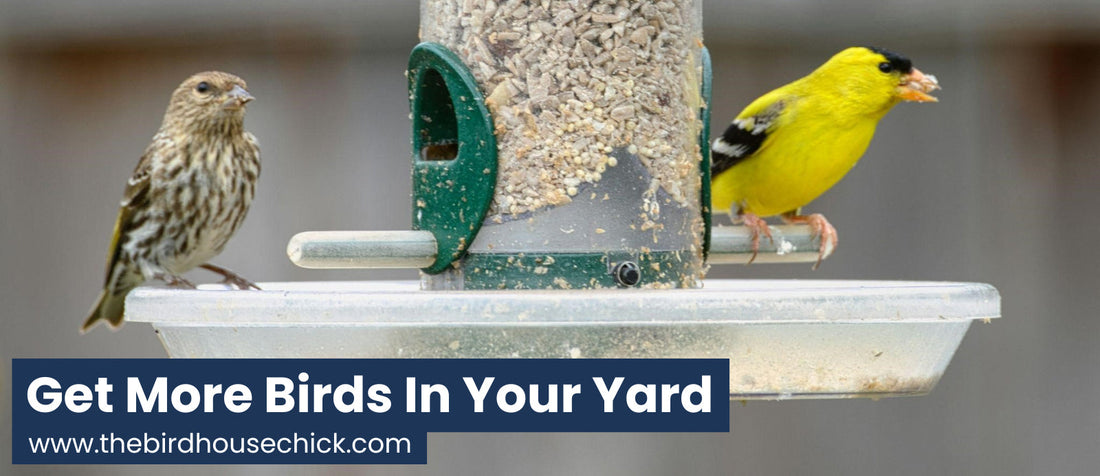
Different bird species have different feeding preferences. Tube feeders are good for small songbirds like finches and chickadees. Platform feeders attract larger birds such as cardinals and jays. Hopper feeders hold more seed and can serve many birds at once. Suet feeders offer high-energy food for woodpeckers and nuthatches. Choose a feeder type that suits the local birds you want to attract.
Best Materials For Durability
Bird feeders come in various materials, each with pros and cons. Plastic feeders are lightweight and affordable but may crack in cold weather. Metal feeders resist damage and pests but can rust if not coated. Wood feeders look natural and blend into gardens but need regular maintenance. Glass feeders are easy to clean but fragile. Pick a material that lasts and fits your climate.
Feeder Size And Capacity
Feeder size affects how often you need to refill it. Small feeders fill quickly and stay fresh but require frequent attention. Larger feeders serve more birds but risk seed spoilage if not used fast. Consider the number of birds in your area and how much time you can spend refilling. A feeder with the right capacity keeps birds coming back without wasting seed.
Credit: www.kingsyard.com
Picking The Perfect Location
Choosing the right spot for a new bird feeder affects how quickly birds visit. Birds need places that feel safe and easy to find. The feeder’s location impacts their comfort and feeding habits. Understanding key factors helps in picking a perfect site.
Safe And Visible Spots
Place the feeder where birds can easily see it from a distance. Open areas with clear views work well. Birds like spots where they can watch for danger while eating. Avoid hiding feeders in thick bushes or behind objects. Bright sunlight helps birds spot the feeder quickly.
Avoiding Predators
Keep feeders away from places where predators hide. Cats and hawks often lurk near dense shrubs or tall trees. Position feeders at least 5 feet away from jumping points. Avoid placing feeders near windows to prevent bird collisions. A clear zone around the feeder lets birds escape fast.
Proximity To Natural Cover
Birds prefer feeders near bushes or trees for quick shelter. Natural cover helps birds feel safe between feeding visits. Planting native shrubs near feeders attracts more birds. Cover also protects birds from harsh weather. A balance of open space and cover invites more visitors.
Selecting The Best Bird Food
Choosing the right food is key to attracting birds to your new feeder. Different birds have different tastes, so offering the right mix can make your feeder a hotspot. The right selection keeps birds coming back and helps you enjoy watching a variety of species.
Popular Seeds And Mixes
Black oil sunflower seeds are a top choice. They appeal to many types of birds and have a high oil content that provides energy. Nyjer seeds attract finches and siskins, while millet is loved by ground-feeding birds like doves and sparrows.
Consider offering a mix that includes:
- Black oil sunflower seeds
- Nyjer seeds
- Millet
- Cracked corn
- Peanuts (unsalted and shelled)
Mixes designed for songbirds often combine these ingredients to attract a wide variety. Avoid mixes with fillers like red millet or wheat, as they usually go uneaten.
Food Preferences By Species
Different birds prefer different foods, so matching seed types to your local species can increase visits. Cardinals and chickadees prefer sunflower seeds. Finches favor thistle or nyjer seeds. Woodpeckers and nuthatches enjoy suet or peanuts.
Have you noticed how certain birds ignore one feeder but swarm another? This often comes down to what’s inside. Tailor your feeder’s contents to the birds you want to attract, and watch your feeder become lively.
Seasonal Feeding Tips
Bird food needs change with the seasons. In winter, birds need high-energy foods like sunflower seeds and suet to stay warm. During spring and summer, they often prefer insects and fruit, so try offering mealworms or fresh berries.
In fall, seeds with high fat content help birds prepare for migration or colder months. Changing your feeder’s offerings with the seasons keeps your feathered friends healthy and ensures they keep coming back.
Attracting Birds Quickly
Getting birds to visit a new feeder quickly takes patience and the right setup. Birds need clear reasons to try a new spot. Offering fresh food, water, and natural surroundings makes the feeder more inviting. These simple steps help birds notice and trust the feeder faster. Watch your garden fill with lively visitors soon.
Using Fresh Food Daily
Birds prefer fresh food over old or spoiled seeds. Change the seeds every day or two to keep them fresh. Clean the feeder regularly to remove mold or dirt. Fresh food smells better and looks more appealing to birds. A clean feeder with fresh seeds encourages regular visits.
Adding Water Sources
Birds need water for drinking and bathing. Place a birdbath or shallow dish near the feeder. Keep the water clean and refill it often. Moving water, like a small fountain or dripper, attracts more birds. Water helps birds feel safe and comfortable around the feeder.
Incorporating Natural Elements
Natural surroundings make birds feel secure. Plant native bushes or trees near the feeder for shelter and cover. Add branches or twigs for perching spots close to the feeder. Avoid placing the feeder in open areas where birds feel exposed. A natural setting invites birds to stay longer and return often.
Maintaining Your Feeder
Keeping your bird feeder in top shape is key to attracting feathered visitors consistently. Birds are more likely to return to a clean and well-stocked feeder, making your efforts worthwhile. Let’s look at how to maintain your feeder so it stays inviting and safe for your bird friends.
Cleaning For Health
Regular cleaning stops diseases from spreading among birds. Use a solution of one part white vinegar to four parts water or a mild bleach mix to scrub the feeder thoroughly. Rinse well and let it dry completely before refilling.
Cleaning at least once every two weeks prevents mold and bacteria buildup. If you notice mold or wet seed, clean immediately to protect the birds’ health. Have you checked your feeder’s corners and crevices lately? Those spots often hide dirt and old seed.
Refilling Schedule
Keep your feeder filled, but avoid overfilling to reduce waste and spoilage. Check it daily during peak feeding times, especially in colder months when birds need more energy. Adjust your refilling frequency based on bird activity and seed consumption.
Try to refill your feeder in the morning; this gives birds fresh food early in their day. Watching which seeds get eaten fastest can help you decide what to offer more of. What’s your birds’ favorite snack so far?
Preventing Pests And Mold
Unwanted visitors like squirrels and ants can scare birds away or contaminate the seed. Use squirrel baffles and ant moats to keep pests at bay. Place feeders away from structures that pests can jump from.
To stop mold, keep seed dry and remove any clumps of wet or old seed regularly. Consider using seed mixes designed to resist moisture. Have you noticed any persistent pest problems around your feeder?
Encouraging Regular Visits
Encouraging birds to visit a new feeder regularly takes time and care. Creating a welcoming space helps birds feel safe and comfortable. Using sounds that attract birds can also boost visits. Watching and learning from their behavior guides your next steps.
Creating A Bird-friendly Habitat
Place the feeder near trees or shrubs for shelter. Birds like to perch close to food. Keep the area quiet and free from predators. Plant native flowers and bushes to attract insects birds enjoy. Provide fresh water nearby for drinking and bathing. A safe and natural setting invites birds back often.
Using Bird Calls And Sounds
Play recorded bird songs to attract local species. Match sounds to the types of birds you want. Use low volume to avoid scaring birds away. Change sounds at different times of day. This technique mimics natural bird activity. Sounds signal food sources and safe spots.
Patience And Observation
Watch quietly from a distance to avoid disturbing birds. Notice which species visit and at what times. Keep food fresh and clean to maintain interest. Avoid sudden changes to the feeder location or type. Regular visits grow slowly but steadily. Patience rewards with a lively and happy bird feeder.
Credit: www.thebirdhousechick.com
Frequently Asked Questions
How Do I Attract Birds To A New Feeder?
To attract birds, place the feeder in a quiet, safe location. Use high-quality seed suited to local bird species. Maintain consistency by refilling the feeder regularly. Ensure the feeder is clean to prevent disease. Providing nearby water sources and shelter like trees or shrubs can also help attract birds.
Why Aren’t Birds Using My New Feeder?
Birds may not use a new feeder due to unfamiliarity. Give them time to discover it. Ensure the feeder is stocked with fresh, suitable seed. Check if the feeder is placed in a safe, visible location. Avoid sudden changes and keep the surrounding environment calm and inviting.
What Type Of Seed Attracts The Most Birds?
Black oil sunflower seeds attract the widest variety of birds. They are nutritious and easy to eat. Consider also offering nyjer seeds for finches or millet for sparrows. Ensure seeds are fresh and stored properly. Providing a mix of seeds can attract different species to your feeder.
How Long Does It Take For Birds To Find A Feeder?
Birds can take several days to weeks to find a new feeder. Be patient and maintain consistency. Ensure the feeder is visible and stocked with fresh seed. Birds often rely on routine, so refilling the feeder regularly helps establish it as a reliable food source.
Conclusion
Getting birds to use a new feeder takes time and patience. Place the feeder in a quiet, safe spot. Use seeds that local birds like most. Keep the feeder clean and full. Watch and enjoy as birds start to visit.
Small changes can make a big difference. Soon, your feeder will be a favorite spot. Keep trying and learning about your feathered friends. Birdwatching brings joy and peace. Your efforts will pay off with colorful visitors.