
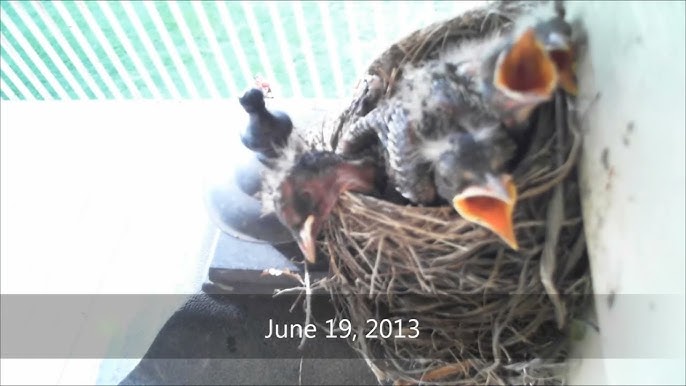
Finding a baby bird fallen from its nest can be heart-wrenching. You want to help, but you might not know where to start or how to feed it properly.
If you act the wrong way, you could unintentionally harm the tiny creature you want to save. This guide will walk you through simple, clear steps to give your little feathered friend the best chance to survive. Keep reading, because what you do in these first moments can make all the difference.
Credit: www.petsradar.com
Identifying A Fallen Baby Bird
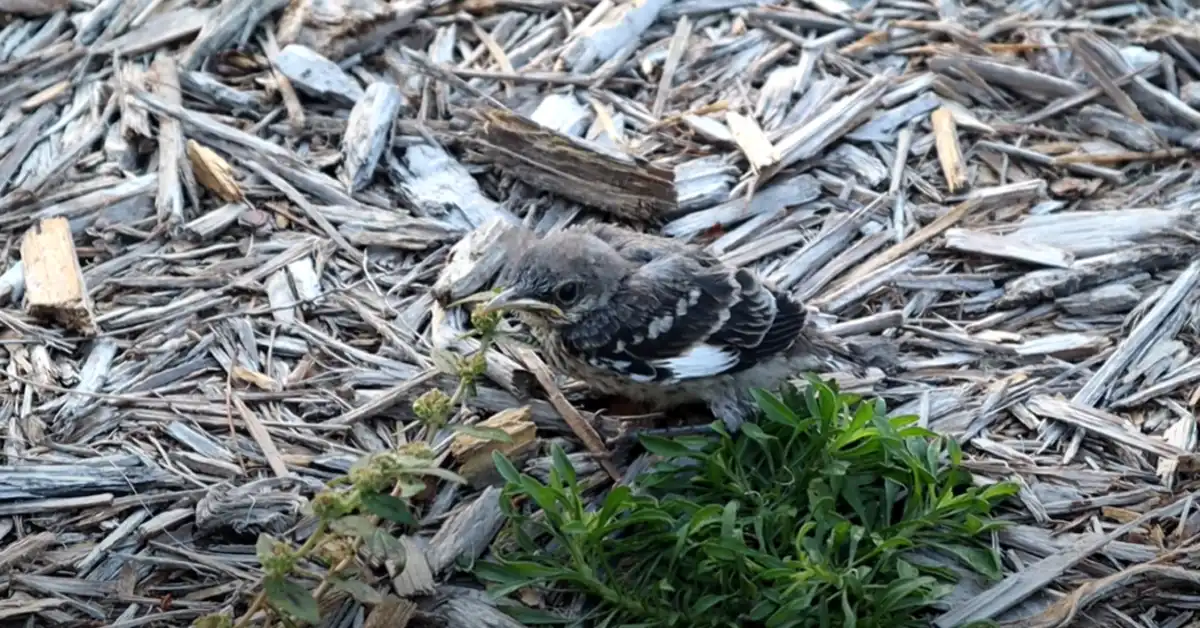
Finding a baby bird on the ground can be worrying. It is important to know if the bird really needs help or if it is just learning to fly. Some young birds leave the nest before they can fly well. These birds might be safe nearby with their parents. Knowing how to spot a fallen baby bird helps you act correctly and keep the bird safe.
Signs The Bird Needs Help
- The bird is cold or shivering.
- It has visible injuries, like bleeding or broken wings.
- The bird is quiet and not moving much.
- It is alone without any parent birds nearby.
- The bird looks very weak or thin.
- It keeps calling loudly and repeatedly.
These signs usually mean the bird is in trouble. It might have fallen from the nest or got lost. Acting quickly can save the bird’s life.
Common Types Of Fallen Baby Birds
| Type | Description | Care Tips |
|---|---|---|
| Nestling | Very young, few or no feathers, eyes often closed. | Needs warmth and gentle feeding; usually must be returned to the nest. |
| Fledgling | Has feathers and tries to fly but is clumsy and weak. | Often being watched and fed by parents; usually safe if left alone. |
| Juvenile | Almost adult size, fully feathered, learning to find food. | May not need help unless injured or in danger. |
Immediate Actions To Take
Finding a baby bird fallen from its nest can be worrying. Acting fast helps increase its chance to survive. Immediate actions focus on safety and quick assessment. This way, you know how to care for the bird properly.
Handling The Bird Safely
Wear soft gloves or use a clean cloth to pick up the bird. Hold it gently to avoid causing stress or injury. Keep the bird warm by wrapping it in a small towel or cloth. Place it in a ventilated box or container lined with soft material. Avoid loud noises and sudden movements near the bird. Keep pets and children away to prevent harm.
Assessing Injuries
Check the bird carefully for visible injuries. Look for bleeding, broken wings, or legs. Notice if the bird is weak or unable to move properly. Observe its breathing for any difficulties or noises. Avoid touching wounds or trying to fix injuries yourself. If the bird looks hurt or very weak, contact a wildlife rehabilitator or vet immediately.
Preparing The Feeding Environment
Feeding a baby bird that has fallen from its nest requires a carefully prepared environment. The right setup can make a huge difference in the bird’s comfort and survival. Before you feed the little one, focus on creating a safe, warm, and suitable space that mimics its natural surroundings as much as possible.
Creating A Warm Nest
Baby birds cannot regulate their body temperature well. You need to keep them warm to avoid shock or illness.
- Use a small box or container lined with soft cloth or paper towels.
- Place a heating pad under half of the box, set on low, to provide gentle warmth without overheating.
- Keep the nest area away from drafts or direct sunlight.
I once helped a fallen chick and learned that consistent warmth helped it stay calm and accept feeding better. Have you thought about how temperature affects a tiny bird’s energy?
Choosing The Right Container
The container you choose acts as the bird’s temporary home. It should feel secure and comfortable.
- Pick a shallow box or basket that’s just big enough for the bird to move a little but not get lost.
- A container with smooth sides is best to prevent injuries.
- Line the bottom with clean, dry, and soft materials to cushion the bird.
Using a container that’s too large or hard can stress the bird and make feeding more difficult. Have you checked your supplies to find the safest spot for your feathered friend?

Credit: www.reddit.com
Selecting Appropriate Food
Choosing the right food for a baby bird that has fallen from its nest is crucial for its survival and healthy growth. Different bird species have unique dietary needs, and feeding them the wrong food can cause more harm than good. Understanding what to feed and what to avoid will increase your chances of helping the little bird thrive until it can return to the wild or be handed over to a professional.
Diet Based On Bird Species
Not all baby birds eat the same things. Some species are insectivores, while others prefer seeds, fruits, or even nectar. Identifying the bird species is your first step. For example, baby robins thrive on soft insects like worms and caterpillars, while finch chicks do better with a mix of soaked seeds and soft fruits.
If you’re unsure about the species, observe the bird’s beak shape and size. A sharp, pointed beak often indicates an insect eater, whereas a short, stout beak is typical of seed eaters. You can also compare your bird to online bird guides or local wildlife resources.
Once you know the species, you can tailor the diet accordingly:
- Insectivores:Offer small, soft insects like mealworms or crickets.
- Seed eaters:Provide soaked seeds or finely ground birdseed mixed with water.
- Fruit eaters:Give mashed soft fruits such as bananas, berries, or melon.
Foods To Avoid
Not all foods that seem healthy are safe for baby birds. Avoid giving bread, milk, or human junk food as they lack the nutrients birds need and can upset their digestion. Dairy products, in particular, can cause severe digestive issues since birds don’t process lactose well.
Also, steer clear of honey and salt. Honey can contain bacteria harmful to birds, and salt can be toxic even in small amounts. Never feed baby birds meat or processed foods, as these can cause choking or illness.
Here’s a quick list of foods to never feed baby birds:
- Bread or bread crumbs
- Milk or dairy products
- Honey
- Salted or processed snacks
- Raw meat or fish
Feeding a baby bird might seem simple, but the right choices make a huge difference. Have you ever tried feeding a wild bird? What surprised you the most about their diet needs?
Feeding Techniques
Feeding a baby bird fallen from its nest requires careful attention and gentle care. Proper feeding techniques support the bird’s growth and health. The right schedule and tools make feeding easier and safer. Understanding feeding frequency and amount is crucial. Using the correct tools and methods helps avoid harm to the fragile bird. This section covers essential feeding techniques for nurturing a baby bird successfully.
Feeding Frequency And Amount
Baby birds need frequent feeding because they grow fast. Feed the bird every 15 to 20 minutes from sunrise to sunset. Young birds require small amounts of food at each feeding. Overfeeding can cause health problems. Underfeeding may lead to weakness and slow growth. Watch the bird’s crop, a small pouch in its throat, to check fullness. The crop should be soft but not swollen. Stop feeding when the crop feels full but not hard. Adjust the amount based on the bird’s size and age.
Proper Feeding Tools And Methods
Choose soft tools to avoid injuring the baby bird’s mouth. Use a small syringe or a specialized feeding tube for precision. Avoid sharp objects or forceful feeding. Warm the food to about body temperature before feeding. Cold food may upset the bird’s stomach. Hold the bird gently but firmly to prevent injury. Feed slowly and carefully, allowing the bird to swallow naturally. Do not force food if the bird resists. Clean the feeding tools thoroughly after each use to prevent infections.
Monitoring Health And Growth
Monitoring the health and growth of a baby bird fallen from its nest is crucial for its survival. Careful observation helps ensure the bird develops well and stays strong. Regular checks reveal if the feeding and care routines work or need adjustments.
Keep a daily record of the bird’s weight and physical changes. Note its activity levels and alertness. Healthy growth shows the bird is adapting well to its new care.
Signs Of Proper Development
- Steady weight gain each day
- Bright, clear eyes
- Active movements and good muscle tone
- Regular swallowing during feeding
- Feathers growing evenly and smoothly
- Normal droppings in size and color
These signs indicate the baby bird is thriving. Lack of these signs could mean it needs more care or a different feeding approach.
When To Seek Veterinary Help
- Sudden weight loss or no weight gain
- Weakness or lack of movement
- Labored or noisy breathing
- Swelling, wounds, or unusual lumps
- Persistent diarrhea or abnormal droppings
- Refusal to eat for more than one feeding
These symptoms require immediate attention from a professional. Early veterinary care improves the chances of recovery and proper growth.
Preparing For Release
Preparing a baby bird for release is a careful process. It takes time and attention to help the bird regain strength. The goal is to ensure the bird survives well on its own. This phase focuses on building skills and confidence before letting the bird go back to nature.
Assessing Readiness
Check the bird’s physical condition first. Look for strong feathers and good muscle tone. The bird should be active and alert. Watch if it can eat independently and swallow food well. Test its ability to fly in a safe space. A bird ready for release will show quick movements and proper balance.
Safe Release Practices
Choose a quiet, natural location for release. Avoid busy streets or areas with many predators. Release the bird close to where it was found, if possible. Let the bird leave the carrier on its own. Stay nearby but do not touch or chase it. Watch for a few minutes to ensure it flies away safely.
Credit: www.earthofbirds.com
Frequently Asked Questions
What Should I Do If I Find A Baby Bird?
If you find a baby bird, first assess its condition. Ensure it’s truly orphaned or injured. If it’s safe, place it back in the nest. If not, contact a wildlife rehabilitator for guidance. Avoid feeding it without professional advice, as improper feeding can harm the bird.
Can I Feed A Baby Bird Water?
No, do not feed a baby bird water. Baby birds can easily aspirate liquids. Instead, ensure it stays warm and contact a wildlife rehabilitator. They can provide the best guidance. Proper hydration methods depend on the bird’s species and age.
Always seek professional advice before attempting to hydrate a baby bird.
How Often Should I Feed A Baby Bird?
Feeding frequency depends on the bird’s age and species. Generally, baby birds need feeding every 15-20 minutes during daylight. However, it’s crucial to consult a wildlife expert. They provide species-specific advice. Incorrect feeding schedules can hinder the bird’s development and lead to health issues.
What Is The Best Food For A Baby Bird?
The best food varies by species. Generally, baby birds require a high-protein diet. Insects, such as mealworms, are suitable for many species. Avoid feeding bread or milk, as they can harm baby birds. Always consult a wildlife rehabilitator for specific dietary recommendations tailored to the bird’s needs.
Conclusion
Caring for a baby bird fallen from its nest takes patience and care. Feeding it the right food helps the little bird grow strong. Keep the baby bird warm and safe during feeding times. Watch for signs of hunger and feed small amounts often.
Always handle the bird gently to avoid stress or injury. Remember, the goal is to help the bird survive until it can return to nature. Your kind efforts make a big difference in the baby bird’s life.