
Have you ever found a tiny baby bird and wondered what you should feed it to help it grow strong and healthy? Feeding baby birds can feel tricky because their needs are very different from adult birds.
If you want to give your little feathered friend the best start in life, you need to know exactly what to offer and what to avoid. Keep reading, and you’ll discover simple, effective tips that will make sure your care truly makes a difference.
Your baby bird’s survival depends on the right choices—and you’re about to learn them.

Credit: swibirds.org
Types Of Baby Birds
Baby birds come in different types based on how they develop after hatching. Knowing these types helps us understand their unique feeding needs. Some baby birds need more care and food, while others are more independent from the start.
Understanding the differences between these types is important for anyone who wants to care for or feed baby birds properly.
Altricial Vs. Precocial Species
Altricial baby birds hatch blind, featherless, and helpless. They depend fully on their parents for warmth and food. These birds need soft, easy-to-digest meals often rich in protein.
Precocial baby birds hatch with feathers and open eyes. They can move and feed themselves soon after birth. Their diet includes small insects, seeds, or plants depending on the species.
Common Backyard Baby Birds
Many baby birds seen in backyards are altricial. Examples include:
- Robins
- Sparrows
- Blue Jays
These birds require frequent feeding of insects or worms. Precocial babies found in some backyards might include ducks or quail. They start pecking food soon after hatching.
Nutritional Needs
Feeding baby birds the right nutrients is crucial for their survival and growth. Their tiny bodies need a balanced mix of proteins, vitamins, minerals, and water to build strong muscles, develop feathers, and stay healthy. Understanding these nutritional needs helps you provide the best care if you ever find yourself helping a hatchling.
Protein Requirements
Baby birds need a high amount of protein to support rapid growth. Proteins help form muscles, feathers, and organs. You can feed them soft insects like mealworms or finely chopped boiled eggs to meet this need.
Have you noticed how adult birds catch insects for their chicks? That’s because insects are packed with the right proteins. Avoid giving baby birds bread or seeds alone—they lack sufficient protein and can stunt growth.
Vitamins And Minerals
Vitamins and minerals play a key role in a baby bird’s development. Vitamin A helps maintain healthy skin and feathers, while calcium strengthens bones. Offering a variety of foods, including small pieces of fruits and leafy greens, ensures they get these essentials.
Think about how diverse a wild bird’s diet is. Mimicking that variety in your feedings will cover important nutrients. You can also add a tiny pinch of crushed eggshells for extra calcium, but be careful not to overdo it.
Hydration Importance
Water is just as important as food for baby birds. They get most of their hydration from their diet, but you still need to ensure they don’t get dehydrated. If you’re hand-feeding, mix a little water into their food to keep it moist and easy to swallow.
Have you ever tried feeding dry crumbs to a baby bird? It can cause choking or dehydration. Keeping their food soft and moist helps them digest properly and stay hydrated.
Safe Foods For Baby Birds
Feeding baby birds the right foods is crucial for their growth and survival. Safe foods provide the essential nutrients they need without risking their health. Understanding which foods are safe can make a big difference if you ever find yourself caring for a baby bird.
Insects And Larvae
Baby birds naturally eat insects and larvae, which are packed with protein. Mealworms, crickets, and small caterpillars are excellent choices you can offer. Avoid insects caught outside, as they might carry pesticides or parasites.
Try feeding small, soft-bodied insects to make it easier for the baby bird to swallow. You can find live or dried insects at pet stores, ensuring they are safe and chemical-free. This protein-rich diet supports muscle development and energy.
Soft Fruits And Vegetables
Soft fruits like bananas, berries, and apples provide vitamins and hydration for baby birds. Vegetables such as peas, cooked carrots, and zucchini are gentle on their tiny digestive systems. Always mash or finely chop these foods to prevent choking.
Did you know that fruits high in water content help keep baby birds hydrated? Offering a variety of these helps balance their diet. Avoid citrus fruits, as their acidity can upset a baby bird’s stomach.
Commercial Bird Formulas
Commercial bird formulas are designed to meet the nutritional needs of baby birds. They come in powder or paste form and are easy to prepare by mixing with water. These formulas are a reliable choice when you don’t have access to natural food sources.
Using a commercial formula reduces the risk of feeding harmful or unbalanced foods. Be sure to follow the instructions carefully and feed the baby bird at proper intervals. Have you checked the label to ensure the formula suits the species you’re caring for?
Foods To Avoid
Feeding baby birds requires careful attention to their diet. Some foods can harm their delicate health. Avoid these to keep them safe and growing strong. Knowing what not to feed helps prevent illness and promotes healthy development.
Processed Human Foods
Processed foods contain salt, sugar, and preservatives. These ingredients can upset baby birds’ stomachs. Avoid chips, candy, and fast food. These foods lack the nutrients birds need to grow.
Toxic Plants And Seeds
Certain plants and seeds are poisonous to birds. Avoid avocado, onion, and garlic. Also, do not feed cherry pits or apple seeds. These contain toxins that can cause severe harm or death.
Dairy And Bread
Dairy products are hard for baby birds to digest. Milk, cheese, and yogurt can cause stomach issues. Bread offers no real nutrition and can fill their stomach without feeding them. Avoid feeding bread to prevent malnutrition.
Feeding Techniques
Feeding baby birds requires more than just the right food; the way you deliver it can make a huge difference in their growth and survival. Understanding effective feeding techniques helps you provide care that closely matches what they would receive from their parents. Paying attention to frequency, tools, and natural behaviors ensures these fragile creatures get the support they truly need.
Feeding Frequency And Quantity
Baby birds need to be fed often, sometimes every 15 to 30 minutes during daylight hours. Their tiny stomachs fill quickly, so small, frequent meals are better than large, infrequent ones. Overfeeding can cause health problems, so watch for signs like a swollen crop or refusal to eat.
Think about how often you would want to eat if you had a super fast metabolism and tiny energy reserves. Would you feel hungry every hour? Baby birds feel the same. You need to adjust feeding times based on their age and species—newly hatched birds require more frequent feedings than older nestlings.
Proper Feeding Tools
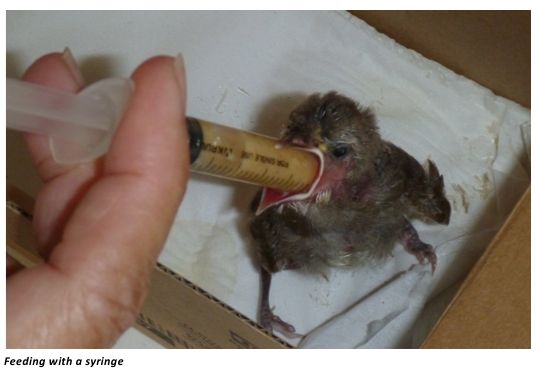
Using the right tools makes feeding safer and more comfortable for the baby bird. A small syringe or a specialized feeding spoon works well for delivering food gently into their mouths. Avoid sharp or large instruments that can injure the delicate beak and throat.
I once tried feeding a baby bird with a regular spoon, and it was a disaster—the bird struggled, and I worried about choking hazards. Switching to a small eye-dropper made the process smoother and less stressful for both of us. You can also warm the food slightly to mimic the temperature they expect from their parents.
Mimicking Natural Feeding
Parent birds don’t just drop food into their babies’ mouths; they stimulate their begging behavior by gently touching their beaks. You can replicate this by softly tapping or stroking the baby’s beak before offering food. This encourages the bird to open wide and accept the meal more willingly.
Have you noticed how some birds tilt their heads back and open their mouths wide when hungry? I learned that copying this natural feeding rhythm helps the baby feel secure and less stressed. It’s not just about nutrition; it’s about creating a feeding experience that feels familiar to them.
Signs Of Healthy Growth
Knowing the signs of healthy growth in baby birds helps you ensure they are thriving on the diet you provide. It’s not just about feeding them but also observing how they respond and develop over time. Healthy growth shows in clear, measurable ways that you can track easily.
Weight Gain Benchmarks
Regular weighing of baby birds reveals if they are gaining weight steadily. Most species have typical weight gain rates, and you can find these benchmarks online or in bird care guides. If your bird’s weight stays the same or drops, it’s a warning to adjust their feeding or check for health issues.
Use a small digital scale to weigh the bird at the same time each day. Write down the numbers to spot trends. A healthy baby bird usually gains a few grams daily, depending on its species and age.
Feather Development
Feathers tell a clear story about a baby bird’s health. Look for smooth, growing pin feathers that are emerging evenly all over the body. Patchy or slow feather growth often means the bird isn’t getting enough nutrients.
Keep an eye on the color and condition of feathers too. Bright, clean feathers suggest good nutrition and care, while dull or broken ones might indicate stress or illness.
Behavioral Indicators
Healthy baby birds are alert and active. They respond to sounds, open their eyes wide, and often chirp when hungry or comfortable. If your bird is lethargic, silent, or refuses to eat, it could be a sign of trouble.
Notice how your bird behaves during feeding times. A strong, eager response shows they are well and ready to grow. Have you observed any changes in your bird’s behavior that made you rethink their feeding schedule?
When To Seek Expert Help
Knowing when to seek expert help for baby birds is crucial. Some situations need professional care to give the bird the best chance to survive and grow. Understanding the signs and proper steps can make a big difference.
Injury Or Illness Signs
Look for wounds, bleeding, or broken wings. Birds that cannot stand or move properly need help. Watch for unusual breathing, lethargy, or lack of appetite. These are signs of illness that require expert attention.
Orphaned Bird Support
Young birds without parents may struggle to survive alone. If the bird is cold, quiet, or weak, it likely needs care. Experts can provide proper feeding and warmth. Avoid feeding the bird wrong food that can harm it.
Contacting Wildlife Rehabilitators
Wildlife rehabilitators have the skills to care for baby birds safely. Find a licensed rehabilitator nearby by searching online or calling local animal services. Transport the bird gently in a small box with air holes. Do not try to raise wild birds on your own.

Credit: m.youtube.com

Credit: www.youtube.com
Frequently Asked Questions
What Do Baby Birds Eat In The Wild?
Baby birds in the wild primarily eat insects, worms, and small bugs. Parents feed them soft, easily digestible food. This diet provides essential proteins and nutrients crucial for growth. As they grow, their diet may include seeds and fruits, depending on the species.
Can I Feed Baby Birds Human Food?
Feeding baby birds human food is not recommended. Human food lacks the necessary nutrients for birds. Some foods can be harmful or toxic. It’s best to provide them with appropriate bird food or consult a wildlife expert for guidance.
How Often Should Baby Birds Be Fed?
Baby birds need to be fed every 15-30 minutes from sunrise to sunset. Their rapid metabolism requires frequent feeding. As they mature, feeding intervals can be extended. Always ensure the food is suitable and at an appropriate temperature.
Is It Safe To Feed Baby Birds Milk?
No, milk is not safe for baby birds. Birds are lactose intolerant, and milk can cause digestive issues. Instead, provide a diet of insects or specialized bird food. Consult a wildlife expert for appropriate feeding options.
Conclusion
Feeding baby birds the right food helps them grow strong and healthy. Soft, small insects and worms work best for most species. Avoid giving bread or milk, as these can harm them. Always offer fresh food and clean water nearby.
Watch the birds carefully but do not disturb their nests. Helping baby birds is a kind and rewarding act. With patience and care, you can support their early life. Nature depends on us to protect and nourish its creatures. Every small effort makes a big difference.