
Have you ever wondered what birds in Maryland are busy hunting and feeding when the sun goes down? While many birds rest at night, some come alive under the cover of darkness.
Knowing which birds feed at night can change the way you experience your backyard or local park after sunset. If you’re curious about these mysterious night feeders and want to spot them yourself, this article will guide you through the fascinating world of Maryland’s nocturnal birds.
Keep reading to discover who’s out there and what they’re eating when most of us are fast asleep.

Credit: www.birdwatchingdaily.com
Nocturnal Birds In Maryland
Maryland’s night sky holds more than just stars and silence. It comes alive with birds that prefer to feed when most creatures rest. These nocturnal birds have unique habits and diets that might surprise you.
Have you ever wondered which birds are active after dark in Maryland? Knowing these species can change how you experience nature walks or backyard bird watching at night.
Nocturnal Owls: The Silent Hunters
Owls dominate Maryland’s night scene. Their sharp vision and silent flight make them excellent hunters in low light.
- Barred Owl:Common in wooded areas, it feeds on small mammals, insects, and even other birds.
- Eastern Screech-Owl:Small but fierce, this owl often hunts near suburban homes, feeding on insects and small rodents.
- Great Horned Owl:Known for its deep hoots, it preys on rabbits, squirrels, and larger birds.
Spotting these owls can be tricky, but listening for their calls at night can guide you right to them.
Nighthawks And Nightjars: Masters Of The Twilight
Nighthawks and nightjars often feed during dusk and dawn, but their activity extends well into the night. Their wide mouths help them catch flying insects mid-air.
- Common Nighthawk:You might see it swooping over open fields or roads, snapping up moths and beetles.
- Chuck-will’s-widow:More elusive, it feeds silently on large moths and cicadas.
Try standing outside after sunset; you may catch their erratic flight patterns and churring calls.
Bats And Birds: Who Owns The Night Sky?
You might think bats have the night all to themselves, but many birds share this time for feeding. While bats catch insects using echolocation, nocturnal birds rely on sharp eyesight and stealth.
Have you noticed how these birds’ feeding habits differ from daytime feeders? Their adaptations help them thrive in the dark, balancing the ecosystem in Maryland’s nights.
Owls: Silent Hunters
Owls are fascinating creatures that dominate the Maryland night skies with their stealth and precision. Known as silent hunters, these birds use their incredible senses and flight skills to catch prey in total darkness. Understanding their habits can change how you perceive the nighttime world around you.
Barn Owl
The Barn Owl is easy to recognize by its heart-shaped face and ghostly white feathers. It hunts mainly small mammals like mice and voles, using its sharp hearing to locate prey under leaves or snow. Have you ever noticed how quiet a Barn Owl’s flight is? Their feathers are specially designed to muffle sound, making their approach almost invisible.
Great Horned Owl
Great Horned Owls are larger and more powerful, often called the “tiger of the night.” They can take down bigger prey, including rabbits and even other birds. Their deep hoots echo through Maryland’s forests, marking their territory as they silently search for food. Imagine hearing that call while you’re out on a night walk—does it make the woods feel more alive or eerie to you?
Eastern Screech Owl
Despite its name, the Eastern Screech Owl often produces a soft, trilling sound rather than a scream. It’s a small but fierce hunter that adapts well to suburban areas, feeding on insects, small mammals, and birds. Spotting one can be tricky since they blend perfectly with tree bark. Have you ever tried listening carefully for their trills during a quiet night? It might surprise you how close these tiny hunters are.
Nightjars And Nighthawks
Nightjars and nighthawks are mysterious birds active during the night. They feed on flying insects and have unique hunting methods. Their silent flight helps them catch prey in the dark. Maryland is home to a few species that thrive after sunset.
Common Nighthawk
The Common Nighthawk is easy to spot at dusk. It has long wings and a sharp, pointed beak. It catches moths, beetles, and mosquitoes mid-air. Its call sounds like a sharp “peent” echoing through the night.
This bird nests on rooftops or bare ground. It blends well with its surroundings. It stays active mainly at dawn and dusk but hunts through the night too.
Chuck-will’s-widow
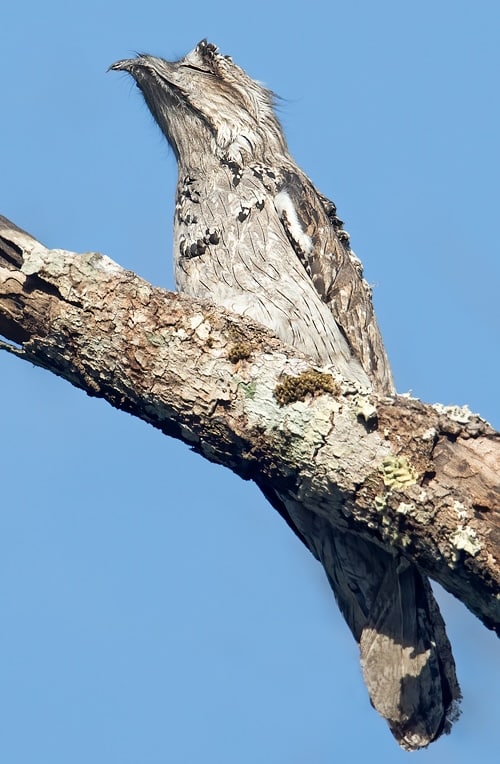
The Chuck-will’s-widow is larger and more secretive. It waits quietly on tree branches to ambush insects. Its wide mouth opens wide to scoop up flying bugs.
This bird is hard to see but easy to hear. Its call is a rhythmic “chuck-will’s-widow” sound. It mainly feeds on moths and beetles during the night.

Credit: www.birdwatchingdaily.com
Other Night Feeders
Maryland hosts several birds that are active at night, feeding in darkness. These birds have special habits and skills to find food after sunset. They add to the rich nighttime wildlife found in the state. The next birds are less known but very interesting night feeders.
Whip-poor-will
The Whip-poor-will is a small, camouflaged bird. It hunts flying insects during the night. Its large eyes help it see well in low light. The bird sits still and waits for prey to pass by. Its soft, repetitive call is common in Maryland woods after dark.
This bird’s feeding style is quick and silent. It catches moths, beetles, and other insects mid-air. The Whip-poor-will plays a key role in controlling insect populations at night.
Night Herons
Night Herons are medium-sized wading birds. They feed near water after dusk, hunting fish and small amphibians. Their large, sharp beaks are perfect for catching slippery prey. Night Herons often hunt alone or in small groups.
These birds use stealth and patience. They stand still in shallow water and strike quickly. Their quiet presence makes them excellent night feeders along Maryland’s rivers and wetlands.
Feeding Habits At Night
Many birds in Maryland change their feeding habits at night. Nighttime offers a unique environment that shapes what and how these birds eat. Darkness brings out different food sources and challenges. Birds adapt their feeding habits to survive and thrive during night hours.
Diet Preferences
Night-feeding birds in Maryland often prefer insects and small animals. Moths, beetles, and crickets are common choices. Some birds eat fruits and seeds that are easier to find at night. Owls mainly hunt small mammals like mice and voles. Their diet depends on what is active during the night.
Hunting Techniques
Night birds use special skills to catch food in the dark. Owls rely on sharp hearing and excellent night vision. They silently fly to surprise their prey. Some birds use perches to spot movement below. Others catch insects mid-air with quick, agile flights. These techniques help them find food safely in low light.
Where To Spot Maryland’s Night Feeders
Maryland hosts a variety of birds that feed at night. Spotting these night feeders offers a unique chance to observe nature’s quieter moments. The right place and time can make all the difference. Many night-feeding birds prefer specific habitats that suit their hunting or foraging habits. Knowing where to find these birds helps both beginners and seasoned bird watchers enjoy their activity.
Best Locations
- Woodlands and forest edges attract owls and nightjars.
- Marshes and wetlands draw in herons and bitterns hunting for fish.
- Suburban areas with large trees can host night-feeding songbirds and nighthawks.
- Parks with open fields near water provide good spots for nocturnal birds.
- Farm fields often have owls searching for rodents after dark.
Optimal Times
- Just after sunset is prime for many night feeders starting their hunt.
- Before dawn, some birds return to roost with their catch.
- Cloudy or moonlit nights improve visibility for both birds and watchers.
- Spring and fall migration seasons bring more night feeders through Maryland.
- Warm summer nights often see increased activity among insect-eating birds.
Conservation And Protection
Conserving nocturnal birds in Maryland is essential for maintaining the balance of local ecosystems. These birds play unique roles, such as controlling insect populations and dispersing seeds at night. Protecting them requires understanding the challenges they face and knowing how you can make a difference.
Threats To Nocturnal Birds
Nocturnal birds in Maryland face several dangers that threaten their survival. Light pollution from cities confuses their natural navigation, making it harder to find food or mates. Habitat loss due to urban development reduces the places where these birds can live and hunt safely.
Collisions with buildings and vehicles are common at night when birds are less visible. Pesticides used in agriculture and gardens can poison their prey, indirectly harming the birds themselves. Have you ever wondered how your neighborhood’s lighting affects the wildlife around you?
How To Help
You can take simple actions to protect nocturnal birds right where you live. Try turning off unnecessary outdoor lights after dark or use motion-sensor lighting to reduce light pollution. Plant native trees and shrubs to provide shelter and food sources for these birds.
Consider avoiding pesticides and opting for natural pest control methods instead. If you find an injured bird, contact local wildlife rehabilitation centers rather than trying to care for it yourself. Small changes in your daily routine can create a safer environment for Maryland’s night-feeders.
Credit: fatbirder.com
Frequently Asked Questions
What Birds In Maryland Are Active At Night?
In Maryland, several bird species are nocturnal and feed at night. Owls, nighthawks, and night herons are common examples. These birds have adapted to hunting in low light conditions. Their keen senses allow them to thrive in the dark, seeking out insects, small mammals, and fish.
Why Do Some Birds Feed At Night In Maryland?
Birds feed at night in Maryland to avoid daytime predators and competition. Nocturnal birds have developed specialized hunting techniques and senses. These adaptations help them catch prey efficiently in the dark. Feeding at night also helps them exploit food resources unavailable during the day.
How Do Nocturnal Birds Find Food In The Dark?
Nocturnal birds use their heightened senses to locate food in the dark. They have excellent night vision and acute hearing. These adaptations help them detect prey movements and sounds. Some birds, like owls, have silent flight, allowing them to approach prey undetected.
Are All Owls In Maryland Nocturnal Feeders?
Most owls in Maryland are nocturnal feeders, but not all species. The great horned owl and eastern screech owl are primarily nocturnal. However, some owls, like the snowy owl, may be active during the day. Their feeding habits can vary based on food availability and environmental conditions.
Conclusion
Maryland’s night-feeding birds show unique habits and diet. Owls, nighthawks, and some bats hunt after dark. They help control insects and small animals. Watching them can teach us about nature’s balance. Keep an eye outside during twilight hours. You might spot these special birds in action.
Nighttime brings a different kind of wildlife activity. Enjoy the quiet world of Maryland’s night birds.