
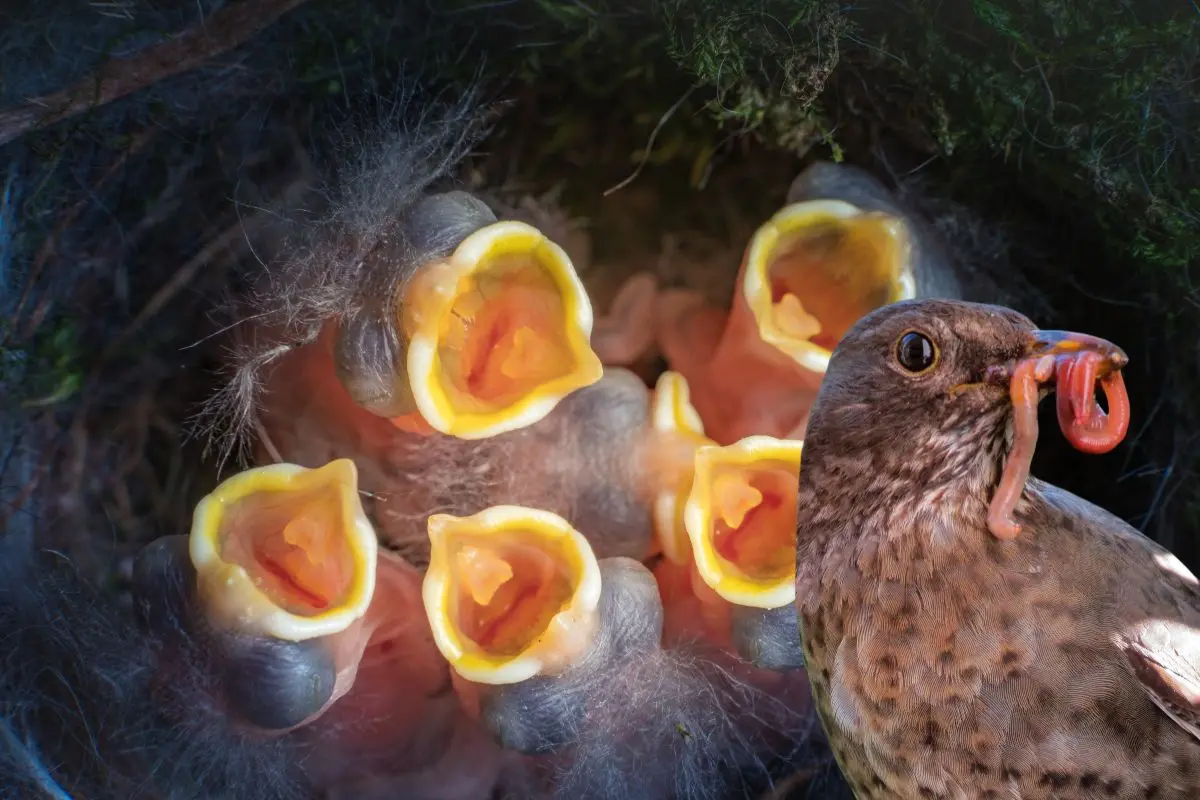
Have you ever found a baby bird in a nest and wondered, “What can I feed it to help it grow strong?” It’s natural to want to lend a hand, but feeding baby birds isn’t as simple as it sounds.
Giving the wrong food can do more harm than good. You’ll discover easy, safe, and effective ways to nourish these tiny creatures so they thrive. Keep reading, because knowing exactly what to feed baby birds can make all the difference between life and danger for them.
Identifying Baby Bird Species
Identifying the species of baby birds in a nest is crucial before feeding them. Different birds need different care and food. Observing their size, color, and feather patterns helps to tell species apart. Noting the parents’ appearance also gives clues. Proper identification ensures the baby birds get the right nutrition and care.
Common Nesting Birds
- American Robin – Known for orange-red breast and gray wings.
- House Sparrow – Small, brown with streaked backs.
- Blue Jay – Bright blue feathers with white and black markings.
- Mourning Dove – Soft gray with a slender body shape.
- Chickadee – Tiny birds with black caps and white cheeks.
Feeding Needs By Species
| Bird Species | Preferred Food | Feeding Tips |
|---|---|---|
| American Robin | Worms, small insects, berries | Feed small, soft worms; avoid too many berries. |
| House Sparrow | Seeds, insects, bread crumbs | Mix seeds with small insects; avoid bread alone. |
| Blue Jay | Peanuts, insects, fruits | Offer chopped peanuts and soft fruits. |
| Mourning Dove | Seeds, grains | Provide small seeds; avoid wet food that molds quickly. |
| Chickadee | Insects, seeds, suet | Feed insects and suet pieces for protein. |

Credit: swibirds.org
Natural Diet Of Nestlings
Baby birds in nests depend on a specific diet to grow strong and healthy. Their natural food is rich in nutrients and easy to digest. Understanding this diet helps provide the right care for nestlings. Nature mainly supplies insects, worms, fruits, and seeds to meet their needs.
Insects And Worms
Insects and worms form the core of most baby birds’ diets. These foods are high in protein, crucial for muscle and feather development. Parent birds catch small insects like caterpillars, beetles, and flies. They also gather earthworms to feed their young.
These protein-rich foods help nestlings grow fast. Soft-bodied insects and worms are easier for baby birds to swallow and digest. They also contain essential fats and minerals for energy and bone health.
Fruits And Seeds
Fruits and seeds complement the diet of some nestling species. Soft fruits like berries provide vitamins and natural sugars. These sugars give quick energy for active, growing birds.
Seeds offer nutrients like fats and carbohydrates. Parent birds often soften seeds before feeding. This makes it easier for nestlings to eat and absorb nutrients.
Some baby birds eat more fruits and seeds than insects. It depends on the species and the environment. Parents choose food based on what is available and best for their young.
Safe Foods For Baby Birds
Feeding baby birds requires careful choices to keep them healthy and strong. Safe foods provide the right nutrients for growth and energy. These foods support their developing bodies and help them learn to eat on their own. Knowing what to offer ensures baby birds get what they need without harm.
Protein-rich Options
Protein helps baby birds build muscles and feathers. Good protein sources include:
- Mealworms, either live or dried
- Boiled eggs, finely chopped
- Small insects like crickets
- Plain cooked chicken, shredded
Avoid giving processed meats or salty foods. Proteins must be soft and easy to swallow.
Fruits And Vegetables
Fruits and vegetables add vitamins and minerals. Choose fresh and soft options such as:
- Mashed bananas
- Soft berries like blueberries
- Grated carrots
- Cooked peas or sweet potatoes
Cut foods into tiny pieces. Avoid citrus fruits, as they can upset baby birds’ stomachs.
Hydration Tips
Baby birds need water but cannot drink like adult birds. Use these tips:
- Offer water with a dropper or syringe
- Mix water with soft foods for extra moisture
- Do not force-feed water directly into their throat
- Keep the nest dry to avoid illness

Credit: m.youtube.com
Foods To Avoid
Feeding baby birds requires care and attention. Not all foods are safe for them. Some can harm or even kill nestlings. Knowing which foods to avoid is important for their health. Here are key categories of foods to skip when feeding baby birds.
Toxic Foods
Certain foods contain poisons that can hurt baby birds. Avoid these completely:
- Chocolate – contains theobromine, toxic to birds
- Avocado – has persin, harmful to many birds
- Onions and garlic – can cause digestive problems
- Raw beans – contain harmful substances that affect digestion
- Caffeine – found in coffee and tea, dangerous to birds
Choking Hazards
Baby birds have small throats. Large or hard foods can block airways. Avoid these foods to prevent choking:
- Whole nuts or seeds without softening
- Large chunks of fruits or vegetables
- Hard bread crusts or dry cereal pieces
Human Processed Foods
Processed foods often contain salt, sugar, and additives. These are harmful to baby birds. Do not feed:
- Chips, crackers, and salty snacks
- Sweets, candies, and chocolate bars
- Processed meats like sausage or deli slices
- Fast food items with preservatives
How To Feed Baby Birds
Feeding baby birds in a nest requires patience and care. You need to mimic what parent birds do naturally. Understanding how to feed them properly can increase their chances of survival and growth.
Feeding Techniques
Hold the baby bird gently but securely. Use a small pair of tweezers or your fingers to offer tiny bits of food. Make sure the food is soft and easy to swallow, like soaked dog kibble or finely chopped insects.
Offer the food directly into the bird’s open beak. Don’t force the food if the bird is not ready—it might cause choking. Watch the bird’s movements and respond slowly to avoid stressing it.
Frequency And Quantity
Baby birds need frequent meals, often every 15 to 20 minutes during daylight hours. Younger chicks eat more often, while older ones can handle longer gaps. Keep the feeding sessions short but consistent to mimic natural feeding patterns.
Start with small amounts of food to avoid overfeeding. Too much at once can cause digestive problems. Observe how much the bird swallows and adjust the quantity accordingly.
Using Feeding Tools
Using tools like soft-tipped tweezers, syringe without a needle, or small spoons can help you feed baby birds safely. These tools allow precise control and reduce the risk of injury to the delicate chick.
Sanitize your tools before every feeding to prevent infections. If you’re using a syringe, avoid squirting food forcefully. Instead, gently drip the food into the bird’s mouth.
Have you noticed how patient and gentle you need to be? Feeding baby birds is not just about nutrition but also about building trust and ensuring safety.

Credit: www.discovermagazine.com
When To Seek Help
Knowing when to seek help for baby birds in a nest is very important. Sometimes, feeding alone is not enough. Birds can face serious health issues that need expert care. Recognizing the signs and contacting the right people can save their lives.
Signs Of Malnutrition
- Weak or limp body
- Slow or no movement
- Thin appearance with visible bones
- Closed or swollen eyes
- Crying or begging sounds that are very faint
- Feathers that look dull or missing
These signs show the baby bird is not getting enough food or nutrients. Immediate action is needed to avoid serious harm.
Contacting Wildlife Experts
Wildlife experts have the skills to care for baby birds properly. They know how to feed and treat them safely. You can find local animal rescue centers or wildlife rehabilitators by searching online or calling animal control.
Do not try to raise the birds alone if they look sick or weak. Experts can provide the best chance for survival and eventual release back to nature.
Frequently Asked Questions
What Do Baby Birds Eat In The Wild?
In the wild, baby birds primarily eat insects and worms. These provide essential proteins and nutrients for growth. Parent birds often regurgitate food for easier digestion. Occasionally, they might also consume small fruits or seeds, depending on species. It’s crucial for their diet to mimic natural food sources for healthy development.
Can I Feed Baby Birds Bread?
Feeding baby birds bread is not recommended. Bread lacks essential nutrients and can lead to malnutrition. It can also cause digestive issues in young birds. Instead, provide a diet similar to their natural one, like insects or special bird food.
Always prioritize their nutritional needs for proper growth.
Is It Safe To Feed Baby Birds Milk?
Baby birds should not be given milk. Birds cannot digest lactose, leading to digestive problems. Instead, feed them soft, water-soaked food or specialized bird formula. Their natural diet primarily consists of insects and worms. Providing appropriate food ensures they get the necessary nutrients for healthy growth.
How Often Should I Feed Baby Birds?
Baby birds typically need feeding every 15 to 30 minutes. This frequent feeding schedule is crucial for their growth and energy. As they grow older, the intervals may increase. Always ensure the food is appropriate and resembles their natural diet.
Observing their behavior helps determine if they’re getting enough food.
Conclusion
Feeding baby birds needs care and gentle hands. Give them soft, easy-to-digest foods like soaked dog food or mealworms. Avoid bread or milk, as these can harm them. Always watch from a distance to keep them safe. Helping baby birds grow strong is a kind act.
Small efforts make a big difference in their lives. Stay patient and gentle with these tiny creatures. Nature teaches us to care in simple ways. Feeding baby birds can feel rewarding and special.