
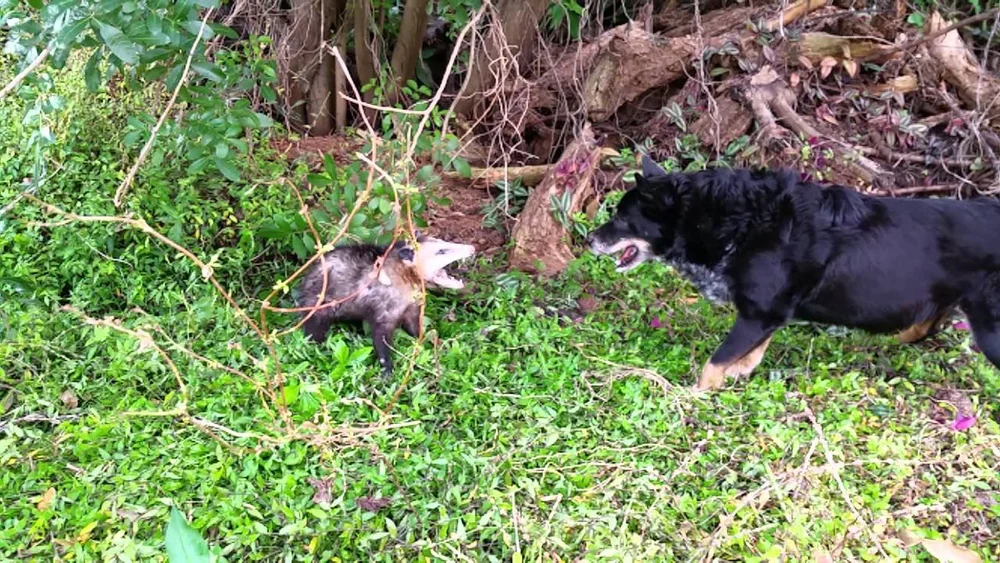
Have you ever wondered if the bird feed scattered in your yard could be dangerous for your dog? If your furry friend loves sniffing around bird feeders, it’s important to know what risks might be involved.
You want to keep your dog safe, but you might not be sure if bird feed poses a hidden threat. You’ll discover the truth about bird feed and dogs—what’s safe, what’s not, and how to protect your pet from potential harm.
Keep reading to find out everything you need to know to keep your dog healthy and happy.
Types Of Bird Feed
Bird feed comes in many varieties, each designed to attract different types of birds. Understanding the types of bird feed is crucial, especially if you have curious pets like dogs at home. Knowing what’s inside these feeds can help you decide if they’re safe or potentially harmful for your furry friends.
Common Ingredients
Bird feed often contains a mix of seeds, nuts, grains, and sometimes dried fruits. Sunflower seeds and millet are among the most popular ingredients because birds love them. Some mixes also include cracked corn or safflower seeds to attract specific bird species.
Occasionally, bird feed includes additives like vitamins or preservatives to keep the food fresh. You might find ingredients like peanut pieces, which are tasty for birds but can be risky for dogs if consumed in large amounts. It’s important to check the label to see exactly what’s in the bird feed around your home.
Nutritional Value
Bird feed is formulated to meet the dietary needs of birds, not dogs. It usually offers high fat and protein content, which is good for birds but might upset your dog’s stomach or lead to weight gain. Some feeds have added sugars or salt, which can be harmful to dogs.
Have you ever noticed your dog sneaking a bite of birdseed? It might seem harmless, but the nutritional imbalance can cause digestive issues. Keeping your dog away from bird feed is a smart move to avoid unnecessary health problems.
Potential Risks To Dogs
Bird feed may seem harmless, but it can pose risks to dogs. Dogs might eat it out of curiosity or boredom. Some ingredients in bird feed can be dangerous to their health. Understanding these risks helps keep dogs safe and healthy.
Toxic Ingredients
Some bird feeds contain seeds treated with pesticides or chemicals. These substances can be toxic to dogs. Moldy or spoiled seeds can cause poisoning or stomach upset. Chocolate-covered or flavored seeds are especially harmful. Dogs should avoid bird feed to prevent exposure to toxins.
Choking Hazards
Bird seeds vary in size and shape. Small seeds can get stuck in a dog’s throat. Large, hard seeds may be difficult to chew. This can lead to choking or blockages. Dogs that swallow food too fast are at higher risk. Monitor dogs closely around bird feed to avoid accidents.
Allergic Reactions
Some dogs have allergies to certain seeds or grains. Bird feed often contains a mix of these ingredients. Allergic reactions can cause itching, swelling, or digestive issues. Severe allergies might lead to difficulty breathing. Knowing a dog’s allergies helps prevent harmful reactions from bird feed.
Symptoms Of Bird Feed Poisoning
Recognizing the symptoms of bird feed poisoning in dogs is crucial for any pet owner. Bird feed often contains ingredients that can upset your dog’s health, sometimes severely. Being aware of these signs can help you act quickly and protect your furry friend from lasting harm.
Digestive Issues
One of the first signs your dog may show after eating bird feed is digestive trouble. You might notice vomiting, diarrhea, or excessive drooling. These symptoms often appear within a few hours and indicate your dog’s stomach is reacting negatively to something it shouldn’t have eaten.
If your dog starts refusing food or seems uncomfortable, these could also be red flags. Have you ever seen your dog suddenly lose interest in their favorite treat? That’s often a clear sign something is wrong inside.
Neurological Signs
Bird feed sometimes contains toxins that affect the nervous system. Watch for symptoms like unsteady walking, tremors, or seizures. These neurological signs are serious and require immediate veterinary attention.
Does your dog seem confused or disoriented after being near bird feed? Such changes in coordination or responsiveness can signal poisoning. Don’t wait to get help if you see these signs.
Behavioral Changes
Behavioral shifts may be subtle but important. Your dog might become unusually lethargic or irritable. They may hide or avoid interaction, which is unusual if they’re normally active and social.
Have you noticed your dog acting differently after being around bird feeders? Sudden changes in behavior can be your pet’s way of showing distress. Pay attention to mood swings or unusual quietness as they could indicate internal discomfort.
Credit: wefeedraw.com
Preventing Exposure
Keeping your dog safe from bird feed starts with preventing their exposure. Many bird feeds contain ingredients that might upset your dog’s stomach or cause more serious health problems. Taking simple precautions can protect your furry friend while still allowing you to enjoy watching birds in your yard.
Safe Feeding Practices
Place bird feeders in locations that are hard for your dog to reach. Hanging feeders high on poles or from tree branches can limit your dog’s access. Avoid putting birdseed directly on the ground, where your dog might be tempted to sniff or eat it.
Think about the type of bird feed you use. Some mixes contain nuts, dried fruit, or other ingredients that can be harmful. Use plain seeds like sunflower seeds or safflower, which are less likely to cause issues if your dog gets a taste.
Storage Tips
Store bird feed in sealed containers out of your dog’s reach. Plastic bins with tight-fitting lids work well to keep the feed fresh and secure. This also prevents accidental spills that your dog might find on the floor.
Keep containers in a cool, dry place to avoid mold growth, which can be toxic to pets. Have you checked your storage spot lately? Even small spills can attract curious noses.
Supervising Pets Outdoors
Always watch your dog when they are outside near bird feeders. Dogs can be quick and sneaky when they find something interesting on the ground. Your presence helps stop them before they eat something they shouldn’t.
Use commands your dog knows to redirect their attention if they start going near the bird feed. This simple step can prevent a health scare and keeps your dog safe without ruining their outdoor fun. Have you noticed how much dogs learn from gentle guidance?
What To Do If Your Dog Eats Bird Feed
Finding your dog munching on bird feed can be alarming. Bird feed often contains ingredients that aren’t suitable for dogs and might cause digestive upset or worse. Knowing exactly what to do immediately after your dog eats bird feed can make a big difference in their health and comfort.
Immediate Actions
First, remove any remaining bird feed from your dog’s reach to prevent further eating. Check the type of bird feed your dog ate—some mixes contain nuts, dried fruits, or additives that can be harmful. If your dog seems fine, watch for symptoms like vomiting, diarrhea, or unusual behavior over the next few hours.
Try to keep your dog calm and avoid giving any human food or treats that might irritate their stomach further. You can offer fresh water to help dilute any toxins or irritants, but don’t force your dog to drink.
When To Contact A Vet
Contact your vet immediately if your dog shows signs of distress such as persistent vomiting, diarrhea, weakness, or difficulty breathing. Some bird feeds contain ingredients like raisins or certain nuts that are toxic to dogs even in small amounts.
If your dog has a history of food allergies or digestive problems, don’t hesitate to call your vet for advice even if symptoms seem mild. It’s better to be cautious—vets can provide specific guidance based on the type of bird feed ingested and your dog’s health.
Treatment Options
Treatment depends on the severity of symptoms and what exactly your dog ate. Mild cases may only require monitoring and supportive care like hydration and rest at home.
More serious cases might need veterinary intervention such as induced vomiting, activated charcoal to absorb toxins, or intravenous fluids to prevent dehydration. Your vet might also prescribe medications to ease nausea or protect the stomach lining.
Have you ever caught your dog eating something they shouldn’t? Keeping a close eye and acting fast can save your furry friend from unnecessary discomfort or danger.
Credit: www.chewy.com
Safe Alternatives For Dogs
Keeping dogs safe means choosing treats that suit their health needs. Bird feed can harm dogs due to ingredients or bacteria. Finding safe alternatives helps protect your pet and keeps them happy.
Healthy snacks support dogs’ energy and well-being. Simple, natural treats avoid risks found in bird feed. Many dog-friendly options are easy to find or make at home.
Dog-friendly Treats
- Carrot sticks: Crunchy and low-calorie, good for teeth.
- Apple slices: Remove seeds, give a sweet, juicy snack.
- Plain cooked chicken: Protein-rich and easy to digest.
- Blueberries: Full of antioxidants and vitamins.
- Peanut butter: Use natural, without xylitol or sugar.
Homemade Snack Ideas
Making treats at home lets you control ingredients. Avoid harmful additives and preservatives found in some store snacks.
- Boiled sweet potatoes: Cut into small cubes, a tasty treat.
- Oatmeal biscuits: Mix oats, pumpkin, and egg, then bake.
- Frozen yogurt drops: Use plain yogurt, freeze in small portions.
- Rice and carrot balls: Cook rice, mix with grated carrot, shape small balls.
- Cucumber slices: Refreshing and hydrating for warm days.
Conclusion: Protecting Your Dog
Protecting your dog from potential harm caused by bird feed is essential. Dogs may be curious and try to eat bird seed or feeders. Some bird feeds contain ingredients that can upset your dog’s stomach or cause other health problems.
Understanding the risks and taking simple steps can keep your dog safe. Awareness and prevention help avoid emergencies and costly vet visits. Your dog’s health depends on careful monitoring and clear boundaries around bird feeding areas.
Recognizing Harmful Ingredients In Bird Feed
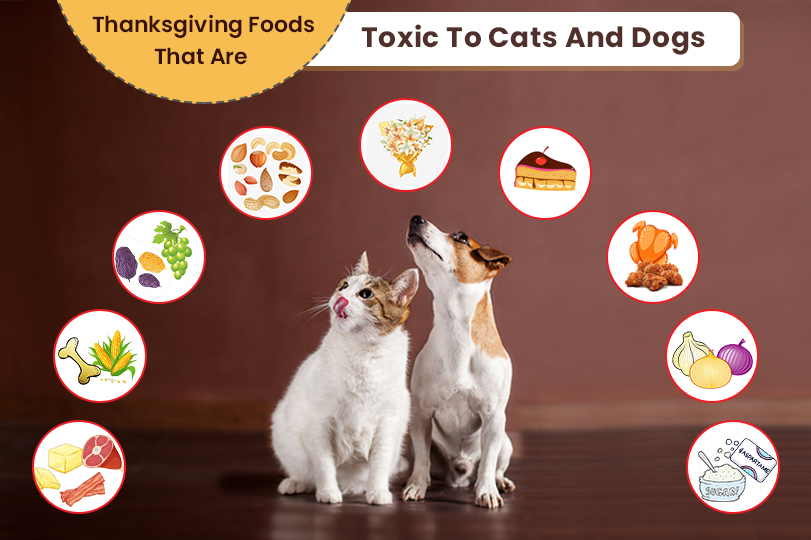
Some bird feeds have seeds or nuts that dogs should not eat. Ingredients like moldy seeds, raisins, or certain nuts can be toxic. Avoid letting your dog consume anything from bird feeders.
Safe Storage And Placement Of Bird Feed
Keep bird feed in sealed containers and out of your dog’s reach. Place feeders in areas where your dog cannot jump or reach. This prevents accidental ingestion and protects both birds and pets.
Training Your Dog To Avoid Bird Feed
Teach your dog commands like “leave it” or “stay” near bird feeders. Reward good behavior to reinforce staying away from bird feed. Consistent training helps your dog understand boundaries clearly.
Monitoring Your Dog’s Behavior Around Bird Feed
Watch your dog closely when outside near bird feeders. Look for signs of eating bird feed or unusual behavior. Early detection allows quick action and prevents health issues.
Consulting A Veterinarian For Safety Tips
Ask your vet about specific risks related to bird feed and your dog. Get advice on what to do if your dog eats bird feed accidentally. Professional guidance ensures your dog stays healthy and safe.
Credit: www.canadapetcare.com
Frequently Asked Questions
Can Dogs Eat Bird Feed Safely?
Bird feed is not safe for dogs. It can cause digestive issues or allergic reactions. Some seeds may be toxic. Always keep bird feed out of your dog’s reach to prevent accidental ingestion.
What Happens If A Dog Eats Bird Feed?
If a dog eats bird feed, it may experience vomiting, diarrhea, or stomach discomfort. Some seeds can be toxic. Monitor your pet for any adverse reactions and consult your vet if symptoms persist.
Why Is Bird Feed Bad For Dogs?
Bird feed contains seeds and ingredients that are hard for dogs to digest. It may lead to gastrointestinal issues. Additionally, certain seeds can be toxic, posing health risks for dogs.
How To Prevent Dogs From Eating Bird Feed?
To prevent dogs from eating bird feed, place feeders out of their reach. Regularly clean up any spilled seeds. Supervise your dog while outside to ensure it doesn’t access bird feed.
Conclusion
Bird feed can cause health problems for dogs. Many bird seeds contain ingredients harmful to pets. Eating bird feed may lead to choking or upset stomach. Always keep bird feed out of your dog’s reach. Choose safe treats made specifically for dogs instead.
Watching your dog closely helps avoid accidents. Protect your pet by understanding what is safe to eat. Keeping them healthy is the best choice. Your dog’s safety depends on careful feeding habits. Simple steps prevent big health issues. Stay alert and keep your dog safe.