
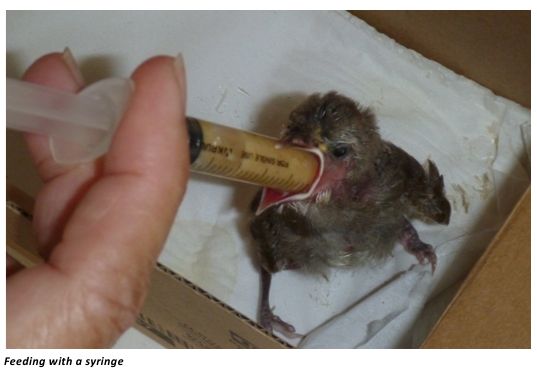
Finding a baby bird that has just been taken from its mother can be heartbreaking. You want to help, but you might feel unsure about what to do next.
Hand feeding a baby bird is delicate work, and doing it the right way can make all the difference in its survival. If you want to learn how to care for this fragile little life and give it the best chance to thrive, keep reading.
This guide will walk you through simple, clear steps to hand feed a baby bird safely and confidently. Your care can save a life—let’s make sure you do it right.
Recognizing Baby Bird Needs
Recognizing the needs of a baby bird just taken from its mother is crucial for its survival. Early care depends on understanding its condition and requirements. Observing carefully helps provide the right support and nutrition. Babies show clear signs when they need help or are in distress. Knowing how to assess age and species guides proper feeding and care.
Signs Of Distress
Baby birds in distress often make loud, continuous calls. They may open their mouths wide and repeatedly. Weak movements or trembling show they need urgent care. Closed eyes or lethargy can indicate serious problems. Look for signs like fluffing feathers or shivering. These signals mean the baby bird is cold or scared. Immediate attention and warmth are essential in these cases.
Assessing Age And Species
Identifying the baby bird’s age helps decide feeding frequency and food type. Very young birds have closed eyes and little feather growth. Older babies show more feathers and open eyes. Different species require different diets and care routines. Observe feather color, size, and beak shape to identify species. Use a field guide or online resource for help. Age and species knowledge prevents feeding errors and keeps the bird healthy.

Credit: www.reddit.com
Preparing Feeding Supplies
Preparing feeding supplies is the first step in hand feeding a baby bird taken from its mother. Proper preparation helps the bird get the nutrition it needs. It also keeps feeding safe and clean. Gathering the right food and tools is important. Cleanliness prevents infections and keeps the bird healthy.
Choosing The Right Food
Baby birds need special food for growth. Avoid giving adult bird food. Use formula made for baby birds or soft, easy-to-digest foods. Protein and vitamins are key. Soft fruits, soaked pellets, or commercial hand-rearing formulas work well. Avoid foods with seeds or hard pieces. Fresh food supports strong bones and feathers.
Selecting Feeding Tools
Pick tools that fit the baby bird’s size. Use small feeding syringes or spoons. Avoid sharp edges or large openings. Tools must deliver small, controlled amounts. This helps prevent choking. Soft rubber tips are gentle on the bird’s mouth. Clean and sterilize tools before use. Having the right tools makes feeding easier and safer.
Ensuring Cleanliness
Cleanliness stops germs from harming the baby bird. Wash hands before and after feeding. Sterilize all feeding tools with hot water or a mild disinfectant. Use fresh food for every feeding. Remove leftover food from tools after use. Clean the feeding area regularly. A clean environment helps the bird stay healthy and grow well.
Creating A Safe Environment
Creating a safe environment is the first and most crucial step when you hand feed a baby bird taken from its mother. This fragile stage demands careful attention to surroundings that support the bird’s health and growth. Your goal is to mimic the natural conditions as closely as possible to reduce stress and encourage proper development.
Temperature Control
Baby birds cannot regulate their body temperature well, so keeping them warm is essential. The ideal temperature usually ranges between 85°F and 95°F, depending on the species and age. Too cold, and the baby risks hypothermia; too hot, and it can become dehydrated quickly.
Use a heat lamp or a heating pad set on low, but always monitor the temperature with a reliable thermometer. Place the heat source on one side of the enclosure so the bird can move away if it gets too warm. Have you checked the temperature in the enclosure multiple times a day? Consistency is key.
Comfortable Housing
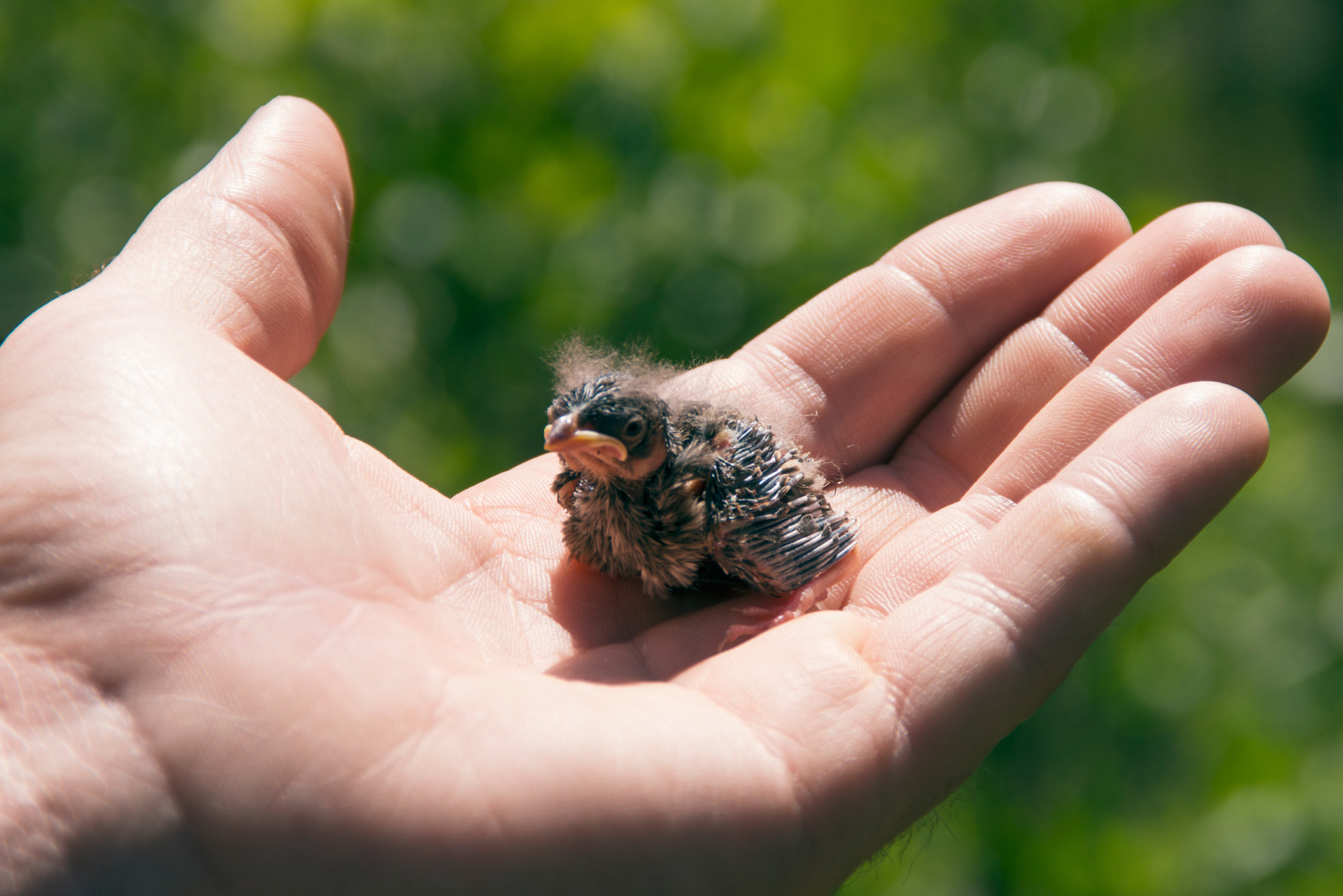
Choose a container that feels secure but isn’t too cramped. A small cardboard box lined with soft, clean cloth works well. Avoid materials that can snag tiny claws or feathers.
Keep the housing in a quiet area away from drafts, loud noises, and direct sunlight. Baby birds are easily startled, so a calm space helps them feel safe. How often do you check the cleanliness of the housing? Dirty environments can cause infections fast.
- Change bedding daily to prevent bacteria build-up.
- Ensure proper ventilation without exposing the bird to cold air.
- Keep the enclosure free from pets or children who might disturb the baby.
Credit: pethelpful.com
Feeding Techniques
Feeding a baby bird just taken from its mother requires gentle care and proper technique. The right feeding methods help the bird grow strong and healthy. Understanding the correct position, timing, and amount of food ensures the bird gets enough nutrition.
Proper feeding techniques prevent choking and stress. They also mimic natural feeding by the mother bird. This section explains key feeding steps to follow for best results.
Proper Feeding Position
Hold the baby bird gently but firmly. Keep its head upright and slightly tilted back. This position helps the bird swallow food safely.
Support the bird’s body with one hand. Use the other hand to offer food with a small spoon or syringe. Avoid forcing the bird’s beak open.
Keep the bird warm during feeding. Cold birds may refuse food or choke easily.
Feeding Frequency And Amount
Feed the baby bird every 2 to 3 hours during the day. Younger birds need more frequent feedings. Older birds can eat less often.
Offer small amounts of food each time. Overfeeding can cause health problems. Watch the bird’s crop to see if it is full but not too tight.
Adjust food quantity as the bird grows. Keep the bird’s weight steady and healthy.
Avoiding Common Feeding Mistakes
- Do not feed cold or spoiled food.
- Never force the bird to eat faster than it wants.
- Avoid feeding food too thick or chunky.
- Do not insert the feeding tool too deep into the throat.
- Prevent overfeeding to avoid crop infections.
- Keep the feeding area clean to stop germs.
Monitoring Baby Bird Health
Monitoring your baby bird’s health is essential after taking it from its mother. This stage requires your close attention to ensure the little one thrives under your care. Small changes in weight or behavior can be the first signs that something needs adjustment in feeding or environment.
Checking For Weight Gain
Weigh your baby bird daily using a small, precise scale. Consistent weight gain is a strong indicator of good health and proper feeding. If the baby bird’s weight stalls or drops, it may signal that the feeding technique or diet needs improvement.
Keep a simple log of the bird’s weight to spot trends easily. You can use a notebook or a phone app to track this data. Have you noticed how even a slight drop in weight can warn you early enough to act?
Observing Behavior Changes
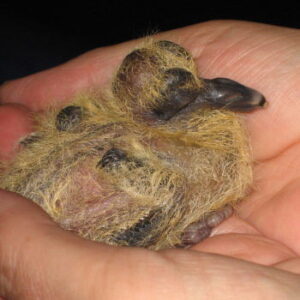
Watch your baby bird’s energy levels and responsiveness closely. Healthy birds are usually alert and active after feeding, while lethargy or constant sleeping might suggest distress or illness.
Notice how the baby bird reacts to your touch and surroundings. Changes like excessive crying, refusal to eat, or unusual posture can be red flags. How does your bird respond when you approach—does it seem curious or withdrawn?
Keeping a daily routine for feeding and observation helps you catch these subtle changes early. Your attentiveness can make a real difference in the baby bird’s recovery and growth.
Credit: irishwildlifematters.ie
When To Seek Professional Help
Knowing when to seek professional help can be the difference between life and death for a baby bird you’re hand feeding. Some situations require expertise beyond basic care, and recognizing these moments is crucial for the bird’s survival. Don’t hesitate to reach out if you feel out of your depth or notice worrying signs.
Signs Of Illness
Watch closely for any changes in the baby bird’s behavior or appearance. If the bird is lethargic, refusing to eat, or showing difficulty breathing, these are clear red flags.
Other signs include:
- Swollen eyes or unusual discharge
- Constant trembling or weakness
- Unusual droppings—either watery or very dry
- Feathers that are fluffed up for long periods
- Open-mouth breathing or persistent wheezing
Ignoring these symptoms can worsen the bird’s condition quickly. Have you ever noticed subtle changes that turned out to be serious? Trust your instincts and act fast.
Finding A Wildlife Rehabilitator
Connecting with a licensed wildlife rehabilitator is vital when a baby bird needs specialized care. These professionals understand the specific needs of wild birds and can provide medical treatment and proper nutrition.
To find a rehabilitator near you:
- Check local wildlife rescue centers or animal shelters
- Search online directories for licensed rehabilitators in your area
- Contact your local animal control or environmental agency
- Ask veterinarians for referrals
Remember, not everyone can care for wild birds legally or effectively. Have you prepared a list of emergency contacts before starting hand feeding? It’s always better to be ready.
Frequently Asked Questions
How Do You Hand Feed A Baby Bird?
To hand feed a baby bird, use a syringe or dropper for controlled feeding. Ensure the formula is at room temperature. Gently place drops on the side of the beak. Always monitor the bird’s swallowing to prevent choking. Feeding should be slow and patient.
What Is The Best Formula For Baby Birds?
The best formula for baby birds is a commercial hand-rearing formula. Choose one specifically designed for the bird species. It’s important to follow the manufacturer’s instructions for mixing. Ensure the mixture is smooth and lump-free. Check the temperature to avoid burns.
How Often Should I Feed A Baby Bird?
A baby bird requires feeding every 2-4 hours. The frequency depends on the bird’s age and species. Younger birds need more frequent feedings. Monitor the bird’s crop; it should be slightly full before the next feeding. Never overfeed.
What Precautions Should I Take When Feeding?
Ensure cleanliness by washing hands before and after feeding. Use sterilized feeding tools to prevent infections. Always check the formula’s temperature to avoid burns. Be gentle to avoid injuring the bird. Monitor the bird’s health and consult a vet if needed.
Conclusion
Hand feeding a baby bird takes patience and care. Always keep the feeding schedule steady. Use the right food and small amounts each time. Watch the bird’s response closely for signs of health. Keep the feeding area clean to avoid illness.
Remember, gentle handling helps the bird feel safe. This care supports the bird’s growth and strength. You can help the baby bird survive and thrive. Small steps make a big difference in its life. Stay calm, be consistent, and enjoy the process.