
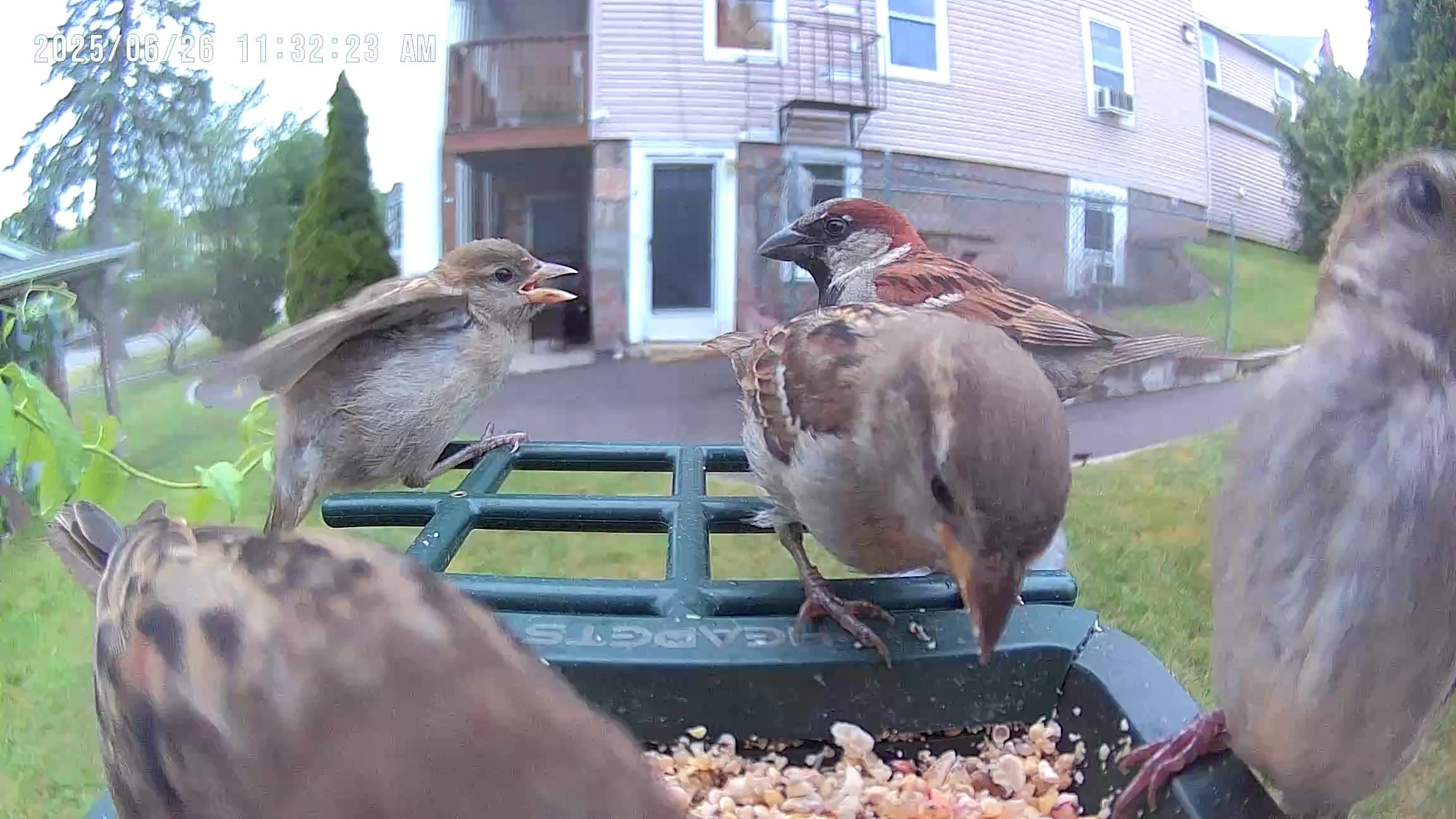
Have you noticed that your bird feeder, once full of lively visits, now sits eerily quiet? It’s frustrating when the cheerful chirps and colorful flashes stop showing up at your window.
You might wonder, “Why have birds stopped coming to my feeder? ” The answer isn’t always obvious, but understanding it can bring back those delightful moments you miss. Keep reading, and you’ll discover simple reasons and easy fixes that will have your feathered friends returning in no time.
Common Reasons Birds Avoid Feeders
Birds may stop visiting feeders for many reasons. Sometimes, small changes can make a big difference. Understanding these reasons helps bring birds back to your yard. Watch for common issues that may scare birds away or make food less appealing.
Changes In Food Quality
Birds prefer fresh, clean seeds. Old or moldy food can repel them quickly. Wet seeds clump and spoil fast. Keep feeders clean and refill often. Use seeds that local birds like.
Feeder Placement Issues
Placement affects bird visits a lot. Feeders too close to windows may cause collisions. Too exposed means birds feel unsafe. Place feeders near bushes or trees. Provide cover and easy escape routes.
Predator Presence
Predators like cats or hawks scare birds away. Birds avoid feeders with nearby threats. Watch for signs of predators. Remove or block their access near feeders.
Seasonal Migration Patterns
Birds move with seasons. Some species leave your area in winter or summer. Feeding habits change during migration. Expect fewer visitors during these times. Patience helps as birds return.
Environmental Disturbances
Loud noises or heavy foot traffic frighten birds. Construction or new pets can cause disruption. Keep feeders in quiet, calm spots. Minimize sudden changes around feeding areas.

Credit: www.reddit.com
Choosing The Right Feeder
Choosing the right feeder plays a big role in attracting birds to your yard. Birds have different preferences for feeders depending on their size, beak shape, and eating habits. A feeder that suits one bird species may not work for another. Picking a feeder that matches your local birds’ needs encourages them to visit often. The feeder’s material and design also impact its appeal and durability. Clean feeders keep birds healthy and willing to return regularly.
Types Of Feeders For Different Birds
Different birds prefer different feeder styles. Tube feeders attract small songbirds like finches and chickadees. Platform feeders are great for larger birds such as cardinals and jays. Suet feeders appeal to woodpeckers and nuthatches. Nectar feeders bring in hummingbirds and orioles. Choosing a feeder type that suits your target birds helps increase visits.
Material And Design Considerations
Feeders come in plastic, metal, and wood. Metal feeders last longer and resist squirrels better. Plastic feeders are lightweight but can crack in cold weather. Wood feeders look natural but need regular maintenance. Choose a design with easy access for birds and protection from rain. Bright colors attract some birds, while natural tones suit others. A feeder with proper drainage prevents seed mold.
Maintaining Feeder Cleanliness
Clean feeders prevent diseases and keep birds healthy. Wash feeders every two weeks with warm soapy water. Rinse well to remove all soap. Remove old or wet seed daily to avoid mold. Regular cleaning encourages birds to return and feed safely. Dirty feeders discourage visits and may spread illness.
Selecting Bird-friendly Food
Choosing the right food is key to attracting birds to your feeder. Birds have different tastes and needs. Providing bird-friendly food keeps them coming back. It also helps them stay healthy through changing seasons.
Popular Seeds And Their Attractiveness
Black oil sunflower seeds attract many bird species. They have thin shells, easy to crack. Nyjer seeds are favorite of finches and small birds. They offer high energy and oil content. Millet is good for ground feeders like sparrows. Mixed seed blends can attract a wider variety of birds.
Avoiding Moldy Or Spoiled Seeds
Moldy seeds can harm birds and scare them away. Always check for freshness before refilling feeders. Store seeds in dry, cool places to prevent spoilage. Clean feeders regularly to avoid seed buildup and mold growth. Fresh seeds encourage birds to return often.
Seasonal Food Preferences
Birds eat differently across seasons. In winter, high-fat seeds help birds stay warm. Summer calls for fresh fruits and nectar for some species. Spring and fall migrations increase demand for energy-rich food. Adjust your offerings to match seasonal bird needs.
Optimal Feeder Placement
Optimal feeder placement is key to attracting birds back to your feeder. Birds need a spot that feels safe and easy to reach. The right location helps them find food without stress. It also encourages frequent visits and longer stays.
Choosing the perfect place means thinking about predators, visibility, and nearby shelter. Each factor plays a big role in making birds comfortable and willing to feed.
Safe Distance From Predators
Birds avoid feeders near places where predators hide. Keep feeders away from bushes or trees where cats and other animals can wait. Open spaces work best to spot danger early. A clear view helps birds feel secure. Place feeders at least 10 feet from thick shrubs or fences.
Visibility And Accessibility
Birds need to see the feeder clearly. Place feeders where sunlight can reach them. Avoid dark or shadowy spots. Make sure birds can easily fly to and from the feeder without obstacles. Avoid areas with heavy foot traffic or loud noises. A visible and quiet spot invites more bird visits.
Shelter And Perching Spots Nearby
Birds like to rest near feeders. Trees and shrubs close by offer safe perching spots. These places help birds watch for danger and rest between feeding. Provide natural cover within 10 to 15 feet of the feeder. This balance of open space and shelter makes birds feel comfortable and safe.
Managing Predators And Pests
Managing predators and pests is a key part of keeping your bird feeder a safe and inviting spot. Birds quickly learn to avoid feeders if they feel threatened by squirrels, cats, or other predators lurking nearby. By taking simple steps to control these unwanted visitors, you can create a peaceful feeding area that encourages birds to return regularly.
Deterring Squirrels And Other Mammals
Squirrels are notorious for raiding bird feeders and scaring off birds. You can deter them by using squirrel-proof feeders or adding baffles—those dome-shaped guards that prevent squirrels from climbing down poles.
Another trick is to place feeders away from jumping-off points like trees or fences. This makes it harder for squirrels and other mammals to reach the food.
Have you noticed how squirrels become less persistent when you switch to feeders designed specifically to challenge their agility? It might be worth a try if you’ve been struggling with constant raids.
Keeping Cats And Larger Predators Away
Cats and larger predators cause birds to avoid feeders because they see them as threats. Keep your feeder at least 10 feet away from places where cats can hide and pounce, such as dense shrubs or decks.
Motion-activated sprinklers or lights can also scare away these predators without disturbing the birds. This creates a safe zone where birds feel more comfortable feeding.
Do you have a neighbor’s cat that visits your yard? Simple conversations about keeping cats indoors can make a huge difference for your local bird population.
Using Protective Measures
Protective measures like feeder cages and tray guards help keep pests and predators at bay while allowing birds easy access. These barriers are especially useful if you live in an area with high predator activity.
Regularly cleaning your feeder and the surrounding area reduces leftover seeds that attract unwanted animals. This also helps prevent disease and keeps your feeder fresh for the birds.
Have you tried combining multiple protective methods? Sometimes, layering solutions creates the safest and most welcoming environment for your feathered visitors.

Credit: www.reddit.com
Encouraging Birds To Return
If birds have stopped visiting your feeder, it might feel like you’ve lost a bit of magic in your backyard. But don’t lose hope just yet. You can encourage birds to come back by creating a welcoming environment and meeting their basic needs consistently.
Consistent Feeding Schedules
Birds thrive on routine. Feeding them at the same times every day builds trust and encourages regular visits. Try to refill your feeder in the morning and again in the afternoon to keep food fresh and available.
I once noticed that after I started feeding my backyard birds every morning at sunrise, more species began to show up. It’s like they started relying on my feeder as part of their daily routine. Could your feeder schedule be the missing link?
Providing Water Sources
Food isn’t the only thing birds need. Fresh water is essential for drinking and bathing, especially in dry or hot weather. Adding a birdbath or shallow water dish near your feeder can make your space more attractive to a variety of birds.
Keep the water clean and change it regularly to prevent the spread of disease. Even a small, moving water feature like a dripper or fountain can catch a bird’s attention with its sound and sparkle.
Creating A Bird-friendly Habitat
Think beyond the feeder. Birds look for safe places to hide, rest, and nest. Planting native shrubs, trees, and flowers provides shelter and natural food sources that complement your feeder offerings.
Consider adding layers of vegetation—tall trees, medium shrubs, and ground cover—to give birds options. Have you noticed how birds prefer feeders near some cover rather than out in the open? Creating this kind of habitat invites them to feel secure in your yard.

Credit: www.reddit.com
Frequently Asked Questions
Why Have Birds Suddenly Stopped Visiting My Feeder?
Birds may avoid feeders due to predators, bad weather, or nearby disturbances. Also, feeders might be empty or dirty. Regular cleaning and refilling can help attract birds back.
How Can I Attract Birds Back To My Feeder?
Use fresh, high-quality birdseed and clean the feeder regularly. Place feeders in safe, quiet areas with natural cover. Adding water sources also encourages birds to return.
Could Feeder Location Affect Bird Visits?
Yes, location is crucial. Feeders placed near windows or noisy spots may scare birds away. Choose sheltered, quiet spots with nearby trees or shrubs for safety.
Does Feeder Cleanliness Impact Bird Attraction?
Absolutely. Dirty feeders spread disease and repel birds. Clean feeders weekly with mild soap and water to keep birds healthy and encourage visits.
Conclusion
Birds may stop visiting feeders for many reasons. Changes in food, weather, or nearby predators can affect their visits. Clean your feeder often and offer fresh seeds to attract birds again. Try placing the feeder in a quiet, safe spot.
Patience helps; birds may take time to return. Watching birds feel rewarding once they come back. Keep observing and adjusting your feeder to enjoy their visits.