
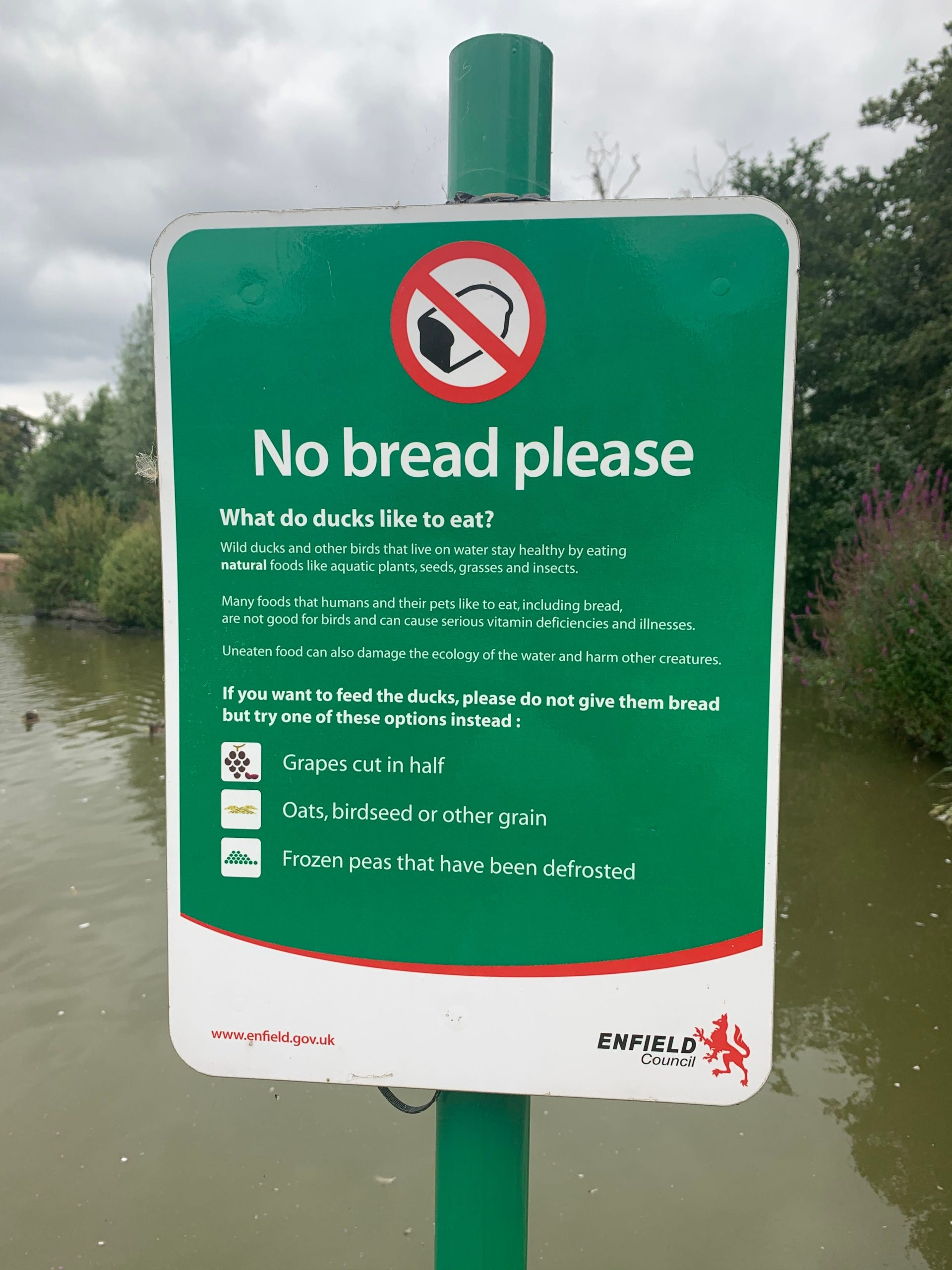
Have you ever tossed a piece of bread to a flock of hungry birds at the park? It might seem like a kind and harmless act.
But what if I told you that feeding birds bread could actually harm them? You care about these creatures, and you want to help—not hurt—them. Keep reading to discover the surprising reasons why bread is bad for birds and what you can do instead to support their health and happiness.
This simple change could make a big difference to your feathered friends.

Credit: aussieanimals.com
The Popularity Of Feeding Birds Bread
Feeding bread to birds is a common sight in parks and gardens worldwide. Many people enjoy tossing crumbs to ducks, pigeons, and other birds. This simple act feels rewarding and connects people with nature. Despite its popularity, feeding bread to birds can cause harm. Understanding why this habit started helps explain its ongoing appeal.
Common Reasons People Feed Birds Bread
- It is easy and cheap to find.
- People believe bread is harmless food for birds.
- Feeding birds feels like a fun outdoor activity.
- It creates a close connection with wildlife.
- Children often enjoy feeding birds as a learning experience.
Historical Context Of Bread Feeding
Feeding birds bread dates back to times when fresh food was rare. Bread was a common household item and often leftover. People shared it with birds as a way to avoid waste. This practice became part of local traditions in many cultures. It was seen as a kind and generous act.
In some cultures, feeding birds symbolizes goodwill and care for nature. Over time, this simple act became a popular pastime. Despite changes in understanding about bird health, the habit continues in many places.

Credit: www.muranochickenfarm.com
Nutritional Problems With Bread
Bread might seem like a harmless snack to share with birds, but it actually poses serious nutritional problems. It fills their stomachs without providing the nutrients they need to thrive. Understanding these issues can help you make better choices for the birds you want to care for.
Lack Of Essential Nutrients
Bread lacks critical nutrients such as proteins, vitamins, and minerals that birds require daily. It mainly consists of carbohydrates and empty calories, which do not support their growth or energy needs.
Birds rely on a balanced diet rich in seeds, insects, fruits, and nuts to stay healthy. Feeding them bread regularly can lead to nutrient deficiencies that affect their overall well-being.
Effects On Bird Health
Feeding bread to birds can cause serious health problems like malnutrition, obesity, and weakened immune systems. Birds may become lethargic and less able to fly or escape predators.
Have you noticed birds gathering around bread but looking less vibrant or active? That could be a sign of poor nutrition from a bread-heavy diet.
Instead of bread, try offering natural foods that match their dietary needs. Your choices can make a real difference in helping birds stay strong and healthy.
Environmental Impact
Feeding birds bread might seem harmless, but it can cause serious environmental problems. The effects go beyond just the birds themselves and impact the entire ecosystem around you. Understanding these effects can help you make better choices that protect nature.
Pollution And Water Contamination
Leftover bread often ends up polluting the environment. When birds don’t eat it all, the bread decomposes quickly and releases nutrients that encourage algae growth in ponds and lakes.
Excessive algae can choke waterways, blocking sunlight and reducing oxygen for fish and other aquatic life. Have you noticed murky water or a strange smell near places where people feed birds bread?
This kind of pollution disrupts the natural balance and harms many species that rely on clean water. You can help by avoiding bread and choosing natural bird foods that don’t cause these issues.
Overpopulation And Habitat Disruption
Bread feeding can cause an unnatural increase in bird populations. When you provide an easy food source, birds gather in larger numbers than their habitat can support naturally.
This overcrowding stresses local plants and animals. It may lead to more aggressive behavior among birds competing for space and resources. Have you ever seen large flocks of birds fighting or dominating an area?
Overpopulated bird areas also attract predators and increase disease risks, creating a cycle that damages the entire ecosystem. Instead of bread, try planting native vegetation to support healthy bird populations and balance in your local environment.
Behavioral Changes In Birds
Feeding birds bread may seem harmless, but it can cause serious changes in their natural behavior. Birds rely on instinct and natural food sources to survive. When you introduce bread, their habits start shifting in ways that can harm them and the environment.
Dependency On Human Food
Birds can quickly get used to bread as an easy food source. This dependency makes them less likely to search for their natural diet like seeds, insects, or berries. Over time, their ability to find nutritious food on their own weakens.
I once noticed a flock of ducks at a local pond waiting eagerly every afternoon for visitors to bring bread. They stopped foraging for insects and plants entirely. This shows how human food can disrupt their survival skills.
Aggressiveness And Competition
Offering bread often leads to fights among birds competing for the easy meal. This increases aggression, which is not typical in their natural behavior. Such conflicts can injure birds or push weaker ones away from their feeding spots.
Have you ever seen birds squabbling and chasing each other around a feeding area? This behavior is a direct result of artificial feeding and creates unnecessary stress. It also disturbs the local balance, affecting other wildlife nearby.
Alternatives To Bread
Finding alternatives to bread is key to supporting local bird populations in a healthy way. Bread offers little nutritional value and can harm birds if given regularly. Instead, there are many options that provide essential nutrients and keep birds active and happy in your garden or park.
Healthier Food Options For Birds
Birds thrive on a variety of natural foods that are rich in vitamins, minerals, and proteins. Seeds like sunflower, millet, and safflower are favorites among many common species. You can also offer chopped fruits such as apples, pears, and berries, which supply important antioxidants.
For insect-eating birds, mealworms or crickets are a great treat. Avoid salty or processed foods, as these can damage birds’ health. Have you noticed which seeds or fruits attract the most birds in your area? Observing their preferences helps you provide the best nourishment.
- Black oil sunflower seeds: High energy and easy to digest.
- Cracked corn: Loved by ground-feeding birds like sparrows.
- Chopped nuts: Provide fats and proteins, but offer sparingly.
- Fresh vegetables: Peas and corn kernels add variety.
How To Feed Birds Responsibly
Feeding birds is rewarding, but it demands care to avoid unintentional harm. Clean your feeding areas regularly to prevent mold and disease. Place food in small amounts so birds eat fresh supplies and waste is minimized.
Try using feeders designed to keep food dry and prevent pests from accessing it. Avoid feeding birds near busy roads or polluted areas to reduce health risks. Have you checked if your local park has guidelines for feeding wildlife? Following local rules helps protect both birds and their habitats.
Remember, feeding birds should supplement their natural diet, not replace it. Offering the right food at the right times supports their survival through harsh seasons and migration. What positive changes have you noticed when switching from bread to healthier options?
Common Myths About Feeding Bread To Birds
Many people feed bread to birds believing it’s harmless or even helpful. However, several myths surround this common practice. Understanding these misconceptions is crucial to protecting the health of wild birds and making better feeding choices.
Debunking Popular Misconceptions
One common myth is that bread is a nutritious food for birds. In reality, bread offers little to no nutritional value. It fills birds up but leaves them hungry for essential nutrients like proteins, fats, and vitamins.
Another belief is that feeding bread won’t harm birds because they eat it naturally. Birds may eat bread, but it can cause health problems such as malnutrition and digestive issues. Have you noticed birds crowding around bread scraps but still looking unhealthy?
Some think bread is a safe way to feed birds in urban areas where natural food is scarce. Yet, bread can pollute water sources and encourage aggressive behavior among birds. This disrupts natural feeding habits and harms local ecosystems.
Scientific Evidence Against Bread Feeding
Studies show that bread can cause “angel wing,” a deformity in waterfowl wings due to poor nutrition. This condition prevents birds from flying properly, reducing their survival chances.
Research also points to bread’s role in increasing water pollution. When bread is left uneaten, it rots and promotes algae growth, which harms aquatic life that birds depend on.
Bird experts recommend feeding seeds, nuts, and fruits instead of bread. These options provide balanced nutrition and support healthy bird populations. Wouldn’t you want your backyard visitors to thrive, not just survive?

Credit: x.com
Frequently Asked Questions
Why Is Bread Harmful To Birds?
Bread lacks essential nutrients birds need. It fills their stomachs but causes malnutrition and weakens their immune systems.
Can Feeding Bread Cause Bird Diseases?
Yes, bread can cause diseases like angel wing and mold infections. It promotes unhealthy growth and fungal problems in birds.
What Should I Feed Birds Instead Of Bread?
Offer seeds, nuts, fruits, and specially formulated bird feed. These options provide balanced nutrition and support bird health.
Does Feeding Bread Affect Bird Behavior?
Feeding bread can lead to overcrowding and aggressive behavior. It disrupts natural foraging habits and causes dependency on humans.
Conclusion
Feeding birds bread might seem harmless, but it’s not the best choice. Bread offers little nutrition and can harm birds’ health. It fills their stomachs, preventing them from eating nutritious foods. This can lead to malnutrition. Moldy bread is also dangerous, causing illness.
Consider healthier options like seeds or fruits. These provide essential nutrients and energy. Enjoy birdwatching by offering them food that truly benefits them. By choosing wisely, you help maintain their health. Better choices mean healthier birds, and a more vibrant natural world.
Make a small change today for a big impact tomorrow.