
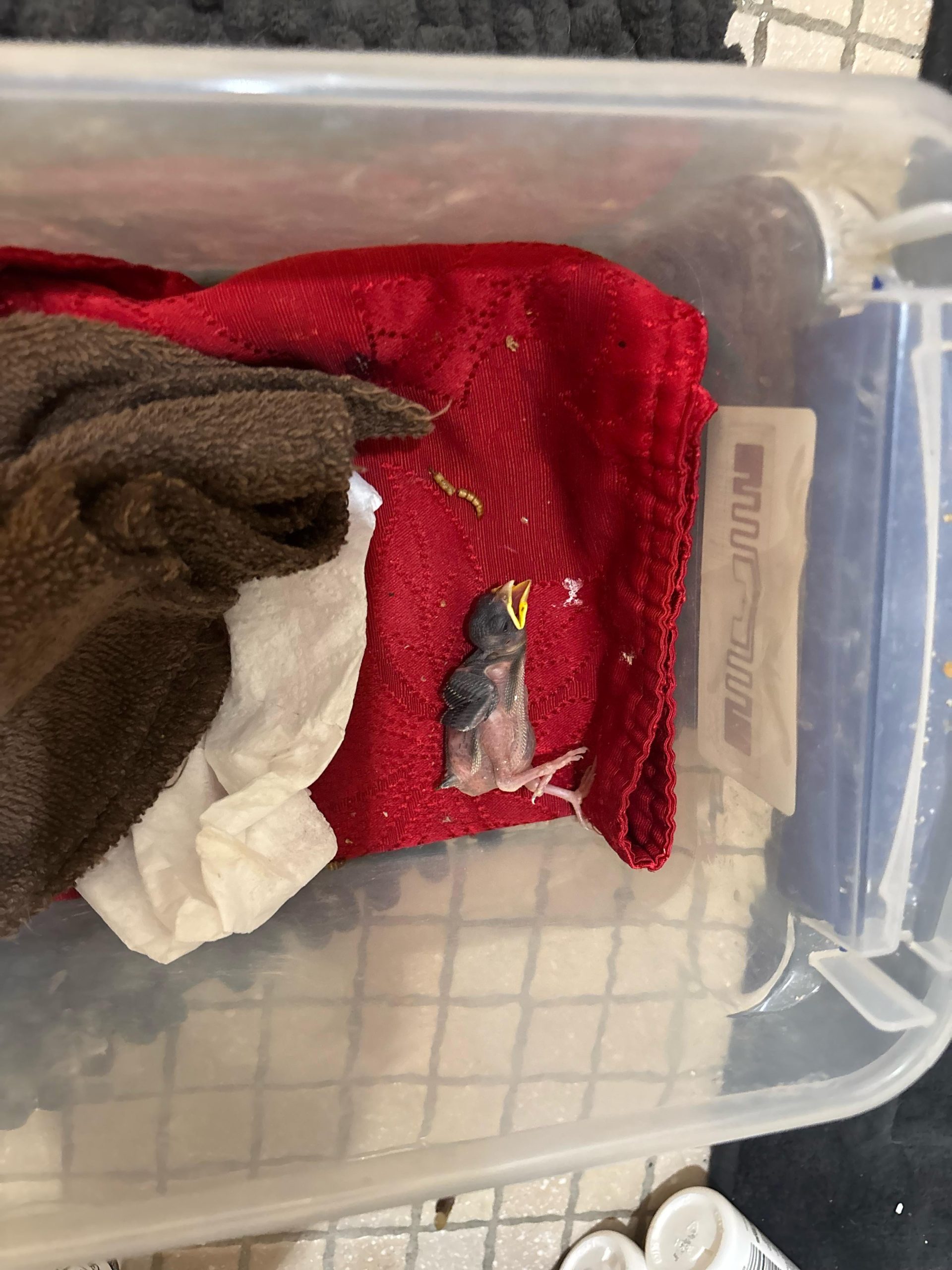
Have you ever found a tiny baby bird and wondered what happens if it doesn’t get fed? It’s a question that can tug at your heart.
You might feel helpless or unsure about what to do next. Understanding why feeding is so important for these fragile creatures could change how you see their chances of survival. Keep reading to discover the real impact of a missed meal on a baby bird’s life—and what you can do to help if you ever come across one.

Credit: www.youtube.com
Importance Of Feeding For Baby Birds
Feeding is the cornerstone of survival for baby birds. Without proper nourishment, these fragile nestlings cannot grow, develop, or even survive. Understanding why feeding matters so much helps you appreciate the delicate balance that keeps these tiny creatures alive.
Nutritional Needs Of Nestlings
Baby birds need a diet rich in proteins, fats, and essential vitamins. These nutrients fuel their rapid growth and help build strong muscles and feathers. Missing out on any key nutrient can stunt their development and weaken their immune system.
Think about how quickly children grow when they have a balanced diet—baby birds are no different. Their tiny bodies require frequent, high-quality food to keep up with their energy demands.
Role Of Parent Birds In Feeding
Parent birds play a critical role in delivering the right food to their young. They tirelessly hunt for insects, worms, or regurgitate pre-digested food to feed their nestlings. This constant effort ensures the babies get fresh, nutritious meals tailored to their needs.
Without this parental care, baby birds would struggle to find food on their own, especially during their early days when they cannot leave the nest. Have you ever watched a parent bird tirelessly feeding its young? It’s a powerful reminder of nature’s dedication to life.
Frequency And Amount Of Feeding
Baby birds eat often—sometimes every 15 to 20 minutes. This frequent feeding keeps their energy levels stable and supports their fast growth. If they go too long without food, their tiny bodies start breaking down muscle and fat, leading to weakness.
The amount of food also matters. Too little means they won’t grow; too much can cause digestive issues. Finding the right balance is crucial and is instinctively managed by their parents, who adjust feeding based on the nestlings’ hunger cues.
Credit: irishwildlifematters.ie
Immediate Effects Of Starvation
When a baby bird doesn’t get fed, the consequences are swift and severe. Starvation triggers a chain reaction in their tiny bodies, affecting vital functions and overall survival chances. Understanding these immediate effects can help you recognize the urgency if you ever come across a hungry hatchling.
Weakness And Lethargy
Without food, baby birds quickly lose energy. Their muscles weaken, making it hard for them to move or even open their eyes fully. You might notice the bird staying very still, almost like it’s asleep—but this is actually a sign of serious trouble.
Have you ever seen a baby bird that just won’t respond? That lethargy is a cry for help. It’s their body trying to conserve what little energy remains.
Dehydration Risks
Food isn’t just about energy; it also provides moisture. When a baby bird doesn’t eat, dehydration can set in fast. This dries out their fragile skin and internal organs, leading to further weakness.
Dehydration can be just as dangerous as starvation itself. You might notice the bird’s skin looking wrinkled or their mouth feeling dry. These are red flags that require immediate attention.
Delayed Growth
Growth in baby birds happens rapidly, but without regular feeding, this process stalls. Their bones, feathers, and muscles don’t develop properly, leaving them smaller and weaker than they should be. This delay can affect their ability to survive once they leave the nest.
Think about how important early nourishment is for human babies; it’s the same for birds. Missing out on food during these crucial days can set back their entire development.
Long-term Consequences
When a baby bird doesn’t get fed, the effects don’t just stop at immediate hunger. The lack of nutrition can cause serious problems that last well into the bird’s life. Understanding these long-term consequences helps you see why timely feeding is crucial for their survival and growth.
Stunted Development
Without enough food, baby birds don’t grow as they should. Their bones, feathers, and muscles may remain weak or underdeveloped. This stunted growth can limit their ability to fly or even keep warm, making them vulnerable to predators and harsh weather.
Think about a baby bird that misses meals for several days. Its wings might not develop fully, which means it may never learn to fly properly. Can you imagine how this affects its chance of living in the wild?
Impaired Immune System
Nutrition fuels the immune system. When baby birds don’t get enough food, their immune defenses weaken. This makes them more likely to catch diseases or infections that healthy birds could easily fight off.
Have you noticed how a sick bird often looks fluffed up and lethargic? That’s a sign their body is struggling to fight illness. Without proper feeding, a baby bird’s immune system might never fully develop, leading to frequent sickness.
Behavioral And Survival Challenges
Hungry baby birds can develop unusual behaviors. They might become overly aggressive or too weak to respond to danger. These changes can reduce their chances of surviving in the wild once they leave the nest.
For example, a bird that isn’t fed regularly might not learn essential skills like foraging or avoiding predators. If you’ve ever watched a young bird struggle to find food, you know how crucial proper feeding is for building survival instincts.
Signs Of A Hungry Baby Bird
Recognizing a hungry baby bird is vital for its survival. Baby birds rely fully on their caregivers for food. Missing meals can quickly weaken them. Understanding the signs helps provide timely help. These signs include vocal cues, physical appearance, and behavioral changes.
Vocal Cues
Hungry baby birds often make loud, constant calls. They may open their mouths wide and repeatedly chirp. The sounds can be high-pitched and urgent. This crying is their way to ask for food. Quiet baby birds might not be hungry or could be weak.
Physical Appearance
Look for a thin body with visible bones. The skin might appear loose or wrinkled. The baby bird’s feathers may look ruffled or sparse. A weak bird can have a dull or sunken eye look. These signs suggest the baby bird needs feeding.
Behavioral Changes
A hungry baby bird may become restless and move a lot. It might stretch its neck and open its mouth often. Sometimes, it tries to climb out of the nest. If it becomes very still or weak, this is serious. Watch for these changes to act quickly.
How To Help A Starving Baby Bird
Helping a starving baby bird requires careful and gentle actions. Quick and proper care can increase its chances of survival. Understanding how to feed the bird safely is essential. Knowing when to get expert help prevents harm. Avoiding common mistakes keeps the bird safe and healthy.
Safe Feeding Techniques
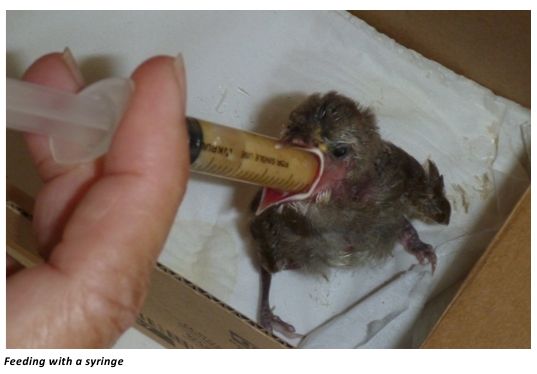
Use small, soft foods like soaked dog kibble or mealworms. Offer tiny pieces to avoid choking. Use a dropper or small spoon to feed gently. Never force food down the throat. Feed the baby bird every 15 to 20 minutes during daylight. Keep the bird warm and calm during feeding. Avoid giving water directly to prevent drowning.
When To Seek Wildlife Expert Help
Call a wildlife rehabilitator if the bird is weak or injured. Contact professionals if unsure about feeding or care. Seek help if the baby bird is cold or unresponsive. Experts know how to provide proper nutrition and warmth. Early professional care improves survival chances greatly.
Avoiding Common Mistakes
- Do not feed bread or milk; these harm birds.
- Avoid giving large food pieces that cause choking.
- Never try to raise wild birds as pets.
- Do not leave the bird outside alone at night.
- Do not handle the bird too much; stress harms it.
Credit: besgroup.org
Why Some Baby Birds Don’t Get Fed
Some baby birds do not get fed due to various natural and environmental reasons. Feeding is crucial for their survival, but not all chicks receive enough food. Understanding why this happens helps us learn more about bird behavior and nature’s challenges.
Abandonment By Parents
Sometimes, parent birds abandon their chicks. This can happen if the chick is weak or sick. Parents may focus on stronger offspring to increase survival chances. Harsh weather or danger can also cause parents to leave the nest.
Environmental Challenges
Food scarcity is a major problem for baby birds. Harsh weather like storms or drought reduces available insects and seeds. Pollution and habitat loss also limit food sources. These conditions make it hard for parents to find enough food.
Competition Among Siblings
In nests with many chicks, competition is fierce. Stronger siblings often get more food. Weaker chicks may be pushed aside or ignored. This natural selection helps parents raise the fittest birds when resources are limited.
Frequently Asked Questions
What Happens To A Baby Bird Without Food?
A baby bird without food becomes weak and dehydrated quickly. It cannot grow or develop properly. Prolonged starvation can lead to death within days.
How Long Can A Baby Bird Survive Unfed?
Baby birds usually survive only 1 to 3 days without food. Survival time depends on the bird species and age. Immediate feeding is critical for their survival.
Can Humans Feed A Hungry Baby Bird Safely?
Yes, humans can feed baby birds with appropriate food. Use specialized bird formula or softened dog/cat food. Avoid milk or bread, which can harm them.
Why Do Baby Birds Need Frequent Feeding?
Baby birds have high metabolism and small stomachs. They need feeding every 15 to 30 minutes to stay healthy. Regular feeding supports growth and energy.
Conclusion
Ensuring a baby bird gets fed is crucial for its survival. Without food, its growth and health suffer. Weakness and vulnerability increase as time passes without nourishment. Every bird species requires specific care. Observing and understanding their needs is vital.
Providing the right diet can make a difference. Natural instincts might not be enough for survival. Human intervention often becomes necessary. Always approach with care and knowledge. Understanding these needs helps in raising a healthy bird. It secures their future and well-being.