
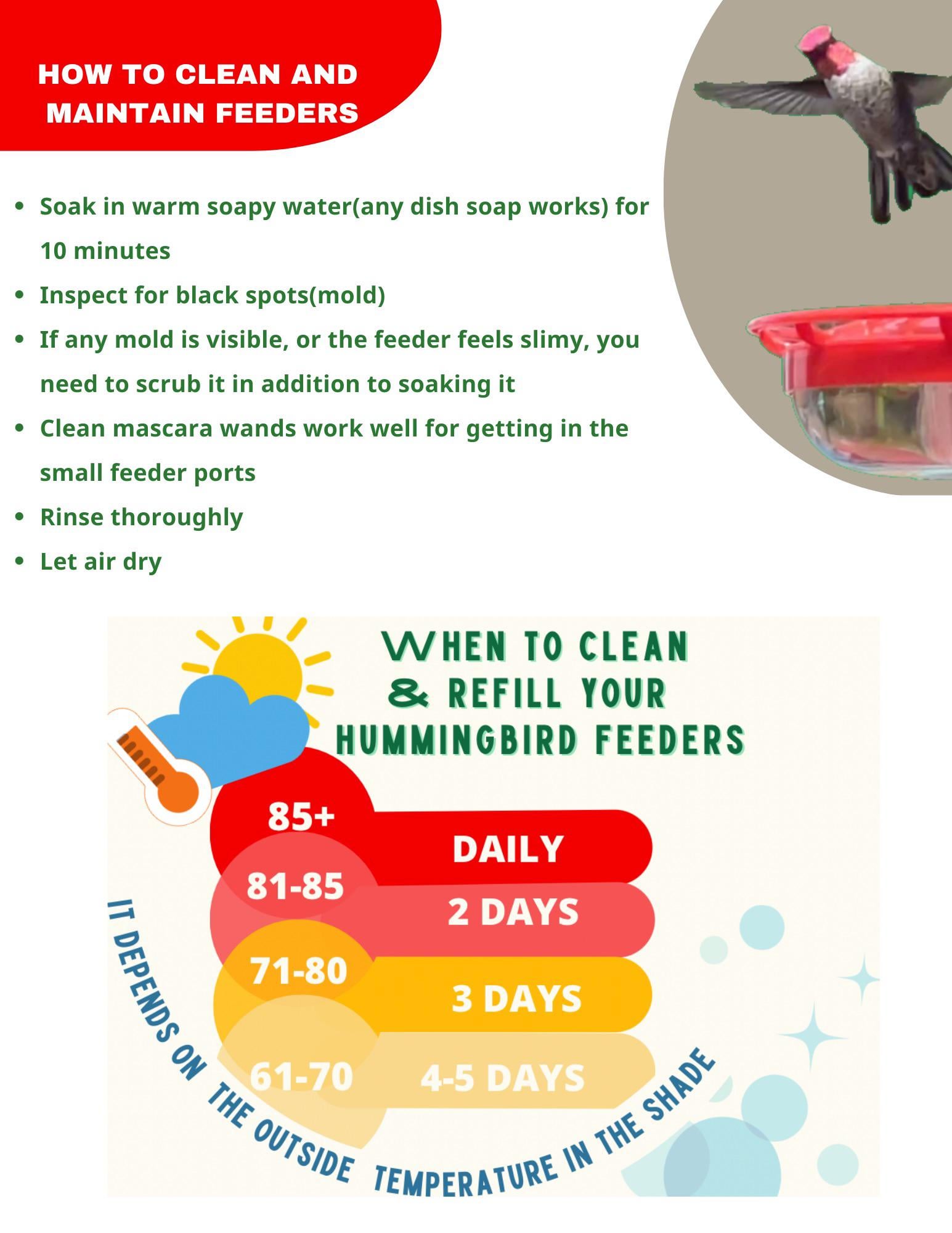
If you love watching birds visit your feeder, keeping it clean is key to their health. Mold can quickly grow in your bird feeder, putting your feathered friends at risk.
You might not see it right away, but mold can be harmful and even deadly to birds. So, what’s the best way to clean mold in your bird feeder? In this post, you’ll discover simple, effective steps to keep your feeder mold-free and safe.
Stick around—you’ll learn easy tips that make a big difference for your backyard birds.
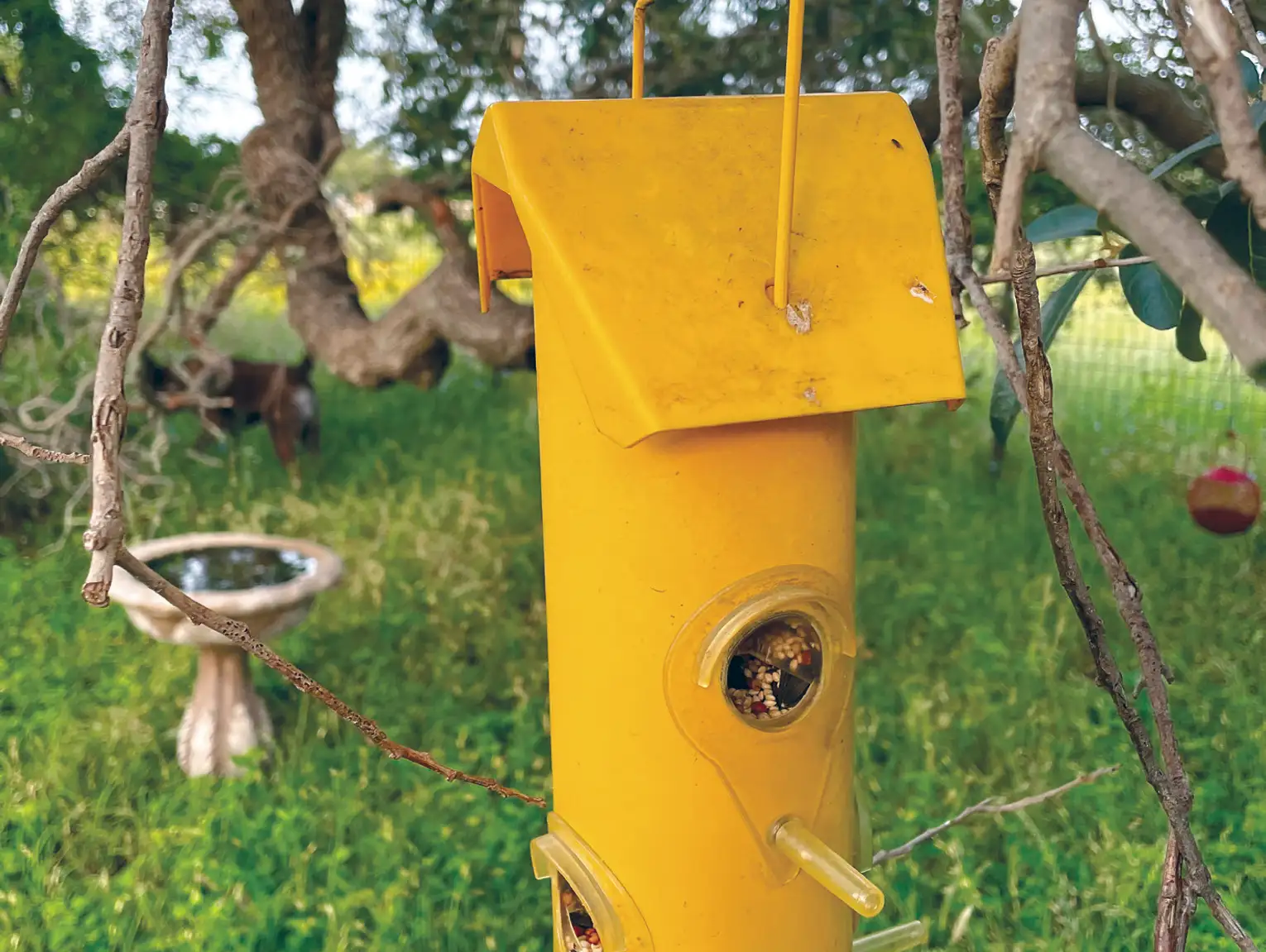
Credit: www.highlandernews.com
Causes Of Mold In Bird Feeders
Mold in bird feeders is a common issue that can harm your feathered visitors. Understanding what causes mold helps you prevent it and keep your feeders safe and clean. Let’s look at the main reasons mold grows in your bird feeder.
Moisture And Humidity
Moisture is the biggest trigger for mold growth. Rain, dew, or spilled water can make seed damp and create the perfect environment for mold spores to thrive.
High humidity levels, especially during warm weather, keep seeds moist longer. This encourages mold to develop quickly.
Have you noticed how feeders under trees or near sprinklers get moldier? That’s because they stay wet longer than those in sunny, dry spots.
Type Of Bird Seed
Certain seeds hold moisture more than others. For instance, sunflower seeds and millet tend to absorb and retain water, making them more prone to mold.
Seeds with shells or hulls can trap moisture inside, creating little pockets where mold can grow unseen.
Choosing dry, fresh seed and storing it properly can reduce mold risks significantly. Do you check your seed’s freshness before filling your feeder?
Feeder Design Flaws
Some feeders don’t allow enough airflow, trapping moisture inside. This makes it easier for mold to develop on the seed.
Feeders with small drainage holes or no drainage at all can hold water from rain or cleaning, increasing dampness.
Consider how easy your feeder is to clean. Hard-to-reach areas often collect mold, even if you think it’s clean.
Risks Of Mold To Birds
Mold in bird feeders poses serious risks to the birds that visit them. It’s not just an eyesore; mold can actively harm your feathered friends in several ways. Understanding these risks helps you see why regular cleaning is essential for their safety and well-being.
Health Issues
Mold produces toxins that can cause respiratory problems in birds. These toxins may lead to coughing, sneezing, and difficulty breathing. Birds with weakened immune systems are especially vulnerable to infections caused by mold exposure.
Ingesting moldy seeds can trigger digestive problems like diarrhea and vomiting. Over time, this can cause severe malnutrition and dehydration. Have you noticed sick or lethargic birds near your feeder lately? It might be time to check for mold.
Behavioral Changes
Mold exposure can affect birds’ behavior significantly. Birds may avoid feeders that smell or taste off due to mold, reducing their food intake. This can lead to weight loss and decreased energy.
Sometimes, mold-related illness makes birds less active or more aggressive. You might see fewer birds visiting your feeder or notice unusual squabbles. How often do you observe changes in your backyard visitors’ usual patterns?
Essential Cleaning Supplies
Keeping your bird feeder free from mold is crucial for the health of your feathered visitors. The right cleaning supplies make the task easier and more effective. Let’s look at what you need to tackle mold safely and thoroughly.
Safe Cleaning Agents
Choosing the right cleaning agents is important to avoid harming birds. White vinegar is a top choice; it kills mold and is non-toxic. Mix one part vinegar with four parts water for a powerful yet safe solution.
Another option is a mild dish soap diluted in warm water. It cleans grime and mold without leaving harmful residues. Avoid bleach or harsh chemicals—they can be dangerous if not rinsed off completely.
Have you ever noticed how a simple vinegar rinse can remove stubborn mold without the harsh smell? That’s why many bird enthusiasts swear by it.
Tools For Scrubbing
The right tools make cleaning less of a chore. A soft-bristle brush helps scrub off mold without scratching the feeder’s surface. Toothbrushes are perfect for reaching small crevices.
Use a sponge or cloth for wiping larger areas after scrubbing. Avoid steel wool or anything too abrasive; they can damage the feeder’s material. Consider a small bottle brush for narrow feeding tubes or holes.
Have you tried using a brush with a long handle? It lets you clean deeper spots without getting your hands too messy, making the job quicker and more pleasant.

Credit: green-backyard.com
Step-by-step Cleaning Process
Cleaning mold from your bird feeder is essential to keep the birds healthy and your feeder functional. The process is straightforward but requires careful attention to detail. Following a clear, step-by-step approach ensures that no part is overlooked, and your feeder is safe for the next bird visitors.
Disassembling The Feeder
Start by taking apart your bird feeder completely. Remove all detachable parts such as the lid, base, and any perches. This makes it easier to clean every nook and cranny where mold can hide.
Have you noticed how mold often grows in small crevices? Disassembling helps you reach those hidden spots effectively.
Soaking And Scrubbing
Fill a bucket or sink with warm water and add a mild detergent or a solution of one part white vinegar to four parts water. Soak all feeder parts for about 30 minutes. This loosens the mold and dirt, making scrubbing more efficient.
Use a soft brush or sponge to scrub each part thoroughly. Pay close attention to corners and feeding ports where residue and mold build up. Avoid harsh brushes that might scratch the feeder’s surface and create new spots for mold to grow.
Rinsing And Drying
Rinse every piece under running water to wash away soap and loosened mold. Make sure no cleaning solution remains, as residues can harm birds. After rinsing, dry all parts completely with a clean towel or let them air dry in a sunny spot.
Why is drying so important? Moisture invites mold back quickly, so feeding your feathered friends with a dry, clean feeder is crucial for their health.
Preventing Mold Growth
Mold in bird feeders is not just unsightly—it can harm the birds you want to attract. Preventing mold growth is essential for keeping your feeder safe and inviting. A few simple changes to your routine and setup can make a big difference.
Choosing The Right Seeds
Some seeds hold moisture longer, creating a perfect spot for mold. Opt for seeds that dry quickly and resist moisture, like safflower or sunflower seeds. Avoid cheap mixes that often contain fillers prone to mold.
Have you noticed certain seeds attract more birds yet spoil faster? Switching your seed type might help reduce mold buildup and keep birds coming back.
Regular Maintenance Schedule
Cleaning your feeder often is the best way to stop mold before it starts. Aim to wash the feeder with hot, soapy water every few days, especially in humid weather. Dry it completely before refilling to prevent moisture buildup.
Think about how often you check your feeder now. Could adding a simple cleaning routine save you headaches and protect the birds?
Proper Feeder Placement
Where you hang your feeder affects how quickly it gets moldy. Place feeders in sunny, well-ventilated spots to help seeds dry faster. Avoid shady or damp areas that encourage mold growth.
Is your feeder in a spot that stays wet after rain? Moving it to a sunnier location might be the easiest way to cut down on mold problems.

Credit: green-backyard.com
Natural Alternatives For Mold Control
Keeping your bird feeder free from mold is important not only for the health of visiting birds but also for the longevity of the feeder itself. Instead of relying on harsh chemicals, you can use natural alternatives that are both safe and effective. These options are easy to use, eco-friendly, and often already available in your home.
Using Vinegar Solutions
Vinegar is a powerful natural cleaner that helps eliminate mold without harming birds. Mix equal parts of white vinegar and water in a spray bottle for a simple cleaning solution. Spray the mixture onto the moldy areas of your feeder, let it sit for about 10 minutes, then scrub with a brush and rinse thoroughly.
I once cleaned my feeder with vinegar after noticing a musty smell, and the results were impressive. The mold disappeared quickly, and the birds returned happily the next day. Have you tried vinegar for cleaning around your home? It might surprise you how well it works on mold.
Sunlight Exposure Benefits
Sunlight is a natural mold fighter because UV rays inhibit mold growth. After cleaning your feeder, place it in direct sunlight for several hours to dry completely. This not only removes moisture but also prevents mold from coming back quickly.
One sunny afternoon, I left my feeder out to dry and noticed less mold buildup over the following weeks. Does your feeder get enough sunlight during the day? If not, moving it to a brighter spot might reduce mold problems significantly.
Frequently Asked Questions
How Do I Clean Mold From A Bird Feeder Safely?
Use a mixture of one part white vinegar to four parts water. Scrub the feeder with a brush, rinse thoroughly, and dry completely before refilling. This method kills mold without harmful chemicals, keeping birds safe and healthy.
Can Bleach Be Used To Remove Mold In Bird Feeders?
Yes, use a diluted bleach solution (one part bleach to nine parts water). Soak the feeder for 10 minutes, scrub, rinse well, and air dry. Bleach effectively kills mold but must be rinsed thoroughly to avoid harming birds.
How Often Should I Clean My Bird Feeder To Prevent Mold?
Clean your bird feeder at least once every two weeks. More frequent cleaning is needed during wet or humid weather. Regular cleaning prevents mold growth and keeps bird food fresh and safe.
What Signs Indicate Mold In A Bird Feeder?
Look for fuzzy, white, green, or black patches on seeds or feeder surfaces. Moldy seed may emit a musty odor and clump together. Early detection helps prevent bird illness and maintains feeder hygiene.
Conclusion
Cleaning mold from bird feeders is crucial for bird health. Regular maintenance prevents mold growth. Always use safe cleaning solutions. Remove debris and rinse thoroughly. Dry completely before refilling. This ensures a safe feeding environment. Happy birds lead to more frequent visits.
Consistent care can extend feeder lifespan. Plus, it attracts various bird species. Remember, clean feeders support healthy wildlife. Keep your feeders mold-free and enjoy watching birds thrive.