
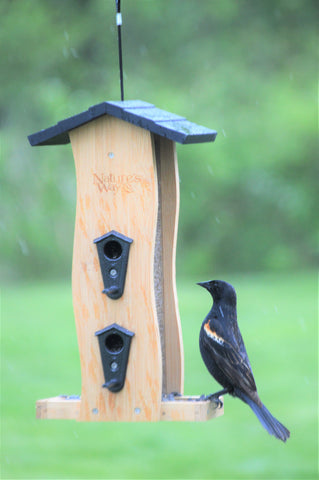
Are black birds taking over your bird feeder and scaring away the smaller, colorful visitors you love? You’re not alone.
These bold birds can be frustrating, making it hard to enjoy the peaceful birdwatching experience you crave. But don’t worry—there are simple, effective ways to get rid of black birds and bring balance back to your feeder. Keep reading, and you’ll discover easy steps that anyone can follow to protect your feeder and welcome the birds you actually want to see.
Credit: www.pressherald.com
Why Black Birds Visit Feeders
Understanding why black birds visit your feeder is key to managing their presence. These birds are often drawn by specific food and environmental factors. Knowing their habits helps you create a feeding space that attracts your favorite birds, not just the black ones.
Common Types Of Black Birds
Several black bird species are frequent visitors to feeders. These include:
- Common Grackles:Recognizable by their glossy black feathers and yellow eyes, they often show up in large groups.
- European Starlings:They have iridescent black feathers with speckles and are known for their noisy behavior around feeders.
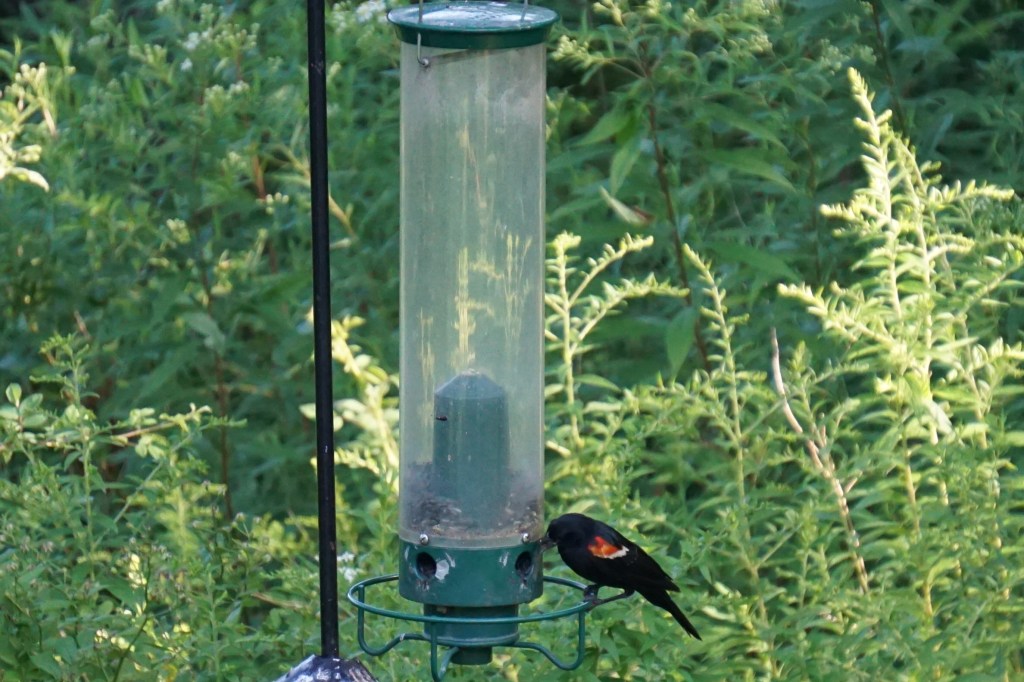
- Red-winged Blackbirds:Males have striking black feathers with red and yellow shoulder patches and are territorial around feeding areas.
Each species has unique feeding habits and preferences, influencing how they interact with your feeder.
Attraction Factors
Black birds are attracted to your feeder for a few main reasons. First, the type of food you offer plays a huge role. They often prefer sunflower seeds, cracked corn, and suet.
Second, the location of your feeder matters. Black birds feel safer in open areas where they can spot predators easily.
Have you noticed if your feeder is near shrubs or trees? These spots provide cover and roosting places, making your feeder more inviting.
Lastly, the presence of other birds can attract black birds too. They are social and tend to follow flocks, especially during migration seasons.
Credit: dengarden.com
Choosing The Right Feeder
Choosing the right feeder can make a big difference in managing which birds visit your feeder. Some designs naturally attract smaller, friendlier birds while discouraging larger, more aggressive black birds. It’s not just about the food you offer but how you present it that shapes the visitors.
Feeder Designs That Discourage Black Birds
Black birds, like grackles and starlings, prefer feeders that are easy to access and offer plenty of space. To keep them away, choose feeders with smaller perches or those designed specifically for smaller birds.
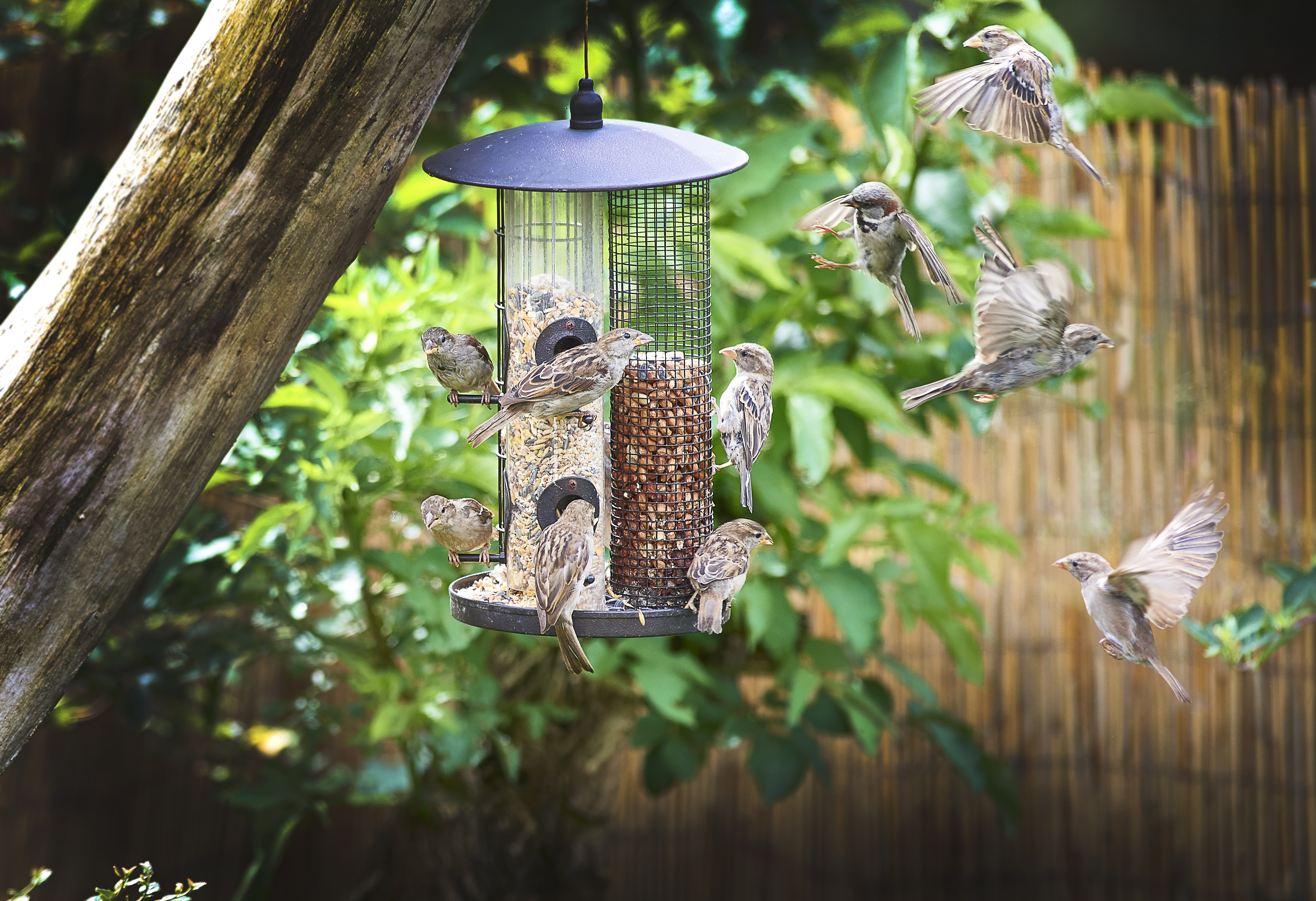
- Cage-style feeders:These have a metal cage around the seed area, allowing small birds to enter but blocking larger ones.
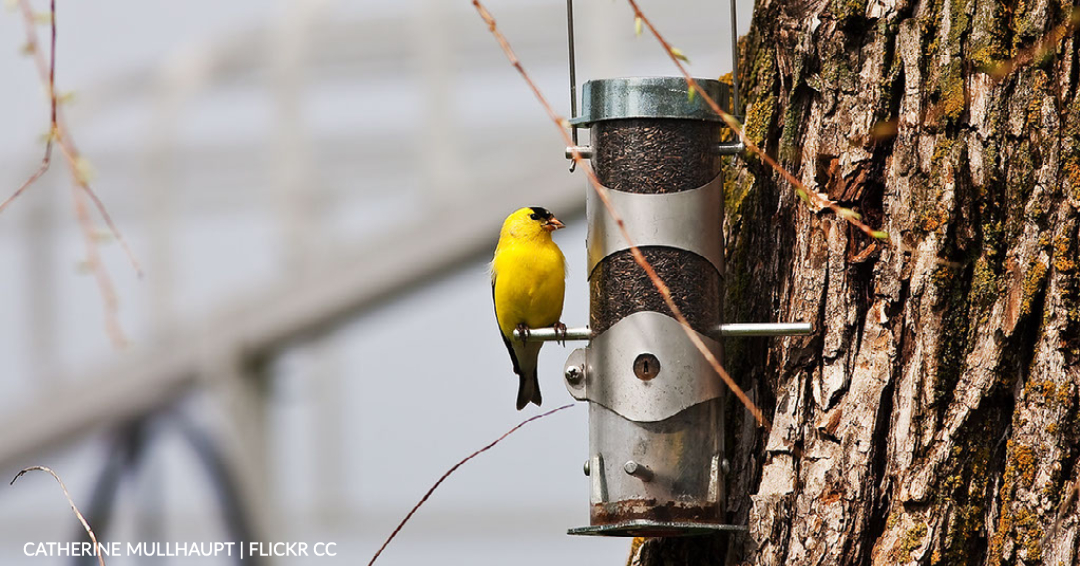
- Tube feeders with small feeding ports:Birds like finches and chickadees can feed through tiny holes, but black birds cannot fit.
- Suction cup or window feeders:These are often used for hummingbirds and small songbirds and don’t appeal to larger black birds.
Have you noticed how certain feeders attract a lot of unwanted visitors? Trying a design that limits access can reduce black bird visits significantly.
Material And Placement Tips
The materials of your feeder can affect its durability and appeal. Black birds are strong and can damage flimsy feeders, so choose sturdy options made from metal or thick plastic.
Placement also matters a lot. Position your feeder away from open areas where black birds can easily land and scavenge. Placing feeders near dense shrubs or trees can help smaller birds hide and feel safe, discouraging aggressive species.
- Keep feeders at least 10 feet from large open spaces.
- Avoid spots near trash bins or water sources that attract black birds.
- Hang feeders at varying heights to test which spots reduce black bird visits.
Have you tried moving your feeder and noticed fewer black birds? Sometimes a simple shift in location changes the whole dynamic of your backyard visitors.
Food Choices To Deter Black Birds
Changing what you put in your bird feeder can make a big difference in keeping black birds away. These birds tend to go for certain seeds and foods, so choosing the right types can help you attract the birds you want instead. You might be surprised how small changes in food choices can shift the bird visitors dramatically.
Seeds Black Birds Avoid
Black birds often ignore seeds that are harder to eat or less tasty to them. You can use this to your advantage by selecting seeds they find unappealing. Some examples include:
- Nyjer (thistle) seeds:Tiny and high in oil, these seeds attract finches but are usually skipped by black birds.
- Safflower seeds:These have a bitter taste that black birds dislike, but cardinals and chickadees enjoy them.
- Sunflower chips:Hulled sunflower seeds are easier for small songbirds to eat, but black birds often prefer whole seeds with shells.
Have you noticed which seeds your black birds avoid? Try removing common favorites like millet or cracked corn and see if they lose interest.
Alternative Bird Food Options
Offering different types of food can also help you attract a wider variety of birds while discouraging black birds. Think beyond seeds to options that appeal to smaller birds but not to aggressive black birds.
- Suet cakes:These attract woodpeckers and nuthatches but are less popular with black birds.
- Fruit slices:Oranges, apples, or berries often draw smaller songbirds, and black birds tend to ignore fresh fruit at feeders.
- Mealworms:Live or dried, mealworms provide protein that many small birds love, but black birds don’t usually chase them.
Think about what kinds of birds you want to see more often. Would switching to suet or fruit make your backyard feeder more enjoyable? Experimenting with these options can change your bird feeder experience for the better.
Physical Deterrents
Physical deterrents offer a hands-on approach to keep black birds away from your bird feeder. These tools create barriers or uncomfortable environments that discourage unwanted guests without harming them. Using simple devices can make a big difference in protecting your feeder while still welcoming smaller birds.
Using Bird Spikes And Netting
Bird spikes are an effective way to block black birds from landing near your feeder. These thin, pointed strips are easy to install on feeder perches or nearby ledges. They don’t hurt the birds but make it impossible for larger birds to get a stable foothold.
Netting is another practical option. Cover your feeder with fine mesh netting to prevent big birds from accessing the food. This method works well if you want to allow smaller birds to feed while keeping black birds out.
Have you tried placing spikes or netting around your feeder before? Notice how the presence of these physical barriers changes the type of birds visiting your yard.
Reflective And Sound Devices
Black birds dislike sudden movements and bright reflections. Hanging shiny objects like old CDs, aluminum foil strips, or reflective tape near your feeder can startle them. The glints of light confuse and deter them from landing.
Sound deterrents use noises that black birds find unpleasant. Devices that emit predator calls or sudden bursts of sound can keep these birds at bay. However, be mindful of your neighbors and choose sound levels that won’t cause disturbance.
Think about how your yard reacts to light and sound changes. Could adding reflective items or soft noise devices create a more bird-friendly environment for the species you want to attract?
Habitat Modification
Changing the environment around your bird feeder can help reduce visits from black birds. Habitat modification makes the area less attractive for these birds. It involves altering places where black birds rest and find food nearby. Small changes can make a big difference.
Removing Roosting Spots
Black birds like to rest in tall trees and large bushes near feeders. Removing or trimming these roosting spots can discourage them from staying close. Cut back branches that hang over the feeder. Clear out dead trees or dense shrubs that offer shelter. Without safe resting places, black birds are less likely to linger.
Managing Nearby Vegetation
Vegetation near feeders provides food and cover for black birds. Keep grass short and remove fallen fruit or seeds that attract them. Replace dense plants with less inviting ones. Use plants that do not produce berries or seeds black birds eat. A tidy, less food-rich environment reduces their interest in your feeder area.
Safe Repellents And Scare Tactics
Keeping black birds away from your bird feeder requires safe and gentle methods. Using repellents and scare tactics helps protect smaller birds. These techniques do not harm the birds or the environment. They encourage black birds to find other food sources.
Natural Repellents
Natural repellents work without chemicals or traps. Here are some options that are safe and easy to use:
- Spices:Sprinkle cayenne pepper or chili powder around the feeder. Birds dislike the taste and smell.
- Garlic:Place garlic cloves nearby. The strong scent keeps black birds away.
- Vinegar solution:Spray a mix of water and vinegar on nearby surfaces. The smell deters birds but disappears quickly.
- Essential oils:Use oils like peppermint or eucalyptus on cotton balls near the feeder. These scents repel black birds.
Decoys And Motion-activated Tools
Visual and movement-based tools scare birds effectively. Try these options to keep black birds away:
- Owl or hawk decoys:Place realistic predator models near the feeder. Change their position often to keep birds wary.
- Reflective objects:Hang shiny tape, CDs, or mirrors. The moving reflections confuse and scare birds.
- Motion-activated sprinklers:These spray water when birds approach. The sudden spray startles black birds safely.
- Noise devices:Ultrasonic bird repellents emit sounds only birds hear. Use them carefully to avoid disturbing neighbors.
Maintenance And Monitoring
Keeping your bird feeder clean and watching the birds is key to controlling black birds. This helps keep unwanted birds away and protects the feeder’s health. Careful maintenance and careful watching can make a big difference in which birds visit your feeder.
Regular Feeder Cleaning
Clean the feeder often to stop diseases and smells that attract black birds. Use warm water and mild soap. Rinse well to remove all soap. Dry the feeder before refilling it with seed. Check for old or wet seeds and remove them. A clean feeder invites small birds but discourages big black birds.
Adjusting Strategies Over Time
Watch which birds visit your feeder each week. Change your methods if black birds keep coming. Try moving the feeder to a new place. Use different seeds that black birds do not like. Add baffles or guards to keep black birds away. Small changes help keep your feeder safe for the birds you want.
Credit: www.michiganaudubon.org
Frequently Asked Questions
How Can I Prevent Black Birds From Eating Bird Feeder Food?
Use feeders with weight-sensitive perches that close for heavy birds. Offer food types less attractive to black birds, like safflower seeds. Place feeders in open areas to reduce black bird perching.
What Bird Feeder Designs Deter Black Birds Effectively?
Tube feeders with small feeding ports limit access to large birds. Caged feeders allow small birds to enter but block bigger ones. Avoid platform feeders, as they attract black birds.
Are There Natural Repellents To Keep Black Birds Away?
Yes, use taste repellents like chili powder or commercial bird repellent sprays. Reflective objects or shiny tape can scare black birds. Regularly changing feeder locations also discourages them.
Can Noise Deter Black Birds From Bird Feeders?
Yes, sudden noises like clapping or bird distress calls may scare them away. However, consistent noise can lose effectiveness over time. Use noise deterrents sparingly for best results.
Conclusion
Keep your bird feeder peaceful by managing black birds wisely. Use specific feeders. Pick seeds they dislike. Try safflower or thistle. Protect other birds with cages. Scare away black birds with shiny objects. Consistent efforts work best. Enjoy watching smaller birds visit.
Maintain a balanced bird ecosystem. Your backyard can thrive with diversity. Keep experimenting with new strategies. Adapt to what works for your space. Appreciate the joy of birdwatching.