
Are you wondering if feeding birds in Maryland is a safe and smart choice? You might think it’s a simple way to connect with nature right outside your window.
But before you scatter seeds or hang a feeder, there are important facts you should know. Feeding birds can bring joy and beauty, but it can also affect their health and the environment around you. Keep reading to discover what you need to consider to make sure your bird-feeding habit helps, not harms, the feathered friends you love.
Benefits Of Feeding Birds
Feeding birds in Maryland offers many benefits for both people and nature. It helps local wildlife thrive and brings joy to backyard spaces. Providing food supports bird populations, especially during tough seasons. Watching birds visit feeders can be a relaxing and educational experience. Here are some key benefits of feeding birds.
Supporting Local Wildlife
Bird feeding helps local species find extra food. It is important during harsh weather or when natural food is scarce. Feeding birds can improve their survival rates. Healthy bird populations maintain a balanced ecosystem. Gardeners also benefit as birds control pests naturally.
Enjoying Birdwatching
Birdwatching becomes easier and more fun with feeders. You can see different species up close. It offers a peaceful way to connect with nature. Families and children enjoy identifying birds. This activity encourages learning about wildlife and habitats.
Seasonal Feeding Needs
Birds need different foods in different seasons. In winter, they need high-energy seeds to stay warm. Spring and summer require protein-rich foods for nesting birds. Feeding birds year-round helps them through migration and breeding. Adjusting food types supports their changing needs.
Credit: www.bayjournal.com
Potential Risks In Maryland
Feeding birds in Maryland can seem like a simple way to connect with nature and support local wildlife. However, it’s important to consider the potential risks involved to ensure your efforts don’t unintentionally harm the birds or the environment. Understanding these risks can help you make smarter choices that protect both the birds and your community.
Spread Of Diseases
Feeding birds in one spot can create crowded conditions where diseases spread quickly. Maryland’s humid climate can encourage mold and bacteria growth on uneaten seeds, posing health risks to birds. Have you noticed how some bird feeders become gathering points for sick birds? That’s a sign you might need to clean your feeders more often or rethink feeding practices.
Common illnesses like salmonella and avian pox can pass from bird to bird through contaminated feeders. To reduce risk, clean your feeders regularly with a mild bleach solution and avoid overfilling them. You want to support healthy birds, not create a hotspot for disease.
Attracting Predators
Feeding stations can unintentionally invite predators like cats, hawks, and raccoons to your yard. These predators often learn to hang around feeders, making it dangerous for the birds you want to help. Have you ever seen a hawk lurking nearby while birds flock to your feeder?
To minimize this risk, place feeders in open areas where birds can spot predators easily. Avoid feeding near dense bushes or places where predators can hide. Your goal is to give birds a safe place, not one where they become easy targets.
Environmental Concerns
Feeding birds can also impact Maryland’s local ecosystems. Non-native seeds or improper feeding can encourage invasive species to thrive, disrupting natural balances. Have you thought about how feeding habits might change bird migration or local plant growth?
Additionally, leftover seeds can sprout unwanted plants or attract pests like rodents. To protect your local environment, choose native birdseed blends and clean up spilled food regularly. Supporting native birds means supporting the entire ecosystem around you.
Safe Feeding Practices
Feeding birds in Maryland can be a joyful way to connect with nature, but it requires care to keep both you and the birds safe. Safe feeding practices help prevent the spread of disease and protect local wildlife. Paying attention to the kind of feeders you use, the food you offer, and how often you clean can make a big difference.
Choosing The Right Feeders
Not all bird feeders are created equal. You want a feeder that keeps food dry and limits access to pests like squirrels and rats. Tube feeders work well for small songbirds, while platform feeders attract a variety of species but need more frequent cleaning.
Think about where you place your feeder too. Position it away from windows to prevent bird collisions. A feeder that’s easy for you to reach will make cleaning and refilling simpler.
Proper Food Selection
Choosing the right food is key to attracting healthy birds. Black oil sunflower seeds are a favorite for many Maryland birds because they have a high fat content and thin shells. Avoid bread or processed foods, which offer little nutrition and can harm birds.
Offering a variety of seeds and nuts can support different bird species. You might also add suet during colder months to provide extra energy. Have you noticed which foods bring the most visitors to your yard?
Regular Cleaning Tips
Cleaning your feeders regularly is essential to prevent disease. Aim to clean feeders every two weeks or more often if you see mold or buildup. Use a solution of one part bleach to nine parts water, then rinse thoroughly and let dry before refilling.
Don’t forget to clean the area beneath the feeder too. Old seed hulls and droppings can attract pests and spread germs. Keeping your feeding station tidy protects both the birds and your family.

Credit: www.allaboutbirds.org
Best Feeding Locations
Choosing the right spot to feed birds in Maryland helps keep them safe and comfortable. Birds prefer quiet places away from dangers. The best feeding locations support their natural habits and provide easy access to food.
Avoiding High Traffic Areas
Pick spots away from busy roads and crowded parks. Loud noises and fast vehicles scare birds. Quiet gardens or backyards work well. These areas reduce stress and attract more birds. Avoid places with many people or pets. A calm environment helps birds feel safe.
Providing Shelter And Safety
Place feeders near trees or shrubs for cover. Birds need places to hide from predators. Bushes and branches offer protection from cats and hawks. Shelter also shields birds from harsh weather. Choose spots that give both food and safety. This encourages birds to visit often.
Seasonal Location Adjustments
Change feeding spots based on the season. In winter, birds look for sheltered, warm areas. Summer feeding spots should be cooler and shaded. Move feeders as plants grow or change. Seasonal shifts help birds find food easily year-round. Keep feeders clean and dry during wet months.
Legal Guidelines In Maryland
Understanding the legal guidelines around feeding birds in Maryland is essential before you set out to attract feathered friends to your yard. These rules help protect wildlife and ensure that your actions do not unintentionally harm the local ecosystem. Let’s break down what you need to know about state regulations, protected species, and necessary permits.
State Regulations
Maryland has specific rules designed to manage how people can feed wild birds. Feeding birds is generally allowed on private property, but public lands may have restrictions to prevent overfeeding and dependency. The Maryland Department of Natural Resources (DNR) advises against feeding birds in areas where it might cause crowding or spread disease.
Have you noticed bird feeders in your neighborhood that seem overcrowded? That’s exactly what these regulations aim to prevent. Keeping feeders clean and limiting the amount of food you put out helps maintain a healthy bird population.
Protected Bird Species
Many bird species in Maryland are protected under state and federal law. This means you cannot trap, harm, or disturb them, even while feeding. Birds like the Baltimore Oriole and the Piping Plover are examples of protected species you might see around Maryland.
Feeding these birds is legal, but you must avoid actions that interfere with their natural behavior or nesting. Have you ever wondered why some birds avoid feeders? It could be due to their protected status or specific dietary needs.
Reporting And Permits
If you plan to feed birds in a way that impacts a large area, such as a community park or wildlife sanctuary, you may need to check with local authorities for permits. Reporting unusual bird behavior or sightings of injured birds to the Maryland DNR helps protect these animals and supports conservation efforts.
Applying for a permit often involves proving that your feeding will not harm bird populations or the environment. Have you considered how your bird feeding habits could support local conservation? Small actions like these can make a big difference.
Credit: www.homesandgardens.com
Alternatives To Feeding
Feeding birds in Maryland can seem like a kind act. Yet, it may cause problems like disease spread and poor nutrition. Many safer ways exist to support local birds. These alternatives help birds naturally thrive in your area. You can create a welcoming space without direct feeding.
Planting Native Flora
Native plants provide food and shelter for birds all year. They attract insects, which many birds eat. Flowers, berries, and seeds from native plants give natural nourishment. Choose plants like:
- Serviceberry
- Eastern Redbud
- Black-eyed Susan
- Wild Indigo
These plants fit Maryland’s climate and soil. They require less care and support local wildlife. Native gardens boost bird health and biodiversity.
Creating Bird Habitats
Birds need safe places to rest and nest. You can build or add birdhouses and nesting boxes. Leave dead trees or logs if safe. These offer shelter and nesting spots.
Keep areas quiet and free from pets. Dense shrubs and trees provide cover from predators. A natural habitat helps birds feel safe. It encourages more birds to visit and stay.
Water Sources For Birds
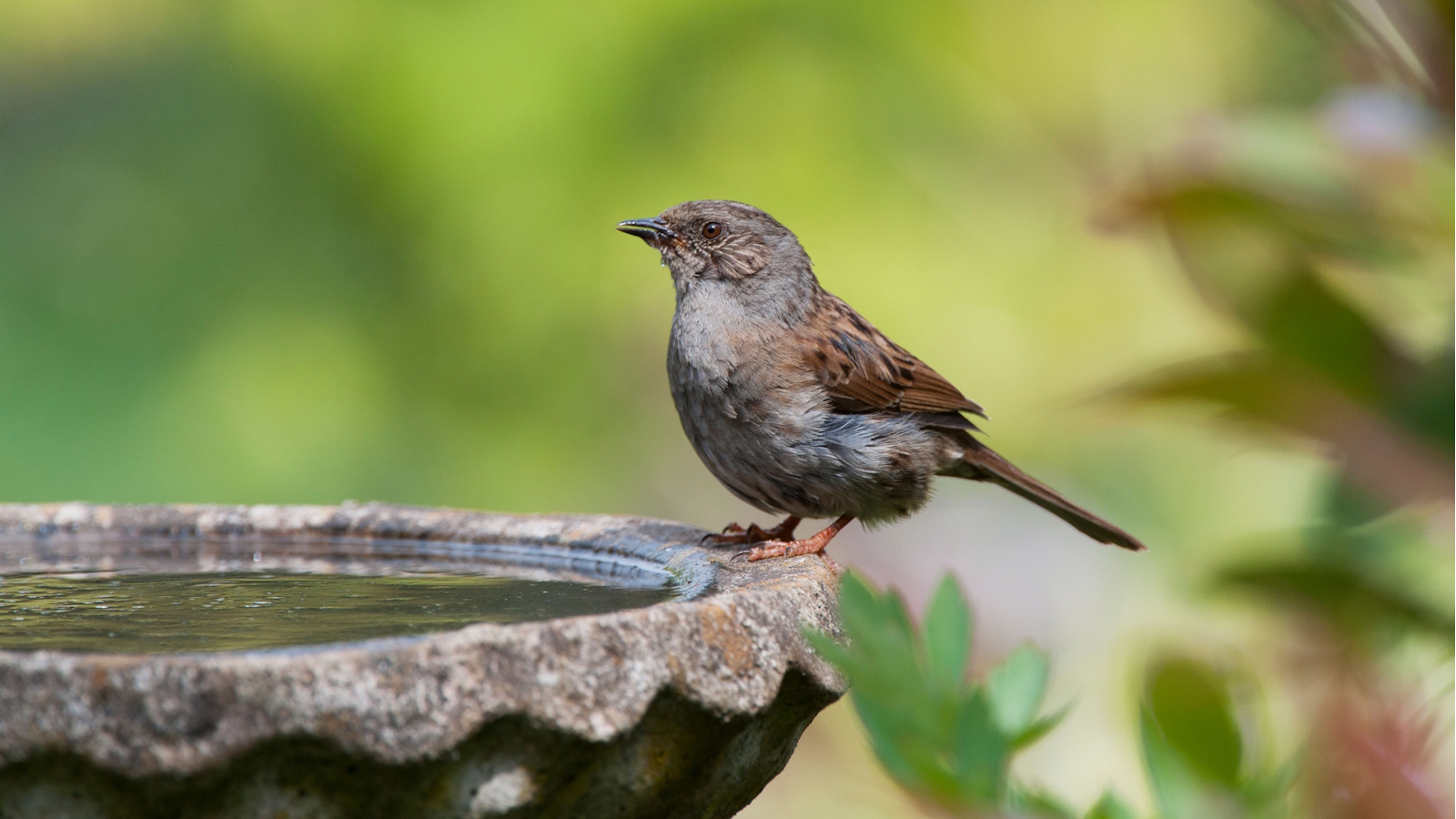
Birds need fresh water for drinking and bathing. Provide a clean birdbath or shallow dish. Change water often to prevent bacteria.
Small fountains or moving water attract birds more. Place water sources in shaded, quiet spots. This keeps water cool and inviting. Water availability supports birds through hot or dry times.
Frequently Asked Questions
Is Feeding Birds In Maryland Safe Year-round?
Yes, feeding birds in Maryland is generally safe year-round. Use clean feeders and appropriate food to prevent disease. Avoid feeding during extreme weather to protect birds from unhealthy habits.
What Foods Are Safe To Feed Maryland Birds?
Safe foods include black oil sunflower seeds, nyjer seeds, millet, and suet. Avoid processed or salty foods. Fresh water and native plants also support healthy bird populations.
Can Feeding Birds Attract Pests Or Predators?
Feeding birds can attract pests or predators if not managed properly. Clean feeders regularly and place them away from areas where predators hide. This keeps birds safe and reduces unwanted visitors.
How Often Should I Clean Bird Feeders In Maryland?
Clean feeders every two weeks or more often in wet weather. This prevents mold and disease spread among birds. Use mild soap and rinse thoroughly before refilling.
Conclusion
Feeding birds in Maryland can be a rewarding activity. It helps local bird populations thrive. But, always ensure the food is safe for them. Avoid bread and processed foods. Opt for seeds and nuts instead. Be mindful of local regulations and guidelines.
Observe the birds’ health and behavior closely. Clean feeders regularly to prevent disease. Enjoy the beauty and joy birds bring to your surroundings. Remember, a little care goes a long way. Happy birdwatching!