
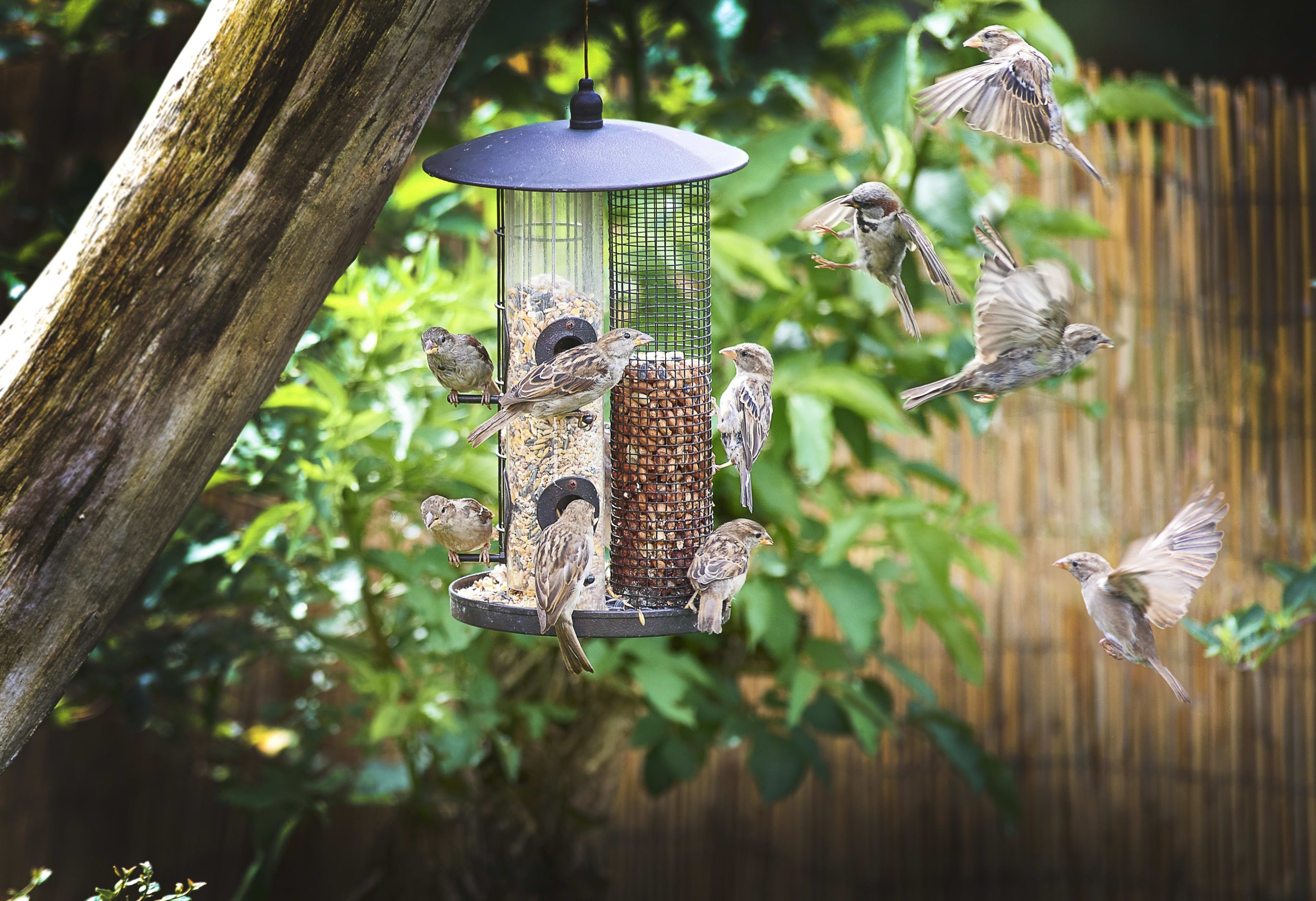
If you love watching birds visit your garden, you know how upsetting it can be when cats turn your peaceful space into a hunting ground. You want to protect those beautiful ground-feeding birds, but you might not know the best way to do it.
Imagine enjoying your yard without worrying about your feathered friends being chased or harmed. You’ll discover simple and effective ways to keep cats at bay and create a safe haven for the birds you care about. Keep reading—your garden’s little visitors will thank you.
Credit: www.birdfood.co.uk
Risks Cats Pose To Ground Feeding Birds
Cats pose serious risks to ground feeding birds. These birds spend much time on the ground searching for food. This behavior makes them easy targets for cats. Understanding these risks helps protect vulnerable bird species.
Predatory Behavior Of Cats
Cats are natural hunters. They use stealth and speed to catch prey. Ground feeding birds cannot easily escape from cats. Even well-fed cats hunt due to their instincts. This behavior threatens bird safety in gardens and parks.
Impact On Bird Populations
Cat predation reduces bird numbers quickly. Many ground feeding birds have low reproduction rates. Losing adults affects the whole population. Bird species struggle to recover from heavy losses. This can lead to local extinction in some areas.
Common Ground Feeding Bird Species At Risk
- Robins
- Thrushes
- Wrens
- Sparrows
- Blackbirds
These birds often forage on lawns and under bushes. Their ground-level habits make them vulnerable to cats. Protecting these species is crucial for biodiversity and garden health.
Credit: dengarden.com
Creating Safe Feeding Areas
Creating safe feeding areas is essential to protect ground feeding birds from cats. By carefully setting up these zones, you give birds a chance to eat peacefully without constant fear. Let’s look at how you can design these spaces thoughtfully.
Choosing The Right Location
Select a spot that is open enough for birds to see approaching threats but also offers quick escape routes. Avoid placing feeders near dense shrubbery where cats can easily hide and pounce.
Think about your own yard. Have you noticed where cats usually linger? Placing feeders away from these hotspots reduces danger. A well-lit area during the day can also help birds stay alert.
Using Elevated Feeders
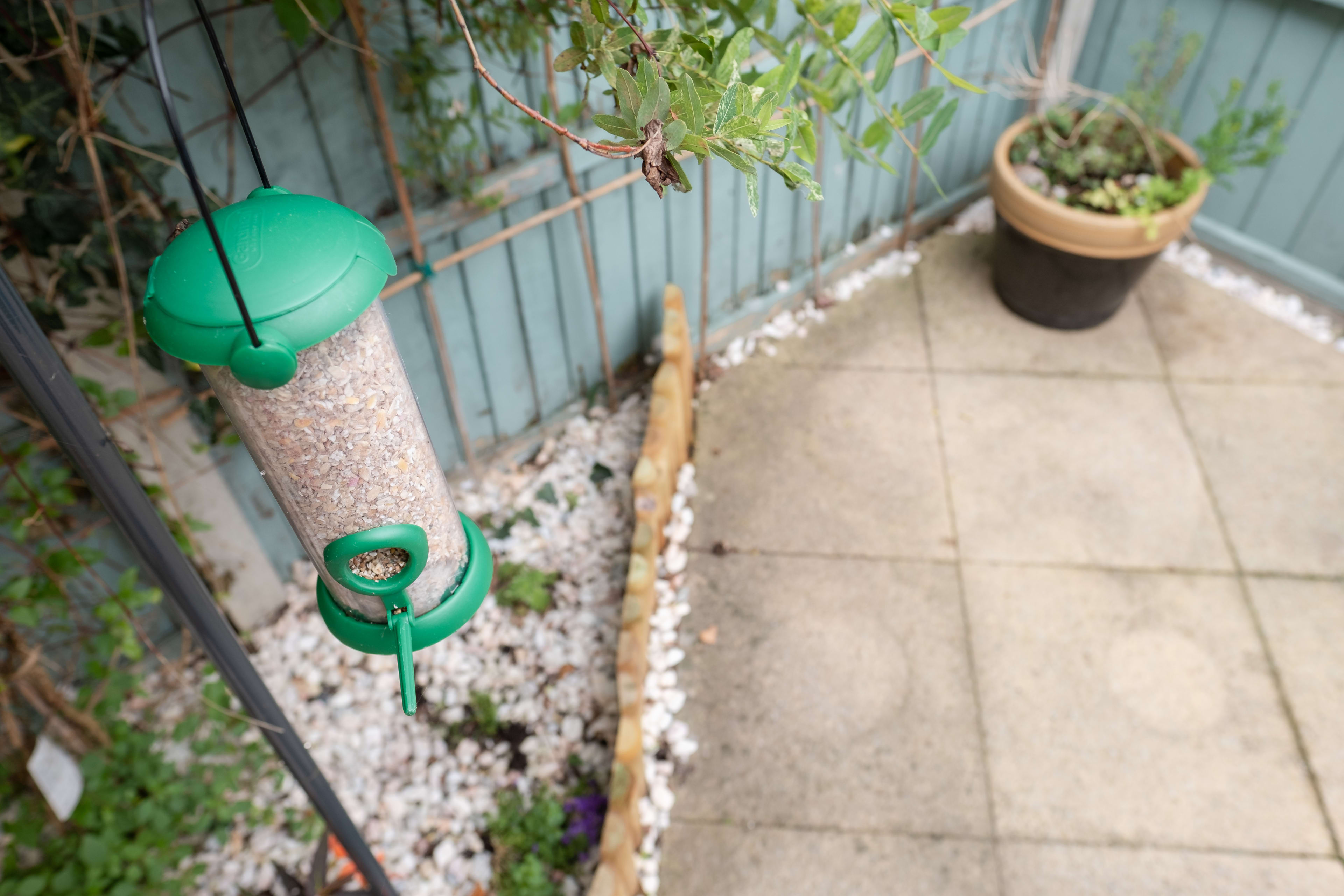
Elevated feeders keep food out of reach of cats, who can’t climb or jump that high easily. You can use poles or hang feeders from sturdy tree branches at least 5 feet above the ground.
Adding a smooth metal baffle on the pole makes it even harder for cats to climb. Have you tried this? It’s surprising how effective a simple barrier can be in keeping predators away.
Providing Natural Cover
Birds need nearby shelter to dart into when they sense danger. Planting thorny bushes or dense evergreens near feeding areas offers safe hiding spots.
This cover should be close enough so birds can quickly escape but not so close that cats can lurk inside. Consider adding native plants that attract insects too, giving birds extra reasons to stay safe in your yard.
Deterring Cats Effectively
Protecting ground-feeding birds from cats requires smart strategies. Cats are natural hunters and can harm birds quickly. Effective deterrents stop cats from entering bird feeding areas. Creating safe spaces helps birds feed calmly without fear. Use a mix of tools to keep cats away.
Physical Barriers And Fencing
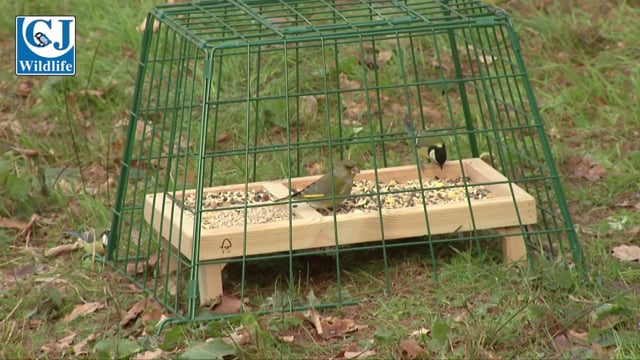
Physical barriers block cats from reaching birds. A low fence around the feeding spot works well. Use materials like chicken wire or mesh with small holes. The fence should be at least 2 feet high to prevent cats from jumping over.
Place the fence firmly in the ground. Avoid gaps where cats can slip through. Cover the top with angled netting if cats try to climb. Barriers create a clear, safe zone for birds to feed.
Motion-activated Devices
Motion-activated devices scare cats away without harming them. Devices like sprinklers spray water when cats approach. The sudden spray surprises cats and makes them leave.
Other devices use sound or light to deter cats. Ultrasonic sounds are unpleasant to cats but quiet for birds and humans. Bright flashing lights can also startle cats at night.
Place these devices near feeding areas. Adjust sensitivity to avoid disturbing birds. Motion-activated tools offer a gentle way to protect ground feeders.
Repellents And Scents
Repellents use smells cats dislike to keep them away. Natural scents like citrus peels, coffee grounds, or vinegar work well. Spread these around bird feeding spots.
Commercial cat repellents are available as sprays or granules. Apply them safely, following label instructions. Reapply after rain to keep the smell strong.
Combine repellents with barriers and devices for better results. Scents create an invisible boundary cats avoid crossing. This helps ground feeding birds stay safe and calm.
Encouraging Bird-friendly Habits
Encouraging bird-friendly habits is a key part of keeping ground feeding birds safe from cats. It means creating an environment where birds feel secure and supported while they feed. Small changes in how and when you feed birds can make a big difference in their safety and wellbeing.
Feeding Schedules And Timing
Setting a consistent feeding schedule helps birds develop a routine, which can reduce their vulnerability. Try to feed early in the morning and late in the afternoon when cats are less active or easily spotted.
Have you noticed birds visiting your yard more often at certain times? Aligning feeding times with these natural patterns improves their chances of spotting danger quickly. Avoid feeding at dusk, when cats tend to hunt more actively.
Selecting Bird-friendly Feed
Choosing the right type of food can keep birds grounded and less distracted, lowering their risk of falling prey to cats. Opt for seeds and grains that attract ground feeders but don’t spill excessively to avoid attracting rodents, which can draw cats closer.
Consider using larger seeds like sunflower or safflower, which birds handle quickly, reducing time spent on the ground. Have you tried mixing in some shelled peanuts or cracked corn? These options encourage quick feeding and less lingering.
Maintaining Clean Feeding Stations
Regularly cleaning feeding stations removes leftover food and prevents the buildup of scents that attract cats. A clean area also helps reduce the risk of disease among birds, keeping them healthier and more alert.
Make a habit of wiping feeders and clearing fallen seeds daily. You might find that birds return more often to a tidy spot where they feel safe. Could a simple cleaning routine be your best defense against unwanted visitors?
Community Involvement And Awareness
Protecting ground feeding birds from cats needs more than just personal effort. Community involvement plays a key role. Awareness among neighbors helps create safer spaces for birds. When many people act together, the impact grows stronger. Everyone can help by sharing knowledge and supporting local actions.
Educating Neighbors
Many people do not know how cats affect birds. Sharing simple facts can change this. Talk about how cats hunt birds and why birds feed on the ground. Suggest ways to keep cats indoors or supervised. Use flyers, local meetings, or social media posts. Clear, easy messages reach more people quickly.
Promoting Responsible Cat Ownership
Cat owners hold the key to protecting birds. Encourage them to:
- Keep cats indoors or in enclosed outdoor spaces.
- Use collars with bells to warn birds.
- Spay or neuter cats to reduce stray populations.
Responsible pet care reduces bird deaths and stray cats. Communities benefit when cat owners act thoughtfully.
Supporting Local Wildlife Groups
Local wildlife groups work hard to protect birds and habitats. Joining or donating to these groups boosts their efforts. They organize bird-friendly projects and spread awareness. Volunteering time helps with events and bird monitoring. Support from the community makes their work possible and more effective.
Credit: www.humaneworld.org
Frequently Asked Questions
How Can I Keep Cats Away From Ground Feeding Birds?
Use physical barriers like bird feeders with baffles. Install cat deterrents or motion-activated sprinklers near feeding areas. Plant dense shrubs to provide cover and reduce cat access.
What Are Safe Methods To Protect Birds From Cats?
Use humane cat deterrents such as ultrasonic devices or natural repellents. Avoid harmful traps or poisons that can injure cats or birds. Encourage responsible pet ownership to keep cats indoors.
Why Do Cats Pose A Threat To Ground Feeding Birds?
Cats are natural predators attracted to birds feeding on the ground. They hunt birds, causing stress and reducing bird populations. Protecting birds helps maintain local ecosystem balance.
Can Feeding Birds In Elevated Feeders Reduce Cat Attacks?
Yes, placing feeders off the ground limits cat access. Use poles with baffles to prevent cats from climbing. Elevated feeders provide safer feeding spots for birds.
Conclusion
Protecting ground feeding birds from cats is crucial for their safety. Simple steps can make a difference. Install barriers around bird feeders. Keep feeding areas clean and clear. This helps birds feel safe. Offer food in elevated spaces. Cats find it hard to reach high spots.
Monitor cats in your yard. A watchful eye ensures birds stay safe. Educate neighbors about bird safety. A community effort boosts results. By taking these actions, you help birds thrive. They bring joy and beauty to your garden. Let’s keep them protected and happy.