
Finding an injured wild bird can be upsetting, and you want to help right away. But do you know what to feed an injured wild bird to give it the best chance of recovery?
Giving the wrong food can do more harm than good. You’ll learn simple, effective ways to care for these fragile creatures with the right nutrition. Keep reading—your quick actions and choices could make all the difference to that bird’s survival.
Identifying The Bird’s Species
Knowing the bird’s species is key to providing the right care. Each species has different needs and diets. Identifying the bird helps avoid feeding mistakes. It also increases the bird’s chance of recovery.
Look at size, color, and beak shape. Note the bird’s behavior and sounds too. Use a bird guide or app for quick ID. Photos can help confirm the species later.
Common Injured Wild Birds
- Pigeons and doves – often found in urban areas
- Sparrows – small, brownish birds common in parks
- Robins – known for their red chest feathers
- Blue jays – bright blue with white and black markings
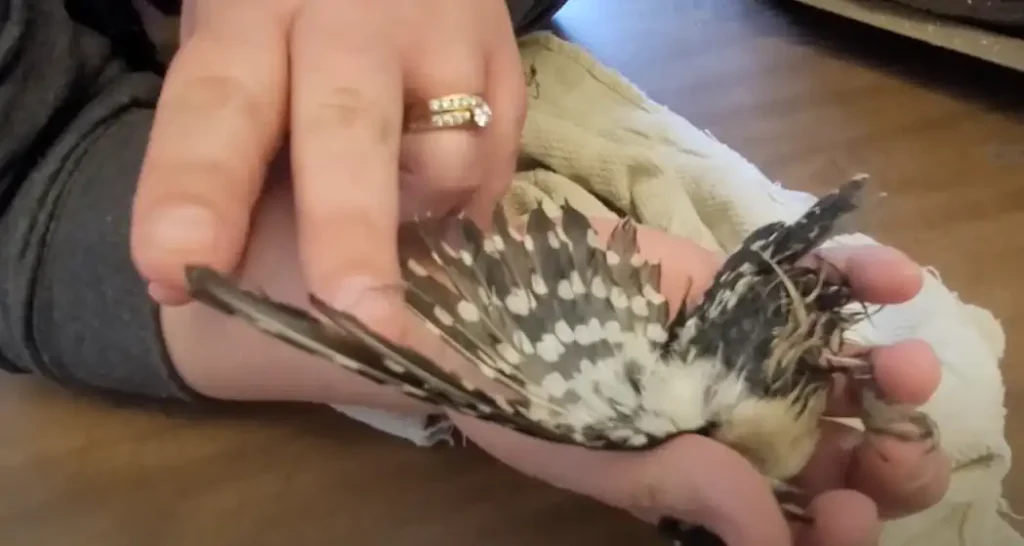
- Woodpeckers – distinct pecking behavior, spotted or striped patterns
- Hawks – larger birds of prey with sharp talons and hooked beaks
Diet Variations By Species
| Bird Species | Preferred Food | Feeding Tips |
|---|---|---|
| Pigeons and doves | Seeds, grains, small fruits | Offer soaked seeds for easier eating |
| Sparrows | Small seeds, insects | Provide a mix of seeds and live or dried insects |
| Robins | Worms, berries | Fresh worms and soft fruits work best |
| Blue jays | Seeds, nuts, insects | Cracked nuts and mealworms are ideal |
| Woodpeckers | Insects, larvae, nuts | Offer suet with insects or nuts mixed in |
| Hawks | Small mammals, birds, insects | Usually require whole prey; consult a wildlife expert |
Assessing The Bird’s Condition
Before offering any food to an injured wild bird, it’s crucial to carefully assess its condition. This helps you understand the bird’s immediate needs and whether feeding is appropriate or if it requires urgent medical attention. Knowing how to evaluate the bird can make a significant difference in its recovery.
Signs Of Injury
Look closely for visible wounds such as bleeding, cuts, or broken feathers. Notice if the bird is limping, unable to fly, or holding its wings awkwardly. Also, watch for unusual behavior like lethargy, shaking, or sitting still for long periods.
Sometimes injuries are hidden. For example, a bird may have internal trauma that you can’t see. If the bird is weak or unresponsive, these are serious signs that it needs professional help immediately.
Determining Feeding Ability
Check if the bird can swallow or open its beak without distress. Offer a small amount of water first to see if it can drink. If the bird refuses or shows difficulty, feeding might do more harm than good.
Watch for coordination issues like head tilting or drooling—these can indicate neurological problems that affect feeding. If the bird can eat, start with soft, easy-to-digest foods like soaked dog biscuits or mealworms. Avoid forcing food, as this can cause choking or stress.
Safe Feeding Practices
Feeding an injured wild bird requires care and attention. Safe feeding practices help the bird heal without causing harm. Proper food choices and avoiding dangerous substances are key. These steps support the bird’s recovery and well-being.
Choosing Appropriate Food
Select food that matches the bird’s natural diet. Small seeds, insects, or fruits often work well. Offer soft and easy-to-digest items to avoid choking. Fresh water should always be available to keep the bird hydrated. Avoid processed or salty foods as they can harm the bird.
Avoiding Harmful Substances
Never feed birds chocolate, caffeine, or alcohol. These substances are toxic and can cause serious illness. Avoid bread and dairy products as they offer little nutrition. Keep the feeding area clean to prevent infection. Use clean containers and change food regularly to stop bacteria growth.
Nutritional Needs For Recovery
Feeding an injured wild bird requires careful attention to its nutritional needs. Proper nutrition helps the bird heal faster and regain strength. Birds need a balance of protein, hydration, and vitamins during recovery. Providing the right food supports their immune system and tissue repair.
Protein Sources
Protein is vital for muscle repair and energy. Offer easily digestible protein options such as:
- Cooked eggs, scrambled or boiled
- Insects like mealworms or crickets
- Soft, finely chopped lean meats (chicken or turkey)
Avoid processed or salty foods that can harm the bird.
Hydration Tips
Water is essential for healing and overall health. Provide fresh, clean water at all times. Use shallow dishes to prevent drowning risks. Mist the bird gently with water if it appears dehydrated. Avoid sugary drinks or juices that can upset their digestion.
Supplemental Vitamins
Vitamins support the bird’s immune system and tissue growth. Add vitamin supplements designed for wild birds if possible. Natural sources like small fruits and leafy greens also help. Avoid giving human vitamins without professional advice, as some can be toxic.
Feeding Techniques
Feeding injured wild birds requires careful techniques to ensure their recovery. Proper feeding helps provide energy and nutrients without causing stress. Using the right methods supports healing and keeps the bird calm.
Hand Feeding Methods
Hand feeding allows close care and monitoring. Use gentle, slow movements to avoid frightening the bird. Offer food with clean fingers or a soft cloth. Place food near the bird’s beak to encourage eating.
Small, bite-sized pieces work best for easy swallowing. Always wash hands before and after feeding to prevent infection. Patience is key; some birds need time to accept hand feeding.
Using Feeding Tools
Feeding tools help deliver food safely and cleanly. Soft-tipped tweezers or small spoons work well. Avoid sharp or hard objects that might hurt the bird’s mouth.
Tools allow feeding precise portions and avoid contamination. Use a syringe or dropper for liquid or soft foods. Always keep tools clean and sterilized after each use.
Frequency And Portion Control
Feed small amounts often to avoid overfeeding. Injured birds tire easily and digest food slowly. Offer food every 2 to 3 hours during daylight.
Watch the bird’s response to adjust feeding size. Too much food can cause choking or discomfort. Proper portions support steady energy and faster healing.

Credit: www.brieftaubenshop.de
Creating A Comfortable Feeding Environment
Creating a comfortable feeding environment for an injured wild bird is essential for its recovery. A calm, secure space helps the bird focus on healing and nourishment. Your setup can make a big difference in how quickly the bird regains strength.
Safe Housing Setup
Choose a quiet spot away from loud noises and pets. A small box or cage lined with soft cloth creates a cozy shelter. Make sure the enclosure allows fresh air but protects the bird from drafts and sudden temperature changes.
Place food and water within easy reach to avoid stressing the bird. Avoid overcrowding the space with too many objects. Keep the environment clean and check daily for waste to prevent infections.
Minimizing Stress
Stress slows down healing. Speak softly and move slowly around your injured visitor. Limit handling to only what’s necessary for feeding and cleaning.
Observe the bird’s behavior closely. If it seems agitated, give it time alone before trying to feed again. Have you noticed how birds react differently to your presence? Respecting their cues can improve their comfort and recovery speed.
When To Seek Professional Help
Knowing when to seek professional help for an injured wild bird is crucial. Some injuries need expert care to avoid long-term damage or death. Acting quickly can improve the bird’s chance of survival.
Feeding or handling a bird without proper knowledge can sometimes cause more harm than good. Professionals have the skills and tools to treat injuries safely and effectively.
Veterinary Care Indicators
- Bird is bleeding heavily or has open wounds.
- Broken bones or visibly deformed limbs.
- Bird is unable to stand or fly.
- Signs of shock such as weakness, coldness, or unresponsiveness.
- Bird is breathing with difficulty or gasping for air.
- Presence of parasites or severe feather loss.
- Unusual behavior like seizures or extreme lethargy.
These signs require immediate veterinary attention. Delay can worsen the injury and reduce recovery chances.
Wildlife Rehabilitation Resources
Wildlife rehabilitators specialize in caring for injured wild birds. They offer proper medical treatment, nutrition, and safe environments for healing.
Local wildlife centers or animal rescue groups often provide rehabilitation services. They know how to handle wild birds without causing stress or harm.
Contacting a licensed rehabilitator is the best step after initial first aid. They can guide you on how to safely transport the bird and provide ongoing care.
Credit: www.earthofbirds.com

Credit: www.reddit.com
Frequently Asked Questions
What Should I Feed An Injured Wild Bird Immediately?
Offer soft, easily digestible foods like soaked dog biscuits or cooked rice. Avoid processed or seasoned foods. Provide fresh water in a shallow dish for hydration. Quick nourishment helps stabilize the bird before professional care.
Can Injured Wild Birds Eat Bread Or Milk?
No, bread and milk harm wild birds. Bread lacks nutrients and can cause malnutrition. Milk can upset their digestive system. Instead, provide natural foods like mealworms, seeds, or fruits suitable for the bird species.
How Do I Prepare Food For An Injured Wild Bird?
Soften seeds or pellets by soaking them in water. Mash fruits or vegetables into small pieces. Avoid adding salt or spices. Prepare food fresh and serve at room temperature to ensure easy consumption.
When Should I Stop Feeding An Injured Wild Bird?
Stop feeding once the bird is stable or under veterinary care. Overfeeding can cause health issues. Always seek advice from wildlife rehabilitators or vets for proper feeding schedules and care instructions.
Conclusion
Caring for an injured wild bird requires careful feeding choices. Offer the bird soft foods like soaked dog kibble or mashed boiled eggs. Ensure fresh water is always available. Avoid feeding bread or milk, as these can harm birds. Observe the bird’s response to food and adjust as needed.
Contact a wildlife rehabilitator if unsure about feeding or if the bird needs more help. Your efforts can make a big difference in the bird’s recovery. Remember, every small action counts in helping our wild friends heal.