
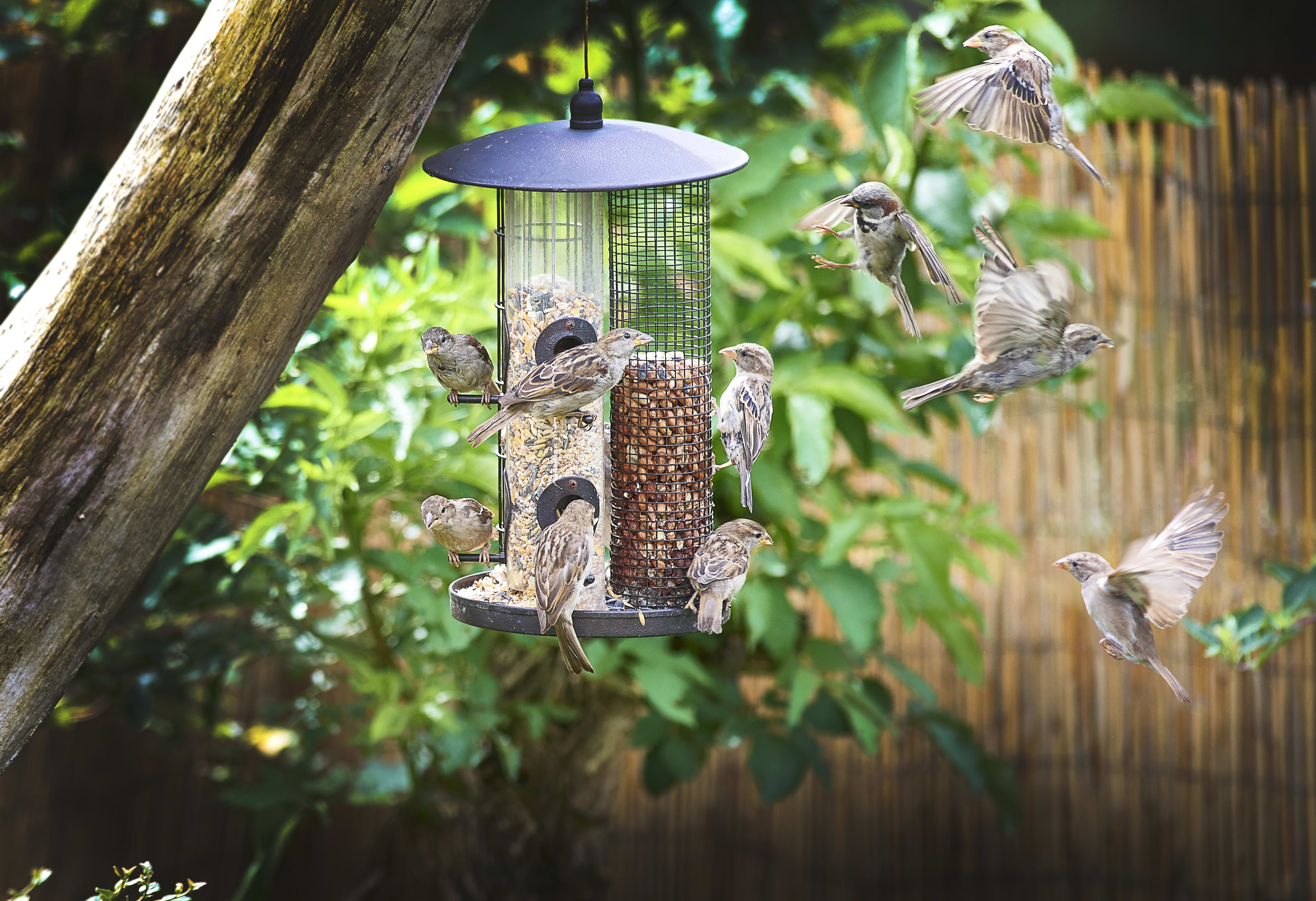
If you love watching birds visit your feeder, you know how quickly droppings can build up. Not only do these droppings make your feeder look messy, but they can also spread germs that harm the birds you want to attract.
Cleaning bird feeder droppings might seem like a hassle, but with the right steps, it can be quick and safe. You’ll discover simple, effective ways to keep your feeder clean and your feathered friends healthy. Keep reading—you’ll be surprised how easy it is to protect your birds and enjoy a spotless feeder all season long.
Credit: dengarden.com
Why Clean Bird Feeder Droppings
Keeping your bird feeder clean from droppings is more than just a matter of appearance. It directly impacts the health of the birds visiting your feeder and the overall environment around it. Ignoring droppings can lead to several problems that affect both the birds and your enjoyment of birdwatching.
Health Risks For Birds
Bird droppings can carry diseases like salmonella and avian pox, which spread quickly among visiting birds. When droppings accumulate, the risk of infection rises because birds often perch close together at feeders.
Have you noticed birds avoiding a feeder that looks dirty? That’s often because they sense contamination. Cleaning droppings regularly helps protect your feathered friends from preventable illnesses.
Preventing Mold And Bacteria
Droppings left on feeders create a perfect environment for mold and bacteria to grow. Moisture combined with organic matter like droppings speeds up this process, especially in humid or rainy weather.
Mold can block seed openings and cause the food to spoil faster. This not only wastes food but can also harm birds that eat contaminated seeds. Regular cleaning stops mold before it gets a foothold.
Maintaining Feeder Attractiveness
No one wants to look at a feeder covered in droppings. Dirty feeders repel birds and can discourage new visitors from stopping by.
Think about your own experience with cleanliness—would you return to a restaurant with dirty tables? Birds are just as picky. A clean feeder invites more birds and lets you enjoy a lively, colorful gathering.
Credit: dengarden.com
Best Tools For Cleaning
Cleaning bird feeder droppings is important for bird health and feeder longevity. Using the right tools makes the task easier and more effective. Proper tools help remove droppings without damaging the feeder. They also keep you safe from germs and bacteria.
Brushes And Scrapers
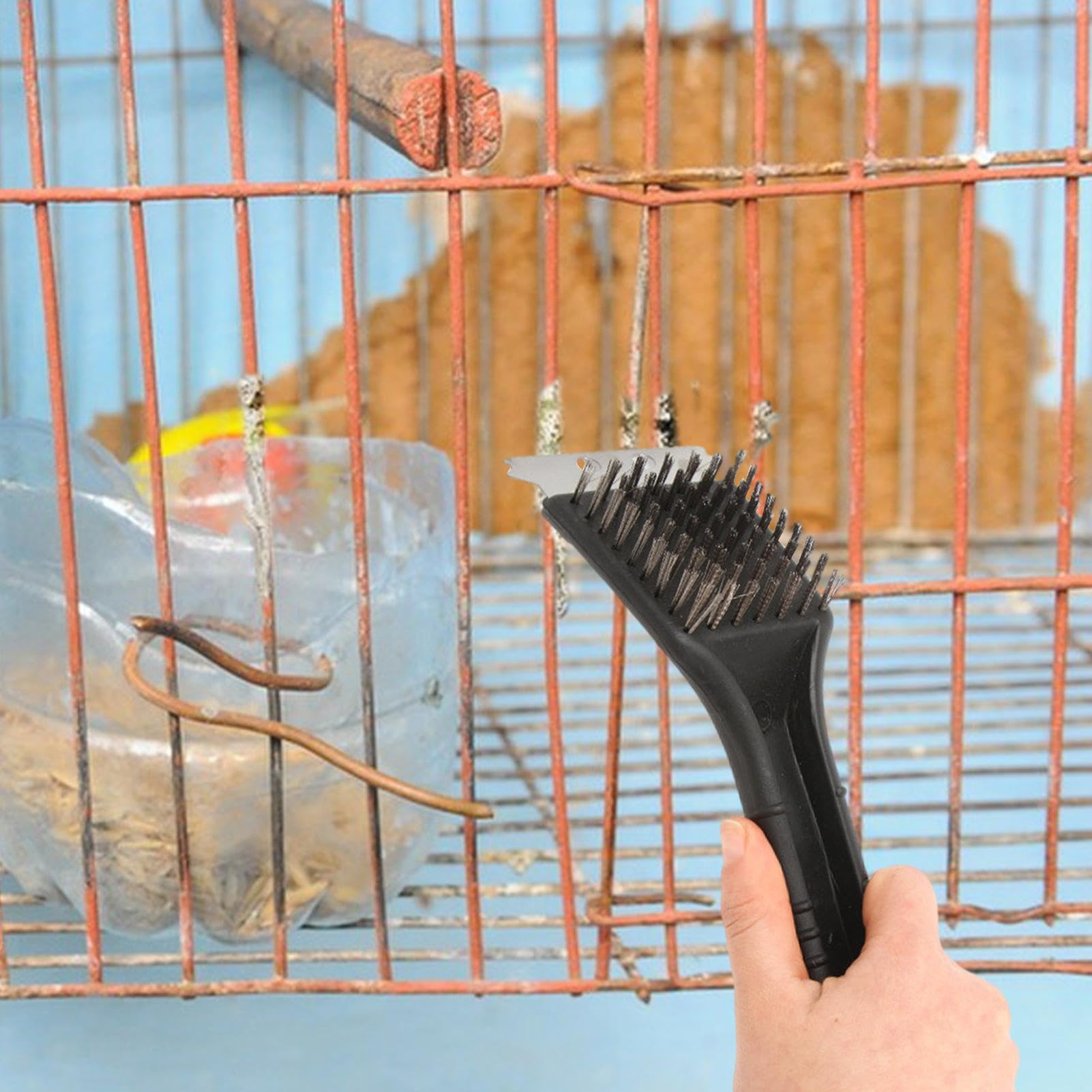
Use soft-bristled brushes to clean delicate parts. Stiff brushes remove hardened droppings efficiently. Scrapers help get off tough debris stuck on surfaces. Choose brushes with long handles for hard-to-reach spots. Nylon brushes resist wear and dry quickly after use.
Safe Cleaning Solutions
Mild soap mixed with warm water works well for most feeders. A diluted bleach solution kills germs but rinse thoroughly afterward. Avoid harsh chemicals that can harm birds. Vinegar is a natural cleaner and safe to use. Always test cleaning solutions on a small area first.
Protective Gear
Wear gloves to protect your hands from bacteria. Use a mask to avoid inhaling dust or mold spores. Eye protection guards against splashes of cleaning liquids. Old clothes or aprons keep your clothes clean. Proper gear reduces health risks during cleaning tasks.
Step-by-step Cleaning Process
Cleaning bird feeder droppings is essential to keep your feathered visitors healthy and your feeder inviting. The process might seem tedious, but breaking it down into simple actions makes it manageable and even satisfying. Let’s walk through an easy-to-follow routine that anyone can do.
Removing The Feeder
Start by taking the feeder down carefully. This prevents any droppings from falling onto your clothes or the ground, which could spread germs. Carry it to a suitable cleaning area, like a sink or outdoor hose setup, where you can work comfortably.
Scrubbing Off Droppings
Use a stiff brush or sponge to scrub away the droppings. Soap and warm water work well to loosen stubborn spots. If you notice any mold or stuck-on grime, add a little vinegar or mild bleach solution to your cleaning mix for extra power.
Have you ever thought about how often leftover droppings can harbor bacteria? Regular scrubbing keeps your feeder safe for birds and you.
Rinsing And Drying
Rinse the feeder thoroughly with clean water to remove all soap or cleaning agents. Any residue left behind could harm the birds. After rinsing, dry the feeder completely before refilling it—moist environments encourage mold growth, which you want to avoid.
Placing your feeder in direct sunlight for drying can also help disinfect naturally. Do you check your feeder regularly enough to keep it fresh and safe?
Natural Cleaning Alternatives
Cleaning bird feeder droppings naturally helps protect birds and the environment. Harsh chemicals can harm birds and plants nearby. Natural cleaning options work well and keep your feeder safe for visitors. These methods are easy, cheap, and use ingredients found at home. They remove dirt and germs without risking bird health.
Vinegar Solutions
Vinegar is a strong natural cleaner and disinfectant. Mix equal parts white vinegar and water in a spray bottle. Spray the solution on droppings and let it sit for 10 minutes. Scrub the feeder gently with a brush. Rinse well with clean water before refilling. Vinegar kills bacteria and removes stains without toxic effects.
Baking Soda Paste
Baking soda works as a mild abrasive and deodorizer. Make a paste by mixing baking soda and water. Apply the paste on droppings and scrub with a soft brush. This method loosens grime without scratching the feeder surface. Rinse thoroughly to remove all baking soda before use. It is safe for birds and eco-friendly.
Sunlight And Air Drying
Sunlight naturally disinfects by killing bacteria and mold. After cleaning, place your feeder in direct sunlight for several hours. Fresh air helps dry the feeder and reduces moisture, preventing mold growth. This simple step boosts cleanliness without any chemicals. It keeps the feeder fresh and inviting for birds.
Frequency Of Cleaning
Keeping your bird feeder clean is essential not just for the health of the birds but also for maintaining the beauty of your garden. The frequency of cleaning depends on several factors like weather, bird activity, and feeder type. Understanding how often to clean can save you time and prevent the spread of diseases among your feathered visitors.
Daily Quick Wipes
Doing a daily quick wipe helps you stay ahead of droppings buildup. Use a damp cloth or paper towel to gently clean around the feeding ports and perches. This small effort prevents sticky messes and keeps the feeder inviting for birds every day.
Think about how a quick daily wipe in your kitchen keeps the space fresh—your feeder needs similar attention. It only takes a minute but can make a huge difference in hygiene.
Weekly Deep Cleaning
Once a week, give your feeder a thorough cleaning to remove hidden grime and bacteria. Soak it in a solution of one part white vinegar to four parts water for about 30 minutes, then scrub with a brush. Rinse well and let it dry completely before refilling.
This weekly habit can prevent illnesses that often spread through contaminated feeders. Have you noticed more birds visiting after a deep clean? That’s a good sign you’re doing it right.
Seasonal Maintenance
Season changes bring different challenges. In spring and fall, clean your feeder more often to combat moisture and mold buildup. During winter, check for ice or snow accumulation that can hide droppings.
At the end of each season, inspect your feeder for wear and tear. Replacing old feeders or parts can be just as important as cleaning to keep your bird visitors safe and comfortable.

Credit: extension.msstate.edu
Preventing Droppings Build-up
Keeping your bird feeder clean is essential not only for the health of the birds but also for your outdoor space. Preventing droppings build-up saves you time and effort in the long run. It also keeps the area more pleasant and reduces the risk of spreading diseases among visiting birds.
Feeder Placement Tips
Where you place your bird feeder can make a big difference. Avoid hanging it directly above patios, decks, or walkways to keep droppings away from high-traffic areas.
Position feeders near bushes or trees so birds have natural perches nearby. This encourages them to land away from your feeder after feeding, which helps reduce droppings below it.
Have you noticed how some feeders under open sky get messier faster? Try placing yours in a spot that offers some cover but still allows easy access for cleaning.
Using Droppings Trays
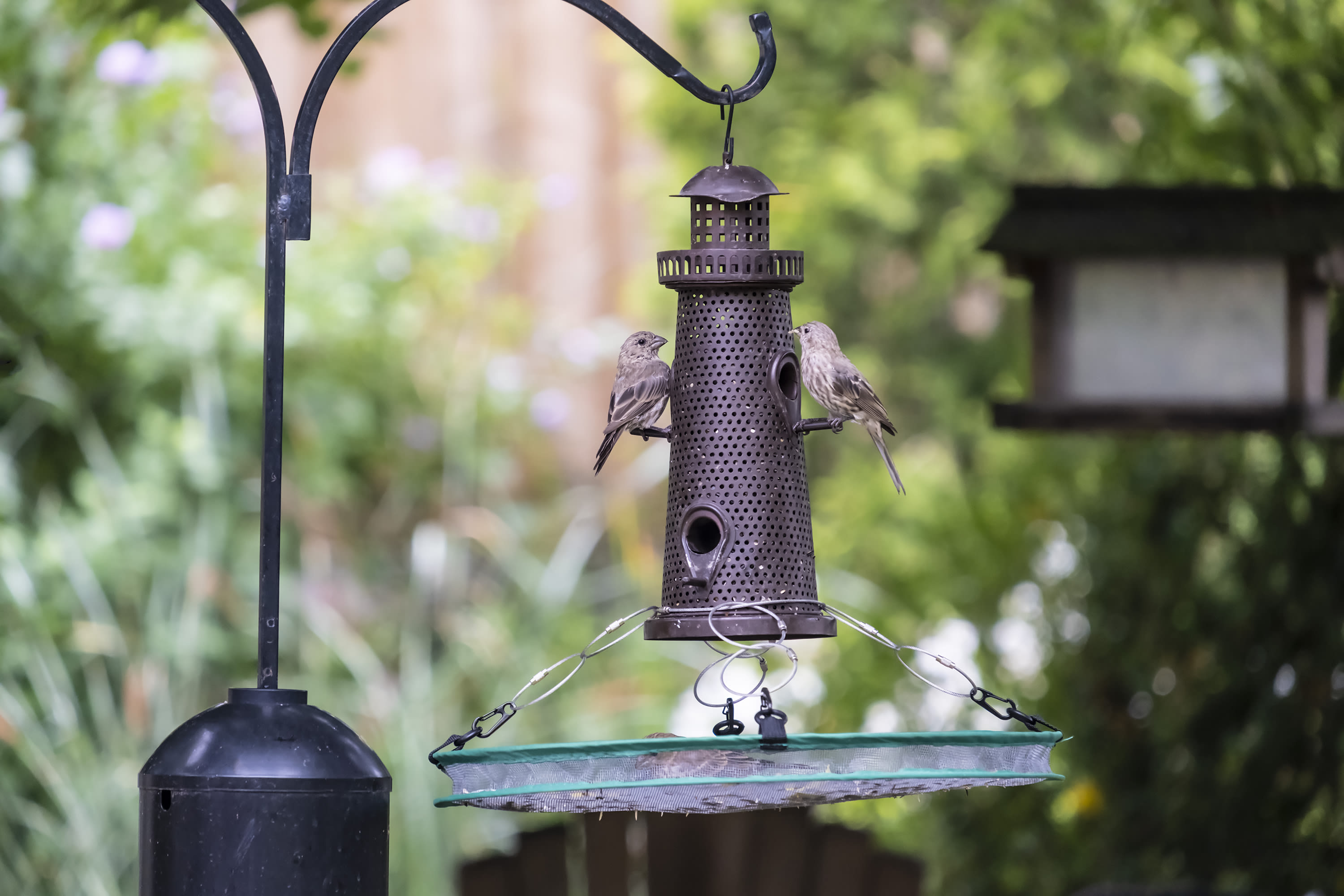
Add a droppings tray or a catch tray beneath your feeder. These trays collect droppings and spilled seeds, making clean-up much easier.
Choose trays that are easy to remove and wash. Some designs even fit perfectly under standard feeders, so you don’t have to drill or modify your setup.
Think about how much time you spend cleaning the area—would a simple tray save you that hassle each week?
Encouraging Bird Hygiene
Birds naturally clean themselves, but you can help by offering a birdbath near your feeder. Fresh water encourages birds to wash off droppings and dirt.
Keep the birdbath clean and refill it often. This simple addition can reduce the amount of mess around your feeding station.
Try observing your feathered visitors—do they use the bath regularly? If not, moving it closer to the feeder might increase their visits and improve hygiene.
Frequently Asked Questions
How Often Should I Clean Bird Feeder Droppings?
Clean bird feeder droppings every 1-2 weeks. Frequent cleaning prevents disease spread and keeps birds healthy. Regular maintenance ensures a safer feeding environment for your feathered friends.
What Tools Are Best For Cleaning Bird Feeder Droppings?
Use gloves, a scrub brush, and mild soap. A mixture of water and vinegar also works well. These tools effectively remove droppings without harming birds or feeders.
Can Bird Feeder Droppings Spread Diseases?
Yes, bird droppings can carry bacteria and parasites. Cleaning feeders regularly reduces the risk of disease transmission. Safe cleaning protects both birds and humans nearby.
Is It Safe To Use Bleach For Cleaning Feeders?
Diluted bleach (one part bleach to nine parts water) is safe. Rinse feeders thoroughly afterward to remove residue. Bleach kills harmful germs but must be used carefully.
Conclusion
Keeping bird feeders clean benefits both birds and your garden. Regular cleaning prevents disease and keeps droppings away. Use simple tools like a brush and soap. Always wear gloves for safety. Check feeders weekly for any mess. Clean promptly if droppings appear.
A clean feeder attracts more birds. Enjoy watching them in your yard. Cleanliness ensures their health and happiness. Your efforts make a difference. Birds deserve a safe and clean place. Happy bird watching!