
Have you ever wondered if feeding birds in summer is a good idea? You might think birds don’t need extra food when nature is full of seeds and insects.
But is that really true? What if feeding them could help more than you expect—or maybe even cause harm? You’ll discover surprising facts that will change how you see your backyard visitors. Keep reading to learn what’s best for your feathered friends and how your actions can make a real difference this summer.

Credit: m.youtube.com
Why Summer Feeding Matters
Feeding birds in summer helps them survive the hot months better. Birds need extra care as seasons change. The warm weather brings new challenges for wild birds. Offering food supports their health and energy. It also helps young birds grow strong. Summer feeding creates a safe place for birds near you.
Birds’ Changing Needs In Warm Months
Birds need different foods in summer than in winter. They eat more insects and fruits now. Baby birds require high-protein meals to grow fast. Adult birds work hard to find food for their chicks. Water becomes very important during hot days. Feeding stations can provide both food and water.
Impact Of Heat On Natural Food Sources
Heat can dry up natural food supplies. Insects may hide or become less active. Berries and fruits can spoil quickly under the sun. Droughts reduce available water and plants. Birds struggle to find enough food and water. Summer feeding helps fill these gaps and keeps birds healthy.
Credit: www.homesandgardens.com
Best Foods For Summer Birds
Feeding birds in summer requires thoughtful choices. Birds need foods that help them stay cool and hydrated. Offering the right foods supports their energy and health during hot days. Here are some of the best options to provide summer birds.
Hydrating Options To Offer
Water is the most important item for birds in summer. Fresh, clean water helps them stay cool and hydrated. You can also offer juicy fruits that contain high water content. These fruits provide moisture and nutrients at the same time.
- Fresh water in shallow dishes or birdbaths
- Watermelon chunks without seeds
- Cucumber slices
- Oranges or other citrus fruits, peeled and cut
- Grapes cut in half
Change water daily to avoid bacteria growth. Place fruits in small amounts to prevent spoilage.
Safe And Nutritious Treats
Birds need energy-rich foods for their busy summer days. Seeds and nuts are excellent sources of protein and fat. Select treats that are easy to digest and safe for birds.
- Sunflower seeds, unsalted and shelled
- Cracked corn
- Peanuts without salt or shells
- Mealworms or dried insects
- Oats or millet
Avoid processed foods or anything with salt and sugar. Keep treats fresh and offer in moderate amounts.
Feeding Practices To Avoid
Feeding birds during summer seems like a kind gesture, but some feeding habits can actually harm them. Knowing which practices to avoid ensures you support their health and safety. Let’s focus on common pitfalls that you should steer clear of to keep your feathered friends happy and healthy.
Foods Harmful In Hot Weather
Not all bird foods are safe when temperatures rise. Certain treats can spoil quickly or cause dehydration, making them dangerous for birds.
- Wet bread:Bread absorbs moisture and becomes moldy fast in heat, which can lead to digestive issues for birds.
- Fruit scraps:Overripe or fermenting fruit attracts pests and can upset birds’ stomachs.
- Processed foods:Salty, sugary, or oily snacks like chips or crackers harm birds’ health and disrupt their natural diet.
Have you noticed birds avoiding food left out on hot days? This could be their way of avoiding spoiled or unhealthy options.
Common Feeding Mistakes
Even well-intentioned feeders make errors that affect birds negatively. Avoid these common mistakes to provide better care.
- Leaving food out too long:Heat speeds up spoilage and bacterial growth. Remove uneaten food after a few hours to prevent illness.
- Using dirty feeders:Dirty trays or feeders harbor germs. Clean them regularly with hot water and mild soap.
- Overfeeding:Excess food can attract unwanted pests like rats or ants, creating hazards for birds.
- Ignoring water supply:Birds need fresh, clean water especially in summer. Don’t forget to refill and clean water dishes daily.
Think about how you manage your feeding station during warm months. Small changes can make a big difference in the health of your local bird population.
Creating A Bird-friendly Summer Habitat
Creating a bird-friendly summer habitat helps birds stay safe and healthy. Birds need more than just food during hot months. They require water and shelter to thrive. A garden or yard can become a summer sanctuary for birds. Small changes can make a big difference in their lives.
Providing Fresh Water Sources
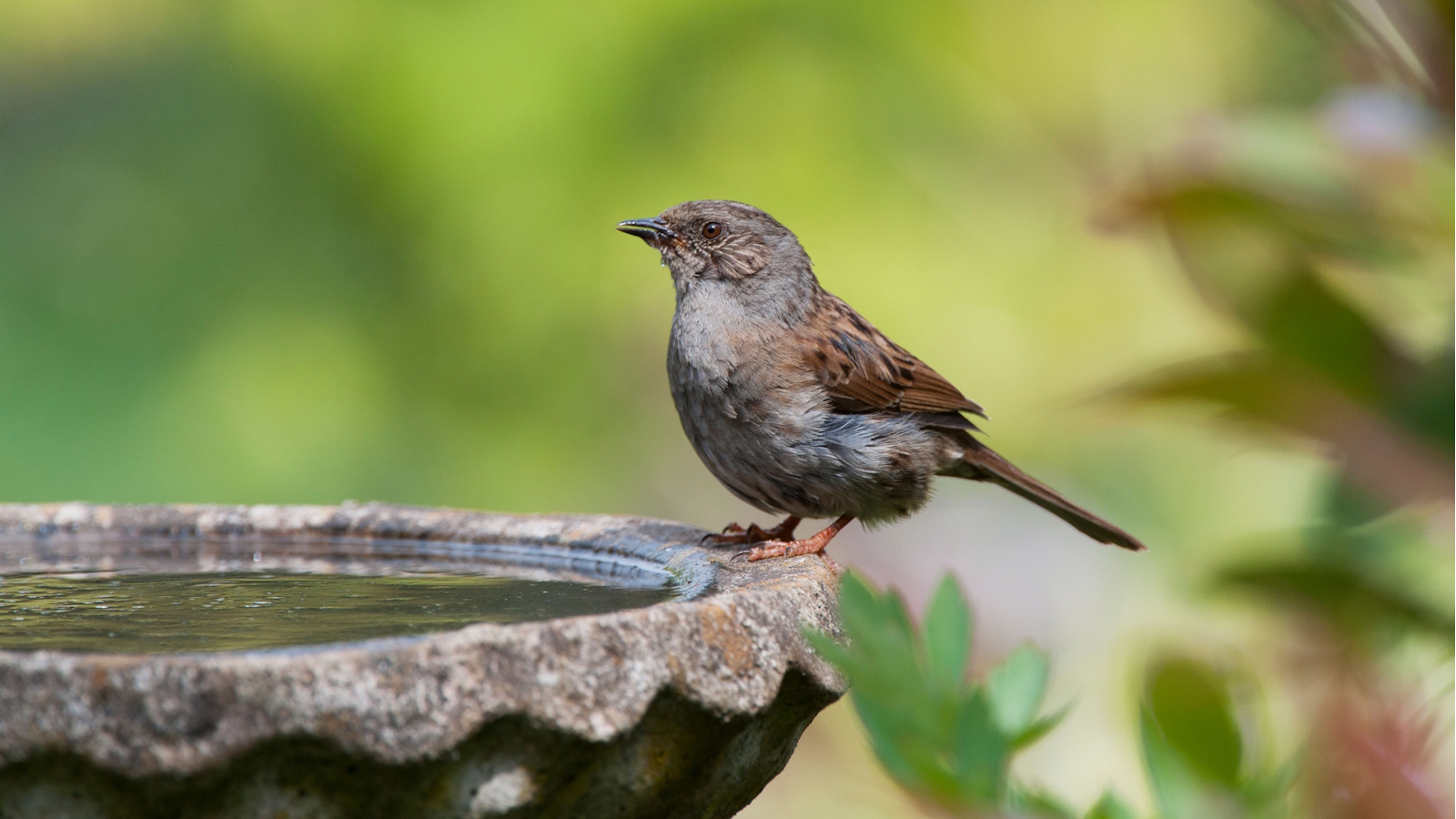
Birds need water to drink and bathe. Summer heat makes water even more important. Place shallow dishes or birdbaths in quiet spots. Change the water daily to keep it clean. Add small stones for birds to perch on safely. Moving water, like a dripper or fountain, attracts more birds. Ensure water is easy to reach and away from predators.
Planting Native Vegetation
Native plants offer natural food and shelter for birds. They attract insects that birds eat. Choose a mix of trees, shrubs, and flowers. Planting bushes with berries provides extra food in summer. Native plants need less water and care. They help create a natural and safe environment. Birds feel more comfortable in familiar surroundings.
Signs Birds Need Extra Help
Birds often show clear signs when they need extra help, especially during summer months. Warm weather can dry up natural water sources and reduce insect activity. Food may become scarce, making it harder for birds to find enough to eat. Watching their behavior helps you know when to offer extra food or water. Understanding these signs supports bird health and survival during challenging times.
Behavioral Cues In Summer
Birds that need help may act differently. They might look weak or tired more often. Some birds stay near feeders longer than usual. Others may visit your garden in groups, searching for food. You might notice birds calling loudly or frequently. These behaviors suggest they struggle to find enough food or water.
When To Increase Feeding
Increase feeding if birds visit your area more often. Notice if natural food sources like insects or berries are scarce. Hot, dry days reduce available water and food. During heatwaves, birds need extra water and seeds. Also, after storms or droughts, natural food may disappear quickly. Providing food regularly helps birds stay strong and healthy.
Credit: www.familyhandyman.com
Maintaining Clean Feeding Areas
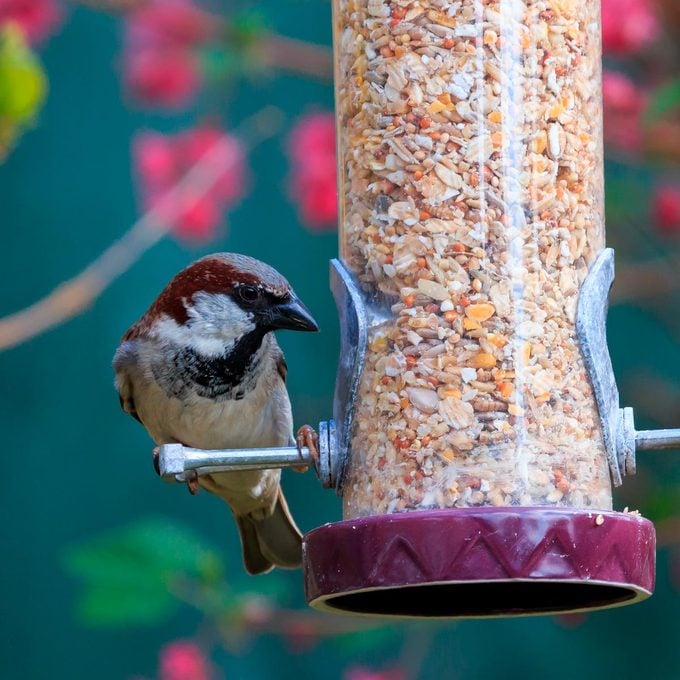
Maintaining clean feeding areas is essential if you choose to feed birds during summer. Dirty feeders can attract pests and create a breeding ground for harmful bacteria. Keeping these spots clean helps protect birds and ensures they keep coming back to your garden.
Preventing Disease Spread
Birds gather closely around feeders, which makes it easy for diseases to spread. Moldy seeds or leftover food can harbor germs that affect their health. Have you noticed sick birds avoiding your feeder? This often signals contamination.
To reduce risks, remove old or wet food quickly. Monitor your feeders for droppings or signs of mold. Clean areas regularly to stop bacteria from multiplying and causing illness.
Best Cleaning Practices
Cleaning feeders doesn’t have to be complicated. Use warm water and mild soap to scrub all surfaces. Avoid harsh chemicals that might harm birds.
Rinse thoroughly to remove soap residue and let feeders dry completely before refilling. A simple routine of cleaning once a week, or more often in humid weather, keeps feeders safe.
Have you tried soaking feeders in a vinegar solution? This natural disinfectant removes stubborn grime and odors without risking bird health. Keeping your feeding areas spotless invites more feathered friends to visit safely.
Frequently Asked Questions
Should We Feed Birds In Summer?
Feeding birds in summer can help during dry spells or heat waves. Natural food is often sufficient, but water and seeds support their energy and hydration needs.
What Foods Are Best For Birds In Summer?
Offer fresh fruits, seeds, and suet in summer. Avoid bread or salty snacks. Providing clean water is crucial for bird hydration in hot weather.
How Often Should We Refill Bird Feeders In Summer?
Refill feeders daily in summer to keep food fresh and prevent mold. Hot weather speeds up food spoilage, so regular cleaning and refilling are essential.
Can Feeding Birds In Summer Attract Pests?
Yes, leftover food can attract pests like ants and rodents. Clean feeders regularly and remove uneaten food to keep pests away and protect birds.
Conclusion
Feeding birds in summer can be rewarding. It helps birds find food easily. Remember to provide fresh water too. Birds need water to drink and bathe. Choose seeds and fruits birds love. Keep feeders clean to prevent disease. Watch for any changes in bird behavior.
This can guide your feeding habits. Enjoy watching birds while helping them thrive. Your actions support local wildlife. It’s a small effort with big rewards. Happy birdwatching!