
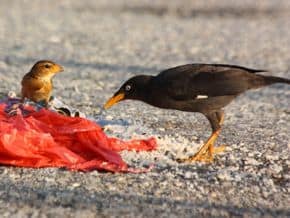
Have you ever wondered if it’s safe to feed rice to birds? Maybe you’ve seen people tossing rice at celebrations or feeding birds in your backyard and questioned whether it’s good for them.
You want to do the right thing for your feathered friends, but with so many opinions out there, it’s hard to know what’s true. Keep reading, and you’ll discover the surprising facts about rice and birds—what’s safe, what’s not, and how you can help your local wildlife thrive.
This simple knowledge could make all the difference for your bird visitors.

Credit: www.mirror.co.uk
Rice And Bird Diets
Rice can be a part of a bird’s diet, but not all types suit every species. Birds eat grains, seeds, fruits, and insects naturally. Rice offers a source of carbohydrates and some energy. Understanding the right kind of rice and its benefits helps in feeding birds safely.
Types Of Rice Birds Can Eat
- White rice: Cooked or uncooked, safe in small amounts.
- Brown rice: Contains more nutrients, best cooked for easier digestion.
- Wild rice: Not true rice but edible and nutritious for birds.
- Avoid sticky or seasoned rice, as it can harm birds.
Nutritional Value Of Rice For Birds
Rice mainly provides carbohydrates for energy. It has some protein but lacks essential fats and vitamins. Brown rice holds more fiber and minerals than white rice. Cooked rice is easier for birds to digest than raw rice. Rice should not be the only food, but a small part of a balanced diet.

Credit: www.chroniclelive.co.uk
Risks Of Feeding Rice To Birds
Feeding rice to birds often sparks debate among bird lovers. Some worry it harms birds, while others see no problem. Understanding the risks helps make the best choice for bird care.
Myths About Rice And Bird Health
Many believe rice causes birds to die or get sick. This idea likely comes from old stories or misunderstandings. Birds have eaten rice for centuries without harm. Uncooked rice does not expand enough in a bird’s stomach to cause damage. Cooked rice is soft and easy to digest for most birds. Myths spread quickly but lack strong evidence. Feeding rice is mostly safe if done in moderation and with care.
Potential Digestive Issues
Some birds might face mild stomach upset after eating too much rice. Overfeeding rice can cause imbalance in their diet. Birds need variety for good nutrition, not just rice. Too much rice can lead to diarrhea or loose droppings. Birds with sensitive stomachs might react differently. Always watch for changes in bird behavior or health after feeding rice. Mixing rice with seeds or fruits reduces any digestive risks.
Safe Feeding Practices
Feeding rice to birds can be a rewarding experience if done correctly. Safe feeding practices ensure the birds benefit without facing health risks. Understanding how much and when to offer rice is key to keeping your feathered friends happy and healthy.
Proper Portions And Frequency
Offering rice in small amounts is crucial. Birds don’t need large quantities; a handful sprinkled on the ground or feeder is enough. Overfeeding rice can disrupt their natural diet and cause digestive issues.
Think about how often you feed rice, too. Once or twice a week is plenty. Too frequent feeding might make birds rely on it, reducing their intake of natural foods like seeds and insects.
- Keep rice portions limited to a few tablespoons per feeding.
- Mix rice with other bird-friendly foods for balanced nutrition.
- Observe birds’ reactions and adjust portions if they seem uninterested or overly eager.
Best Times To Offer Rice
Timing matters when you feed rice to birds. Early morning is ideal because birds are most active then and need energy to start their day. Evening feeding can also be good, but avoid late night to prevent attracting unwanted pests.
Consider the season, too. During colder months, birds need more calories, so rice can be a helpful supplement. But in spring and summer, natural food is abundant, so limit rice feeding to avoid dependency.
- Feed rice early in the day for maximum benefit.
- Avoid feeding during extreme weather conditions.
- Be mindful of local wildlife activity to prevent attracting predators or pests.
Have you noticed how birds respond differently depending on when and how much you feed them? Paying attention to these details can make your feeding efforts more effective and enjoyable.
Alternative Bird Foods
Birds need a variety of foods to stay healthy and strong. Rice is often questioned as a bird food. Many safe and nutritious alternatives exist. These options provide better nutrients and support bird health in a natural way.
Seeds And Grains
Seeds and grains form the core of many birds’ diets. They are easy to find and offer good energy. Popular choices include:
- Sunflower seeds – high in fat and protein
- Millet – small and easy to eat
- Oats – provide fiber and nutrients
- Safflower seeds – less attractive to squirrels
- Cracked corn – good for ground-feeding birds
These foods suit many wild birds and backyard feeders. They encourage natural feeding habits and help birds prepare for colder months.
Fruits And Vegetables
Fresh fruits and vegetables offer vitamins and moisture. Birds enjoy a variety of tastes and textures. Some safe options are:
- Apple slices – avoid seeds and core
- Berries – blueberries, strawberries, raspberries
- Grapes – cut in half for small birds
- Carrots – shredded or chopped finely
- Peas – fresh or thawed frozen peas
These provide essential nutrients and hydration. They also attract different bird species to your garden.
Tips From Bird Experts
Bird experts offer valuable advice when it comes to feeding rice to birds. Their tips focus on keeping birds safe and encouraging natural behaviors. Understanding these recommendations helps you support local wildlife responsibly.
Recommended Feeding Techniques
Experts suggest using uncooked, plain rice rather than cooked rice, which can clump and cause digestive issues. Scatter small amounts on flat surfaces like bird tables or in shallow dishes to prevent waste and attract more birds.
Mixing rice with other seeds or grains can provide a balanced diet and make feeding more appealing. Avoid using rice with added salt, spices, or seasonings, as these can harm birds.
- Offer rice in moderation to avoid dependency.
- Choose open areas to reduce the risk of predators.
- Clean feeding spots regularly to prevent mold and bacteria.
Observing Bird Behavior
Pay close attention to how birds respond to the rice you provide. Do they seem hesitant or eager? Noticing their reactions can help you adjust your feeding methods for better results.
Watch for signs of distress or discomfort, such as birds avoiding the rice or showing unusual behavior. This feedback is crucial to ensure you’re not unintentionally causing harm.
Have you noticed certain bird species favoring rice over other foods in your yard? This could indicate preferences you can cater to, enriching your bird-watching experience.

Credit: www.wildbirdscoop.com
Frequently Asked Questions
Can Birds Safely Eat Cooked Rice?
Yes, birds can safely eat cooked rice in moderation. It provides energy without harmful effects when plain and unsalted.
Is Uncooked Rice Harmful To Wild Birds?
Uncooked rice is not harmful to wild birds. Birds can digest it without health issues, contrary to common myths.
What Types Of Rice Are Best For Feeding Birds?
Brown and white rice are both safe for birds. Avoid seasoned or flavored rice to prevent health risks.
How Often Should I Feed Rice To Birds?
Feed rice occasionally as a treat, not a staple. A varied diet is essential for bird health.
Conclusion
Rice can be a simple treat for birds. Make sure it’s cooked and plain. Avoid adding salt or spices. Wild birds eat rice in small amounts. It’s safe in moderation. Watch for any signs of discomfort. Always provide fresh water.
Balance their diet with seeds and fruits. Keep their health as a priority. Responsible feeding ensures happy, healthy birds. Consider the species before feeding. Some birds might prefer other foods. Enjoy watching them thrive with the right care.