
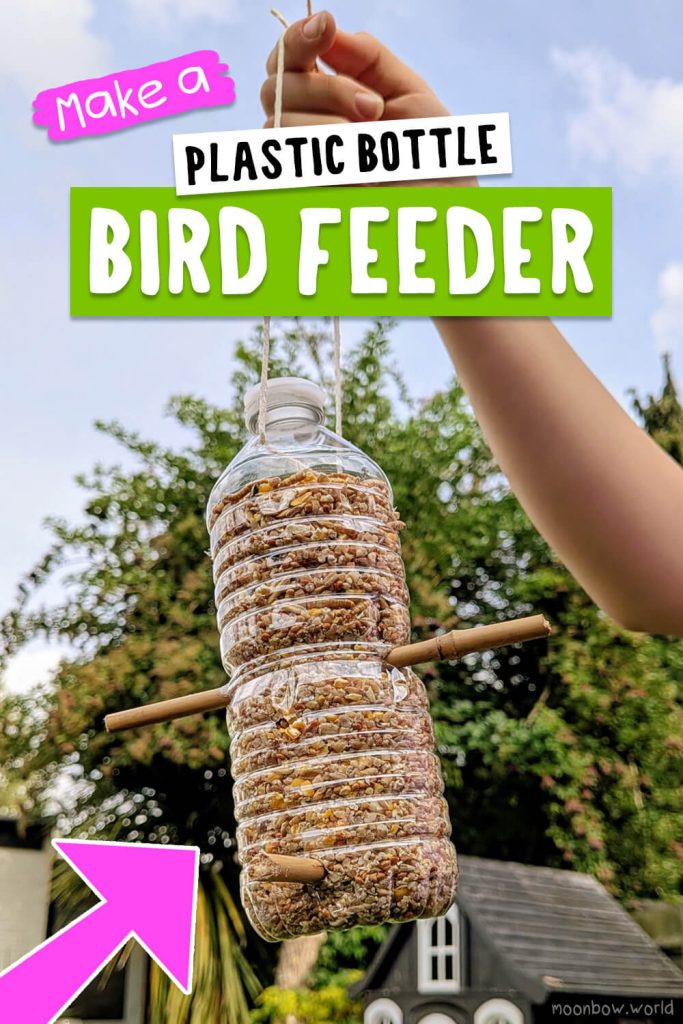
Are you looking for a fun and simple project to do with your kids? Making a children’s bird feeder is a great way to spend quality time together while bringing nature closer to your home.
Not only will you create something special, but you’ll also watch birds visit and enjoy the treat you prepared. Imagine your child’s excitement each time a colorful bird lands right outside your window! In this guide, you’ll find easy steps to build a bird feeder that’s perfect for little hands.
Ready to turn your backyard into a bird paradise? Let’s get started!

Credit: www.youtube.com
Choosing Materials
Choosing the right materials for your children’s bird feeder is key to making the project safe, fun, and successful. The materials you pick not only affect how the feeder looks but also how well it holds up outdoors and how safe it is for the birds and your kids. Let’s look at options that work best for young hands and the environment.
Safe And Kid-friendly Options
Safety should be your top priority when selecting materials. Avoid anything with sharp edges or small parts that could be swallowed. Softwoods like pine or cedar are great because they’re easy to handle and less likely to splinter.
Non-toxic paints and glues are a must. Look for labels that say “child-safe” or “non-toxic.” These protect your child during crafting and keep the birds safe once the feeder is outside.
Plastic containers are also popular but choose sturdy ones without cracks. Smooth edges are easier for kids to work with and safer for birds to perch on. Have you checked your recycling bin for items that fit this description?
Recycled Vs. New Supplies
Using recycled materials can make the project more creative and environmentally friendly. Empty milk cartons, old jars, or even unused kitchen utensils can turn into charming bird feeders. Plus, kids love the idea of giving new life to old things.
New supplies offer predictability and durability. You’ll know exactly what you’re getting, which can make the building process smoother. However, balancing new with recycled materials can add a unique touch and teach kids about sustainability.
- Recycled:Milk cartons, plastic bottles, tin cans, wooden scraps
- New:Craft wood, untreated pine boards, kid-safe glue and paint
Which materials do you think will spark your child’s creativity more—something found around the house or fresh supplies from the store?
Simple Bird Feeder Designs
Creating a bird feeder with your children can be a fun and rewarding activity. Simple designs make it easy to involve kids and keep their attention. These easy projects use common household items and teach children about nature while encouraging creativity.
Cup And Plate Feeder
This design uses a sturdy cup and a small plate or saucer. Attach the cup upside down on the plate’s center with a strong glue or tie it securely with string. Fill the plate with birdseed, and the cup acts as a roof, keeping seeds dry during rain.
You can customize it by painting the cup and plate in bright colors to attract birds. Have your child choose the colors—they’ll feel proud watching birds visit their creation. How might different colors affect the number of birds that come by?
Pinecone Feeder
Gather a pinecone and cover it with peanut butter or honey. Roll the sticky pinecone in birdseed until fully coated. Tie a string to the top and hang it from a tree branch.
This is a natural, biodegradable option that teaches kids about recycling nature’s gifts. Watching birds cling to the pinecone can be fascinating for children. What kinds of birds do you think will enjoy this feeder most?
Milk Carton Feeder
Take an empty milk carton and cut openings on the sides for birds to enter and access food. Poke holes near the top to thread a string for hanging. Paint the carton with waterproof paint or stickers to make it colorful and weather-resistant.
This design uses recycled materials, making it eco-friendly and educational. Kids can practice cutting and decorating skills here, too. How will adding perches near the openings change bird visits?
Step-by-step Building
Building a bird feeder with your children can turn a simple craft into a memorable outdoor experience. It invites curiosity about nature and encourages hands-on learning. The process is straightforward, making it perfect for young builders eager to see immediate results.
Gathering Tools
Start by collecting all the tools you’ll need. You’ll want items that are safe for kids but still effective, such as a small hammer, child-safe scissors, and a screwdriver with a comfortable grip.
Don’t forget the materials: wood pieces, nails or screws, string or wire for hanging, and a small container or tray to hold the seeds. Having everything ready upfront keeps the project smooth and enjoyable.
Assembling Parts
Begin by arranging the wood pieces on a flat surface. Help your child line up the base and sides carefully before attaching them. This step lets them learn about shapes and balance.
Use nails or screws to secure the parts together. If your child is too young to handle tools safely, you can do this part and let them hold the pieces in place. Ask them how the parts fit together and what might happen if they don’t hold tight.
Adding Finishing Touches
Once the feeder structure is stable, add features like a perch or a roof to protect the seeds. Painting or decorating with non-toxic paint makes it personal and colorful.
Finally, attach the string or wire to hang the feeder. Choose a spot visible from a window to watch your feathered friends visit. What colors or designs do you think will attract birds the most?

Credit: www.youtube.com
Choosing Bird Food
Choosing the right bird food is key to attracting a variety of birds to your children’s bird feeder. The food you select not only nourishes the birds but also keeps them coming back. It’s exciting to see which feathered friends show up based on what you offer.
Seeds And Grains
Seeds and grains are the most popular choices for bird feeders. Black oil sunflower seeds are a favorite among many bird species because they have a thin shell and high oil content, which provides plenty of energy.
Other good options include:
- Millet – loved by smaller birds like sparrows and finches.
- Cracked corn – attracts larger birds such as jays and doves.
- Oats and wheat – useful fillers that some birds enjoy pecking at.
Mixing different seeds can create a buffet that appeals to a wide range of birds. Have you noticed how some birds prefer one type over another? Offering variety lets your child observe these preferences up close.
Avoiding Harmful Foods
Not all foods are safe for birds. Bread, for example, is often given but can be harmful because it offers little nutrition and can cause health issues.
Steer clear of:
- Salty or processed snacks
- Chocolate, caffeine, and anything with sugar or artificial sweeteners
- Avocado and onion, which are toxic to many birds
It’s important to keep your feeder clean and free of moldy or spoiled food. Have you ever thought about how a simple mistake in feeding can affect bird health? Ensuring safe food helps your children learn responsibility and care for wildlife.
Placing The Feeder
Placing your children’s bird feeder in the right spot is key to attracting a variety of birds while keeping them safe. The location you choose affects how often you’ll see feathered visitors and how much they enjoy the feeder. It’s not just about convenience for you but also about creating a safe and welcoming environment for the birds.
Best Locations
Choose a spot that offers some natural cover, like near shrubs or trees, but not so close that predators can hide. A place visible from a window lets your children watch the birds up close, adding to their excitement and learning.
Consider these tips for placement:
- Place the feeder at least 5 feet off the ground to keep it out of reach from cats and other animals.
- Pick a location with some shade to prevent the seeds from spoiling quickly in the sun.
- Ensure it’s not too close to windows to avoid birds flying into glass; a distance of 3 feet or more is safer.
Have you noticed how birds prefer spots with easy access and some protection? Try different locations and watch which one attracts the most visitors.
Safety Tips For Birds
Keeping birds safe goes beyond placement. The feeder should be stable and secure to avoid accidents. If it wobbles, birds may hesitate to visit.
Follow these simple safety steps:
- Clean the feeder regularly to prevent mold and disease.
- Avoid placing feeders near areas where cats or squirrels can jump on them.
- Use feeders made of bird-safe materials without sharp edges.
Imagine your kids’ joy seeing birds visit often and thrive. Isn’t it worth spending a few extra minutes ensuring the feeder is both inviting and safe?
Teaching Kids About Birds
Teaching kids about birds through making a bird feeder opens a world of discovery right outside your window. It turns simple backyard moments into exciting learning adventures. Kids not only build something with their hands but also develop curiosity about nature and the creatures that visit their feeder.
Identifying Local Birds
Encourage your children to learn which birds live near you. You can start by keeping a bird guidebook or using a free app to identify common species. Ask your kids to note colors, shapes, and sounds they hear.
Try making a simple chart together with bird names and pictures. This visual aid helps kids recognize visitors and feel proud when they spot a new bird. What’s the most colorful bird you think might show up at your feeder?
Encouraging Observation
Observation skills grow when kids watch birds regularly. Set up a cozy spot near the feeder with binoculars or a magnifying glass. Invite your child to describe what the birds do—how they eat, fly, or interact with others.
Make it fun by keeping a daily journal or drawing pictures of the birds. This practice sharpens attention and creates lasting memories. How long can your child watch a bird before it flies away?
Maintaining The Feeder
Keeping your children’s bird feeder in good shape is key to attracting healthy, happy birds and teaching kids responsibility. Regular maintenance prevents mold, keeps seeds fresh, and ensures the feeder lasts through many seasons. Let’s look at how to keep your feeder clean and ready for every change in weather.
Cleaning Routine
Clean the feeder every two weeks to stop harmful bacteria from building up. Use warm, soapy water and a soft brush to scrub all parts thoroughly.
Rinse well and let it dry completely before refilling. Avoid harsh chemicals that could harm the birds.
Have you noticed if your kids enjoy helping with the cleaning? It’s a great way to teach them about caring for wildlife.
Seasonal Adjustments
Change your feeder’s setup according to the season to keep it inviting and safe for birds year-round. In winter, use seeds with higher fat content like sunflower or safflower to help birds stay warm.
During rainy seasons, make sure the feeder has a cover or place it under shelter to keep seeds dry and prevent mold. In spring and summer, clean more often as humidity speeds up seed spoilage.
Think about how your local birds’ habits change—are some migrating? Adjust the feeder to meet their needs or focus on species that stay through the year.

Credit: www.firefliesandmudpies.com
Frequently Asked Questions
What Materials Are Needed To Make A Children’s Bird Feeder?
To make a children’s bird feeder, you need simple materials like a plastic bottle, string, scissors, birdseed, and a small stick. These items are easy to find and safe for kids to handle during the project.
How Can Children Safely Build A Bird Feeder?
Children can safely build a bird feeder by using child-friendly tools and adult supervision. Avoid sharp objects and opt for lightweight materials to ensure a fun and secure crafting experience.
What Types Of Birdseed Attract Common Backyard Birds?
Sunflower seeds, millet, and cracked corn attract many backyard birds. These seeds are nutritious and popular with species like finches, sparrows, and chickadees, making your feeder a bird-friendly spot.
Where Is The Best Place To Hang A Children’s Bird Feeder?
Hang the bird feeder in a quiet, shaded area near trees or shrubs. This location provides birds with safety and easy access, encouraging frequent visits and enjoyable birdwatching.
Conclusion
Creating a children’s bird feeder is simple and fun. It encourages creativity and learning. Kids enjoy crafting, and birds love the treats. This activity brings nature closer to home. Plus, it’s a great way for family bonding. Children learn about different bird species too.
Remember, the feeder needs regular cleaning. Keep it stocked with fresh seeds. Watch the joy as birds visit. Enjoy this rewarding project with your kids. Building memories and nurturing a love for nature. A perfect blend of fun and education.
Happy bird-watching!