
Are you wondering how much it costs to feed wild birds? You might think it’s expensive or complicated, but the truth could surprise you.
Feeding wild birds is a wonderful way to connect with nature right in your backyard. Plus, it can be a relaxing and rewarding hobby. You’ll discover the real costs involved, so you can plan your bird feeding without any guesswork.
Keep reading to find out how to enjoy this pastime without breaking the bank.
Factors Affecting Bird Feeding Costs
Feeding wild birds costs vary based on several key factors. Understanding these can help manage expenses while attracting beautiful birds. Each factor changes how much you spend and affects your bird feeding routine.
Types Of Bird Food
Different foods have different prices. Seeds like sunflower or safflower cost more than mixed seed blends. Suet cakes and nectar attract specific birds but are pricier. Choosing basic seeds can save money. Specialty foods increase costs but attract more bird species.
Quantity And Frequency
The amount of food used directly affects costs. Feeding birds daily uses more food than feeding every few days. Larger bird populations need more food. Adjusting how often you refill feeders controls spending. Small feeders need less food, reducing costs.
Seasonal Variations
Bird feeding costs change with seasons. Winter requires more food as birds need extra energy. Summer feeding often costs less due to natural food availability. Migratory periods may increase feeding needs. Planning for seasonal changes helps budget better.
Bird Feeder Types
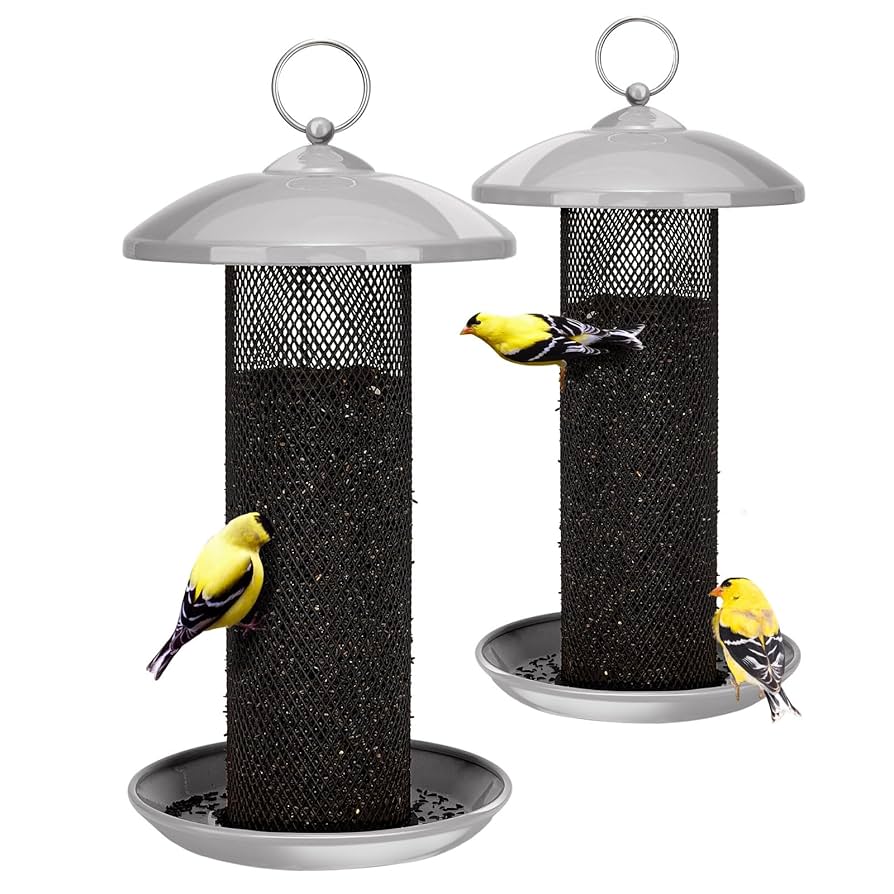
Different feeders impact food waste and cost. Tube feeders release seeds slowly, reducing waste. Platform feeders may cause more spillage, increasing food use. Hopper feeders protect food from rain but can be expensive. Investing in quality feeders saves food and money over time.

Credit: www.amazon.ca
Average Expenses For Bird Feeding
Feeding wild birds can be a joyful and rewarding activity. Understanding the costs helps manage your budget better. Expenses vary depending on the types of birds you attract and how often you feed them. Knowing the average costs can prepare you for this hobby.
Cost Of Seeds And Mixes
Seeds form the main part of bird feeding costs. Common options include sunflower seeds, millet, and nyjer. Prices depend on seed type and quality. Bulk bags often cost less per pound than small packs. Expect to spend around $10 to $30 per month for a regular feeder. Specialty mixes for specific birds may cost more.
Supplementary Foods
Supplementary foods attract a wider range of birds. These include suet, mealworms, fruit, and nuts. Suet cakes typically cost between $3 and $8 each. Mealworms can cost about $10 for a small container. Fresh fruit and nuts vary by season and location. These extras help birds stay healthy, especially in winter.
Feeder Maintenance
Maintaining feeders keeps birds safe and healthy. Cleaning supplies like brushes and mild soap are inexpensive. Replacement parts or new feeders can cost from $5 to $40. Proper care extends feeder life and prevents disease. Set aside a small budget monthly for upkeep and repairs.
Budget-friendly Bird Food Options
Feeding wild birds does not have to be expensive. Many options offer good nutrition at a low cost. Choosing budget-friendly bird food helps keep your feathered visitors happy without hurting your wallet.
Simple choices can attract a wide variety of birds. Some seeds and mixes provide great value and good energy for birds. Using kitchen scraps adds variety and saves money. These ideas make feeding birds both fun and affordable.
Affordable Seed Choices
Black oil sunflower seeds are a popular, cost-effective option. They have thin shells and high oil content, ideal for many bird species. Millet and cracked corn are also cheap and loved by ground-feeding birds.
- Black oil sunflower seeds
- White proso millet
- Cracked corn
- Peanuts (unsalted)
Buying seeds in bulk lowers the price per pound. Store seeds in a cool, dry place to keep them fresh longer.
Diy Bird Food Mixes
Making your own bird food mix saves money and controls ingredients. Combine different seeds and grains to suit local birds’ preferences. Mix sunflower seeds, millet, cracked corn, and a few nuts.
- 2 parts black oil sunflower seeds
- 1 part white proso millet
- 1 part cracked corn
- Optional: unsalted peanuts or oats
Store the mix in an airtight container. Offer it in feeders or spread on the ground to attract more species.
Using Kitchen Scraps
Many kitchen scraps make excellent bird snacks. Avoid anything salty, sugary, or seasoned. Birds enjoy plain rice, bread crumbs, and small pieces of fruit.
- Cooked or uncooked rice
- Unsalted bread crumbs
- Apple slices or berries
- Vegetable scraps like peas or corn kernels
Do not feed moldy or spoiled food. Clean feeders regularly to prevent disease.

Credit: www.amazon.ca
Smart Shopping Tips
Feeding wild birds can be a delightful hobby, but the costs can add up quickly if you’re not careful. Smart shopping helps you keep your feathered friends well-fed without emptying your wallet. Here are some practical tips to stretch your budget while still attracting a variety of birds to your yard.
Buying In Bulk
Purchasing birdseed in larger quantities often saves you money per pound. Bulk bags from warehouse stores or garden centers can be much cheaper than small packages from convenience stores. If you have space to store it properly, buying in bulk reduces frequent trips and packaging waste.
Think about how much seed your feeders use weekly. If you feed multiple feeders or several types of seed, buying a 20-pound bag can be more cost-effective. Just make sure to store the seed in a cool, dry place to keep it fresh and prevent pests.
Seasonal Sales And Discounts
Keep an eye on seasonal sales, especially during spring and fall when stores clear out old stock to make room for new products. You can find quality seed mixes and feeders at discounted prices during these times. Signing up for newsletters from bird supply stores can alert you to upcoming promotions.
Don’t overlook holiday sales like Black Friday or end-of-season clearances. Even local garden centers sometimes offer discounts to move inventory. It pays to plan your purchases around these sales rather than buying seed at full price all year round.
Local Vs Online Purchases
Buying locally lets you inspect the quality of seed before purchase and avoid shipping costs. Local stores often stock seed blends tailored to your region’s birds, which can attract more species. Plus, you support local businesses and get advice from experienced staff.
On the other hand, online shopping offers convenience and a wider selection, especially if you want specialty seeds or feeders. Look for reputable online retailers with good reviews and consider shipping costs when comparing prices. Sometimes, combining local and online purchases gives you the best of both worlds.
Maximizing Feeding Efficiency
Maximizing feeding efficiency is key to enjoying wild birds without overspending. Smart choices can stretch your bird food budget while keeping your feathered visitors happy and healthy. Simple adjustments to how and where you feed can make a big difference in both cost and bird activity.
Proper Feeder Placement
Where you place your bird feeder affects how much food gets eaten versus wasted. Position feeders in visible, sheltered spots that attract birds but are safe from predators. Placing feeders near natural cover like bushes can encourage birds to visit more often and stay longer.
Think about sun and wind exposure. A feeder in direct sun might cause seeds to spoil faster, leading to more frequent refills. Have you noticed birds avoiding feeders in open, windy areas? That’s a sign to move them.
Avoiding Waste
Waste can eat up your feeding budget quickly. Choose feeders designed to minimize seed spillage, such as tube feeders with perches or hopper feeders with seed trays. Avoid ground feeding unless you want to feed more than just birds.
Consider the type of seed you use. Some seeds attract squirrels and other critters that can consume large amounts. Using seeds that target specific bird species can help reduce unwanted visitors and waste.
Maintaining Feeder Cleanliness
Dirty feeders not only scare birds away but can also spread disease, causing you to replace food more often. Clean your feeders regularly with warm, soapy water and rinse well to keep them inviting and safe.
Check for mold or spoiled seeds frequently. Moldy seed is wasted seed, and it can harm your birds. Clean feeders increase feeding efficiency by ensuring the food you buy is actually eaten.
Additional Cost-saving Strategies
Saving money while feeding wild birds is possible with simple strategies. These approaches help reduce costs without cutting down on the joy of watching birds. Small changes can make a big difference in your budget.
Repurposing Household Items
Old containers, jars, and tins can turn into bird feeders. These items cost nothing extra and reduce waste. Use string or wire to hang them outside. This way, you save money and help the environment.
Eggshells and bread crumbs also provide food for some birds. Avoid buying expensive feed by using kitchen leftovers carefully. Always ensure the food is safe and clean for the birds.
Attracting Birds Naturally
Plant native flowers, shrubs, and trees in your yard. These plants offer natural food and shelter for birds. Birds visit more often when they find familiar and safe surroundings.
Leaving areas of your garden wild can attract insects and seeds. These natural food sources reduce the need for store-bought bird feed. Birds will appreciate the variety and come back regularly.
Community Sharing And Swaps
Join local birdwatching or gardening groups. Members often share bird feed, seeds, and feeders. Pooling resources lowers individual expenses and builds community bonds.
Organize swap events to exchange surplus bird food or equipment. This keeps costs down and avoids waste. Sharing knowledge about bird feeding also helps everyone enjoy the hobby more.

Credit: www.cbc.ca
Frequently Asked Questions
How Much Do Wild Bird Feeders Cost Annually?
Wild bird feeding costs vary from $20 to $100 annually. It depends on bird species, seed type, and feeder size. Bulk seed purchases reduce costs. Regular maintenance and occasional feeder replacement add minor expenses. Budgeting for seasonal changes can help manage feeding costs effectively.
What Type Of Bird Seed Is Most Cost-effective?
Black oil sunflower seeds are the most cost-effective. They attract many bird species and have high nutritional value. These seeds are affordable, widely available, and produce less waste. Buying in bulk lowers prices. This seed type balances cost and bird attraction efficiently.
How Often Should I Refill My Bird Feeder?
Refill your bird feeder once or twice weekly. Feeding frequency depends on bird activity and feeder size. Regular refills keep birds healthy and encourage repeat visits. During colder months, more frequent refills may be necessary. Clean feeders during refills to prevent disease.
Can Feeding Wild Birds Increase Garden Pests?
Feeding wild birds may attract some pests like squirrels. Using squirrel-proof feeders helps reduce this issue. Proper seed storage prevents rodent problems. Maintaining cleanliness around feeders minimizes pest attraction. Overall, benefits of bird feeding outweigh minor pest concerns.
Conclusion
Feeding wild birds offers joy and nature’s beauty at your doorstep. Costs vary by seed type and feeder choices. Basic seeds like sunflower are affordable. Special blends and suet cost more. Monthly expenses depend on bird population and feeding frequency.
Budget-friendly options exist, ensuring nature’s visitors come often. Choose wisely to maintain a sustainable feeding routine. Keep your feathered friends happy and your wallet balanced. Enjoy the simple pleasure of birdwatching. Nature’s spectacle unfolds in your backyard. An enriching experience for all ages.