
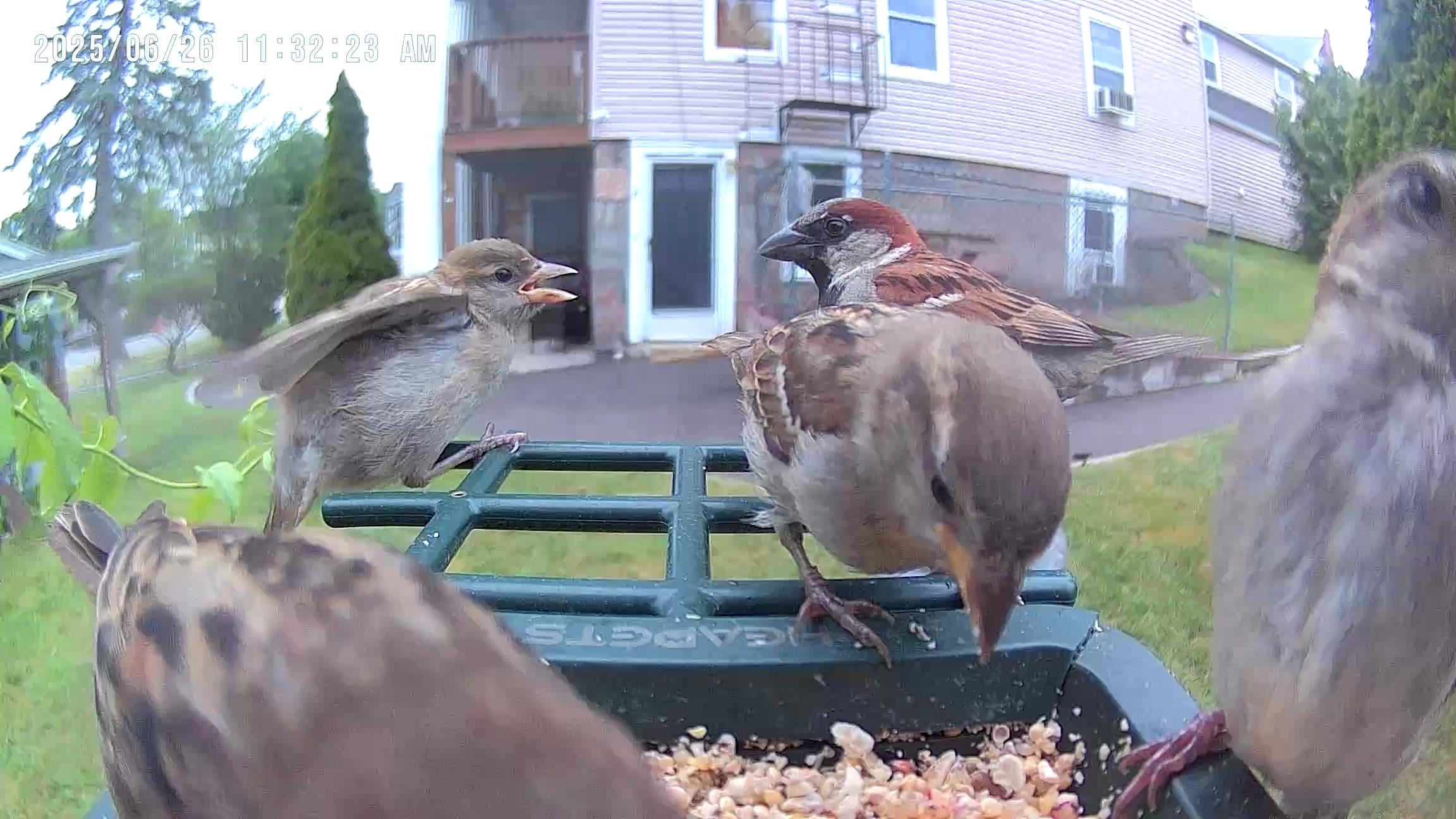
Have you ever filled your bird feeder, eagerly waiting for a flurry of colorful birds, only to find it empty and silent? It can be frustrating and disappointing.
You might wonder, “Why do the birds not come to my feeder? ” The answer isn’t always obvious, but understanding a few key reasons can change everything. You’ll discover simple fixes that will turn your quiet feeder into a lively bird hotspot.
Keep reading, and soon you’ll enjoy the joyful presence of birds right outside your window.

Credit: www.reddit.com
Common Reasons Birds Avoid Feeders
Birds may avoid feeders for several reasons. Understanding these can help attract more birds to your yard. Some issues relate to where the feeder sits. Others depend on the feeder type or the food offered. Safety and surroundings also affect bird visits. Let’s explore common causes why birds skip your feeder.
Location Challenges
Birds prefer feeders in quiet, safe spots. Too much noise or foot traffic scares them away. Feeders near windows can cause collisions. Placing feeders too close to shrubs may hide predators. Bright, open areas with some cover nearby work best.
Feeder Type Issues
Not all feeders suit every bird. Some birds like tube feeders; others prefer platform styles. Dirty feeders repel birds quickly. Feeders that are hard to perch on or reach can frustrate birds. Choose feeder types based on local bird species.
Food Preferences
Birds have favorite seeds and foods. Black oil sunflower seeds attract many species. Old or moldy seeds drive birds away. Avoid using bread or processed foods. Fresh, high-quality seed mixes increase visits.
Predator Concerns
Birds avoid feeders if predators lurk nearby. Cats and hawks pose threats. Place feeders where birds can spot danger. Keep feeders away from places predators hide. Safe feeding spots encourage frequent visits.
Environmental Factors
Weather impacts bird activity at feeders. Extreme heat or cold lowers visits. Heavy rain or strong winds keep birds away. Nearby construction or changes in landscape cause stress. Stable, calm environments invite birds to feed.

Credit: www.reddit.com
Choosing The Right Feeder
Choosing the right feeder plays a big role in attracting birds. Different birds prefer different feeders based on design, material, and size. A well-chosen feeder can make your backyard a favorite spot for birds. It also helps keep the food fresh and safe from pests.
Different Feeder Designs
Bird feeders come in many shapes. Tube feeders are good for small birds like finches. Hopper feeders hold more seed and attract larger birds. Platform feeders offer open space for many birds to feed at once. Nectar feeders work well for hummingbirds. Choose a design that suits the birds you want to see.
Material Matters
Feeders are made from plastic, metal, or wood. Metal feeders last longer and resist squirrels. Plastic feeders can be colorful but may crack in cold weather. Wooden feeders blend well with nature but need more care. Pick a material that fits your climate and style.
Size And Capacity
Feeders come in small, medium, and large sizes. Small feeders suit a few birds and need frequent refilling. Large feeders hold more food and attract more birds at once. Keep in mind the space you have and how often you can refill the feeder. A good size keeps food fresh and birds happy.
Selecting The Best Bird Food
Choosing the right bird food is key to attracting birds to your feeder. Different birds prefer different types of seeds and treats. Offering the right food makes your feeder more inviting and increases visits. Clean, fresh food is also important to keep birds healthy and happy.
Popular Seeds For Various Birds
- Black-oil sunflower seeds:Loved by many birds like finches, cardinals, and chickadees.
- Nyjer (thistle) seeds:Attracts small finches such as goldfinches and siskins.
- Safflower seeds:Preferred by cardinals and grosbeaks; squirrels tend to avoid them.
- Millet:Favorite of ground-feeding birds like sparrows and doves.
- Cracked corn:Draws in larger birds such as jays and pigeons.
Seasonal Food Choices
Bird preferences change with the seasons. In winter, high-fat foods help birds stay warm. Suet cakes and peanuts are good choices. Spring and summer bring many insects, so birds may eat fewer seeds. Offer softer foods like fruit or mealworms during warmer months. Adjusting food types helps keep birds visiting year-round.
Avoiding Spoiled Food
Old or moldy food can harm birds and scare them away. Check feeders often and remove wet or clumped seeds. Clean feeders regularly to prevent disease. Use fresh food and store extra seeds in a cool, dry place. Healthy food creates a safe feeding spot for birds to return.
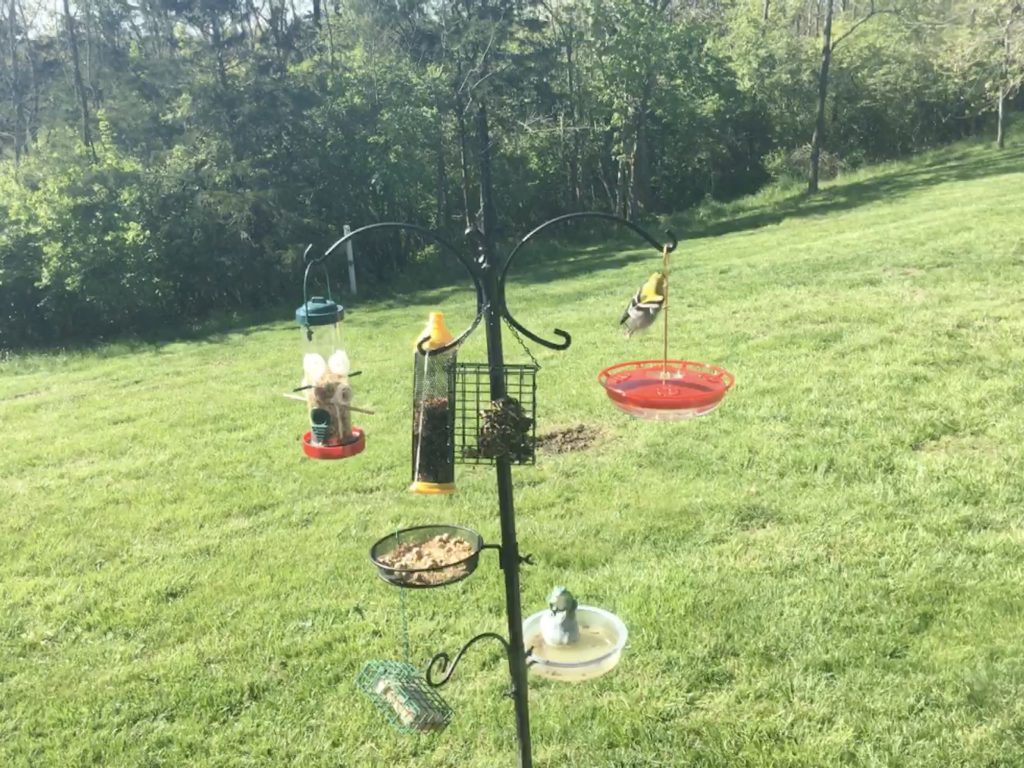
Credit: feederwatch.org
Creating A Bird-friendly Habitat
Creating a bird-friendly habitat is essential if you want birds to visit your feeder regularly. Birds need more than just food; they seek a safe and welcoming environment that meets their basic needs. By making your outdoor space inviting, you increase the chances of turning it into a lively bird hotspot.
Natural Shelter And Cover
Birds need places to hide from predators and rest comfortably. Adding shrubs, trees, or dense bushes near your feeder provides the natural cover they look for. You might notice that after planting a few native bushes, more birds start visiting because they feel safer.
Think about your own comfort—would you hang out somewhere without a bit of shade or protection from the wind? Birds feel the same way, so providing shelter is key.
Water Sources
Water is just as important as food for attracting birds. A simple birdbath or shallow dish filled with fresh water can make a big difference. If you keep the water clean and change it often, birds will come back not just to eat but to drink and bathe too.
Have you ever watched birds splash around in water? It’s a sign they feel at home. Adding a gentle dripper or small fountain can catch their attention and encourage visits.
Planting Native Flora
Native plants provide natural food sources like seeds, berries, and insects that birds depend on. They also attract the right kind of insects that many birds feed on. Planting a variety of native flowers, shrubs, and trees helps create a balanced ecosystem around your feeder.
Try to learn which plants are native to your area and add those to your garden. You might be surprised at how quickly birds start exploring when you provide familiar food and shelter.
Maintaining And Cleaning Feeders
Maintaining and cleaning bird feeders is essential for attracting birds. Dirty feeders can scare birds away. They also spread diseases among birds. Clean feeders offer fresh food and a safe place to eat. Regular care keeps birds coming back to your feeder.
Cleaning Frequency
Clean feeders at least once every two weeks. Clean more often in wet or humid weather. If you see mold or spoiled food, clean immediately. Regular cleaning prevents bad smells and keeps seeds fresh.
Preventing Mold And Disease
Mold grows fast on old seeds and wet feeders. It can harm birds and make them sick. Remove wet or clumped seeds often. Dry the feeder completely before refilling. Use safe cleaning solutions to kill germs and mold.
Safe Maintenance Practices
- Use a brush and warm soapy water for cleaning.
- Rinse feeders well to remove soap residue.
- Wear gloves to protect your hands.
- Check for cracks or damage and fix or replace feeders.
- Place feeders in shaded areas to keep seeds fresh longer.
Addressing Predators And Disturbances
Birds avoid feeders if they feel unsafe. Predators and disturbances scare them away. Addressing these issues helps birds visit more often. Creating a calm, secure space invites birds to stay longer.
Deterring Cats And Squirrels
Cats and squirrels pose threats to birds at feeders. Cats may hunt birds, making them avoid feeders. Squirrels steal food and chase birds away. Use these tips to keep them away:
- Place feeders on poles with baffles to block climbing.
- Use squirrel-proof feeders that close under weight.
- Keep cats indoors or use cat deterrents near feeders.
- Trim branches near feeders to prevent squirrel jumps.
Minimizing Noise And Activity
Loud sounds and constant movement scare birds. Sudden noises make birds fly off quickly. Keep noise levels low near feeders. Limit human activity in feeding areas.
- Move feeders away from busy walkways.
- Avoid loud talking or music near feeders.
- Place feeders in quiet corners of your yard.
- Watch feeders from a distance using binoculars or cameras.
Safe Feeder Placement
Location matters for bird safety. Feeders placed too close to hiding spots attract predators. Too open spots leave birds exposed. Find a balance with these tips:
- Put feeders 10 feet from shrubs or trees for quick escape.
- Place feeders 5 feet above ground to reduce predator access.
- Avoid areas with heavy foot traffic or pets.
- Keep feeders visible to birds but safe from predators.
Seasonal Tips For Attracting Birds
Seasonal changes affect bird behavior and feeding habits. Adjusting your feeder setup through the year helps attract more birds. Different seasons bring unique challenges and opportunities for bird feeding. Understanding these shifts keeps your feeder busy and lively.
Winter Feeding Strategies
Birds need extra energy to stay warm in winter. Offer high-fat foods like sunflower seeds, suet, and peanuts. Keep feeders clean and free of ice or snow. Place feeders near shelter like evergreens to protect birds from cold winds. Refill feeders often because birds visit more frequently.
Spring And Summer Adjustments
Many birds eat insects and fruit during warm months. Add nectar feeders for hummingbirds and fruit slices for orioles. Use thistle seed to attract finches and other small birds. Clean feeders regularly to prevent mold and bacteria growth. Offer fresh water for drinking and bathing as temperatures rise.
Fall Preparations
Birds prepare for migration or winter during fall. Provide calorie-rich foods like black oil sunflower seeds and suet. Keep feeding consistent to help birds build fat reserves. Remove feeders late in the season if migratory birds stop visiting. Clean feeders thoroughly to prepare for winter use.
Expert Tricks To Attract More Birds
If your bird feeder sits quietly, untouched by feathered visitors, you might wonder what’s missing. Attracting birds is more than just hanging a feeder; it’s about creating an inviting environment that speaks their language. Here are some expert tricks to help you welcome more birds to your yard and enjoy their lively presence every day.
Using Bird Calls And Sounds
Birds respond to familiar sounds. Playing recordings of bird calls can signal safety and food nearby. Try using a small speaker to play gentle chirps or songs during early morning or late afternoon when birds are most active.
Keep the volume low so it doesn’t scare them away. Experiment with different sounds to see which species your feeder attracts. Have you noticed how a simple sound can change the whole atmosphere in your garden?
Incorporating Bird Baths
Birds need water for drinking and bathing, so adding a bird bath near your feeder can make your spot irresistible. Moving water, like a small fountain or dripper, grabs their attention even more. Clean the bath regularly to keep the water fresh and safe.
Position the bath in an open area where birds can watch for predators. Watching birds splash and preen can be as rewarding as seeing them feed. What if your feeder becomes a full bird sanctuary with just a small water feature?
Timing And Patience
Birds don’t rush to new feeders. It takes time for word to spread among local flocks. Be patient and consistent with refilling your feeder, especially during the first few weeks.
Try visiting your feeder at different times to spot when birds are most likely to come. Early mornings and late afternoons often work best. Have you given your feeder enough time to become a regular stop for your neighborhood birds?
Frequently Asked Questions
Why Are Birds Not Visiting My Feeder?
Birds may avoid feeders due to location, food type, or predators nearby. Place feeders in quiet, safe spots. Use fresh, bird-preferred seeds and clean feeders regularly to attract more birds.
How Does Feeder Placement Affect Bird Visits?
Placement matters because birds prefer feeders near natural cover and away from predators. Avoid busy areas or places exposed to strong winds. Proper positioning encourages regular visits.
What Type Of Food Attracts More Birds?
Different birds prefer specific seeds like sunflower, nyjer, or millet. Using a variety of high-quality seeds increases attraction. Avoid stale or moldy food to keep birds coming back.
Can Feeder Cleanliness Impact Bird Visits?
Yes, dirty feeders can deter birds and spread disease. Clean feeders every two weeks with mild soap and water. Clean feeders ensure bird health and encourage frequent visits.
Conclusion
Birds bring joy and life to our gardens. Attracting them requires patience. Ensure feeders are clean and full. Use seeds that birds love. Place feeders in safe, quiet spots. Water sources help too. Observe and adjust as needed. Each garden is unique.
Understanding birds’ needs takes time. But it’s worth the effort. Enjoy the beauty and sounds they bring. Your garden can become a bird haven. Stay patient and persistent. Watch your feathered friends return.