
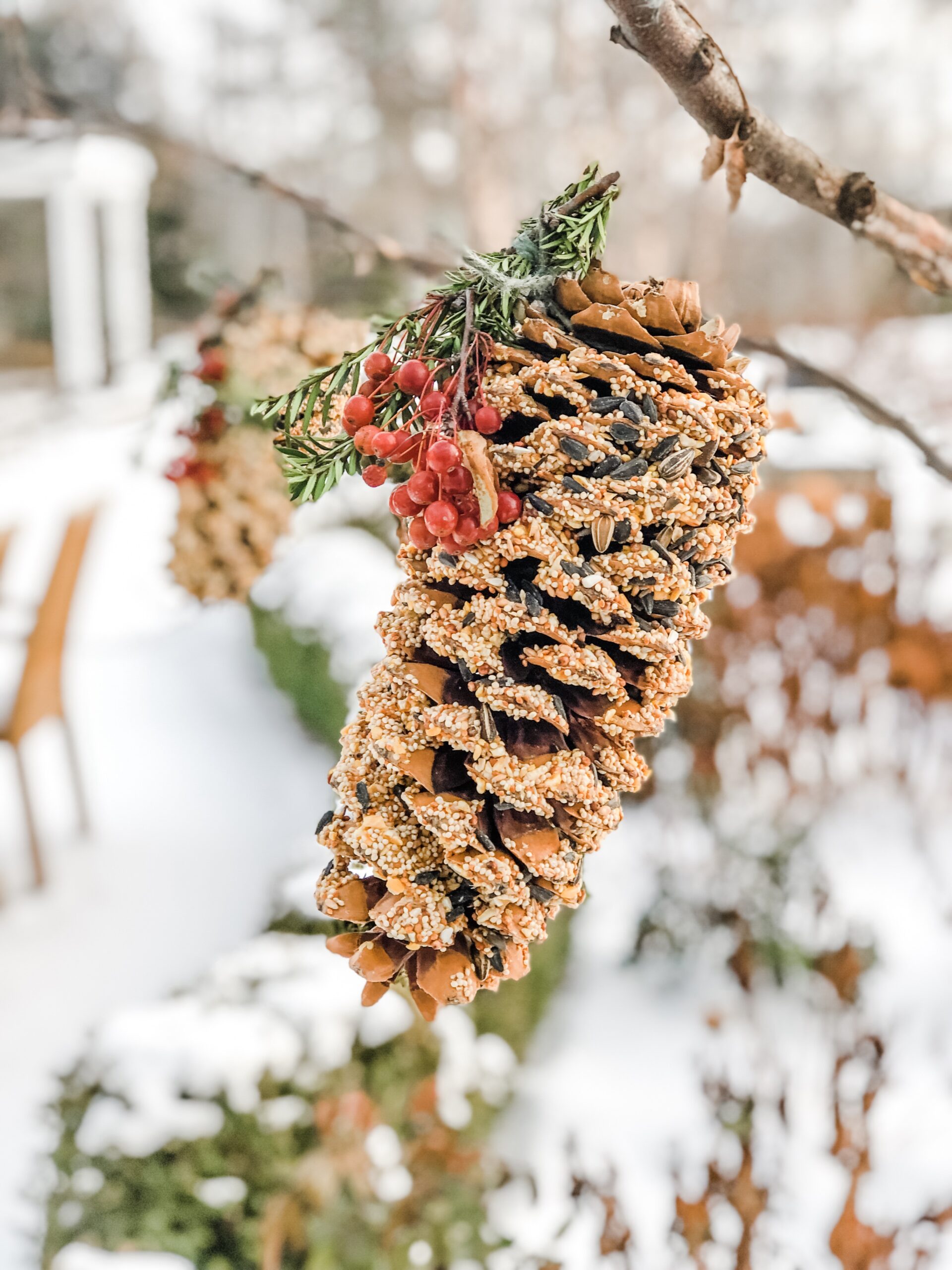
If you love watching birds visit your yard, making a peanut butter pine cone bird feeder is a fun and easy way to attract them. You don’t need fancy tools or expensive supplies—just a few simple items you probably already have.
This project lets you get creative while helping local birds find tasty food, especially during colder months. Keep reading, and you’ll discover step-by-step how to make your own bird feeder that brings nature closer to your window. You’ll enjoy the process and the visits from your new feathered friends!

Credit: cooknwithmrsg.com
Materials Needed
Creating a peanut butter pine cone bird feeder is a fun and rewarding project that connects you with nature. Before you start, make sure you have all the right materials ready. The quality of your supplies can make a big difference in how well your feeder attracts birds.
Gathering Pine Cones
Look for pine cones that are fully opened and dry. Closed or wet cones won’t hold peanut butter and seeds well. You can find these scattered in parks, forests, or even your backyard.
Picking a variety of sizes helps attract different types of birds. Have you noticed how some birds prefer small feeders while others like larger ones? Think about your local bird species when choosing cones.
Choosing The Right Peanut Butter
Use natural peanut butter without added sugar or salt. Birds are sensitive to these ingredients, and they can be harmful. A creamy texture works best for easy spreading on the pine cones.
If you want a healthier option for the birds, try peanut butter made from just peanuts. Avoid peanut butter with hydrogenated oils or additives that could spoil quickly outdoors.
Selecting Birdseed
Pick birdseed that matches the birds you want to attract. Black oil sunflower seeds are a favorite for many songbirds. You can also mix in millet or cracked corn to invite a wider variety of visitors.
Have you ever watched birds turn away from a feeder? It might be the wrong seed type. Choosing the right seed ensures your feeder is a hotspot for feathered friends.
Additional Supplies
- String or twine:Use strong, natural fiber to hang your feeder securely.
- Butter knife or spatula:This helps you spread peanut butter evenly and cleanly.
- Gloves:Optional, but useful if you want to keep your hands clean.
- Tray or newspaper:Protect your workspace from sticky peanut butter and stray seeds.
Having these extras handy makes the process smoother and more enjoyable. What small tool do you think would make your crafting easier?
Preparing Pine Cones
Preparing pine cones is an important first step in making a peanut butter pine cone bird feeder. Proper preparation helps the feeder last longer and keeps it safe for birds. Clean and dry pine cones attract more birds and make the feeding process easier.
Take time to prepare the pine cones carefully. This ensures your bird feeder looks great and works well.
Cleaning The Pine Cones
Start by choosing pine cones that are open and dry. Remove any dirt, leaves, or bugs stuck inside.
- Rinse pine cones under cold water to wash away dirt.
- Use a small brush to clean hard-to-reach areas.
- Shake off excess water before drying.
Cleaning removes harmful substances. This keeps birds safe and healthy.
Drying Process
Dry the pine cones completely before using them. Wet pine cones can grow mold and spoil the bird food.
- Place pine cones on a baking sheet lined with foil.
- Heat them in the oven at 200°F (93°C) for 20-30 minutes.
- Let them cool fully before handling.
This drying process also helps pine cones open up more. This creates better space for peanut butter and seeds.
Applying Peanut Butter
Applying peanut butter to your pine cone is a key step in creating an inviting bird feeder. It acts as the sticky base that holds the birdseed in place. The right technique ensures the seeds stick well and your feeder lasts longer outdoors.
Spreading Techniques
Use a butter knife or a small spatula to apply the peanut butter. Start at the top of the pine cone and work your way down between the scales. This helps cover all the nooks where seeds can cling.
Don’t just smear it on thickly; aim for a smooth, even layer that fills the gaps without weighing the pine cone down. If the peanut butter is too cold, it will be hard to spread. Warming it slightly by leaving it at room temperature makes the job easier and results in better coverage.
Tips For Even Coverage
- Apply the peanut butter in small sections rather than all at once to avoid messiness.
- Use a soft brush or your fingers to press the peanut butter deeper into the crevices.
- Check your work by turning the pine cone under different lights to spot any bare patches.
- Don’t forget to coat the bottom scales—it’s a favorite spot for birds to perch and feed.
Have you noticed how birds tend to ignore feeders with uneven seed patches? Even coverage makes your feeder more attractive and ensures every bird gets a fair share. Take your time with this step; it’s the difference between a feeder that lasts and one that falls apart quickly.
Adding Birdseed
Adding birdseed to your peanut butter pine cone feeder is the most fun part. This step turns a simple pine cone into a tasty treat for birds. Choosing the right seeds and applying them well ensures birds will visit often. Let’s explore how to pick seeds and coat the pine cone perfectly.
Selecting Birdseed Mix
Choose seeds that attract many types of birds. A good mix includes:
- Black oil sunflower seeds – loved by most birds
- Millet – small seeds for ground feeders
- Cracked corn – favorite for larger birds
- Peanuts or safflower seeds – for variety and nutrition
Buy a fresh mix from a reliable store. Avoid seeds with dust or broken shells. Fresh seeds keep birds healthy and happy.
Coating Pine Cones With Seeds
First, cover the pine cone in sticky peanut butter. Use a butter knife or spoon to spread it evenly. Make sure to get peanut butter into all crevices.
Next, roll or sprinkle the pine cone in the birdseed mix. Press seeds gently to stick well. Check for bare spots and add more seeds if needed.
Let the pine cone rest for a few minutes to set. This helps seeds stay in place longer outdoors. Now, your feeder is ready to hang and attract birds.
Hanging The Feeder
Hanging your peanut butter pine cone bird feeder correctly is crucial to attract birds and keep your feeder safe. The right spot and secure attachment can make all the difference in how often feathered friends visit. Let’s look at how to pick the perfect place and attach your feeder for success.
Choosing The Location
Pick a spot where birds feel safe and comfortable. Look for a shady area near trees or shrubs, which offer shelter and perching spots. Avoid placing your feeder too close to busy walkways or windows to prevent startling the birds.
Consider visibility from your favorite window so you can enjoy watching the visitors. Think about the local bird species in your area and what habitats they prefer. Are there spots where you’ve seen birds gathering before? Those could be great choices.
Attaching Hanging Materials
Use strong materials like twine, string, or thin wire to hang your feeder securely. Tie the string firmly around the top of the pine cone, making sure it won’t slip off. You want the feeder to hang straight and not spin too much in the wind, which can scare birds away.
Test the strength of your hanging setup before putting it outdoors. Give it a gentle tug to ensure it holds well. If you have kids, involve them in this part—they’ll love helping and learn about patience as they watch the birds come.
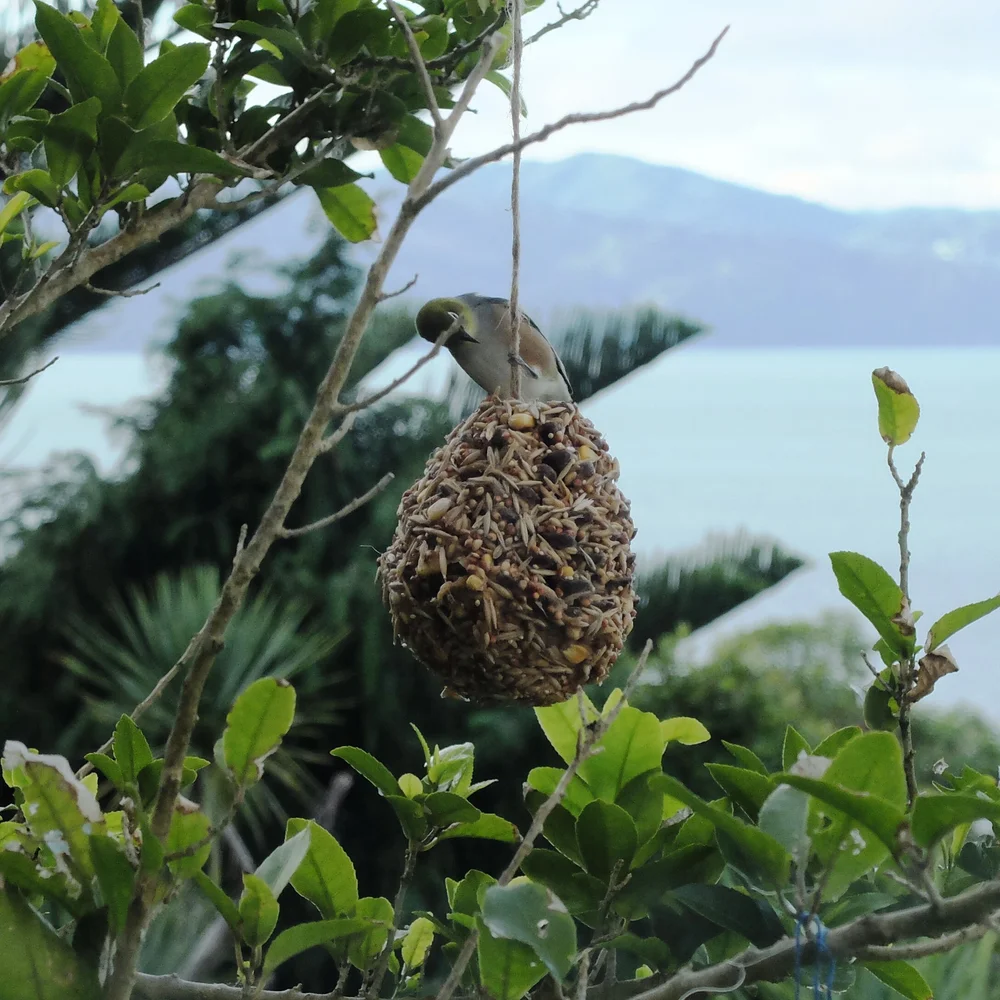
Credit: www.upstartmag.co.nz
Maintaining The Feeder
Maintaining your peanut butter pine cone bird feeder keeps it safe and inviting for birds. Regular care helps prevent mold and ensures fresh food is always available. It also makes your feeder last longer and keeps birds coming back.
Cleaning And Refilling
Clean the feeder every few days to stop mold growth. Use warm water and a mild soap to wash off old food and debris. Rinse it well and let it dry completely before refilling.
Refill with fresh peanut butter and birdseed to attract different birds. Spread peanut butter evenly on the pine cone scales. Roll the pine cone in birdseed until well coated. Place the feeder in a spot safe from predators and harsh weather.
Seasonal Considerations
Adjust feeding habits with the seasons. In cold months, birds need more energy, so provide high-fat foods like peanut butter and suet. Remove the feeder during heavy rain or snow to prevent spoilage.
In warm seasons, check the feeder more often as food can spoil faster. Clean it frequently to avoid mold and bacteria. Move the feeder to shady areas to protect food from heat.
Attracting Birds
Attracting birds to your peanut butter pine cone feeder turns a simple craft into a lively garden spectacle. The right visitors can bring your outdoor space to life with color and song. Knowing which birds to expect and how to invite them will make your feeder a favorite spot for feathered friends.
Best Bird Species For Feeders
Certain birds are naturally drawn to peanut butter and seeds. You’re likely to see:
- Blue Jays– They love peanuts and are quite bold visitors.
- Chickadees– Small and curious, they enjoy the sticky treat on pine cones.
- Nuthatches– Their unique upside-down feeding style makes them fun to watch.
- Woodpeckers– These birds are attracted by the nuts and will peck around the pine cone.
- Sparrows– Often overlooked, sparrows will happily snack at your feeder.
Do you notice how different birds have unique ways of feeding? Watching these behaviors can teach you a lot about your local wildlife.
Tips To Encourage Visits
Placement is key. Hang your feeder in a quiet spot near trees or shrubs where birds can perch safely. Avoid areas with heavy foot traffic or predators like cats.
Keep your feeder fresh and well-stocked. Birds quickly learn where reliable food sources are. Refresh the peanut butter and seeds regularly to maintain their interest.
Consider the weather. During colder months, birds need more energy. Your feeder becomes especially important then, so make sure it’s easy for them to reach and use.
Have you thought about adding water nearby? A small birdbath can make your feeder even more attractive, giving birds a place to drink and clean themselves.

Credit: playofthewild.com
Frequently Asked Questions
What Materials Do I Need To Make A Peanut Butter Pine Cone Bird Feeder?
You need a pine cone, peanut butter, birdseed, string, and a butter knife or spoon. These simple materials are easy to find and safe for birds.
How Do I Prepare The Pine Cone For The Bird Feeder?
First, clean the pine cone by removing dirt and debris. Then, tie a string securely to its top for hanging.
Can I Use Alternatives To Peanut Butter In This Feeder?
Yes, you can use suet or vegetable shortening as alternatives. Ensure they are safe and non-toxic for birds.
Where Is The Best Place To Hang The Pine Cone Feeder?
Hang it outside, near trees or shrubs. Choose a quiet spot away from predators and harsh weather.
Conclusion
Creating a peanut butter pine cone bird feeder is simple and fun. Birds will love this tasty treat. It’s a great way to enjoy nature at home. Kids and adults can do this project together. Gathering materials is easy and affordable.
Pine cones, peanut butter, and seeds are all you need. Hang your feeder outside and watch the birds come. It’s a rewarding experience for everyone. Remember to refill the feeder when empty. Enjoy watching colorful birds visit your yard. Start this easy project today and connect with nature.