
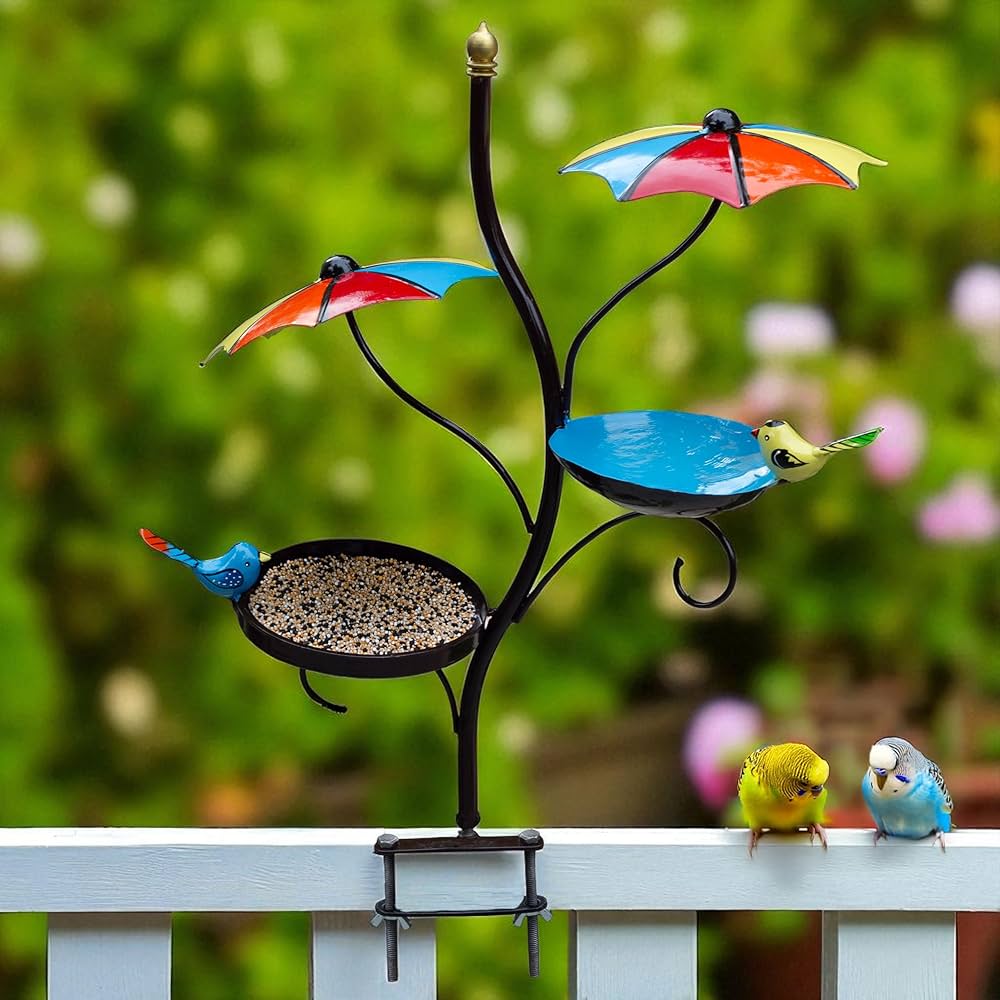
Do you want to turn your balcony into a lively spot filled with colorful birds? Feeding birds is a simple and rewarding way to bring nature closer to you.
Imagine waking up to cheerful chirps and watching beautiful birds flutter around your space. In this guide, you’ll learn easy tips on what to feed birds and how to create the perfect environment to attract them. Keep reading, and soon your balcony will become a favorite resting place for your feathered friends.
Choosing The Right Bird Food
Choosing the right bird food is key to attracting birds to your balcony. Different birds prefer different foods. Offering the right choices encourages birds to visit often. Fresh, natural food helps keep birds healthy and happy.
Seeds That Attract Local Birds
Seeds are a favorite for many birds. Black oil sunflower seeds attract a wide variety of birds like finches, chickadees, and cardinals. Millet is popular with ground feeders such as sparrows and doves. Nyjer seeds draw small birds like goldfinches and siskins. Using a mix of seeds covers many species in your area.
Fruits And Nuts For Variety
Fruits and nuts add diversity to the bird menu. Small pieces of apple, orange, or berries attract fruit-eating birds. Peanuts and almonds offer protein and healthy fats. Avoid salted or roasted nuts. These foods can bring different birds and keep visits exciting.
Avoiding Harmful Foods
Some foods harm birds and must be avoided. Bread offers little nutrition and can cause illness. Salty, sugary, or processed foods are dangerous. Avoid avocado, chocolate, and caffeine as they are toxic. Stick to natural, fresh foods to protect your feathered guests.
Credit: timesofindia.indiatimes.com
Setting Up The Feeding Station
Setting up a feeding station on your balcony invites birds to visit regularly. A well-prepared space offers food, safety, and comfort. It encourages different bird species to come close. The right setup makes your balcony a small bird haven.
Selecting The Best Feeder Types
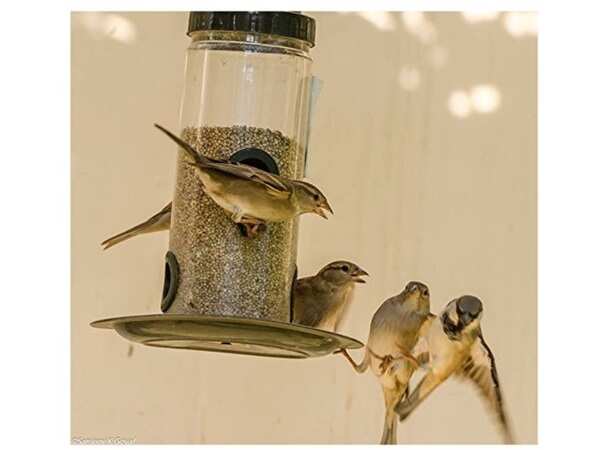
Choose feeders that match the types of birds in your area. Tube feeders work well for small birds like finches. Platform feeders attract a variety of birds that prefer open spaces. Suet feeders provide energy for woodpeckers and nuthatches. Consider feeders that are easy to clean and refill.
Ideal Placement On The Balcony
Place feeders where birds feel safe and can watch for predators. Hang feeders near shrubs or plants but not too close to windows. Keep feeders at least 3 feet away from glass to prevent collisions. Choose spots that get morning sun and afternoon shade. Make sure feeders are easy for you to reach for refilling.
Keeping The Area Clean
Clean feeders regularly to prevent mold and disease. Remove old food and wash feeders with mild soap and water every two weeks. Sweep or hose down the balcony floor to remove seed shells and droppings. Use a tray feeder to catch falling seeds and reduce mess. A clean feeding station keeps birds healthy and coming back.
Creating A Bird-friendly Environment
Creating a bird-friendly environment on your balcony invites more birds to visit and stay. Birds need safe spaces to rest, eat, and drink. Offering these essentials encourages them to return often. A well-prepared balcony becomes a small sanctuary for feathered friends.
Adding Plants And Shelter
Plants provide food and protection for birds. Choose native plants with berries, seeds, or flowers. Shrubs and small trees offer shelter from weather and predators. Place pots close together to create cozy hiding spots. Birds feel safe where they can hide easily.
Providing Water Sources
Birds need fresh water for drinking and bathing. Use a shallow birdbath or small dish on your balcony. Change the water daily to keep it clean. Add stones or pebbles for birds to perch safely. Running water, like a small fountain, attracts more birds.
Minimizing Predators And Disturbances
Keep your balcony quiet and calm. Loud noises and sudden movements scare birds away. Avoid placing feeders near windows to prevent collisions. Remove items that attract predators like cats or large birds. A peaceful space makes birds feel safe and welcome.

Credit: www.amazon.in
Feeding Schedule And Habits
Setting a proper feeding schedule is key to attracting birds to your balcony. Birds thrive on routine and will visit regularly if you feed them at consistent times. Understanding their natural habits helps create a welcoming environment.
Birds usually eat early in the morning and late in the afternoon. Aligning your feeding times with these periods increases the chances of bird visits. Consistency builds trust and encourages birds to return day after day.
Best Times To Feed Birds
- Feed birds early in the morning, just after sunrise.
- Offer food again late in the afternoon before sunset.
- These times match bird activity peaks and energy needs.
- Short feeding sessions help keep food fresh and inviting.
Maintaining Consistency
- Feed birds at the same times daily to build routine.
- Use the same feeding spots to make birds feel safe.
- Keep fresh food available during feeding times only.
- Regular schedules encourage birds to see your balcony as safe.
Avoiding Overfeeding
- Offer just enough food to be eaten in 30 minutes.
- Remove leftover food to prevent spoilage and pests.
- Overfeeding can cause dependency and harm birds’ health.
- Moderate feeding keeps birds active and foraging naturally.
Attracting Different Bird Species
Attracting different bird species to your balcony requires a mix of the right food, sounds, and timing. Each bird has its own preferences, so offering variety can make your space more inviting. Have you ever wondered why some birds visit your feeder while others stay away? Understanding their needs can change that.
Using Specific Foods For Varied Birds
Different birds prefer different foods. For example, finches love nyjer seeds, while woodpeckers go for suet cakes. Offering a range of seeds, nuts, and fruits can attract a wider variety of birds.
- Safflower seeds:Great for cardinals and doves.
- Sunflower seeds:Popular with chickadees and titmice.
- Mealworms:Attract insect-eating birds like bluebirds.
Try mixing these in separate feeders or sections to give birds their favorite choices. You’ll notice more visitors once they find a food they like.
Incorporating Bird Calls And Sounds
Playing recorded bird calls can spark curiosity among local birds. It mimics natural communication and can encourage them to check out your balcony. But avoid loud or continuous playback—it might scare birds away instead.
Start with gentle calls of common species in your area. You might even hear a new bird respond! It’s a simple way to create a welcoming environment without much effort.
Seasonal Tips For Bird Watching
Bird preferences change with the seasons. In spring and summer, fresh fruits and insects attract more birds. During fall and winter, high-energy foods like seeds and suet become essential.
Observe your balcony over time. Which birds appear in each season? Adjust your offerings accordingly to keep your feathered friends coming back year-round. What seasonal birds could you invite next?

Credit: www.amazon.in
Frequently Asked Questions
What Type Of Bird Food Attracts The Most Birds?
Seeds like sunflower, millet, and nyjer attract many bird species. Avoid processed foods. Fresh, natural seeds are best.
How Often Should I Refill Bird Feeders On My Balcony?
Refill feeders every 2-3 days to keep food fresh. Clean feeders regularly to prevent mold and disease.
Can I Attract Birds Without A Feeder?
Yes, planting native flowers and shrubs provides natural food and shelter. Birds also love water sources like small birdbaths.
What Is The Best Feeder Placement For Balcony Birds?
Place feeders near safe spots like plants or walls. Avoid direct sunlight or windy areas for comfort and safety.
Conclusion
Bringing birds to your balcony is simple. Offer them seeds and water. Choose diverse bird food to attract various species. Fresh, clean water is vital. Place feeders in a safe, quiet spot. Keep feeding areas clean to ensure bird health.
Patience is key. Birds need time to discover new feeding spots. Enjoy the peaceful sight and sound of birds. Your balcony can become a lively bird sanctuary. Watching birds brings joy and connects you with nature. Start feeding today and welcome new feathered friends.