
Have you ever wondered whether you should feed birds in your backyard? It’s a simple act that can bring you closer to nature and brighten your day.
But before you scatter seeds or crumbs, there are important things to consider. Feeding birds isn’t always as harmless as it seems. Your choices can affect their health, behavior, and the environment around you. Keep reading to discover what you need to know to make the best decision for both you and your feathered visitors.

Credit: www.allaboutbirds.org
Benefits Of Feeding Birds
Feeding birds offers more than just a simple way to connect with nature. It can have a direct positive impact on your local environment and personal well-being. Understanding these benefits might inspire you to make bird feeding a rewarding part of your daily routine.
Supporting Local Wildlife
Providing food helps birds survive especially during harsh weather or scarce natural resources. You become a vital part of their ecosystem by offering consistent nourishment. This support can increase the diversity of bird species in your area, contributing to a healthier environment.
Think about the last time you noticed a new bird species visiting your yard after you started feeding them. That small act often leads to greater local biodiversity, which benefits other animals and plants too.
Enjoying Birdwatching
Feeding birds turns your outdoor space into a lively stage for fascinating wildlife behavior. You get to observe their colors, songs, and interactions up close without needing to travel. This close connection can boost your mood and reduce stress.
Have you ever felt a sense of calm just by watching birds flutter and feed? Setting up feeders attracts a variety of birds, making every day an opportunity to learn and enjoy their unique personalities.
Promoting Bird Health
Providing clean, nutritious food supports the well-being of birds in your area. It helps them maintain energy for migration, breeding, and raising young ones. Feeding birds with the right seeds and avoiding harmful foods ensures you contribute positively to their health.
Consider how you choose snacks for yourself—birds also need balanced nutrition. By educating yourself on what to feed, you can make a real difference in their survival and vitality.
Choosing The Right Food
Choosing the right food for birds is key to their health and happiness. Different birds like different foods. Picking safe and nutritious options helps them thrive. Poor food choices can harm birds or make them sick. Understanding what to feed and what to avoid keeps your backyard birds safe and active.
Safe Seeds And Feed Options
Many birds enjoy seeds. Black oil sunflower seeds are a favorite. They have thin shells and lots of oil for energy. Nyjer seeds attract finches and small songbirds. Peanuts provide protein but must be unsalted and shelled. Suet cakes offer fats and calories, especially in winter. Fresh fruits like apples and berries are good treats. Mealworms are a protein-rich option for insect-eating birds.
Foods To Avoid
Certain foods harm birds. Avoid bread, as it offers no nutrition and can cause illness. Salted or flavored seeds and nuts are dangerous. Chocolate and caffeine are toxic to birds. Raw beans contain poisons and must never be fed. Moldy or spoiled food can cause serious health problems. Dairy products are hard for birds to digest.
Seasonal Feeding Tips
Bird food needs change with seasons. In winter, birds need high-energy foods like suet and sunflower seeds. Spring and summer require protein-rich foods for nesting and growing chicks. Offer fresh water year-round, especially in hot weather. Clean feeders often to prevent disease. Adjust food amounts as bird activity changes with seasons.
Selecting Feeders And Placement
Choosing the right bird feeders and placing them thoughtfully can make a big difference in attracting the birds you want while keeping them safe. Your selection affects which species visit and how often, while placement impacts their comfort and safety. Let’s look at the options and tips that help you create a welcoming spot for your feathered friends.
Types Of Bird Feeders
There are many types of bird feeders, each designed for different kinds of birds and feeding habits.
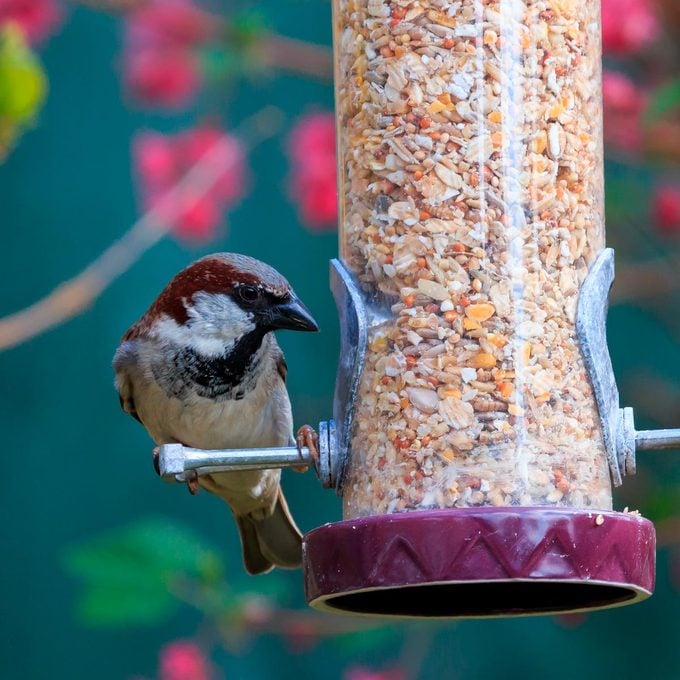
- Tube feeders:Great for small songbirds like finches and chickadees. They usually have multiple feeding ports and keep seed dry.
- Platform feeders:Open trays that attract a variety of birds, including larger species like cardinals and jays. They can be messy but offer easy access.
- Hopper feeders:These store a larger amount of seed and release it gradually. Ideal if you want less frequent refilling.
- Niger seed feeders:Designed specifically for tiny niger seeds, preferred by finches.
- Suet feeders:Hold blocks of suet to attract woodpeckers and nuthatches, especially in winter.
Have you noticed how different birds prefer different feeders? Trying various types can help you discover which birds visit your yard most.
Safe Feeder Locations
Where you place your feeders is just as important as what you put in them. Birds need a spot that feels safe and offers easy access to food.
- Choose a location visible to you but sheltered from strong winds and harsh sun.
- Place feeders near trees or shrubs to give birds quick cover from predators.
- Keep feeders at least 10 feet away from windows to prevent collisions.
- Consider your view—feeding birds can be a relaxing hobby, so pick a spot you can watch comfortably.
Think about your yard’s layout. Could a feeder near your favorite chair turn birdwatching into a daily joy?
Preventing Predator Access
Protecting birds from predators like cats and squirrels is crucial. Placement and feeder design both play a role here.
- Mount feeders on poles with baffles to stop squirrels from climbing.
- Avoid placing feeders too close to dense shrubs where cats can hide.
- Use metal or sturdy materials for feeders to resist damage and discourage pests.
- Regularly clean feeders to reduce disease risk, which can weaken birds and make them vulnerable.
Have you ever seen a squirrel outsmart a feeder setup? It’s a reminder that smart placement and gear are key to keeping your birds safe and happy.
Credit: www.familyhandyman.com
Maintaining A Clean Feeding Area
Keeping your bird feeding area clean is key to attracting healthy birds and enjoying their visits longer. A tidy space not only looks better but also helps prevent problems that might scare birds away or harm them. How often you clean and how well you manage spills can make all the difference in your backyard birdwatching experience.
Regular Cleaning Routines
Set a schedule to clean your bird feeders and surrounding areas at least once a week. Use warm water and mild soap to remove dirt, mold, and old food that can build up quickly. Rinse thoroughly to avoid leaving soap residue that could harm birds.
Check for any damaged parts of feeders during cleaning and replace them promptly. This keeps the feeding station safe and inviting. You might notice more birds returning when the feeders look fresh and well maintained.
Reducing Disease Risks
Birds gather in feeding spots, so diseases can spread if you’re not careful. Clean feeders regularly to stop bacteria and fungi from growing. Avoid overcrowding by placing multiple feeders if you have many birds visiting.
Consider rotating feeding spots to give the ground a break and lower the risk of disease buildup. Have you ever noticed sick birds near your feeders? That’s a sign it’s time to clean more often and maybe rethink your setup.
Managing Waste And Spills
Birdseed shells and spilled food attract unwanted pests like rodents and insects. Sweep up fallen seeds and husks daily to keep the area neat and reduce these visitors. Using seed trays or mats can help catch spills before they hit the ground.
Place feeders over hard surfaces like concrete or paving stones for easier cleanup. If you feed ground-feeding birds, rake the area regularly to prevent mold and keep the soil healthy. What small change can you make today to keep your feeding area cleaner?
Attracting A Variety Of Birds
Attracting a variety of birds to your yard can turn your outdoor space into a lively and colorful retreat. Different bird species have different tastes and habitat needs. By understanding these differences, you can create an inviting environment that keeps your feathered visitors coming back.
Using Different Food Types
Offering a mix of foods is key to attracting diverse birds. Black oil sunflower seeds appeal to many species, from cardinals to finches. Suet cakes are perfect for woodpeckers and nuthatches, especially in colder months.
Don’t forget about nectar feeders for hummingbirds and fruit for orioles. You might be surprised how a simple blend of seeds, nuts, and fruits can bring in birds you’ve never seen before. Have you noticed how some birds prefer ground feeding while others like hanging feeders? Providing both can increase your variety.
Creating Bird-friendly Habitats
Birds need more than just food; they also want safe places to rest and nest. Planting native shrubs and trees offers natural shelter and nesting spots. For example, a dense bush can attract sparrows and wrens looking for a cozy home.
Adding layers of vegetation mimics natural habitats and supports more species. Have you tried letting a corner of your garden grow wild? It might just become a favorite spot for shy birds that avoid open spaces.
Water Sources And Shelter
Fresh water is essential for birds to drink and bathe. A birdbath with clean water attracts species you might not see at feeders. Moving water, like a small fountain, draws even more attention because of the sound and sparkle.
Providing shelter from harsh weather and predators is just as important. Evergreen trees or a simple brush pile offer protection. Have you considered how these small touches can make your yard a safe haven year-round?

Credit: www.allaboutbirds.org
Common Feeding Mistakes To Avoid
Feeding birds can be a joyful experience. Yet, many people make simple mistakes that harm birds instead of helping them. Avoiding common errors keeps birds safe and healthy.
Overfeeding And Dependency
Giving birds too much food can cause problems. Birds may stop searching for natural food. This makes them dependent on humans. Overfeeding also attracts pests and unwanted animals. Feed birds just enough to supplement their diet.
Ignoring Seasonal Needs
Birds need different foods in different seasons. In winter, high-energy seeds help them stay warm. In spring, insects are important for baby birds. Feeding the wrong food at the wrong time can harm birds. Learn what birds need each season before feeding.
Unsafe Feeding Practices
Using dirty feeders spreads disease among birds. Avoid moldy or old food. Place feeders in safe spots away from predators. Avoid feeding bread or processed foods. These can hurt birds’ health. Clean feeders regularly and provide fresh, natural foods.
Frequently Asked Questions
Is Feeding Birds Good For Their Health?
Feeding birds can be good if you provide proper food. Avoid bread and offer seeds or nuts instead. It helps them during scarce food seasons and supports local bird populations.
What Foods Should I Avoid Feeding Birds?
Avoid feeding birds bread, salty, or processed foods. These can harm their digestion and health. Stick to natural seeds, fruits, and suet for safe nutrition.
Can Feeding Birds Cause Dependency?
Yes, birds can become dependent if feeding is excessive. Provide food moderately to encourage natural foraging habits. Balance feeding with natural food sources to maintain their independence.
When Is The Best Time To Feed Birds?
Feed birds early morning or late afternoon. These times match their natural feeding patterns and help them prepare for the day or night. Avoid feeding at night as birds rest then.
Conclusion
Feeding birds can be a rewarding experience. It connects you with nature. Birds benefit from extra food, especially in colder months. Consider the type of food you provide. Different birds prefer different seeds or nuts. Always keep bird feeders clean to prevent disease.
Observe the birds visiting your garden. Learn their patterns and preferences. This simple activity brings joy and relaxation. Plus, it helps local wildlife thrive. Enjoy watching the lively, colorful birds. They bring life and beauty to your surroundings. Remember, every small effort counts in supporting nature.