
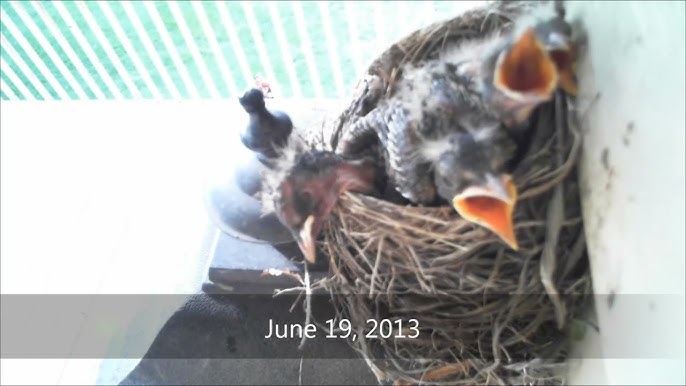
Have you ever found a tiny baby bird and wondered, “What do I feed it?” It’s natural to want to help, but feeding a baby bird the wrong food can do more harm than good. You want to give it the best chance to grow strong and healthy.
You’ll discover simple, effective ways to feed a baby bird safely. Keep reading to learn exactly what your little feathered friend needs to thrive.

Credit: www.reddit.com
Baby Bird Diet Basics
Feeding a baby bird requires careful attention to its diet. Baby birds have unique needs that differ from adult birds. Their diet must provide the right nutrients to support growth and health. Understanding these basics helps ensure the baby bird thrives in its early days.
Nutritional Needs
Baby birds need protein for muscle and feather growth. Soft, easily digestible foods work best. Common options include:
- Insects like mealworms or small crickets
- Boiled eggs finely chopped
- Soaked dog or cat kibble for protein and energy
- Specialized bird formula from pet stores
Calcium and vitamins are essential for strong bones. Avoid feeding bread or milk, which can harm baby birds.
Feeding Frequency
Baby birds require frequent feeding. They have small stomachs that empty quickly. Feed every 15 to 20 minutes during daylight hours for very young birds. Older nestlings need feeding every 30 minutes to an hour. Watch for signs of hunger or fullness.
Hydration Tips
Hydration is crucial for baby birds but must be handled carefully. Most hydration comes from their food. Avoid giving water directly, as it can cause choking. Keep food moist to provide enough fluids. Use a syringe or dropper only if necessary and very gently.
Identifying Bird Species
Identifying the bird species is the first step in feeding a baby bird properly. Different bird species have unique diets and nutritional needs. Recognizing the type of baby bird helps provide the right food for its growth and health. Observing size, feather color, and beak shape can give clues about the species.
Common Baby Birds
Some baby birds are more often found needing help than others. Here are a few common ones:
- Robins: Small, with spotted chests and wide mouths.
- Blue Jays: Bright blue feathers and strong beaks.
- Sparrows: Tiny, brown, and with short beaks.
- Finches: Small, colorful, and have pointed beaks.
- Doves: Soft gray or white feathers and gentle eyes.
Each species has visible traits to watch for. This knowledge helps in feeding the bird correctly.
Diet Differences
Bird diets differ a lot across species. Some eat insects, while others prefer seeds or fruit. For example:
| Bird Species | Preferred Diet |
|---|---|
| Robins | Insects, worms, soft fruits |
| Finches | Seeds, small insects |
| Doves | Seeds, grains |
| Blue Jays | Insects, nuts, small fruits |
Feeding the wrong food can harm baby birds. Knowing their diet keeps them healthy and strong.
Safe Food Options
Feeding a baby bird the right food is crucial to its growth and survival. Choosing safe food options helps prevent illness and ensures the little one gets the nutrients it needs. Let’s look at some practical and safe foods you can offer to a baby bird.
Insects And Worms
Baby birds naturally eat insects and worms, which provide essential protein for their development. You can offer small mealworms, crickets, or earthworms, but make sure they are pesticide-free and clean.
Live insects are best, but if you can’t find them, dried or frozen options work well too. Remember to chop larger insects into smaller pieces to make feeding easier and safer for the baby bird.
Fruits And Vegetables
Fruits and vegetables can add vitamins and moisture to a baby bird’s diet. Soft fruits like mashed bananas, apples (without seeds), and berries are good choices. Vegetables such as cooked peas, carrots, and spinach can also be offered in small amounts.
Always cut or mash these foods finely to avoid choking hazards. Avoid citrus fruits and anything too acidic, as they can upset the baby bird’s digestive system.
Commercial Bird Food
Commercial bird food formulated for baby birds is a convenient and balanced option. These products are often enriched with vitamins and minerals tailored to young birds’ needs.
Look for brands that specify suitability for nestlings or hand-feeding. Follow the instructions carefully and avoid mixing with other foods unless recommended by a vet or expert.
Feeding Techniques
Feeding a baby bird needs care and patience. Proper feeding techniques help the bird grow strong. The right tools and gentle handling ensure safe feeding. Understanding how to feed helps avoid stress and injury to the bird.
Hand-feeding Tips
Wash hands thoroughly before feeding the bird. Warm the food to a safe temperature. Use a small spoon or your finger for feeding. Offer food slowly to avoid choking. Keep the bird calm and steady during feeding. Feed small amounts frequently to mimic natural feeding.
Using Syringes And Tweezers
Syringes work well for liquid or soft food. Gently draw the food into the syringe without air bubbles. Insert the tip carefully into the bird’s mouth. Tweezers help feed solid or chunky food. Hold food pieces firmly but gently. Avoid forcing food to prevent injury.
Avoiding Common Mistakes
- Do not feed cold or hot food; it can harm the bird.
- Avoid overfeeding, which can cause choking or illness.
- Never feed wild bird food meant for adults.
- Do not use sharp or hard tools during feeding.
- Ensure the bird is upright to prevent food entering the lungs.
When To Seek Help
Knowing when to seek help for a baby bird is crucial. Sometimes, despite your best efforts, a baby bird needs professional care to survive and thrive. Recognizing the signs early can make a big difference in the outcome.
Signs Of Malnourishment
Malnourished baby birds often look weak and lethargic. You might notice their skin looking loose or their muscles feeling underdeveloped. A bird that constantly opens its mouth but shows little interest in feeding could be starving.
Other signs include:
- Fluffed-up feathers that don’t settle
- Slow or irregular breathing
- Failure to grow or gain weight over several days
Have you ever tried feeding a bird that just wouldn’t respond? It’s a clear sign you need extra help.
Contacting Wildlife Experts
If you see these warning signs, don’t hesitate to reach out to a wildlife rehabilitator or veterinarian experienced with birds. They have the right tools and knowledge to provide specialized care.
When you contact them, be ready to describe the bird’s condition and behavior. Taking photos can also help experts assess the situation quickly.
Remember, timely intervention can save a life. Would you wait and risk the bird’s health, or act now to give it the best chance?

Credit: www.youtube.com
Caring For Orphaned Birds
Caring for orphaned baby birds requires patience and attention. These fragile creatures need proper care to survive and grow strong. Feeding them the right food is only part of the process. Creating a safe space and watching their health closely matters too. Every step helps them get ready for life in the wild.
Creating A Safe Environment
Set up a warm, quiet place for the baby bird. Use a small box lined with soft cloth. Keep it away from pets and loud noises. Maintain a steady temperature around 85°F for very young birds. Avoid direct sunlight or drafts. This cozy nest helps the bird feel secure and calm.
Monitoring Growth And Health
Check the bird’s weight every day using a small scale. Note any changes in behavior or appetite. Look for signs of illness such as puffed feathers or lethargy. Keep a feeding schedule to ensure regular nutrition. Contact a wildlife expert if problems appear. Tracking growth helps ensure proper development and care.

Credit: www.youtube.com
Frequently Asked Questions
What Can I Feed A Baby Bird?
You can feed a baby bird a mix of high-protein foods like wet dog food, boiled eggs, or commercial baby bird formula. Ensure the food is at room temperature. Avoid feeding milk or bread. Always consult a wildlife expert if unsure about feeding specifics.
Can Baby Birds Eat Seeds?
Baby birds cannot digest seeds properly. They need soft, high-protein foods. As they grow, introduce seeds gradually. Initially, a diet of insects or commercial baby bird formula is best. Consult an expert for guidance on transitioning to seeds.
Is It Safe To Give Water To Baby Birds?
Directly giving water to baby birds is risky. They may choke. Instead, provide moist food to keep them hydrated. Birds in nests usually get moisture from their food. Consult a professional if you’re uncertain about their hydration needs.
How Often Should I Feed A Baby Bird?
Feed baby birds every 15-20 minutes from sunrise to sunset. They require frequent meals due to their rapid metabolism. As they grow, feeding frequency decreases. Always ensure the food is appropriate for their age and species.
Conclusion
Feeding a baby bird needs care and the right food. Offer soft, easy-to-digest meals like soaked dog food or insects. Avoid giving bread or milk, as they can harm the bird. Always keep the bird warm and safe while feeding.
Watching the bird grow strong is rewarding. With patience and the proper diet, you help the bird survive. Remember, each bird species may need different food. Learning about their needs makes feeding easier and more successful. Caring for a baby bird is a small act that saves lives.