
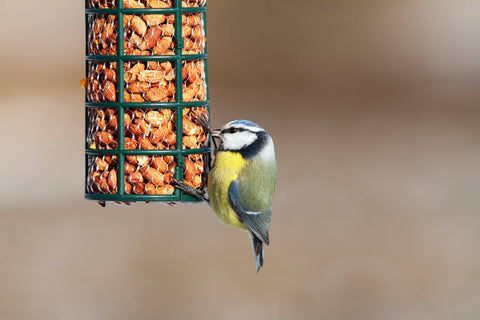
Are you ready to bring more life and color to your backyard? Attracting birds to your bird feeder is easier than you think, and it can turn your outdoor space into a lively haven full of chirping and fluttering wings.
Imagine watching beautiful birds visit day after day, creating peaceful moments right outside your window. In this guide, you’ll discover simple, effective tips to encourage birds to visit your feeder regularly. Whether you’re a beginner or want to improve your current setup, these ideas will help you create a bird-friendly space that keeps your feathered friends coming back.
Keep reading to find out how you can make your bird feeder the go-to spot for local birds!
Credit: www.youtube.com
Choosing The Right Feeder
Choosing the right bird feeder is key to attracting many birds to your yard. The feeder must match the types of birds you want to attract. It should also be easy to clean and durable for outdoor use. Selecting a feeder that fits your space and budget helps keep birds coming back.
Types Of Bird Feeders
Different feeders attract different birds. Tube feeders work well for small songbirds like finches. Platform feeders offer a landing space for larger birds such as doves. Hopper feeders can hold more seed and attract a wide variety of birds. Suet feeders appeal to woodpeckers and insect-eaters. Consider what birds visit your area to choose the best type.
Materials And Durability
Bird feeders come in plastic, metal, and wood. Metal feeders last longer and resist squirrels well. Wood feeders blend naturally but need more care to prevent rot. Plastic feeders are light and affordable but may break easily. Pick a feeder made from weather-resistant materials for lasting use. Check for smooth edges to protect birds.
Size And Capacity
The feeder’s size affects how often you need to refill it. Small feeders suit backyards with few birds. Large feeders hold more seed and attract many birds. Consider how much space you have for a feeder. A bigger feeder works well if many birds visit often. Choose a size that matches your needs and bird activity.
Selecting Ideal Bird Food
Choosing the right food for your bird feeder plays a big role in attracting a variety of birds. Different birds prefer different seeds, so knowing what to offer can make your feeder a popular spot. The type of food you select also affects how often birds visit and how long they stay.
Popular Seeds And Mixes
Black oil sunflower seeds are a top choice for many bird species. They have a thin shell, making them easy to crack open and rich in oil for energy. Millet and safflower seeds attract smaller birds like sparrows and finches.
Offering a mix can bring diverse birds to your feeder. Look for blends that include sunflower seeds, millet, cracked corn, and peanuts. Avoid mixes with a lot of filler seeds like red millet or wheat, as many birds ignore these.
Seasonal Food Choices
Bird food preferences change with the seasons. In winter, birds need high-energy foods like suet and sunflower seeds to stay warm. During spring and summer, fresh fruit and nectar can attract hummingbirds and orioles.
Try switching what you offer based on the season. You might notice more visits once you add nectar in warmer months or suet in colder ones. Have you ever watched a hummingbird discover your feeder for the first time? It’s a rewarding moment!
Avoiding Harmful Foods
Not all foods are safe for wild birds. Avoid offering bread, as it provides little nutrition and can cause health problems. Also, steer clear of salted or flavored seeds, which can harm birds.
Check that your bird food is fresh and free of mold, especially in humid weather. Moldy seeds can make birds sick. Keeping your feeder clean and stocked with safe food encourages healthy visits and happy birds.
Best Feeder Placement
Choosing the right spot for your bird feeder can make all the difference in attracting a variety of feathered visitors. Placement isn’t just about convenience for you—it directly affects how comfortable and safe birds feel when they visit. Let’s look at some key factors that help you find the best location to encourage birds to keep coming back.
Safe And Visible Spots
Birds need to see their surroundings clearly to feel secure. Place your feeder somewhere open enough for birds to spot approaching danger quickly.
A spot near a window where you can easily watch the birds works well, but make sure the feeder is visible from many angles so birds can land confidently. Avoid hiding feeders deep inside bushes where birds might feel trapped.
Proximity To Shelter
Birds like to have a quick escape route when they visit feeders. Positioning your feeder near trees or shrubs gives them a safe place to hide if threatened.
Think about how you use your own shelter during a storm—birds feel the same way. Having nearby cover lets them rest and watch before venturing to the feeder.
Avoiding Predators
Predators like cats and hawks are less likely to catch birds if the feeder is placed with safety in mind. Keep feeders away from low branches or fences where cats can easily jump.
Also, avoid placing feeders too close to windows that might confuse birds or make them vulnerable to collisions. Have you checked your yard for potential predator spots lately? A little awareness can go a long way in keeping your visitors safe.
Creating A Bird-friendly Habitat
Creating a bird-friendly habitat invites birds to visit and stay near your feeder. It offers food, shelter, and safety. Birds feel comfortable and return often. You can design a space that meets their basic needs. This encourages a variety of birds to come to your garden or yard.
Planting Native Flora
Native plants provide natural food and shelter for birds. They attract insects, which many birds eat. Flowers, shrubs, and trees give birds places to hide and rest. Choose plants local to your area for best results. This creates a familiar environment that birds trust.
Providing Water Sources
Birds need fresh water for drinking and bathing. A shallow birdbath or small pond works well. Keep the water clean and change it often. Moving water, like a drip or fountain, draws more birds. Water helps birds stay healthy and active.
Maintaining Cleanliness
Clean feeders and water sources prevent disease. Remove old food and wash feeders regularly. Clear debris under feeders to avoid pests. A tidy area makes birds feel safe and welcome. Cleanliness supports a healthy bird population in your space.
Attracting Different Bird Species
Attracting different bird species to your feeder creates a lively and colorful garden. Each bird has unique tastes and habits. Knowing these helps invite a variety of visitors. Some birds prefer seeds, others like fruits or insects. Sounds and seasonal changes also play a role in attracting birds. Tailor your approach to meet these needs. This diversity makes birdwatching more enjoyable and rewarding.
Tailoring Food For Species
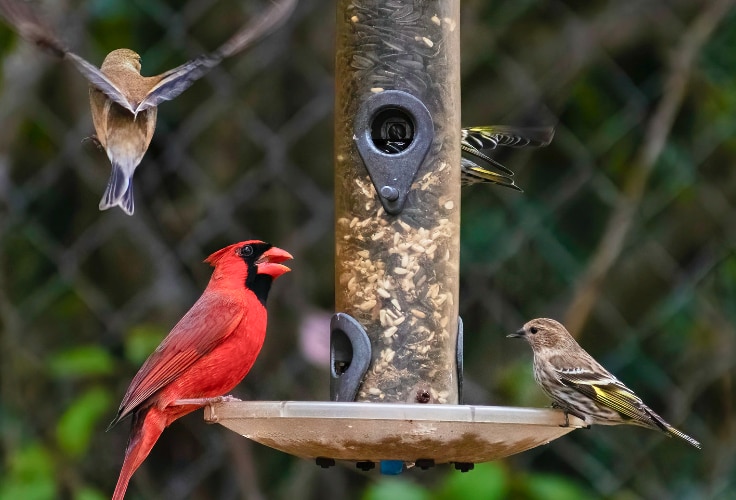
Offer specific foods for different bird types. Black oil sunflower seeds attract finches and cardinals. Nyjer seed is perfect for small finches like goldfinches. Peanuts draw woodpeckers and jays. Suet cakes provide energy for insect-eating birds. Fruit pieces bring in orioles and thrushes.
- Use fresh, clean food.
- Change feeders to suit bird size.
- Provide variety to attract many species.
Using Bird Calls And Sounds
Bird sounds invite species to your feeder. Play recordings of bird calls to attract specific birds. Match calls to the species you want to see. Keep volume low to avoid scaring birds. Use natural sounds like chirping or songs. This creates a welcoming environment and signals safety.
Seasonal Attraction Techniques
Change your feeding strategy with the seasons. In spring, offer high-protein foods for nesting birds. Summer brings fruits and insects to the table. In fall, provide seeds and nuts for migration energy. Winter needs high-fat foods like suet and sunflower seeds. Adjust feeder placement to protect from weather.

Credit: avibirds.com
Maintaining Your Bird Feeder
Maintaining your bird feeder is key to attracting and keeping birds coming back to your yard. A clean, well-stocked feeder not only looks inviting but also supports the health of visiting birds. Neglecting maintenance can lead to mold, pests, and spoiled seed, which will quickly drive birds away.
Regular Cleaning Tips
Cleaning your bird feeder regularly prevents harmful bacteria buildup. Use warm water and mild soap, then rinse thoroughly to avoid leaving any residue. Aim to clean your feeder at least once every two weeks, or more often during wet weather.
Don’t forget to scrub hard-to-reach corners and seed ports where debris can hide. I once skipped cleaning for a month and noticed fewer birds visiting—turns out, mold was growing inside the feeder. Keeping it spotless helps you enjoy more frequent feathered visitors.
Preventing Mold And Pests
Mold thrives in damp, stale seed, so keep your feeder dry and replace wet seed immediately. Consider placing your feeder in a shaded spot to reduce moisture buildup. Using seed blends less prone to molding, such as safflower or nyjer, can also help.
To deter pests like squirrels and ants, try adding baffles or placing feeders on poles away from trees. You might also sprinkle a little cayenne pepper in the seed—birds ignore it, but pests hate it. Have you noticed certain pests becoming a bigger problem in your area?
Refilling And Monitoring
Check your feeder daily to refill before the seed runs out completely. Birds are more likely to visit if food is consistently available. Keep an eye on which seeds get eaten fastest and adjust your mix accordingly.
Watching birds’ feeding habits can teach you a lot. I found that sunflower seeds disappeared quickly, while millet stayed untouched. This helped me save money by buying only what the birds preferred. How often do you observe and tweak your feeder setup?
Common Challenges And Solutions
Encouraging birds to visit a feeder can bring joy and nature closer to home. Challenges arise, but solutions exist to keep your feeder attractive and safe. Understanding common issues helps maintain a healthy bird-friendly space.
Dealing With Squirrels And Pests
Squirrels often raid bird feeders, eating seeds and scaring birds away. Use squirrel-proof feeders with weight-activated mechanisms to block their access. Placing a baffle above or below the feeder stops them from climbing. Clean spilled seeds regularly to avoid attracting unwanted pests.
Weather Considerations
Weather affects bird feeding habits. Strong winds can blow seeds away, and rain can spoil food. Choose feeders with covers or place them under eaves to protect from rain. In winter, offer high-energy foods like sunflower seeds or suet to help birds stay warm.
Encouraging Shy Birds
Shy birds need a calm and quiet environment to feel safe. Place feeders near natural cover like bushes or trees. Avoid sudden movements and loud noises around feeders. Use smaller feeders and offer a variety of seeds to attract different bird types.
Credit: avibirds.com
Frequently Asked Questions
What Type Of Bird Feeder Attracts The Most Birds?
Tube feeders with mixed seeds attract many small birds. Platform feeders suit larger birds. Choose feeders based on local bird species for best results.
How Can I Keep Squirrels Away From My Bird Feeder?
Use squirrel-proof feeders or add baffles above and below the feeder. Place feeders away from trees or structures squirrels can jump from.
What Is The Best Location For A Bird Feeder?
Place feeders near shrubs or trees for shelter. Avoid areas with heavy foot traffic. Ensure visibility to watch birds comfortably.
Which Bird Foods Encourage More Birds To Visit?
Black oil sunflower seeds attract many species. Nyjer seed is favored by finches. Offering a variety of seeds appeals to diverse birds.
Conclusion
Bird watching can be a delightful hobby. Attracting birds requires patience and the right setup. Choose quality seeds and maintain a clean feeder. Birds appreciate fresh water, too. Place feeders in safe spots, away from predators. Observe which foods your local birds prefer.
Adjust as needed. Consistency is key. Regularly refill feeders to keep birds returning. Enjoy the vibrant colors and sounds they bring. A well-maintained feeder can turn your yard into a bird haven. Keep learning about your feathered visitors. Their presence will surely bring joy and tranquility to your surroundings.