
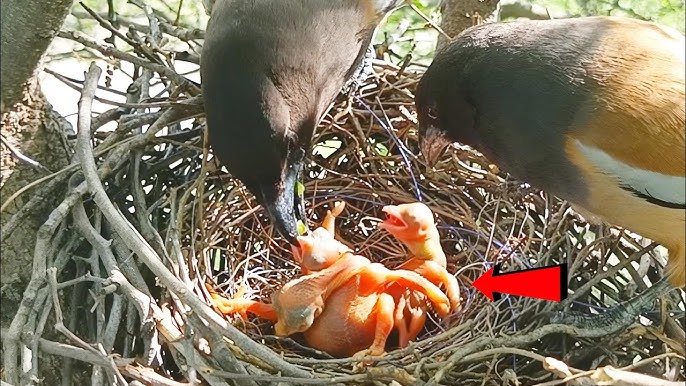
Have you ever wondered if a mama bird will feed a baby bird that falls out of its nest? If you’ve come across a tiny, helpless chick on the ground, you’re probably asking yourself the same question.
You want to do the right thing, but it’s hard to know what that is. Understanding how mother birds behave in this situation can help you decide how to help—and whether you should step in at all. Keep reading to discover the surprising truth about mama birds and their babies, and learn exactly what you can do to give that little bird the best chance to survive.

Credit: www.youtube.com
Mama Bird’s Instincts
The instincts of a mama bird are powerful and deeply wired into her behavior. These instincts guide her every move, especially when it comes to caring for her chicks. Understanding these natural responses can help you predict how a mama bird might react if her baby falls out of the nest.
Natural Care For Chicks
Mama birds invest a lot of energy into protecting and feeding their young. They recognize their chicks by sound and sight, which helps them provide the right care. You might notice a mama bird constantly feeding her babies, keeping them warm, and shielding them from danger.
Have you ever watched a bird tirelessly bring food to its nestlings? This behavior shows how strong their nurturing drive is. Even if the chick is weak or injured, many mama birds will continue to feed and care for it.
Response To Fallen Babies
When a baby bird falls out of the nest, the mama’s reaction can vary. Some birds will carefully pick up their fallen chick and return it to safety. Others might call loudly to alert the chick or defend the area fiercely.
However, not all mama birds will feed a chick found far from the nest. Distance and scent can affect recognition. If you find a fallen chick, consider how close it is to the nest before deciding to intervene.
- Mama birds often check for signs of life and movement before deciding to feed a fallen chick.
- Stress and danger near the nest can affect the mama’s behavior.
- Interfering too much might cause the mother to abandon her chick, so tread carefully.
Have you ever wondered why some baby birds survive after a fall while others do not? Understanding mama bird instincts helps you decide when to help and when to let nature take its course.

Credit: www.reddit.com
Reasons Babies Fall Out
Understanding why baby birds fall out of their nests is important for anyone who wants to help them safely. Several factors contribute to this delicate issue, and knowing these can guide you in providing the right support. Let’s look closely at the main reasons babies fall out and what you can do about each.
Nest Structure Issues
The design and condition of a nest play a big role in keeping baby birds safe. A weak or poorly built nest can easily collapse or fail to hold the babies securely.
Sometimes nests are built too close to the edge of a branch or in places where strong wind can shake them. If you notice a nest with loose twigs or gaps, the babies inside are at higher risk of falling out.
Have you ever seen a nest that looked like it could fall apart? Strengthening or moving the nest carefully might help, but be sure to act only when necessary and safely.
Environmental Factors
Weather conditions like heavy rain, wind, or extreme heat can cause baby birds to fall from nests. Sudden storms can shake nests violently, pushing the babies out.
Also, human activity near nesting sites can disturb the birds, making them restless or causing the nest to be abandoned. Loud noises or frequent movement around the nest increase the chances of babies falling.
Think about how you can minimize disturbances in natural areas you visit. Could quiet observation and keeping distance make a difference in protecting these tiny lives?
Parental Behavior
Parent birds sometimes accidentally knock their babies out while moving around the nest. This is more common in nests with many chicks, where space is limited.
Sometimes parents leave the nest unattended for longer periods, which can cause babies to move around and fall out while trying to stay warm or find food.
Have you noticed birds acting nervously or leaving the nest often? This behavior might increase the chance of babies falling, so observing from a distance without interference is best.
Mama Bird’s Reaction
The reaction of a mama bird to her fallen baby is both natural and fascinating. Her instincts guide her through protecting and nurturing her young. This reaction varies based on the situation and the chick’s condition. Understanding these behaviors helps us appreciate the care birds provide.
Returning Fallen Chicks To Nest
Mama birds often try to return fallen chicks to the nest. They use their beak to gently pick up the chick. This act shows their strong desire to keep the chick safe. The nest is the safest place for the baby bird to grow. Mama birds rarely abandon chicks that fall nearby.
Feeding Outside The Nest
Sometimes, mama birds feed their chicks outside the nest. This happens if the chick cannot climb back up. The mother brings food directly to the fallen baby. She continues feeding until the chick is strong enough to return. This care ensures the chick’s survival despite the fall.
When Care Is Withdrawn
In some cases, mama birds stop caring for fallen chicks. This usually happens if the chick is too weak or injured. The mother may leave the chick to focus on stronger babies. Nature can be harsh, but this behavior helps the strongest survive. Mama birds make tough decisions to protect the whole brood.
How To Help Fallen Chicks
Finding a fallen chick can tug at your heart, making you want to jump in and help immediately. But how do you ensure your actions actually benefit the baby bird? Understanding the right way to assist fallen chicks can make a big difference in their survival chances and their reunion with their mama bird.
Safe Handling Tips
Always approach the chick calmly and quietly to avoid causing extra stress. Use clean hands or wear gloves to gently pick up the chick, supporting its body fully but without squeezing. Avoid feeding or giving water to the chick yourself, as improper feeding can do more harm than good.
Have you ever wondered if touching a baby bird will make its mother reject it? Most wild birds have a limited sense of smell, so handling the chick carefully usually won’t cause abandonment. Still, minimizing contact is best to reduce stress on the little bird.
Creating Temporary Nests
If the chick has fallen from a low nest and you can safely return it, try placing it back gently. When the nest is unreachable or destroyed, you can craft a makeshift nest using a small basket or container lined with soft cloth or dry grass. Place the temporary nest close to where you found the chick, ideally near the original nest location.
Make sure the nest is secure and sheltered from harsh weather or predators. Check regularly from a distance to see if the parent birds return to care for their baby. Have you noticed how patient and persistent mama birds can be? Their dedication is often worth giving the chick a chance by returning it nearby.
When To Contact Wildlife Experts
If the chick appears injured, weak, or cold, or if you cannot locate the nest or parents after several hours, it’s time to reach out to professionals. Wildlife rehabilitators have the training and resources to care for the chick properly and increase its chances of survival. Don’t hesitate to call local animal rescue centers or bird rehabilitation groups for advice.
Remember, trying to raise a wild bird on your own can unintentionally harm it or reduce its chances of thriving in nature later. Would you want to provide the best care possible? Letting experts step in ensures the chick receives specialized help tailored to its needs.
Common Myths And Facts
There are many stories floating around about mama birds and their fallen babies. It’s easy to get caught up in myths that might make you hesitate to help or, conversely, interfere too much. Understanding what’s true and what’s not can guide your actions and give you peace of mind.
Mama Birds Rejecting Fallen Babies
A common belief is that mama birds will reject their babies if humans touch them. This is mostly a myth. Birds have a limited sense of smell, so they don’t recognize their chicks by scent in the way many mammals do.
In fact, mother birds often continue caring for their fallen babies if returned promptly. The bigger risk is if the baby stays exposed to danger or gets cold. Have you ever noticed how quickly a mama bird returns once you step away?
Still, it’s best to avoid unnecessary handling and keep your touch gentle and brief. Your quick action might actually save a baby bird’s life without disrupting its natural care.
Human Intervention Effects
Helping a fallen baby bird can feel rewarding, but it’s important to understand when intervention helps or harms. Not all fallen chicks are abandoned or in danger; some are learning to fly and are being watched closely by their parents.
Intervening too soon or too much can confuse the bird or cause unintended stress. Observing from a distance for a few hours can give you clues about whether the mama bird is nearby and attentive.
If you decide to help, keep the baby warm and safe, and contact a wildlife rehabilitator quickly. Have you ever wondered how to balance caring instincts with nature’s process? Remember, your role is to support—not replace—wildlife care.

Credit: www.discovermagazine.com
Species Variations
Understanding species variations in how mama birds feed their babies reveals fascinating differences in nature’s approach to care. Not all birds follow the same routines or strategies, and these differences can affect how baby birds grow and survive. Knowing these variations helps you appreciate the diversity in bird parenting and what that means for their chicks.
Differences Among Bird Types
Bird species vary widely in how they feed their young. Some, like pigeons, produce a special substance called “crop milk” to nourish their chicks, which is very different from regurgitating insects or seeds.
Other birds, such as woodpeckers, feed their babies primarily insects, offering protein-rich meals to support rapid growth. Meanwhile, songbirds often bring a mix of insects and fruits, adjusting the diet as the chicks mature.
Have you noticed how some birds feed their babies constantly, while others make fewer, larger feeding trips? This reflects not just food availability but also different survival strategies shaped by species-specific needs.
Examples Of Exceptional Care
Some bird species display remarkable dedication in feeding their young. For instance, the emperor penguin endures harsh Antarctic conditions, fasting for weeks while incubating eggs and then feeding chicks through regurgitation once hatched.
Another example is the altricial chicks of hawks and eagles, which demand large amounts of food. Parents often hunt tirelessly, providing fresh prey multiple times daily to meet their chicks’ high energy needs.
What would you do if you had to adapt your caregiving style based on your child’s unique needs, just like these birds? Observing such examples challenges us to think about care as a flexible, responsive process rather than a one-size-fits-all approach.
Frequently Asked Questions
Will Mama Bird Feed Baby Birds Out Of The Nest?
Yes, mama birds often continue feeding their chicks even after they leave the nest. They provide food until the babies learn to find food independently.
How Do Baby Birds Signal Hunger To Their Mother?
Baby birds open their mouths wide and chirp loudly. This behavior alerts the mother to feed them promptly.
When Do Baby Birds Stop Needing Parental Feeding?
Most baby birds stop needing feeding about 2 to 3 weeks after leaving the nest. They gradually become independent during this time.
Can Mama Birds Recognize Their Fledglings Outside The Nest?
Yes, mama birds can recognize their young by sight and sound. This helps them continue feeding and protecting fledglings nearby.
Conclusion
Mama birds usually feed their babies to help them grow strong. Baby birds rely on their parents for food and care. Without feeding, baby birds cannot survive long. Watching this natural process shows how animals care for their young. It reminds us that nature works in amazing ways.
Understanding this helps us respect wildlife more. Every bird family has a unique way to protect and nourish their babies. This cycle of care keeps bird populations healthy and alive. Nature’s care is simple but powerful.