
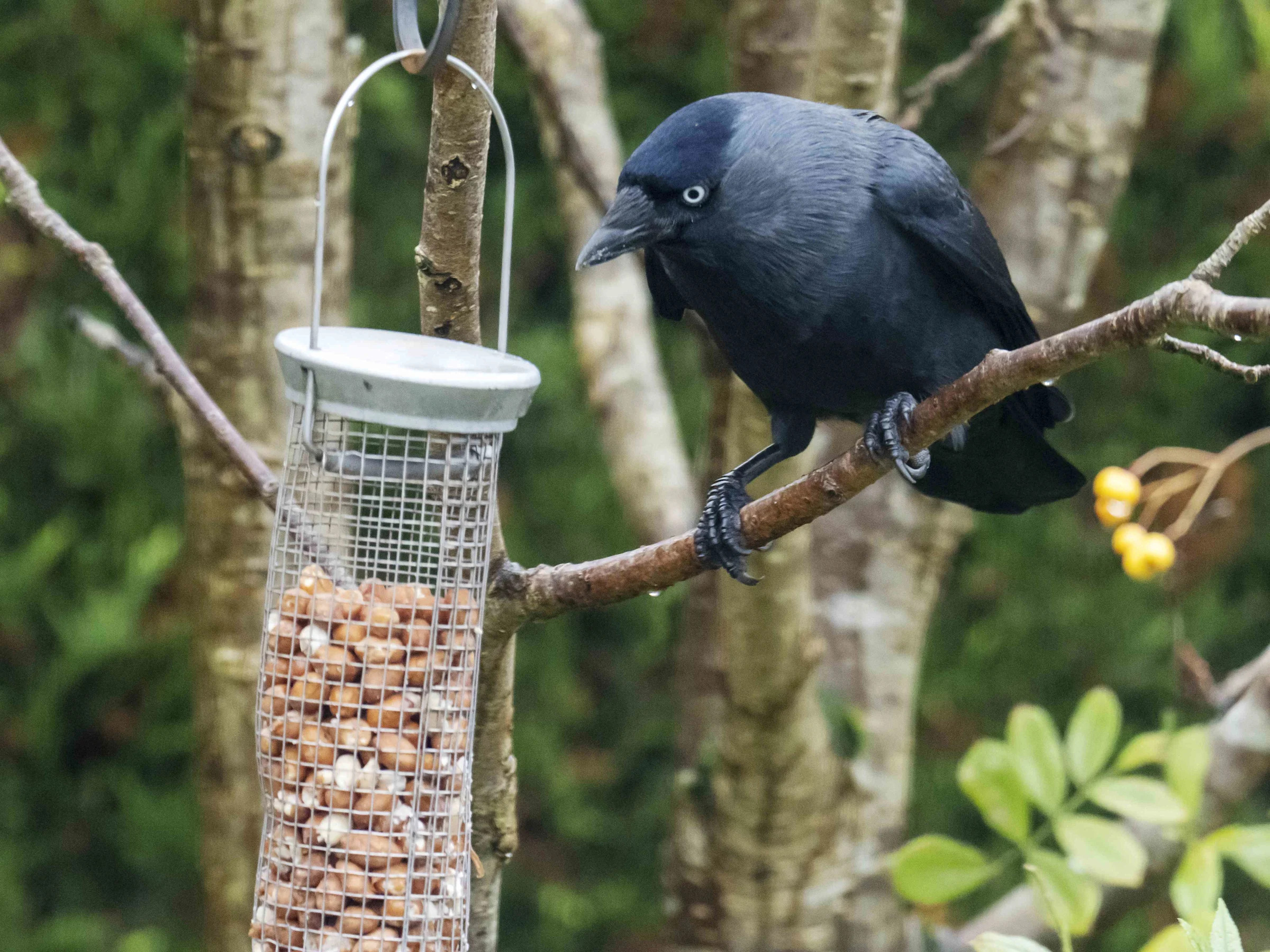
Are you tired of crows swooping in and taking over your bird feeder? You’re not alone.
Many bird enthusiasts face this pesky problem. It can be frustrating to see your feeder, meant for small songbirds, dominated by these larger, clever birds. But don’t worry, there are effective ways to keep crows at bay and ensure your feathered friends have a peaceful dining experience.
Imagine watching vibrant cardinals and cheerful chickadees enjoy your feeder without the interruption of crows. Intrigued? Read on to discover simple and practical solutions that will transform your birdwatching experience. You’ll learn how to outsmart these intelligent creatures and reclaim your backyard sanctuary.

Credit: www.youtube.com
Why Crows Visit Bird Feeders
Crows often visit bird feeders because they are smart and curious birds. They look for easy food sources in places where humans feed other birds. Feeders offer a reliable supply of food that attracts crows, especially during seasons when natural food is scarce. Understanding why crows come to feeders helps in finding ways to keep them away without harming them.
Food Preferences Of Crows
Crows prefer a wide variety of foods. They like:
- Seeds and grains
- Nuts and fruits
- Insects and small animals
- Leftover human food
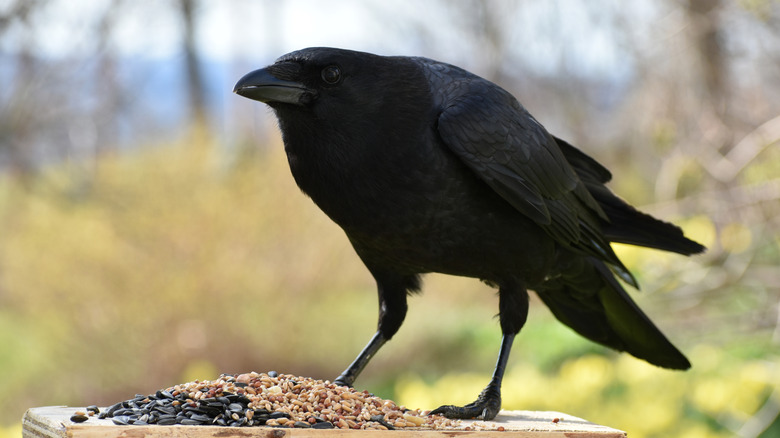
At bird feeders, crows go for large seeds like sunflower seeds. They also enjoy peanuts and cracked corn. Crows can pick food from the ground or directly from the feeder.
Crows’ Behavior Around Feeders
Crows are very social and often visit in groups. They watch other birds and wait for their chance to eat. Their intelligence helps them find ways to access food even if it is hard to reach.
Crows are cautious but persistent. They test feeders and learn from experience. Their strong beaks help them open shells or break tough food. They sometimes scare smaller birds away to get food quickly.
Credit: shegrowsveg.com
Physical Barriers To Deter Crows
Physical barriers offer a direct way to stop crows from reaching your bird feeder. These barriers block access, keeping smaller birds safe while keeping crows away. They are easy to set up and provide a long-lasting solution. Using the right physical barrier helps protect your feeder without scaring away other birds.
Using Cage Feeders
Cage feeders are made with metal or plastic wire that surrounds the food. The openings are just big enough for small birds to get through. Crows, which are larger, cannot fit inside the cage. This keeps crows from stealing the food.
Cage feeders are simple to hang on your tree or pole. They also protect seeds from bigger animals like squirrels. Choosing a cage feeder helps maintain a peaceful feeding area for smaller birds.
Installing Baffles And Guards
Baffles and guards are physical shields placed above or below feeders. They stop crows from landing near the food. These barriers are often dome-shaped or cone-shaped. The shape makes it hard for crows to perch or climb to the feeder.
Baffles can be attached to poles or hanging wires. They are weather-resistant and require little maintenance. Guards work well on feeders mounted on poles or hanging from branches. Using baffles and guards creates a tough obstacle for crows without disturbing other birds.
Visual Deterrents That Work
Keeping crows away from your bird feeder can be tricky, but visual deterrents offer a simple and effective way to protect your feathered visitors. These deterrents work by catching the crows’ attention and making the area less inviting. Let’s look at some practical options you can try around your feeder.
Reflective Objects And Scare Devices
Reflective objects like old CDs, aluminum foil strips, or shiny tape can scare crows because they catch and reflect light unpredictably. Hang these near your feeder where sunlight hits them often to create flickering reflections that crows don’t like.
Scare devices such as wind spinners or moving objects add another layer of protection. The movement keeps crows guessing, making your feeder less appealing. Have you noticed how even a simple pinwheel can stop birds from settling?
Decoy Predators
Placing decoy predators like plastic owls or hawk figures near your feeder can make crows think twice before approaching. Position the decoy where it’s clearly visible but move it occasionally to maintain its effectiveness.
Some people have success with motion-activated decoys that mimic predator movements or sounds. Could adding a little drama to your feeder area be the key to keeping crows at bay?
Sound-based Repellents
Sound-based repellents use noise to discourage crows from visiting bird feeders. Crows dislike sudden or high-pitched sounds. These sounds create an uncomfortable environment for them. Using sound can be a humane way to keep crows away without harming other birds.
Ultrasonic Devices
Ultrasonic devices emit high-frequency sounds. These sounds are mostly inaudible to humans. Crows find these noises disturbing and avoid the area. These devices often have sensors that activate when birds approach. They work best in small to medium outdoor spaces.
Ultrasonic repellents are easy to install. They require batteries or a power source. Some models offer adjustable sound levels and timers. These devices do not affect other wildlife or pets much. Regular movement of the device can keep crows from getting used to it.
Noise Makers And Alarms
Noise makers produce loud, sudden sounds to scare crows away. They include alarms, bells, or clappers. These sounds mimic threats or disturbances in the crows’ environment. The sudden noise startles crows and encourages them to leave.
Some noise makers are motion-activated. They only sound off when crows come close. This saves energy and keeps the noise from becoming constant. Others use random noise patterns to prevent crows from getting used to the sounds.
Place noise makers near feeders but not too close. Loud noises can also scare smaller birds. Rotate noise makers to keep their effect strong. Combining them with other repellents can improve results.
Feeding Strategies To Limit Crow Access
Keeping crows away from your bird feeder can be tricky because they are smart and persistent. Adjusting how and when you feed birds can make a big difference. Smart feeding strategies help you enjoy watching smaller birds without the nuisance of crows taking over.
Timing And Type Of Food
Feeding smaller birds during early morning or late afternoon can reduce crow visits. Crows are less active at these times and prefer scavenging during midday. Try to fill your feeder only at these off-peak hours to limit crow access.
Choosing the right food is just as important. Crows love larger seeds like sunflower and peanuts, so avoid these if crows are a problem. Instead, use smaller seeds like nyjer or millet that attract finches and sparrows but don’t appeal to crows as much.
Selective Feeding Techniques
Use feeders designed to exclude crows. Tube feeders with small perches or weight-sensitive feeders that close under heavier birds can be very effective. These feeders allow smaller birds to eat while keeping crows out.
Another option is to create multiple feeding stations spaced far apart. This can distract crows and prevent them from dominating a single feeder. Have you tried moving feeders regularly? Changing the location can confuse crows and reduce their presence.
Finally, cleaning up spilled seeds helps too. Crows are attracted to easy meals on the ground, so sweeping up extra seeds daily cuts off their food supply. Have you noticed how quickly crows appear when there’s a mess below your feeder?
Habitat Modifications
Modifying the habitat around your bird feeder can be a powerful way to discourage crows from hanging around. Crows rely on nearby perches and vegetation to scout for food and feel safe. Changing these elements can make your feeder less attractive to them without harming the local environment.
Removing Nearby Perches
Crows love to sit on tall structures like trees, fences, and utility poles close to feeders. These perches give them a perfect vantage point to watch and swoop down quickly. Removing or trimming branches and other potential perching spots within a 20-30 feet radius of your feeder can reduce their ability to monitor the area.
Think about your own yard: Do you have tall, bare branches near the feeder? Cutting those back or replacing them with low shrubs can make a big difference. Even small changes, like moving feeders away from fence lines or pruning overhanging limbs, can disrupt the crows’ routine.
Managing Surrounding Vegetation
Dense shrubs and thick vegetation provide crows with cover and hiding places near your feeder. This makes them feel safe enough to linger and dominate the food supply. Keeping the area around your feeder clear or planting low, sparse vegetation can make crows less comfortable.
Try maintaining a tidy space with short ground cover or spaced-out plants. This openness reduces hiding spots, forcing crows to expose themselves and making them less likely to stick around. You might find smaller songbirds feel safer visiting your feeder too.
Combining Methods For Best Results
Keeping crows away from your bird feeder can feel like a game of cat and mouse. Using just one method often isn’t enough because crows are smart and adaptable. Combining different techniques increases your chances of protecting your feeder effectively.
Mixing methods tackles the problem from multiple angles. It confuses the crows and makes your feeder less attractive or accessible. Have you noticed how crows quickly learn to ignore a single scarecrow? That’s why layering your approach works better.
Using Visual Deterrents Alongside Physical Barriers
Visual deterrents like reflective tape or shiny objects catch a crow’s attention and scare them away. But these alone don’t stop determined birds. Adding physical barriers such as cage covers or baffles around the feeder blocks their access.
This combo creates both fear and frustration for crows. They see the shiny objects but also can’t reach the food. Your feeder stays full for smaller birds you want to attract.
Pairing Sound Devices With Food Placement Strategies
Sound deterrents like ultrasonic devices or noise-makers can disrupt crows. But crows may get used to these noises over time. Placing the feeder in a less convenient spot—away from open areas or near trees—makes it harder for crows to access.
Together, sound and smart placement make your feeder less appealing. You reduce the chance crows will stick around long enough to learn your setup.
Combining Taste Repellents With Regular Feeder Maintenance
Taste repellents on seeds add an unpleasant flavor that crows dislike. However, they might avoid only treated feeders and find others nearby. Cleaning your feeder frequently removes spilled seeds that attract crows and other pests.
Using repellents while keeping your feeding area tidy cuts down on leftover food that draws crows. It also encourages healthy feeding habits for your favorite birds.
- Mix visual and physical barriers to confuse crows.
- Use sound devices but change feeder location too.
- Apply taste repellents and keep feeders clean.
Which combination fits your setup best? Experiment with these tactics to find what keeps crows away without disturbing your enjoyment of bird watching.
Credit: www.outdoorguide.com
Frequently Asked Questions
How Can I Deter Crows From My Bird Feeder?
Use physical barriers like baffles or netting to block crows. Place feeders in open areas away from crow perches. Scatter food sparingly to reduce attraction. These methods help keep crows away without harming them.
What Bird Feeder Types Repel Crows Effectively?
Tube feeders with small perches limit access for large birds like crows. Weight-sensitive feeders close under heavy pressure. These designs prevent crows from feeding while allowing smaller birds to eat safely.
Are Noise Devices Useful To Keep Crows Away?
Yes, noise devices like ultrasonic repellents or recorded distress calls can scare crows. However, effectiveness varies and crows may get used to sounds over time. Combine noise with other methods for better results.
Can Visual Deterrents Keep Crows Off Feeders?
Visual deterrents such as reflective tape, scare-eye balloons, or fake predators work temporarily. Crows may eventually ignore these if not moved regularly. Use visual repellents along with physical barriers for best effect.
Conclusion
Crows can be tricky visitors at bird feeders. Using simple tricks helps keep them away. Try using decoys, noise, or changing feeder types. Keep the area clean to avoid attracting crows. Patience matters; results may take some time. Enjoy feeding smaller birds without crow troubles.
A little effort goes a long way. Your peaceful birdwatching moments will improve. Stay consistent and watch the difference grow.