
Finding a baby bird with feathers can be both exciting and worrying. You want to help, but you might wonder, “What do I feed a baby bird that has feathers?” Feeding the right food is crucial for its survival and growth.
If you give the wrong food, you could harm the little bird instead of helping it. You’ll discover simple, safe options to nourish your feathered friend and steps to care for it properly. Keep reading to learn exactly what your baby bird needs to thrive.
Identifying Feathered Baby Birds
Identifying whether a baby bird has feathers is crucial before deciding what to feed it. Feather development affects their dietary needs and how you handle them. Recognizing these signs helps ensure you provide the right care and nutrition for the little feathered creature in your hands.
Signs Of Feather Development
Baby birds with feathers usually have a soft, downy covering or emerging flight feathers. You might notice tiny pin feathers, which look like small quills covered in a sheath. Their bodies will appear more covered compared to the bare, pink skin of younger hatchlings.
Watch for these clear signs:
- Visible feathers on wings and tail
- Fluffy down covering the body
- Bird can often hold its body upright
- Eyes are usually open and alert
If the bird’s feathers are still growing in, it likely needs more careful feeding than a fully feathered fledgling. Have you noticed how feather growth often coincides with the bird starting to explore outside the nest? This stage means you need to adjust what and how you feed.
Common Feathered Baby Bird Species
Different baby birds develop feathers at varying rates. Knowing common species helps you estimate their age and feeding needs better.
| Species | Feather Development Age | Typical Diet Needs |
|---|---|---|
| American Robin | 7-10 days | Soft insects, worms, mashed fruits |
| House Sparrow | 8-12 days | Insects, seeds, small grains |
| Blue Jay | 10-12 days | Insects, nuts, soft fruits |
| European Starling | 9-11 days | Insects, berries, small invertebrates |
Have you ever wondered how much their diet changes as feathers come in? Feeding a feathered baby bird demands a mix of protein and moisture. Knowing the species guides you to the right balance, preventing overfeeding or malnutrition.

Credit: scvbirdalliance.org
Nutritional Needs Of Feathered Birds
Understanding the nutritional needs of a baby bird with feathers is key to helping it grow strong and healthy. These young birds have specific dietary requirements that differ from hatchlings without feathers. Meeting these needs ensures they develop properly and get the energy they require to explore the world around them.
Protein Requirements
Protein is the building block for feathers, muscles, and overall growth. Feathered baby birds need a diet high in protein—typically around 20-30% of their daily intake. You can feed them insects like mealworms, crickets, or finely chopped cooked chicken to meet these needs.
Have you ever noticed how quickly a bird’s feathers grow? That rapid development demands a steady supply of amino acids, which only protein can provide. Avoid feeding only seeds or bread, as these lack sufficient protein and can harm your baby bird’s progress.
Hydration Essentials
Water is vital, even if the baby bird is eating moist foods. Dehydration can happen fast and can be fatal. Always offer fresh, clean water in a shallow dish where the bird can easily drink without risk of drowning.
Keep in mind that some foods, like fruits and soft insects, provide extra moisture. However, never rely solely on these; water should be available at all times. Have you checked if your bird is drinking enough today?
Suitable Foods For Feathered Baby Birds
Feeding a baby bird that already has feathers means adjusting their diet to support their growing energy needs and developing immune system. At this stage, they start exploring solid foods alongside their usual feeds. Providing the right balance of nutrients helps them build strength and prepares them for independent life.
Insects And Worms
Insects and worms are natural protein sources for feathered baby birds. You can offer mealworms, crickets, or earthworms, which are rich in essential amino acids. These foods mimic what they would find in the wild and promote strong muscle and feather growth.
Make sure the insects are soft and appropriately sized to avoid choking hazards. You might have noticed wild birds eagerly catching bugs—this shows how important these foods are in their diet. Do you have a plan to safely source or raise these insects at home?
Soft Fruits And Vegetables
Soft fruits like mashed bananas, berries, or cooked apples provide vital vitamins and hydration. Vegetables such as cooked peas, sweet potatoes, or carrots add fiber and minerals. These foods should be finely chopped or mashed to make eating easier for your baby bird.
Adding these to the diet introduces variety and helps prevent nutritional gaps. Have you tried mixing different fruits and veggies to see which your bird prefers? Observing their choices can guide you in preparing meals they enjoy and benefit from.
Commercial Bird Formulas
Commercial bird formulas are specifically designed to meet the nutritional needs of growing birds. They come in powder or pellet form and can be mixed with water to create a soft, easy-to-eat mash. These formulas contain a balanced mix of proteins, fats, vitamins, and minerals.
Using a commercial formula can save time and ensure your bird gets all the nutrients it needs. It’s important to follow the preparation instructions carefully to maintain proper consistency and hygiene. Have you checked the ingredient list to avoid formulas with unnecessary fillers or additives?
Feeding Techniques And Frequency
Feeding a baby bird that already has feathers requires careful attention to technique and timing. The right feeding method ensures the bird gets enough nutrients for healthy growth. Feeding too much or too little can cause health problems. Use gentle, patient techniques to avoid harming the bird.
Proper Feeding Tools
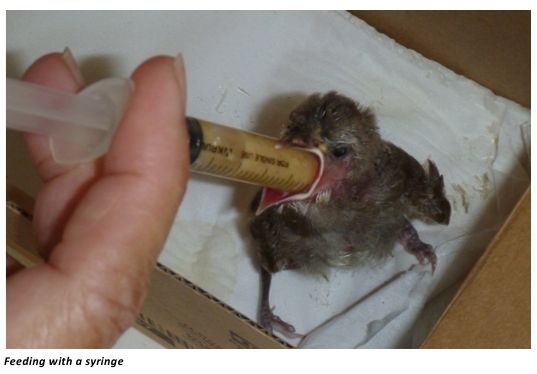
Use small, soft tools to feed a feathered baby bird. A syringe without a needle works well. It delivers food safely into the bird’s mouth. A small spoon or tweezers can also help. Avoid using sharp or large objects. Clean tools before each feeding to prevent infection.
Feeding Schedule Tips
Feed the baby bird every two to three hours during daylight. Young birds need frequent meals to stay strong. Avoid feeding too late in the evening. Allow time for digestion before sleep. Monitor the bird’s behavior for hunger signs. A hungry bird will open its mouth wide and call softly.
Avoiding Common Feeding Mistakes
Feeding a baby bird with feathers can feel overwhelming, especially when you want to get it right the first time. Avoiding common feeding mistakes is key to helping your little feathered friend grow strong and healthy. Simple errors can lead to serious health issues, so knowing what to avoid is just as important as knowing what to feed.
Foods To Avoid
Not all foods that seem safe are good for baby birds. Avoid giving them bread, dairy products, or salty snacks. These can cause digestive problems or even poisoning.
Steer clear of feeding wild seeds or nuts raw, as they may carry harmful bacteria. Also, never offer chocolate or caffeine—they are toxic to birds.
Have you ever thought about how human junk food affects animals? Baby birds are even more sensitive, so stick to natural, bird-friendly options.
Signs Of Overfeeding Or Malnutrition
Overfeeding a baby bird can be just as dangerous as underfeeding. Watch for a swollen crop or regurgitation, which might indicate you’re giving too much food too quickly.
On the flip side, a skinny bird with dull feathers and low energy may be suffering from malnutrition. These signs mean the bird isn’t getting the right nutrients, even if it looks like it’s eating enough.
Pay close attention to your bird’s behavior and appearance daily. Do you notice changes after feeding? Adjust your approach accordingly to keep your bird thriving.

Credit: www.youtube.com
When To Seek Wildlife Expert Help
Knowing when to call a wildlife expert can save a baby bird’s life. Some situations need more care than feeding alone. Experts have the skills and tools to help properly. Acting fast can prevent serious harm or death.
Do not try to treat sick or injured birds by yourself. Some signs show a bird needs professional attention. Safe handling and transport are also very important. This ensures the bird stays calm and unharmed before reaching help.
Signs Of Illness
- Bird is weak and cannot stand or perch.
- Feathers look ruffled or dirty for a long time.
- Bird is breathing fast or making strange noises.
- There are wounds, bleeding, or swelling on the body.
- Bird is not eating or drinking at all.
- Unusual droppings or diarrhea are present.
- Bird is lethargic and does not respond to touch.
Handling And Transport Tips
- Use a small box with air holes and soft cloth inside.
- Keep the bird warm but do not overheat it.
- Handle gently to avoid stress or injury.
- Keep the box in a quiet, dark place during transport.
- Do not feed or give water unless instructed by an expert.
- Transport the bird as soon as possible to a wildlife center.

Credit: www.youtube.com
Frequently Asked Questions
What Is The Best Food For A Baby Bird With Feathers?
Feed soft insects, soaked dog food, or specialized bird formula. Avoid milk or bread, as they harm the bird’s health.
How Often Should I Feed A Feathered Baby Bird?
Feed every 20 to 30 minutes during daylight hours. Gradually reduce feeding frequency as it grows and eats independently.
Can I Feed A Baby Bird With Seeds Or Fruit?
Seeds and fruit are not suitable for very young birds. Offer protein-rich foods first, then introduce seeds and fruit gradually.
Should I Use Warm Or Cold Food For Baby Birds?
Always feed baby birds warm, not hot or cold, food. Warm food mimics natural feeding and aids digestion effectively.
Conclusion
Feeding a baby bird with feathers can seem hard. But it’s manageable. Remember, they are growing and need balanced food. Bugs, worms, and small fruits are great. Avoid bread and milk. These can harm them. Fresh water is also important.
Observe the bird’s reaction to food. Adjust as needed. Always handle the bird gently. If unsure, ask a wildlife expert. They can guide you. Caring for a bird is rewarding. You help it grow strong and healthy. Your efforts matter.
Good luck with your feathered friend!