
Have you ever wondered if feeding birds during the hot summer months is a good idea? You might think they can find enough food on their own, but the truth isn’t so simple.
Your actions can make a big difference in how birds survive the heat. You’ll discover what’s safe and helpful for your feathered friends—and what might actually harm them. Keep reading to learn how you can support birds this summer the right way.

Credit: www.youtube.com
Summer Bird Feeding Basics
Feeding birds during summer can be a joyful way to connect with nature. Many people wonder if it is appropriate to offer food in this season. Understanding the basics helps ensure birds stay healthy and safe. Summer bird feeding requires simple care and the right food choices.
Why Feed Birds In Summer
Birds need extra energy in summer to raise their young. Natural food sources may become scarce during hot, dry spells. Providing food helps birds survive tough times. It also encourages a variety of birds to visit your garden. Feeding supports local wildlife and adds life to outdoor spaces.
Common Summer Bird Species
Different birds appear in summer, each with unique feeding habits. Here are some common species:
- American Robin – Eats berries and insects
- House Finch – Likes seeds and small fruits
- Chickadee – Prefers insects and sunflower seeds
- Goldfinch – Loves thistle and nyjer seeds
- Blue Jay – Eats nuts, seeds, and insects
Knowing these birds helps choose the best food and feeder types. Keep fresh water nearby for drinking and bathing.

Credit: www.thesun.ie
Choosing The Right Food
Choosing the right food for birds in summer is important for their health. Birds have different needs in warm months. Providing suitable food helps them stay strong and active. It also supports their natural diet and avoids health problems.
Safe Seeds And Fruits
Offer seeds that many birds enjoy and digest well. Sunflower seeds are a popular choice. They provide energy and nutrients. Millet and safflower seeds are also good options. These seeds attract a variety of bird species.
Fresh fruits can be a tasty treat. Apples, berries, and grapes are safe for most birds. Cut fruits into small pieces to make eating easier. Avoid citrus fruits, as they can upset birds’ stomachs. Remember to remove any uneaten fruit quickly to prevent mold.
Avoiding Harmful Foods
Some foods can harm birds and should never be fed. Avoid bread, as it offers no real nutrition. It can cause digestive problems and attract pests. Also, steer clear of salty or sugary snacks. These can lead to dehydration and health issues.
Chocolate, avocado, and caffeine are toxic for birds. Keep these items far away from feeding areas. Avoid feeding birds cooked or processed foods. Stick to natural, fresh, and bird-safe options only.
Setting Up Feeders Safely
Feeding birds in summer can be a rewarding experience, but setting up feeders safely is essential to protect both the birds and your outdoor space. Proper feeder setup helps prevent accidents, reduces the risk of disease, and ensures the birds can enjoy their food comfortably. Let’s look at how you can create a safe feeding environment with the right feeders and smart placement.
Ideal Feeder Types
Choosing the right feeder type is key to keeping birds safe. Tube feeders with small perches work well for tiny birds but can deter larger, more aggressive species. Platform feeders offer easy access but can attract unwanted pests if not monitored.
Consider feeders made from durable, non-toxic materials like metal or thick plastic. These materials withstand summer weather and make cleaning easier. Avoid feeders with sharp edges or loose parts that could harm birds.
Have you noticed some feeders get messy quickly? Opt for designs that reduce seed spillage and moisture buildup to keep food fresh and prevent mold growth.
Placement Tips For Safety
Where you put your feeder matters just as much as what you feed. Place feeders in shaded spots to prevent seeds from spoiling quickly in the heat. This also helps birds avoid overheating while they eat.
Keep feeders at least 10 feet away from windows to reduce the risk of bird collisions. Adding decals or screens on nearby windows can also help birds recognize glass barriers.
Think about predators too. Position feeders away from dense bushes or low branches where cats or other animals might hide. Elevate feeders on poles or hang them at least 5 feet off the ground for added protection.
Have you ever seen birds struggle to land on feeders surrounded by obstacles? Clear, open access encourages more visits and safer feeding.
Maintaining Clean Feeding Areas
Maintaining clean feeding areas is crucial for the health of birds during summer. Warm weather can cause food and water to spoil quickly. Dirty feeders can spread diseases among visiting birds. Keeping feeding spots clean ensures birds stay safe and enjoy fresh food.
Preventing Mold And Bacteria
Mold grows fast in warm, moist conditions. It can make birds very sick. Remove any wet or clumped seed immediately. Avoid leaving old food in feeders or on the ground. Use feeders that protect seeds from rain and humidity. Dry seeds before placing them in feeders for longer freshness.
Cleaning Frequency And Methods
Clean feeders at least twice a week in summer. Use hot water and mild soap to wash all parts. Rinse feeders well to remove soap residue. Let feeders dry completely before refilling. For tough stains or buildup, soak feeders in a vinegar solution. Regular cleaning stops bacteria growth and keeps birds healthy.
Hydration Needs In Hot Weather
Birds need more water in hot weather to stay healthy. Heat makes them thirsty and tired. Water helps birds cool down and keeps their bodies working well.
Providing water is just as important as giving food during summer. Birds use water to drink and bathe. Bathing helps remove dust and parasites from their feathers.
Providing Fresh Water
Always offer clean, fresh water for birds. Change the water daily to avoid bacteria growth. Use shallow dishes or bowls that birds can easily access. Place water containers in shaded areas to keep water cool longer. Avoid deep containers to prevent drowning risks.
Water Features For Birds
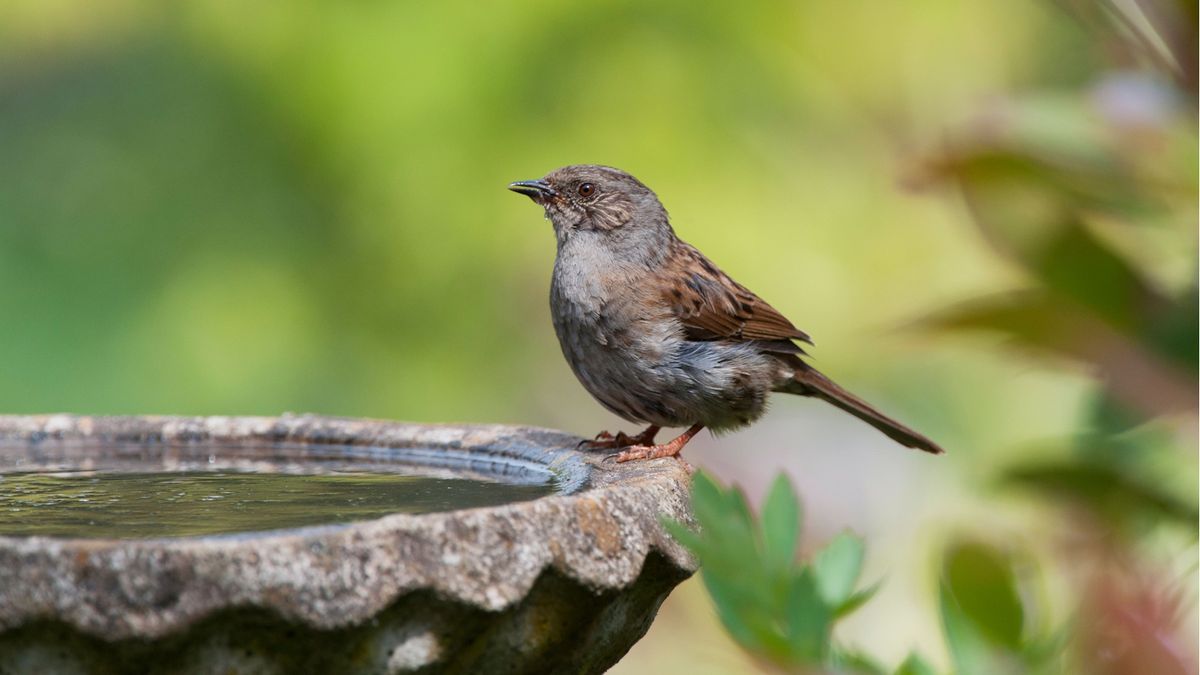
Water features attract more birds to your garden. A birdbath with a gentle drip or fountain keeps water moving. Moving water stays fresh and catches birds’ attention. Add stones or pebbles in the water for birds to perch on. Keep the water feature clean to stop algae and bugs.
Avoiding Risks To Birds
Feeding birds in summer can be a joyful experience, but it’s important to avoid putting them at risk. Birds face unique challenges during warmer months, and your actions can either help or harm their well-being. Understanding how to protect birds while feeding them ensures you’re supporting their health and safety effectively.
Managing Predators
Predators like cats and hawks are more active in summer, so feeding areas can become hunting grounds. You can reduce risks by placing feeders in open spaces where birds have clear escape routes. Avoid dense bushes nearby, as they give predators hiding spots.
Think about the feeder’s height and surroundings. Hanging feeders at least 5 feet off the ground and away from walls or fences limits ambush points. You might also consider adding baffles or guards to deter climbing predators.
Have you noticed increased predator activity around your feeders? Adjusting their location could save many birds from harm.
Preventing Overfeeding
Overfeeding can cause birds to become dependent on your food, which may reduce their natural foraging habits. It also leads to leftover food that spoils quickly in summer heat, attracting pests and spreading diseases.
Feed birds in small amounts and clean feeders regularly to prevent mold and bacteria growth. Offering a variety of natural food sources in your garden, like native plants and berries, supports a balanced diet for your feathered visitors.
Ask yourself: Are you feeding enough to help, or too much to harm? Monitoring feeding habits lets you keep control and keep birds healthy.
Alternative Ways To Support Birds
Supporting birds during the summer doesn’t always mean putting out feeders. There are natural and sustainable ways you can help birds thrive in your own backyard. These methods not only provide food but also shelter and safety, which are crucial during the hot months.
Planting Native Flowers
Native flowers are a bird’s natural buffet. They attract insects and provide nectar, which many birds rely on for food. By planting species local to your area, you create a familiar environment that supports the entire food chain.
Think about adding wildflowers like coneflowers, black-eyed Susans, or milkweed. These plants don’t just look beautiful—they also supply seeds and attract pollinators that birds feed on. Have you noticed how birds flock around certain flowers in your garden? That’s a sign you’re on the right track.
Creating Natural Habitats
Birds need more than food—they need places to rest, hide, and nest. You can help by leaving some areas of your yard wild or by adding natural features like brush piles, logs, and shrubs. These spots offer shelter and protection from predators and harsh weather.
Try to avoid excessive lawn mowing or removing fallen leaves too often. These actions reduce hiding spots for insects and small critters that birds eat. Have you ever seen a bird quietly dart into a bush or under a pile of leaves? That’s nature’s way of keeping them safe.
Credit: www.homesandgardens.com
Frequently Asked Questions
Is It Safe To Feed Birds During Summer?
Yes, feeding birds in summer is safe if done properly. Provide fresh water and suitable food to avoid harm. Avoid moldy or spoiled food to keep birds healthy.
What Foods Are Best For Summer Bird Feeding?
Offer fresh fruits, seeds, and mealworms in summer. These provide essential nutrients and hydration. Avoid bread or processed foods that can harm birds.
How Often Should I Refill Bird Feeders In Summer?
Refill feeders daily to ensure food stays fresh and clean. Summer heat can spoil food quickly, so regular cleaning is important.
Can Feeding Birds In Summer Affect Their Natural Foraging?
Feeding birds supplements their diet but shouldn’t replace natural foraging. Provide food responsibly to encourage healthy bird habits and independence.
Conclusion
Feeding birds in summer can be beneficial. It provides them extra nutrients. Birds face food scarcity even in warmer months. Offering seeds and water helps their survival. Always provide fresh and clean food. Avoid feeding unhealthy or stale items. Observe their response and adjust as needed.
This activity connects you with nature. It also supports local wildlife. Remember to maintain hygiene at feeding spots. A simple act with great impact. Enjoy the joyful bird visits in your yard. Your small efforts make a difference. Thank you for caring for our feathered friends.