
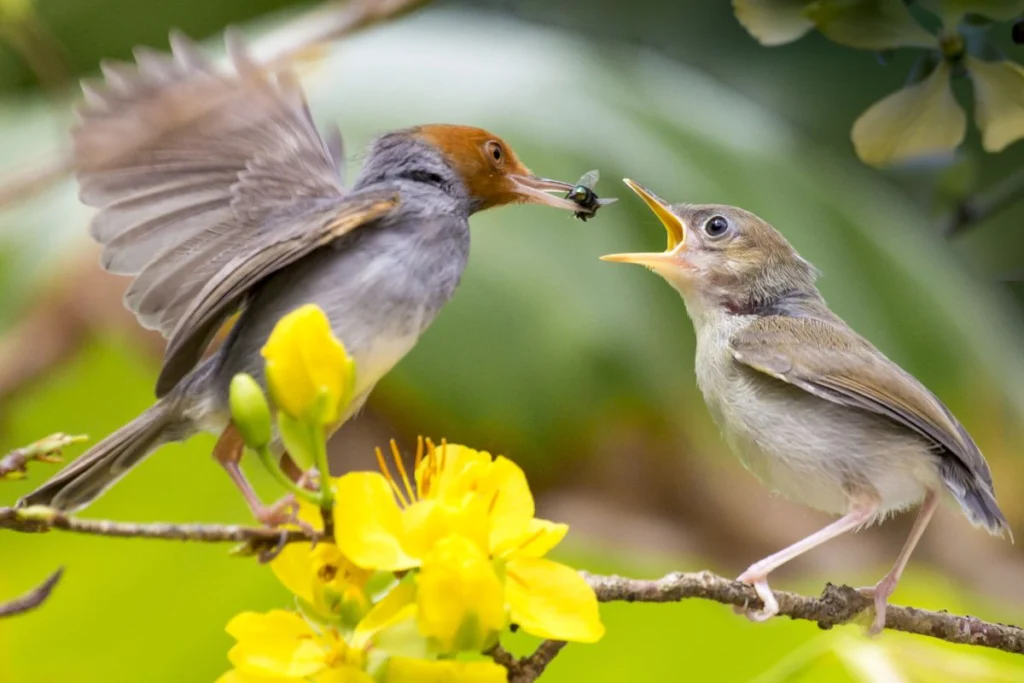
Have you ever wondered what birds feed their babies? It’s a fascinating question because the answer varies a lot depending on the type of bird.
What you feed your own children is important, right? Well, it’s just as important for baby birds to get the right food to grow strong and healthy. If you’re curious about how different birds care for their young and what they choose to feed them, you’re in the right place.
Keep reading, and you’ll discover some surprising facts that might change the way you see these feathered parents forever.

Credit: www.youtube.com
Bird Feeding Basics
Bird feeding basics reveal how parent birds care for their young. Feeding baby birds is crucial for their growth and survival. Each bird species has unique ways to feed and different diets. Understanding these basics helps us appreciate nature’s care system.
How Birds Feed Their Young
Parent birds feed their babies in several interesting ways. Most feed by regurgitating food directly into the chicks’ mouths. Others bring soft, small pieces of food to the nest. Some birds feed their young insects, worms, or seeds. Feeding happens often because chicks grow fast and need constant nutrition.
Parents use their beaks to transfer food. Baby birds often open wide and make noise to signal hunger. This behavior helps parents know when to feed them. Feeding is a careful process that helps chicks stay warm and strong.
Types Of Bird Diets
Bird diets vary widely depending on species and environment. Some common types include:
- Insectivores:Feed mainly on insects and small bugs.
- Granivores:Eat mostly seeds and grains.
- Frugivores:Prefer fruits and berries.
- Nectarivores:Drink nectar from flowers.
- Carnivores:Hunt small animals or fish.
Baby birds usually eat softer or easier-to-digest food than adults. Parents adjust the diet to the chicks’ needs. This ensures healthy growth and development of feathers and muscles.
Common Foods For Baby Birds
Baby birds need specific foods for healthy growth. Their diet depends on the bird species and their natural habitat. Parents choose foods rich in nutrients and easy for babies to digest.
These foods provide energy, protein, and vitamins. The right diet helps baby birds develop feathers, muscles, and strong bones. Here are some common foods birds feed their babies.
Insects And Worms
Many baby birds eat insects and worms. These foods are high in protein and easy to digest. Parents catch caterpillars, ants, beetles, and earthworms for their chicks. These small creatures support fast growth and strong muscles.
Seeds And Fruits
Some bird species feed their babies seeds and fruits. Seeds provide fats and carbohydrates for energy. Fruits offer vitamins and natural sugars. Soft fruits like berries and small seeds are common. Parents often mash seeds to make eating easier for chicks.
Regurgitated Food
Parents often feed babies with regurgitated food. They partially digest food and then bring it back to the nest. This food is softer and safer for baby birds. It also contains nutrients in a form chicks can absorb quickly.
Unique Feeding Behaviors
Birds show fascinating ways to feed their babies. Each species has unique habits and skills. These feeding behaviors help chicks grow strong and healthy. Understanding these methods reveals nature’s creativity and care.
Feeding Techniques By Species
Some birds feed their chicks by regurgitating food directly into their mouths. Others bring whole insects or worms to the nest. Some species feed their young small seeds or fruit pieces. Water birds often feed fish or aquatic insects.
Woodpeckers tap trees to find insects, then feed these to their chicks. Hummingbirds provide nectar by dipping their beaks into the baby’s mouths. Raptors feed their young by tearing meat into small pieces. Each feeding style fits the bird’s habitat and diet.
Role Of Both Parents
Many bird species share feeding duties between both parents. One parent might gather food while the other watches the nest. Parents often take turns feeding to keep babies warm and safe. This teamwork increases the chance of chick survival.
Some species rely heavily on the mother, while others depend on the father. In some cases, helpers from the family or flock assist in feeding. This group effort ensures all chicks get enough food.

Credit: www.youtube.com
Surprising Bird Baby Diets
Birds feed their babies a variety of diets that might surprise you. Not all baby birds get the typical worm or seed diet you might expect. Some species have evolved unique feeding habits to meet their chicks’ specific nutritional needs.
Unusual Foods Some Birds Use
Some birds feed their babies with unusual foods that seem strange at first. For instance, certain species of cuckoos feed their chicks insects and even small lizards. Others, like the hoatzin, pass partially digested leaves directly to their young, a rare behavior in the bird world.
Have you ever thought about how birds in urban areas adapt their baby’s diet? Pigeons often feed their squabs with “pigeon milk,” a nutrient-rich secretion from the lining of their crop. This milk is unlike anything in the human diet and provides crucial nourishment.
Adaptations For Nutritional Needs
Birds have developed clever adaptations to make sure their babies get the right nutrients. Some species feed their chicks highly specialized diets packed with proteins or fats to help them grow fast. For example, kingfishers catch fish and feed them whole to their young, ensuring a balanced diet loaded with omega-3s.
Other birds adjust their feeding based on what’s available. During scarce times, they might switch to softer foods or smaller prey. This flexibility shows how bird parents prioritize their chicks’ survival over strict diet rules.
Challenges In Feeding Baby Birds
Feeding baby birds is a tough job for parent birds. They face many challenges while trying to provide enough food. These challenges can affect the growth and survival of the young birds. Understanding these difficulties helps us appreciate the effort birds put into raising their chicks.
Predators And Food Scarcity
Predators are a constant threat to baby birds. Parents must stay alert to protect their young. This limits the time parents can spend searching for food. Food scarcity makes the task harder. Sometimes, there is not enough food nearby. Parents may travel far to find insects or seeds. Lack of food can cause weaker chicks or even starvation.
Environmental Impacts
Changes in the environment affect food availability for baby birds. Weather changes like heavy rain or drought reduce insect numbers. Pollution can poison food sources or make them scarce. Habitat loss from human activity removes safe places to find food. These impacts force birds to adapt or face fewer surviving chicks. The struggle to feed babies grows with these challenges.

Credit: www.discovermagazine.com
Human Interaction And Bird Feeding
Human interaction with birds, especially when it comes to feeding their babies, is a delicate matter. Birds have evolved natural ways to feed their young, and outside help can sometimes do more harm than good. Understanding when and how to feed wild birds or baby birds in need is crucial to support their survival without disrupting their natural behaviors.
Do’s And Don’ts For Feeding Wild Birds
Feeding wild birds can be rewarding, but it requires care and respect for their needs. Always offer foods that are safe and natural for the species you are trying to help. For example, seeds, nuts, and suet work well for many adult wild birds but may not be suitable for babies.
- Doprovide clean, fresh water daily.
- Doplace feeders in safe, sheltered locations away from predators.
- Dolearn about the specific diet of local bird species before feeding.
- Don’tfeed bread or processed foods; these can harm birds’ health.
- Don’tfeed baby birds directly unless you are trained or authorized.
- Don’thandle wild baby birds unnecessarily; it can cause stress and rejection by parents.
Have you noticed how some bird feeders attract more species than others? This often depends on the type of food and feeder design. Paying attention to these details can make your effort more effective and safer for birds.
Feeding Baby Birds In Rehabilitation
When baby birds are found injured or orphaned, specialized care is necessary. Rehabilitation centers use diets that closely mimic what parent birds would provide, such as insects, worms, or specially formulated feeding solutions.
If you ever come across a baby bird that seems abandoned, resist the urge to feed it yourself unless you have proper knowledge. Feeding the wrong food or feeding incorrectly can cause serious harm or death.
Trained rehabilitators use precise feeding schedules and techniques to ensure baby birds get the right nutrients and hydration. They also focus on minimizing human contact to keep the birds wild and ready for release.
Have you ever wondered why rehabilitators avoid excessive handling? It’s because keeping baby birds wild is vital for their survival once released back into nature.
Frequently Asked Questions
What Do Birds Feed Their Babies Initially?
Bird parents usually feed their hatchlings with soft, easily digestible food. This includes regurgitated insects, worms, or softened seeds, providing essential nutrients for early growth.
How Do Birds Gather Food For Their Chicks?
Adult birds collect food like insects, worms, and seeds from their environment. They then bring this fresh food back to the nest to feed their babies.
Do All Bird Species Feed Their Babies The Same Food?
No, feeding varies by species. Insectivorous birds feed insects, while seed-eating birds offer softened seeds or fruit to their chicks.
How Often Do Birds Feed Their Babies Daily?
Birds typically feed their chicks every 15 to 30 minutes during daylight. Frequent feeding ensures chicks receive enough nutrients to grow rapidly.
Conclusion
Birds nurture their young with care and instinct. Parents feed them insects, worms, or seeds. Each species offers different meals. Baby birds need nourishment for growth and survival. Observing birds is fascinating. Nature’s wonders unfold before our eyes. Understanding their feeding habits deepens our appreciation.
Birds are remarkable creatures. Their parenting skills are impressive. Next time, spot a bird feeding its chick. Notice the dedication and effort involved. It’s a marvel of nature. Respecting and protecting birds helps them thrive. Let’s cherish these incredible winged beings.
They enrich our world with beauty and song.