
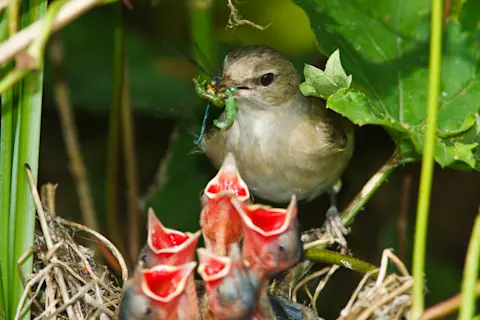
Have you ever watched a mama bird tirelessly caring for her babies and wondered, how often does she feed them? You might be surprised to learn just how frequent and dedicated her feeding routine is.
Understanding this can give you a closer look at nature’s incredible care system and even inspire your own nurturing instincts. Keep reading, and you’ll discover fascinating facts about a mama bird’s feeding schedule that will change the way you see these tiny, hardworking parents.

Credit: www.youtube.com
Feeding Frequency Patterns
Understanding how often a mama bird feeds her babies reveals a lot about their survival strategy and development. Feeding frequency patterns vary widely, depending on factors like species and the age of the nestlings. Noticing these patterns can help you appreciate the incredible effort these tiny parents put into raising their young.
Daily Feeding Rates
Mama birds can feed their babies anywhere from a few times an hour to dozens of times a day. Some small songbirds visit the nest up to 60 times daily, delivering tiny morsels at a rapid pace.
On the other hand, larger birds like raptors may feed less frequently but provide more substantial meals each time. Your observations might surprise you—have you ever seen a bird’s relentless pace to keep her chicks fed?
Variations By Bird Species
Different species have distinct feeding schedules shaped by their environment and food sources. Warblers and finches, for example, are often very active feeders, returning quickly to the nest.
Meanwhile, species like owls feed their young at longer intervals, sometimes only a few times a day, because their prey requires more effort to catch. This variation shows how each bird adapts its feeding strategy to its lifestyle and habitat.
Impact Of Nestling Age
As nestlings grow, their feeding needs change dramatically. In the first few days, babies require constant feeding, sometimes every 10 to 15 minutes, to fuel rapid growth.
Later, as they get stronger and more independent, the feeding intervals stretch out. You might wonder how mama birds adjust their schedules so precisely—this flexibility is key to their chicks’ survival.
Nutritional Needs Of Baby Birds
Baby birds need special care and nutrition to grow strong. Their tiny bodies require food that supports fast growth and energy. Mama birds feed their chicks many times a day to meet these needs. Understanding what and why they feed helps us appreciate this natural process.
Types Of Food Provided
Mama birds feed their babies different foods based on species and age. Common foods include:
- Insects like worms and caterpillars
- Soft fruits and berries
- Regurgitated food that is easy to digest
- Seeds or small grains in some species
These foods are chosen to match the baby birds’ digestive abilities.
Energy Requirements
Baby birds burn energy fast. They need constant feeding to stay warm and active. Frequent meals help maintain their body heat. Feeding happens every 10 to 30 minutes during daylight hours. This rapid feeding supports their quick growth and movement development.
Role Of Protein And Fats
Proteins build muscles and tissues in baby birds. Fats provide stored energy for their busy days. Mama birds focus on high-protein insects for growing chicks. Fat content is also important for brain and feather development. Balanced nutrition helps chicks grow healthy and ready to fly.
Mama Bird’s Feeding Techniques
Understanding how a mama bird feeds her babies gives you a closer look at the natural world’s care system. The feeding techniques vary widely depending on the bird species and the environment. This section breaks down the core feeding behaviors that keep baby birds healthy and growing strong.
Food Gathering Strategies
Mama birds use smart strategies to find the best food for their chicks. Some prefer hunting live insects like caterpillars or worms, while others collect seeds or fruit. You might notice that they choose food rich in protein to help their babies grow quickly.
Many birds repeatedly visit the same food sources, showing impressive memory skills. Others adapt by switching food types when seasons change or when food becomes scarce. Have you ever watched a bird tirelessly hopping from branch to branch? That’s determination to keep her babies well-fed.
Feeding Methods
Mama birds feed their babies with surprising gentleness and precision. They usually open the chicks’ mouths with their beaks and carefully deposit food inside. This method ensures the baby receives enough nourishment without choking.
Some species even partially digest the food before feeding it to their young, making it easier to swallow. This shows how much effort goes into making sure each bite counts. Can you imagine the patience it takes to feed a hungry, squirming nest full of chicks?
Communication During Feeding
Communication plays a key role during feeding times. Baby birds signal hunger by chirping loudly or opening their mouths wide. Mama birds respond quickly, recognizing these signals as a call to action.
Sometimes, subtle body language helps maintain order when many chicks compete for food. You might notice a gentle nudge or a slight pause before the next feeding. This silent conversation ensures every chick gets its fair share without chaos.

Credit: www.shutterstock.com
Environmental Influences
The environment around a mama bird plays a big role in how often she feeds her babies. Conditions like weather, nearby threats, and the time of year can all change feeding habits significantly. Understanding these factors helps you see why feeding schedules aren’t always the same day to day.
Weather Effects On Feeding
Bad weather can slow down a mama bird’s feeding routine. Heavy rain or strong winds make it hard for her to find food quickly. You might notice she feeds her chicks less often during storms or very cold days.
On sunny days, she tends to be more active, taking advantage of easier hunting conditions. This means the babies get fed more frequently. Have you ever watched birds disappear during a storm and wondered why? That’s why.
Predator Presence And Feeding
When predators are nearby, mama birds become extra cautious. She might reduce her trips to the nest to avoid attracting attention. Sometimes, she feeds her chicks quickly and hides to protect them.
This behavior shows how survival instincts affect feeding. You might see her pause feeding if a cat or hawk is lurking close. How would you feel trying to feed your kids while watching out for danger every minute?
Seasonal Changes
Feeding frequency shifts with the seasons too. In spring and early summer, food is plentiful, so mama birds feed their young often. As the season progresses and food becomes scarce, feeding trips might become less frequent.
Different seasons also change the types of food available, which affects how hard the mother has to work. You might notice a difference in your backyard birds’ activity depending on the time of year. Have you tracked how the seasons influence your local wildlife?
Role Of Father And Other Helpers
The role of the father and other helpers in feeding baby birds is often overlooked but plays a crucial part in the survival and growth of the chicks. These additional caregivers can share the workload, ensuring the babies get enough food throughout the day. Understanding their involvement helps you appreciate how nature distributes parenting duties.
Shared Feeding Responsibilities
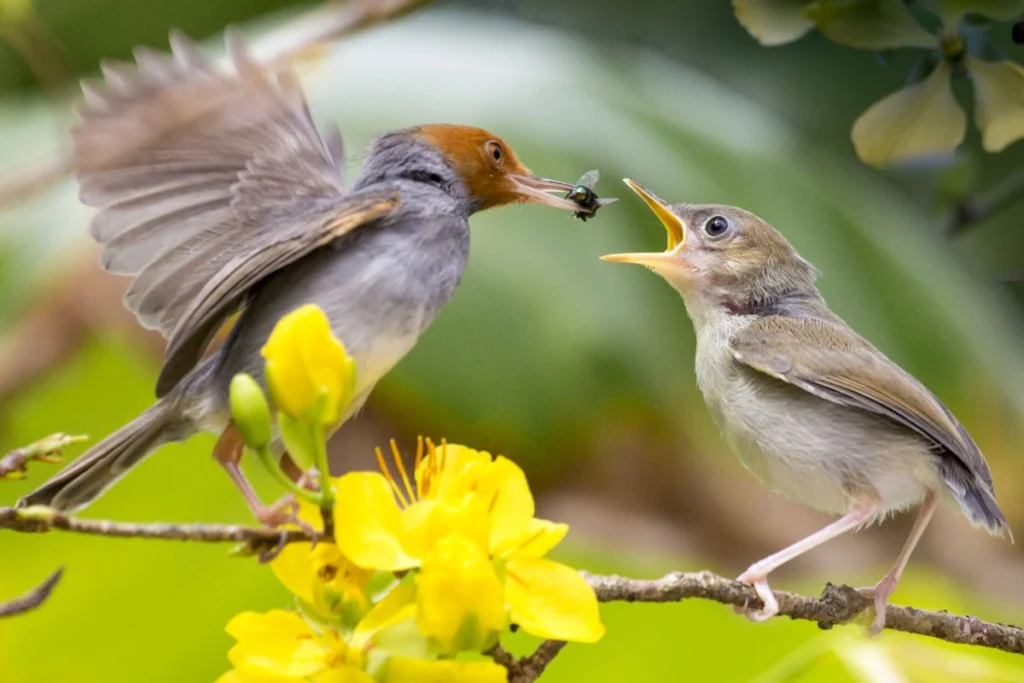
In many bird species, fathers actively participate in feeding the young. They bring food to the nest just as frequently as the mother does, sometimes even more. This teamwork reduces the mother’s stress and allows her to rest or stay alert for predators.
In species like robins and bluebirds, the father’s role is vital. He often guards the nest while the mother hunts for food, ensuring the babies are never left unattended. Have you noticed how this cooperation improves the feeding schedule and the chicks’ growth rate?
Helpers In Cooperative Breeding
Some birds live in communities where other adults, often siblings or relatives, help feed the babies. This cooperative breeding strategy is common in species like scrub jays and acorn woodpeckers. These helpers bring food and protect the nest, increasing the chances of chick survival.
Helpers can even feed the chicks multiple times an hour, which might be impossible for just the parents. Their presence creates a safety net that benefits the entire family group. What would happen if these helpers suddenly disappeared? The feeding frequency would likely drop, affecting chick health.
Impact On Feeding Frequency
With more caregivers involved, feeding frequency can increase significantly. This means chicks receive food more regularly, which supports faster growth and better development. It also allows parents to conserve energy and focus on other survival tasks.
On the other hand, in species where the father or helpers are absent, the mother must work harder. This can lead to longer gaps between feedings and slower chick development. Observing these differences in your local birds can give you insights into how shared duties shape their lives.
Credit: wildbloo.com
Challenges In Feeding Baby Birds
Feeding baby birds is not an easy task for mama birds. Many obstacles can make feeding difficult. These challenges affect how often and how well the babies are fed. Understanding these problems helps us appreciate the effort mama birds put into raising their young.
Food Scarcity
Sometimes, food is hard to find. Weather changes can reduce the number of insects and seeds. Less food means fewer trips to the nest. This causes baby birds to wait longer for meals. Hunger can slow their growth and weaken them.
Health Issues In Nestlings
Sick or weak babies need more care. Mama birds must spend extra time feeding and warming them. Illness can stop babies from asking for food. This makes feeding harder and less frequent. Healthy babies grow faster and call for food often.
Human Interference
Humans can disturb nests by accident. Loud noises and movements scare mama birds. They may leave the nest for a while. This breaks feeding routines and stresses the babies. Protecting nesting areas helps birds feed their young safely.
Interesting Feeding Facts
Feeding baby birds is a non-stop job for mama birds, but the way they do it varies in fascinating ways. Understanding these feeding habits can give you a new appreciation for the dedication and cleverness involved. Let’s dive into some intriguing facts about how often and how mama birds feed their young.
Record Feeding Frequencies
Some mama birds feed their babies almost constantly. For instance, hummingbird mothers can visit a nest up to 1,200 times a day. That means they bring food every few minutes during daylight hours.
Other species, like the albatross, feed their chicks much less often, sometimes only once every few days. This difference depends on the type of food and how quickly the chicks grow. Does knowing this change how you think about the energy these birds invest in parenting?
Unique Bird Feeding Behaviors
Birds have developed surprising methods to feed their chicks. Some species, like the cuckoo, trick other birds into feeding their young. The cuckoo chick even pushes out the host’s eggs to get more food.
In contrast, penguin parents take turns guarding and feeding their chick, showing teamwork in action. These behaviors highlight how survival shapes not just feeding frequency but feeding strategy. Have you ever observed a bird’s feeding behavior that surprised you?
Adaptations For Efficient Feeding
Mama birds have physical traits that help them feed their babies efficiently. Many have expandable throats or special pouches to carry large amounts of food in one trip. This means fewer trips back and forth to the nest.
Some birds also regurgitate food that is easier for their chicks to digest. This adaptation saves energy for both the mother and the baby. Next time you see a bird feeding, look closely—what special tricks might it be using to feed its young?
Frequently Asked Questions
How Often Do Mama Birds Feed Their Chicks Daily?
Mama birds typically feed their babies every 15 to 30 minutes. This frequent feeding ensures the chicks get enough nutrients to grow rapidly.
When Do Baby Birds Start Feeding Themselves?
Baby birds usually begin feeding themselves about two to three weeks after hatching. At this stage, they develop stronger beaks and coordination.
What Influences How Often Mama Birds Feed Their Babies?
Feeding frequency depends on the bird species, weather, and food availability. More active chicks and warmer weather often increase feeding visits.
Do Mama Birds Feed Their Babies During The Night?
Most mama birds do not feed their chicks at night. They feed frequently during daylight to maximize food delivery and chick growth.
Conclusion
Mama birds work hard to feed their babies. They provide meals many times daily. This constant care ensures chicks grow healthy and strong. Observing this feeding routine offers insights into bird behavior. It also highlights the importance of parental roles in nature.
Each feeding session strengthens the bond between mother and chicks. This natural process is fascinating to watch. Every feeding moment is crucial for the chicks’ survival. So, next time you see a bird, think about its busy life. Nature’s wonders are truly remarkable.
Appreciate the dedication of mama birds everywhere.