
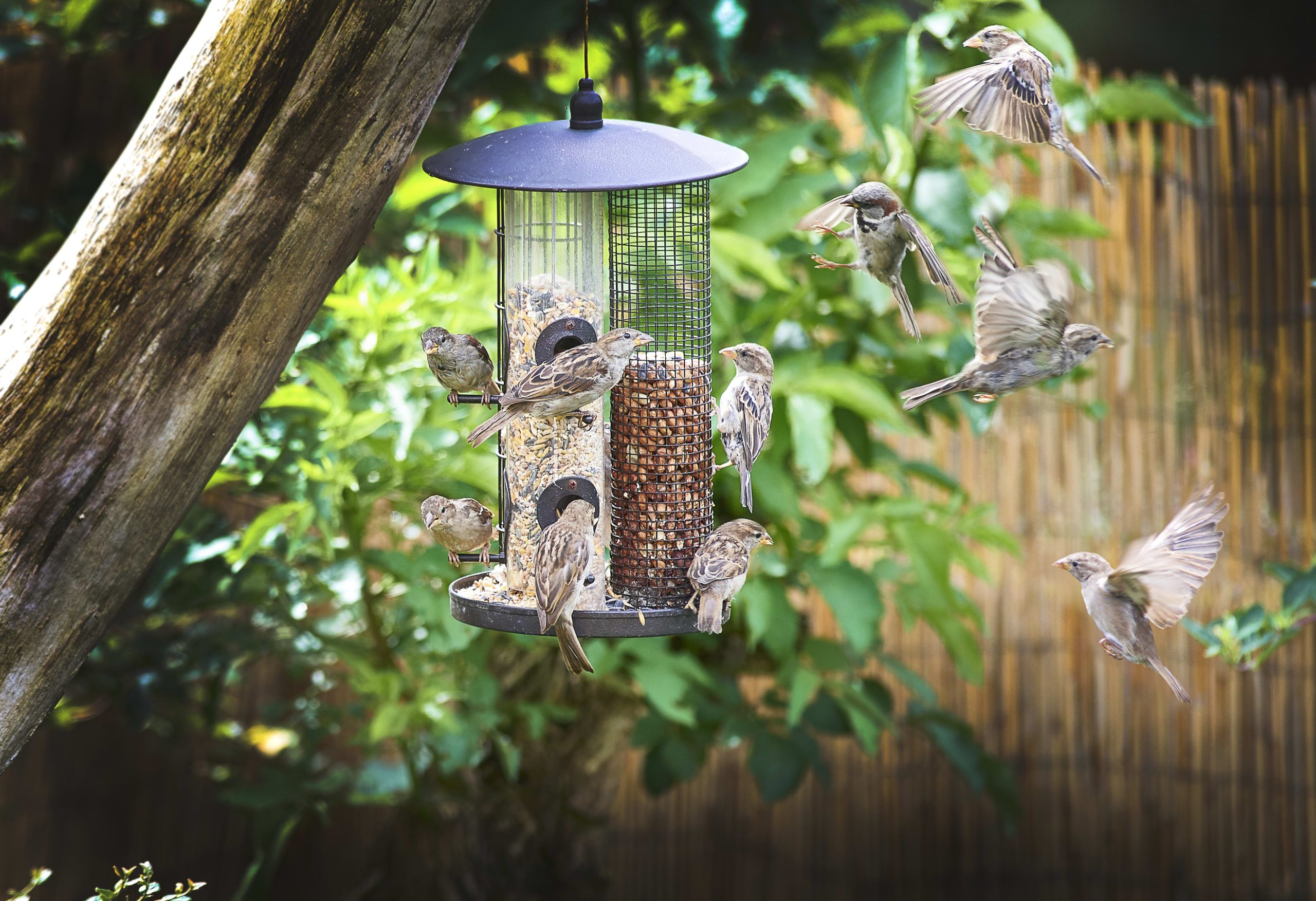
Have you ever wondered if adding a bird feeder to your yard is worth it? Imagine stepping outside and seeing colorful birds visit your space every day.
A bird feeder can bring nature closer to you, brighten your mornings, and even reduce stress. But is it the right choice for your home? You’ll discover the real benefits—and a few challenges—of having a bird feeder. By the end, you’ll know exactly whether it fits your lifestyle and how it can transform your outdoor experience.
Keep reading to find out!

Credit: sunnydazedecor.com
Attracting Wildlife To Your Yard
Attracting wildlife to your yard can turn an ordinary outdoor space into a lively, natural retreat. Adding a bird feeder is a simple way to invite a variety of feathered visitors right to your window. It’s not just about watching birds; it’s about creating a connection with nature and understanding the local ecosystem around you.
Types Of Birds You Can Attract
Different bird feeders attract different species. If you prefer colorful songbirds, try feeders stocked with sunflower seeds or nyjer seed. These seeds are favorites of finches, chickadees, and cardinals.
For larger birds like blue jays or woodpeckers, use feeders with peanuts or suet. If you want to see hummingbirds, a sugar water feeder is essential. Think about which birds you want to attract and choose your feeder and food accordingly.
Creating A Bird-friendly Habitat
Just placing a feeder isn’t enough. Birds need shelter and water to feel safe. Plant native shrubs and trees around your feeder to offer protection from predators and harsh weather.
Adding a birdbath or shallow water source encourages birds to stay longer. Keep water fresh and clean to avoid spreading disease. Have you noticed how birds prefer feeders near natural cover rather than open areas? Mimic that setup in your yard for the best results.
Enhancing Mental Wellbeing
Having a bird feeder can bring a quiet joy to daily life. Watching birds visit your garden creates peaceful moments. These moments help calm the mind and lift the spirit. They offer a simple way to connect with nature. This connection supports mental wellbeing and reduces feelings of stress. Bird feeding invites a natural pause during busy days. It encourages mindfulness and presence.
Stress Relief Through Bird Watching
Bird watching calms the nervous system. It slows down racing thoughts and lowers tension. Watching birds flutter and sing offers a soothing distraction. This focus on nature helps reduce anxiety. Just a few minutes of bird watching can refresh your mind. It creates a break from daily worries. The gentle sounds and movements ease mental strain. This peaceful activity supports better sleep and relaxation.
Boosting Mood And Creativity
Birds inspire feelings of happiness and wonder. Their colors and songs spark joy inside. Observing their behaviors can lead to new ideas and creativity. It encourages imagination and curiosity. This natural stimulation helps improve mood naturally. Bird feeding routines give structure and purpose. They offer small moments of achievement and delight. These positive feelings can increase overall life satisfaction.
Educational Opportunities
Having a bird feeder in your yard opens up a world of educational opportunities right outside your window. It turns a simple outdoor space into a living classroom where you can observe nature up close. This hands-on learning experience is both fun and insightful for people of all ages.
Learning About Local Bird Species
A bird feeder attracts many types of birds unique to your area. Watching them daily helps you recognize different species by their colors, sizes, and behaviors. You might even notice seasonal changes as some birds visit only during certain times of the year.
Try keeping a simple journal to note the types of birds you see and their habits. This practice sharpens your observation skills and deepens your knowledge of local wildlife. Have you ever paused to wonder why some birds prefer certain seeds over others?
Engaging Kids With Nature
Kids often find nature distant or boring, but a bird feeder changes that. It provides a constant source of entertainment and curiosity. Children can learn responsibility by helping to fill the feeder and keep it clean.
Use this opportunity to teach them about ecosystems, food chains, and the importance of caring for the environment. You can even create simple games like bird bingo or identification challenges to make learning playful. How might your child’s perspective on nature change after weeks of watching and learning about birds?
Supporting Bird Conservation
Supporting bird conservation is a simple yet powerful way to help local wildlife. Bird feeders offer a steady food source that can make a big difference. Many bird species face challenges like habitat loss and food shortages. Providing food supports their survival and well-being.
Providing Food During Scarce Seasons
Bird feeders supply essential food during tough seasons. Winter and early spring often mean less natural food available. Birds struggle to find seeds, berries, and insects. Feeders filled with seeds, suet, or nuts help them survive. This steady food helps birds maintain energy and health.
Cold weather demands more energy for warmth. Food scarcity can cause weakness or starvation. Your feeder becomes a lifeline during these times. It also helps young birds learn to feed and grow strong.
Helping Migratory Birds
Migratory birds travel long distances and need frequent rest stops. Feeders act as reliable pit stops on their journey. These birds burn a lot of energy flying thousands of miles. High-energy food gives them strength to continue.
Providing a safe feeding spot helps migratory birds avoid dangerous areas. It supports their migration success and population stability. Your feeder becomes part of a global conservation effort. Small actions add up to big benefits for bird species.
Choosing The Right Bird Feeder
Choosing the right bird feeder is key to attracting your favorite birds. Different feeders suit different birds and environments. This helps birds feed safely and comfortably. A good feeder also keeps seeds fresh and clean. Understanding feeder types and seed choices makes bird feeding easier and more fun.
Types Of Feeders
- Tube Feeders:Great for small birds like finches and chickadees. They have small holes to keep seeds from spilling.
- Squirrel-Proof Feeders:Designed to stop squirrels from stealing food. Good for yards with many squirrels.
- Hopper Feeders:Hold lots of seed and attract many birds at once. They have a roof to protect seeds from rain.
- Platform Feeders:Open trays that hold seeds. They attract larger birds but may also invite unwanted animals.
- Nectar Feeders:Made for hummingbirds. They hold sugar water and have small feeding ports.
Best Seeds For Different Birds
| Seed Type | Birds Attracted | Notes |
|---|---|---|
| Black Oil Sunflower | Finches, Cardinals, Chickadees | High in oil, easy to crack |
| Nyjer (Thistle) | Goldfinches, Pine Siskins | Needs special tube feeders |
| Safflower | Cardinals, Grosbeaks | Not liked by squirrels |
| Millet | Sparrows, Doves, Juncos | Best in platform feeders |
| Cracked Corn | Doves, Jays, Quail | Use in ground or platform feeders |

Credit: birdphotographylife.com
Maintaining Your Bird Feeder
Maintaining your bird feeder is essential to keep your feathered visitors healthy and happy. A well-kept feeder not only attracts more birds but also prevents problems like mold, bacteria, and pest infestations. How often you clean and care for your feeder can make a big difference in the quality of the birdwatching experience you enjoy.
Cleaning Tips
Regular cleaning of your bird feeder is a must. Aim to clean it at least once every two weeks, or more often if you notice dirt or mold. Use a solution of one part white vinegar to four parts water or a mild soap diluted in water.
Scrub all surfaces thoroughly with a brush, paying close attention to corners and crevices where debris can accumulate. Rinse well and allow the feeder to dry completely before refilling it. This prevents harmful residues from affecting the birds.
Preventing Disease Spread
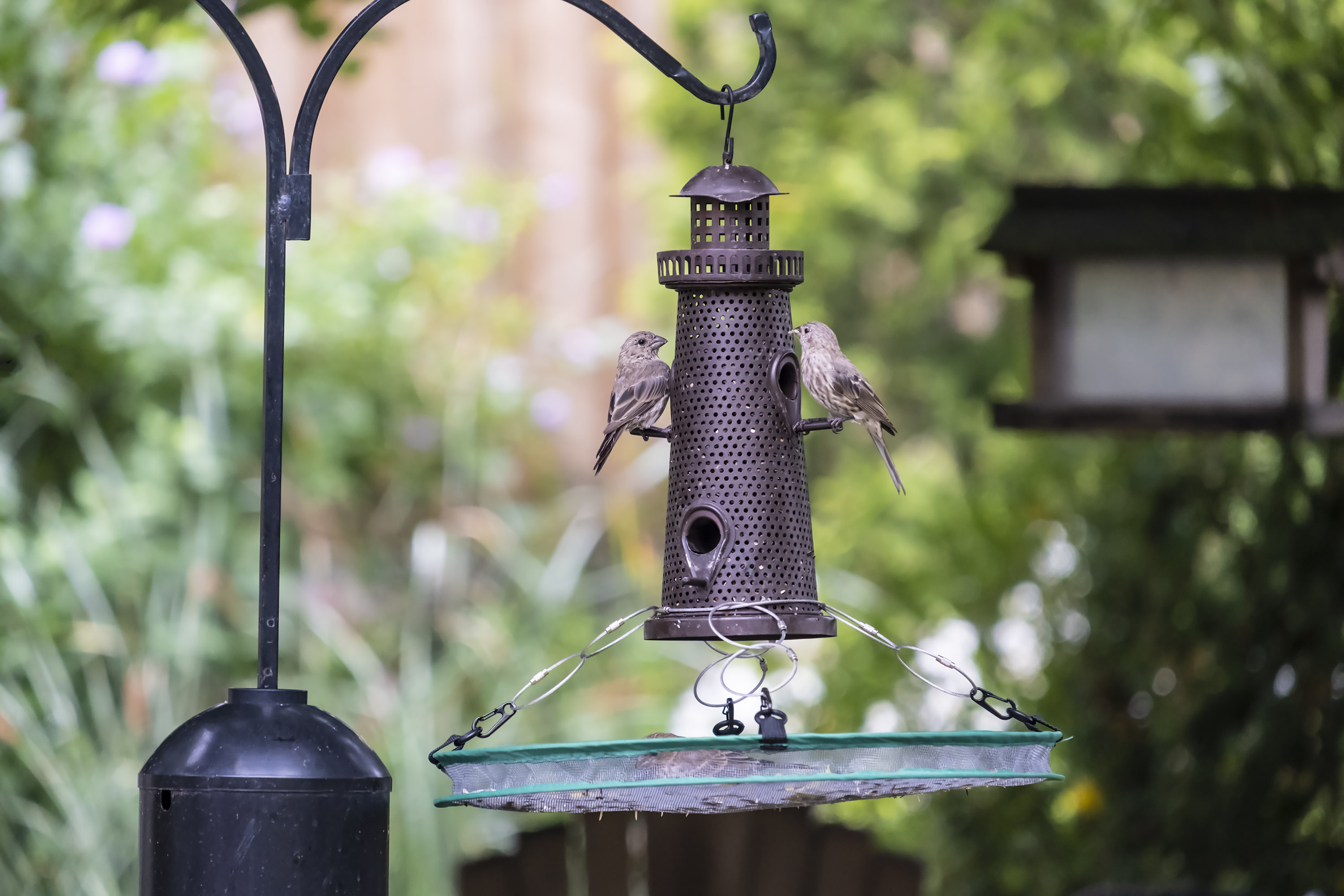
Birds can easily spread diseases through shared feeders, so reducing risks is crucial. Avoid overcrowding feeders by providing multiple feeding stations spaced at least 10 feet apart. This gives birds enough space and lowers stress levels.
Remove any wet, clumped, or moldy seed immediately to stop the growth of harmful fungi and bacteria. Dispose of old seeds rather than refilling with fresh seed on top, which can hide contamination. Have you checked your feeder recently for signs of spoilage?
Common Concerns And Solutions
Setting up a bird feeder can bring joy and nature’s beauty closer to your home. However, some concerns often hold people back from installing one. Let’s address these common issues and share practical ways you can enjoy feeding birds without the downsides.
Dealing With Pests
Pests like squirrels, rats, and ants can quickly become a nuisance at your bird feeder. They often compete with birds for food and can damage the feeder itself.
You can try these solutions to keep pests away:
- Choose squirrel-proof feeders:These have weight-sensitive mechanisms that close access when a heavy animal sits on them.
- Use baffles:Place a dome-shaped baffle above or below the feeder to block climbing pests.
- Keep the area clean:Regularly sweep up spilled seeds to avoid attracting unwanted visitors.
- Opt for specific seeds:Niger or safflower seeds often repel squirrels but attract many birds.
Have you noticed which pests visit your yard most? Tailoring your approach based on local wildlife often works best.
Avoiding Window Collisions
Birds often mistake reflections in windows for open sky or trees, leading to dangerous collisions. This is a common concern for many who want to attract birds close to their homes.
To protect your feathered visitors, consider these tips:
- Use window decals or stickers:Place them close together to break up reflections and alert birds.
- Install external screens or netting:These soften reflections and provide a cushion if birds do fly into windows.
- Move feeders away from windows:Position feeders either within 3 feet or more than 30 feet from windows to reduce collision speed and impact.
Think about your window setup. Can small changes in feeder placement or adding simple markers make a big difference in bird safety?
Credit: dengarden.com
Frequently Asked Questions
What Are The Benefits Of Having A Bird Feeder?
A bird feeder attracts birds, enhancing your garden’s beauty. It supports local wildlife by providing food. Watching birds can be relaxing and educational for all ages.
How Do I Choose The Right Bird Feeder?
Select a feeder based on the birds you want to attract. Consider size, durability, and ease of cleaning. Different feeders suit different bird species and seed types.
Where Should I Place My Bird Feeder?
Place feeders in safe, visible areas away from predators. Near trees or shrubs offers birds shelter. Ensure easy access for refilling and cleaning.
What Type Of Food Should I Use In Bird Feeders?
Use seeds like sunflower, millet, or nyjer based on bird preferences. Avoid moldy or spoiled food. Clean feeders regularly to prevent disease.
Conclusion
Bird feeders bring joy and beauty to any yard. They attract colorful birds. Watching these birds can be relaxing and educational. Feeding birds supports local wildlife. It provides food during tough times. Bird feeders also help connect us to nature.
They remind us of the simple joys. Consider your location and bird types first. Choose a feeder that suits your needs. Remember to keep it clean and safe. A bird feeder can brighten your day. It can make your home lively.
Enjoy the chirping and fluttering wings. Experience the delight of birdwatching. Embrace this wonderful hobby today.