
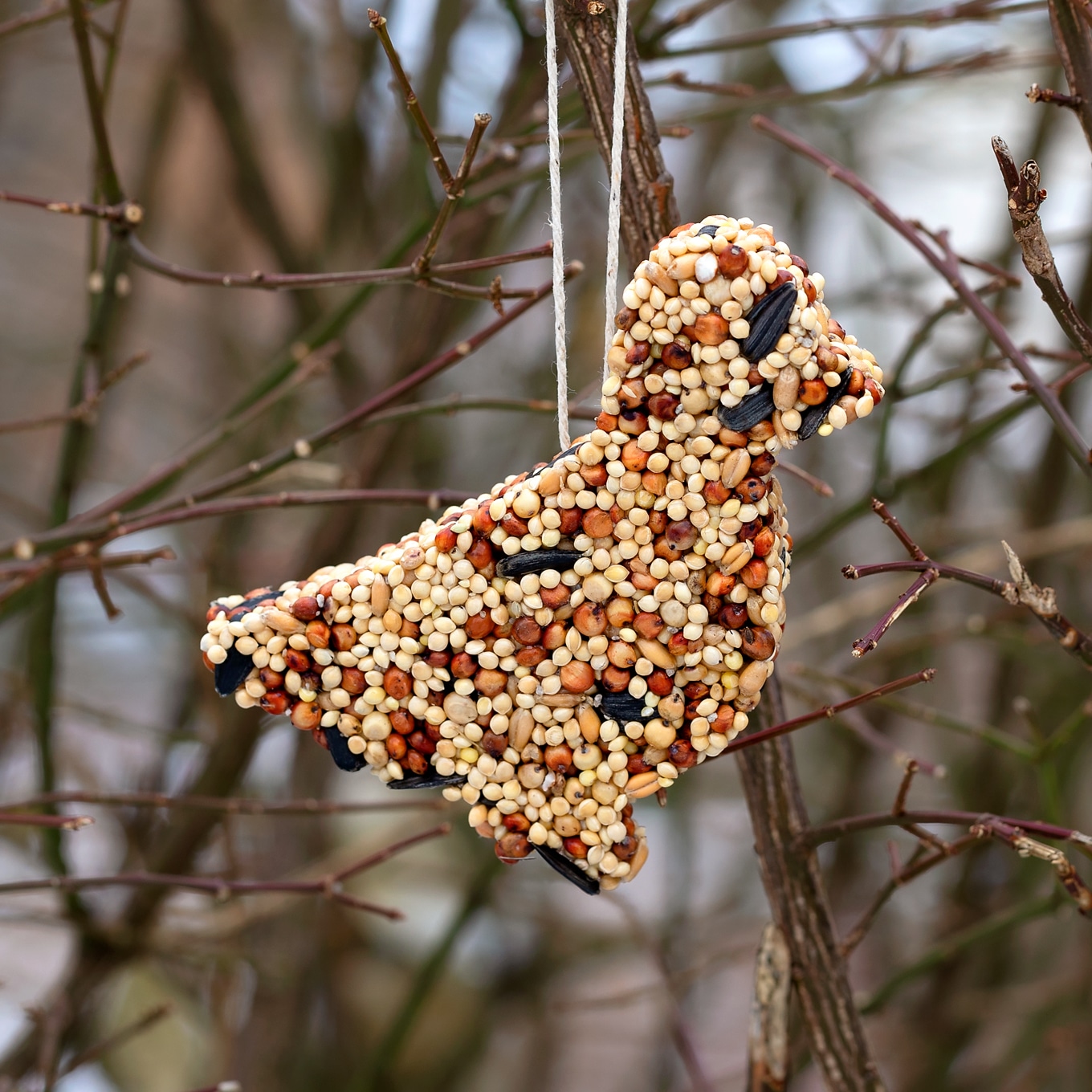
Are you ready to invite more colorful birds to your backyard? Making your own bird seed feeder is easier than you think, and it brings endless joy watching feathered friends visit daily.
Imagine creating a simple, budget-friendly feeder that attracts a variety of birds while giving you a rewarding hands-on project. In this guide, you’ll discover step-by-step instructions to build your perfect bird seed feeder. Keep reading to learn how to turn ordinary materials into a welcoming spot for birds—and add life and charm to your outdoor space!
Choosing Materials
Choosing the right materials for your bird seed feeder sets the foundation for attracting a variety of birds and ensuring your feeder lasts through seasons. The seeds you pick will determine which birds visit, while your feeder supplies and tools affect how easy it is to build and maintain your feeder. Think about what birds are common in your area and what materials will withstand local weather conditions.
Best Seeds For Birds
Different seeds attract different birds. Black oil sunflower seeds are a favorite for many species because they have thin shells and high oil content, providing lots of energy.
Nyjer seeds draw small finches like goldfinches and siskins, while millet is great for ground-feeding birds like sparrows and doves. You can mix these seeds or choose one type depending on which birds you want to attract.
Have you noticed which birds visit your yard most? Try matching your seed choice to them for better results.
Selecting Feeder Supplies
Your feeder’s materials need to be durable and safe for birds. Wood is a popular choice because it looks natural and can last long if treated properly.
Plastic feeders are lightweight and easy to clean but may not last as long in strong sunlight or cold winters. Metal feeders resist squirrels better but can heat up quickly in the sun.
Choosing clear plastic or mesh feeders can help you see when to refill the seeds. Think about your climate and local wildlife when picking materials.
Tools You’ll Need
Gathering the right tools makes building your feeder easier and safer. A drill or screwdriver will help you assemble parts quickly and securely.
You’ll also need sandpaper to smooth rough edges and prevent bird injuries. Scissors or wire cutters come in handy if you use mesh or wire in your design.
Do you have a simple toolkit at home? Most supplies are basic, so you probably already own what’s needed to start building your feeder today.

Credit: www.familyhandyman.com
Designing Your Feeder
Designing your bird seed feeder is key to attracting and feeding birds effectively. The shape, size, and safety features affect how well birds use it. A good design keeps seeds dry and birds comfortable. Think about the birds you want to attract and your outdoor space. Simple, practical designs work best for beginners and experts alike.
Simple Feeder Shapes
Choose easy shapes for your feeder. Cylinders, boxes, and trays work well. Cylinders hang easily and hold many seeds. Boxes give birds a place to perch and feed. Trays are open and let many birds eat at once.
- Cylinder feeders with holes for small birds
- Box feeders with a roof to keep seeds dry
- Tray feeders for larger birds or groups
Size And Capacity Tips
Pick a size that fits your space and bird visitors. Small feeders suit a few birds or small spaces. Large feeders hold more seeds and attract more birds. Keep it easy to refill and clean. Avoid feeders too big or too small for your needs.
| Feeder Size | Best For | Seed Capacity |
|---|---|---|
| Small | Small birds, balconies | 1-2 cups |
| Medium | Backyards, mixed birds | 3-5 cups |
| Large | Open areas, many birds | 6+ cups |
Keeping Birds Safe
Safety matters in feeder design. Keep seeds dry to avoid mold. Use materials that won’t harm birds. Avoid sharp edges and toxic paints. Place feeders away from predators like cats. Clean feeders regularly to prevent disease. Provide some cover nearby for birds to hide.
Step-by-step Building
Building your own bird seed feeder can be a fun and rewarding project. It allows you to customize the design to fit your outdoor space and attract the birds you love to watch. The process is straightforward, and you’ll enjoy the satisfaction of seeing feathered visitors enjoy the fruits of your labor.
Preparing Materials
Start by gathering all the materials you need. Basic supplies include untreated wood or recycled containers, a drill, screws or nails, sandpaper, and hooks or string for hanging. Don’t forget the bird seed itself—choose a mix that attracts a variety of local birds.
Think about the environment where you’ll place the feeder. Is it windy or exposed to rain? This will affect your choice of materials and design. Preparing everything in advance makes the building process smoother and faster.
Assembling The Feeder
Begin by cutting your wood or container to the desired size. Make sure the edges are smooth by sanding them down to avoid hurting the birds. Assemble the pieces carefully using screws or nails, ensuring the structure is stable and secure.
Pay attention to ventilation and drainage. Small holes drilled at the bottom prevent seed from getting soggy and moldy. Ask yourself if the feeder design allows easy refilling and cleaning—both are crucial for keeping birds healthy.
Adding Seed Holders
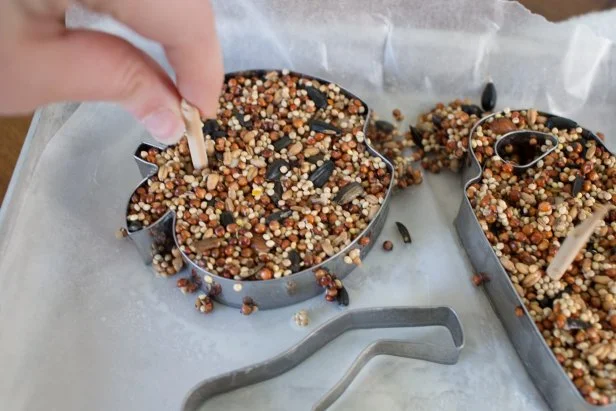
Seed holders can be simple trays, tubes, or compartments depending on your design. Attach these securely to the feeder body, making sure they are accessible for birds but difficult for squirrels to reach. You might even add perches to give birds a comfortable spot to land.
Consider the seed type when deciding on holders. Larger seeds need bigger openings, while smaller seeds require tighter spaces to avoid spilling. How will you refill the holders? Designing an easy access point now saves hassle later.
Credit: www.foodnetwork.com
Finishing Touches
Finishing touches bring your bird seed feeder to life. These final steps make it both beautiful and durable. A well-finished feeder attracts more birds and lasts longer. Focus on decoration, protection, and hanging options for best results.
Painting And Decorating
Choose bright, non-toxic paint safe for birds. Paint adds color and personality to your feeder. Let each coat dry completely before adding another. Use stencils or patterns for a creative touch. Avoid strong smells that might scare birds away.
Waterproofing Options
Protect your feeder from rain and moisture. Apply a clear, bird-safe sealant after painting. This helps prevent wood from rotting or cracking. Reapply sealant every season to maintain protection. Avoid using varnish with harmful chemicals.
Hanging Your Feeder
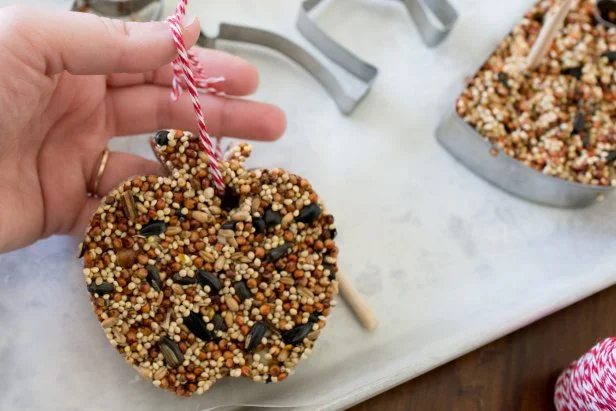
Select a sturdy string, wire, or chain for hanging. Make sure it supports the feeder’s weight. Hang it in a quiet, safe spot away from predators. Choose a location visible from your window for easy watching. Check hanging points regularly for wear and tear.
Maintaining Your Feeder
Maintaining your bird seed feeder is key to keeping the birds healthy and your backyard buzzing with life. A well-kept feeder attracts more visitors and ensures they get fresh, uncontaminated food. It also saves you time and effort in the long run by preventing damage and pest problems.
Cleaning Routine
Clean your feeder regularly to stop mold and bacteria from building up. Use warm soapy water and a brush to scrub every corner of the feeder. Rinse it well and let it dry completely before refilling.
Try to clean the feeder at least once every two weeks, or more often if you notice wet or clumped seed. Birds can get sick from dirty feeders, so keeping it clean is a simple way to protect them.
Refilling Tips
Refill your feeder before it runs out completely. This prevents birds from going hungry and keeps them coming back daily. Use fresh seed and avoid mixing old leftovers with new seed to reduce spoilage.
Store your seed in a cool, dry place to keep it fresh longer. When adding seed, do it gently to avoid spilling and attracting unwanted visitors. Have you noticed how some birds prefer certain seeds? Try offering a mix to see which ones your feathered friends like best.
Preventing Pests
Pests like squirrels and rodents can quickly empty your feeder if you don’t take steps to stop them. Use baffles or place your feeder on a pole away from trees or fences to keep pests at bay. You can also try spicy bird seed blends that deter squirrels without harming birds.
Keep the area around your feeder clean by regularly sweeping up spilled seed. This reduces hiding spots and food sources for pests. How often do you check your feeder for signs of unwanted visitors? Staying vigilant makes a big difference.
Credit: www.foodnetwork.com
Attracting More Birds
Attracting more birds to your feeder creates a lively and beautiful garden space. Birds bring sound and color, making your outdoor area more enjoyable. Creating the right environment helps birds feel safe and welcome near your feeder.
Choosing The Right Location
Place the feeder in a quiet spot away from heavy foot traffic. Choose a location near shrubs or trees. These provide shelter and perching spots for birds. Avoid areas too close to windows to prevent bird collisions. Ensure the feeder is visible from your favorite viewing spot.
Adding Bird-friendly Plants
Plant native flowers, shrubs, and trees that produce seeds, berries, and nectar. These natural food sources attract different bird species. Plants also offer shelter and nesting sites. Examples include sunflowers, coneflowers, and berry bushes. A mix of plants creates a welcoming habitat all year round.
Seasonal Feeding Advice
Adjust the type of seed based on the season. Use high-fat seeds like sunflower or safflower in winter for energy. Switch to millet or cracked corn in warmer months. Keep feeders clean and dry to avoid mold and disease. Offer fresh water nearby during hot weather.
Frequently Asked Questions
What Materials Do I Need To Make A Bird Seed Feeder?
To make a bird seed feeder, you need basic materials like a plastic bottle or wood, bird seed, string, and scissors. These items are easy to find and inexpensive, making the project simple and fun for everyone.
How Do I Hang A Homemade Bird Seed Feeder Safely?
Hang your bird seed feeder using strong string or wire from a sturdy tree branch or hook. Ensure it is high enough to avoid predators and in a shaded area to keep seeds fresh longer.
Which Bird Seeds Are Best For Homemade Feeders?
Black oil sunflower seeds are best for homemade feeders. They attract a wide variety of birds and are easy for birds to eat. Avoid cheap mixes that contain filler seeds birds often ignore.
How Often Should I Clean My Bird Seed Feeder?
Clean your bird seed feeder every two weeks to prevent mold and bacteria. Use warm soapy water, rinse well, and dry completely before refilling to keep birds healthy.
Conclusion
Creating a bird seed feeder is simple and rewarding. You help birds find food. Plus, it’s a fun project for everyone. Gather your materials and start today. Watch birds visit and enjoy their songs. Feel the joy of giving back to nature.
A few easy steps lead to a busy feeder. Enjoy the beauty and life birds bring. Share your creation with friends. Inspire others to make their own feeders. The more feeders, the more birds we help. Happy crafting!