
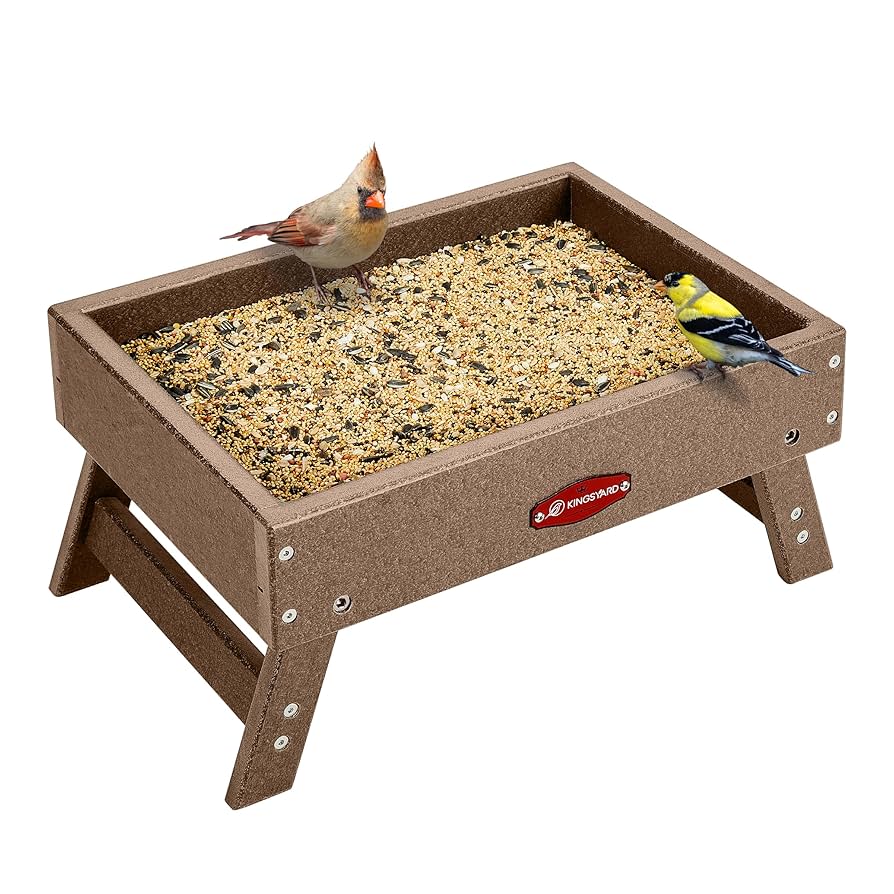
Are you wondering what size screen works best for your platform bird feeder? Choosing the right screen size can make all the difference in attracting the birds you love to watch.
If the screen is too big, smaller birds might slip through or predators could get in. Too small, and it might block the seeds or make cleaning a hassle. You’ll discover the perfect screen size to keep your feeder safe, easy to use, and inviting for a variety of birds.
Keep reading to find out how to get your bird feeder just right!

Credit: www.amazon.ca
Importance Of Screen Size
The screen size on a platform bird feeder plays a key role in its overall function. Choosing the right screen size affects how birds see the feeder, how safe they feel, and how long the feeder lasts. Small changes in screen size can make a big difference in bird feeding experience. Understanding these impacts helps in picking the best feeder for your garden or backyard.
Impact On Bird Visibility
The screen size controls how much of the seed is visible to birds. Larger screens show more seed, attracting more birds quickly. Smaller screens hide seeds, which may confuse birds or keep them away. Clear visibility helps birds find food faster and feel more comfortable landing on the feeder.
Effect On Bird Safety
Screen size also affects bird safety while feeding. Too large screens can allow small birds to get trapped or stuck. Very small screens may block bird access, causing frustration or injury. Proper screen size lets birds feed easily without risk of harm or stress.
Influence On Feeder Durability
Screen size impacts the feeder’s strength and life span. Larger screens might weaken the platform’s structure if not supported well. Smaller screens add extra support, making the feeder more durable against weather and bird activity. A well-sized screen helps keep the feeder sturdy and long-lasting.

Credit: www.amazon.ca
Common Screen Sizes
Choosing the right screen size for your platform bird feeder can make all the difference in attracting the birds you want while keeping others away. Common screen sizes vary to suit different bird species and their feeding habits. Understanding these sizes helps you create a feeder that fits your backyard’s unique bird population.
Small Screens For Tiny Birds
Small screens have openings typically around 1/4 inch or less. These are perfect for tiny birds like chickadees, finches, and wrens. The small gaps prevent larger birds and squirrels from reaching the food, ensuring your tiny visitors get their share.
When I used a feeder with small screens, I noticed more delicate birds visiting regularly without being scared off by bigger neighbors. Have you ever struggled with bigger birds dominating your feeder?
Medium Screens For Mixed Species
Medium screens usually feature openings between 1/4 inch and 1/2 inch. This size suits a variety of birds, including cardinals, blue jays, and titmice. It balances access well, allowing different species to feed comfortably without overcrowding.
This size is a great choice if you want to attract a diverse range of birds. Consider your local bird species – are you aiming to welcome both small and medium-sized birds?
Large Screens For Bigger Birds
Large screens have openings larger than 1/2 inch, sometimes up to an inch or more. These screens accommodate larger birds like doves, woodpeckers, and even some types of pigeons. They also make it easier to clean and refill the feeder.
From my experience, large screens work well if your goal is to attract bigger birds or if you want to avoid constant clogging. Do you want your feeder to be a hotspot for larger, more robust birds?
Factors To Consider
Choosing the right screen size for your platform bird feeder involves more than just picking what looks good. Several key factors affect not only the durability of your feeder but also how inviting it is to the birds you want to attract. Understanding these elements helps you make a choice that benefits both you and your feathered visitors.
Type Of Birds In Your Area
Different birds have different needs when it comes to feeder screens. Small songbirds like finches prefer finer mesh that keeps larger birds away, while bigger birds such as cardinals or jays need larger openings to comfortably access the food.
Think about the species you most want to attract. Are you hoping to see a variety of small birds, or do you prefer to feed larger ones? Matching screen size to the bird type ensures your feeder is welcoming and functional.
Climate And Weather Conditions
Your local weather plays a big role in what screen size will work best. If you live in a windy area, a tighter screen can help prevent seeds from spilling out and protect the feeder from damage.
Rain and snow also matter. Larger holes might let moisture in, causing seeds to spoil faster. A well-chosen screen size can keep food dry and fresh, reducing waste and maintenance.
Material And Screen Quality
The strength of the screen material is just as important as its size. Durable metals resist rust and wear better than plastic or thin wire, especially if you deal with harsh weather or curious squirrels.
Check how the screen is attached to your feeder. A securely fastened, high-quality screen won’t bend or break easily, providing a stable feeding platform for birds and peace of mind for you.
Credit: www.kingsyard.com
Screen Material Options
Choosing the right screen material for your platform bird feeder is crucial for durability and bird safety. The material affects how well the feeder holds up against weather and pests, and how comfortable it is for the birds. Let’s look at some common screen options to help you decide what fits your needs best.
Metal Screens
Metal screens are strong and long-lasting. They resist chewing from squirrels and other critters, making them a smart choice if you want a feeder that stands up to tough conditions.
However, metal can heat up in the sun, which may make the feeder uncomfortable for birds during hot days. Also, rust can be an issue if the metal isn’t coated or stainless steel.
If you live in a place with a lot of rain, look for rust-proof metal screens or ones with a protective finish. This way, you keep both your feeder and the birds safe.
Plastic Screens
Plastic screens are lightweight and generally resistant to rust and corrosion. They don’t get as hot as metal, which helps keep the feeder cool for your feathered visitors.
On the downside, plastic can become brittle and crack over time, especially under harsh sunlight. It’s also easier for squirrels to chew through compared to metal.
You might want to choose thick, UV-resistant plastic if you decide to go this route. This can extend the feeder’s life and keep it looking good longer.
Mesh Screens
Mesh screens offer great ventilation and drainage, which helps prevent mold and keeps seeds dry. This can be especially useful if you live in a humid or rainy area.
The size of the mesh holes is important—too large, and small seeds might fall out; too small, and birds may have trouble accessing the food.
Some mesh screens combine metal and plastic materials for extra strength and flexibility. Would you prefer a mesh that’s easy to clean and maintain? This could be your best bet.
Measuring Your Platform Feeder
Measuring your platform bird feeder accurately is essential to choose the right size screen that keeps birds safe and comfortable. A well-fitted screen prevents seed spillage and deters unwanted critters. Taking precise measurements ensures you don’t waste money on screens that don’t fit or fail to serve their purpose.
How To Measure Screen Dimensions
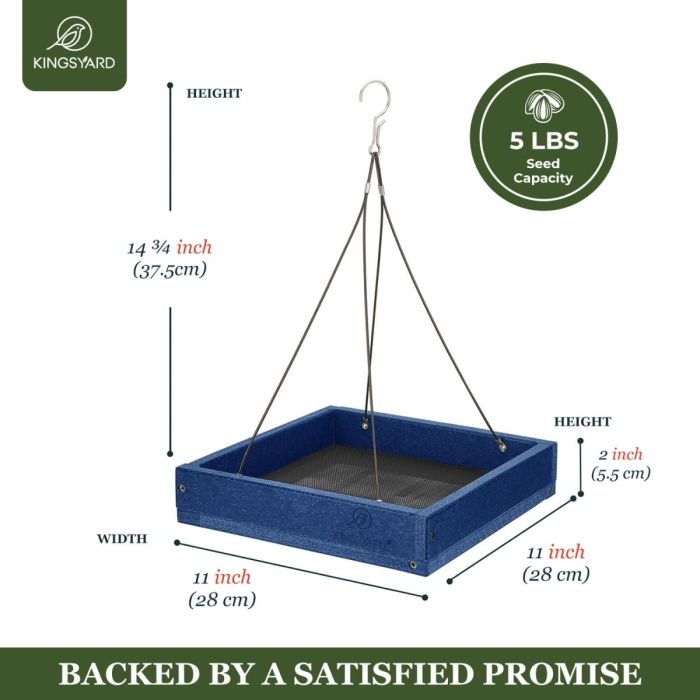
Start by measuring the length and width of the flat area where you plan to place the screen. Use a tape measure or ruler to get these dimensions in inches or centimeters. If your platform has raised edges, measure from the inside edges to ensure the screen fits neatly without overlapping.
Next, consider the height or thickness of the platform if the screen needs to wrap around the edges for better coverage. Write down all measurements clearly before shopping for a screen. Having exact numbers makes your search easier and more efficient.
Tips For Accurate Measurement
- Measure twice to avoid mistakes. This saves time and frustration later.
- Use a stiff measuring tape for straight lines; a flexible one can bend and give inaccurate results.
- Check if the platform surface is perfectly flat or uneven, as this may affect screen fit.
- Consider the type of screen material—some stretch or shrink slightly, so factor that into your measurements.
- Keep a notepad or your phone handy to record measurements immediately.
Have you ever bought a screen that just didn’t fit? Taking a few extra minutes for careful measuring can prevent that hassle. What’s the most challenging part you’ve faced when customizing your bird feeder setup?
Installation Tips
Installing the screen on your platform bird feeder is a task that demands attention to detail. A well-installed screen ensures safety for the birds and durability for your feeder. Let’s dive into some practical tips that can make this process smooth and effective.
Attaching The Screen Securely
Choose the right tools before you start. Using small, rust-resistant screws or staples works best to hold the screen firmly in place.
Stretch the screen tightly across the platform to avoid sagging. Loose screens can trap birds or allow pests to invade your feeder.
Check the edges carefully. Make sure they are tucked under or trimmed neatly to prevent injury to birds or snagging on branches.
Maintaining Screen Stability
Regularly inspect the screen for signs of wear or loosening. I once ignored a small tear, and it soon expanded, letting in squirrels that scared away the birds.
Add weather-resistant sealant around the edges if you live in a rainy or windy area. This helps keep the screen stable and extends its lifespan.
Consider reinforcing the back of the screen with a thin wooden frame. This simple addition can make a big difference in keeping the screen tight and secure over time.
Troubleshooting Common Issues
Troubleshooting common issues with platform bird feeder screens helps keep birds safe and feeders intact. Problems can arise from weather, animals, or wear and tear. Spotting issues early avoids bigger damage and keeps the feeder inviting for birds. Simple fixes often restore functionality quickly.
Screen Damage And Repairs
Screen damage can happen from sharp claws or bad weather. Torn or bent screens let unwanted pests in and scare birds away. Check the screen regularly for holes or loose edges. Small tears can be fixed with heavy-duty tape or screen patches. For bigger damage, replace the screen with a similar size and material. Use tools like pliers to reshape bent frames carefully. Proper repair extends the feeder’s life and keeps birds safe.
Deterring Unwanted Visitors
Unwanted visitors include squirrels, larger birds, and insects. These visitors can steal food or damage the feeder. Use a screen with a fine mesh size to block bigger animals but allow small birds through. Add baffles or guards around the feeder to keep squirrels away. Place the feeder in open areas to reduce hiding spots for pests. Clean the feeder regularly to avoid attracting insects. These steps protect your feeder and ensure birds enjoy their food peacefully.
Enhancing Bird Experience
Enhancing the bird experience at your platform feeder means creating a space where birds feel safe, can easily see their surroundings, and enjoy their meals without disturbance. The size of the screen you choose plays a vital role in this. It affects how birds interact with the feeder and how comfortable they feel returning again and again.
Optimizing Screen Visibility
Your screen size should allow birds to clearly see approaching danger or other birds nearby. A screen that’s too small may block their view, making them nervous and less likely to feed. On the other hand, a screen that’s too large can create unnecessary shadows or glare, which might startle them.
Think about the types of birds you want to attract. Smaller birds need smaller, closer screens that don’t block their line of sight. Larger birds benefit from wider screens that give them more space to spot activity around the feeder.
Have you noticed how birds pause and look around before feeding? That’s because they need a clear view to feel safe. Adjust your screen size to support this natural behavior and you’ll see more frequent visits.
Creating Comfortable Feeding Space
The screen size also affects the actual feeding area. Birds prefer a space where they can perch comfortably without feeling crowded or threatened. If the screen is too small, it limits their movement and can cause stress.
Make sure the feeding platform is wide enough with a screen that offers partial shelter but doesn’t close off the space. This balance provides protection from wind and predators while allowing birds to come and go easily.
Consider adding a screen size that encourages social feeding. Birds often feed in groups, and a larger screen can help create a calm, shared space. Have you tried observing how your local birds behave around different feeder setups? It’s a great way to find the perfect screen size that suits their natural habits.
Frequently Asked Questions
What Is The Ideal Screen Size For Platform Bird Feeders?
The ideal screen size is between 1/4 to 1/2 inch. This size keeps seeds visible and prevents debris buildup. It also allows small birds to perch comfortably and access food without obstruction.
How Does Screen Size Affect Bird Feeder Functionality?
Screen size affects seed drainage and bird access. Larger screens improve airflow and reduce mold. Smaller screens keep seeds contained but may limit seed drainage and bird access.
Can Screen Size Prevent Seed Spillage In Feeders?
Yes, a smaller screen size helps reduce seed spillage. It holds seeds securely while allowing birds to pick them easily. Proper screen size balances seed retention and bird comfort.
Which Screen Size Suits Different Bird Species Best?
Smaller screens (1/4 inch) suit small birds like finches. Larger screens (1/2 inch) accommodate medium birds like sparrows. Choose screen size based on the birds you want to attract.
Conclusion
Choosing the right screen size for your platform bird feeder is crucial. It affects bird visibility, feeding ease, and maintenance. Smaller screens suit small seeds and birds. Larger screens work well for mixed seeds and bigger birds. Consider your bird types and seed preferences.
Keep the feeder clean and well-maintained. This attracts more birds and keeps them healthy. A thoughtful choice enhances your bird-watching experience. Enjoy watching diverse birds in your backyard. Happy bird feeding!