
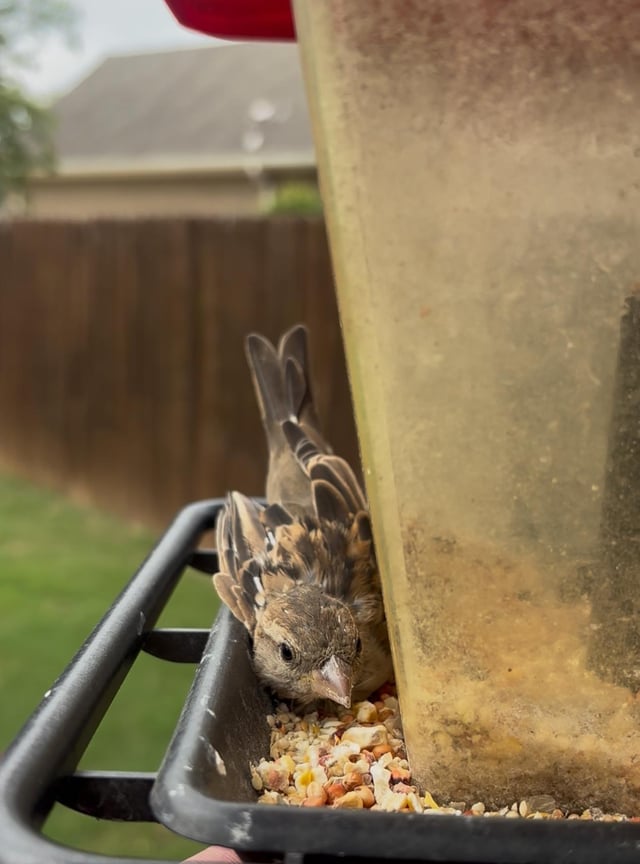
Are you wondering why birds won’t visit your feeder, no matter what you try? It’s frustrating to set up a feeder with hope, only to see it empty day after day.
You’re not alone, and there are simple reasons behind this mystery. Understanding these can change everything—helping you attract more birds and enjoy their beauty right in your own yard. Keep reading to discover the key fixes that will bring feathered friends to your feeder in no time.
Common Reasons Birds Avoid Feeders
Wondering why birds steer clear of your feeder despite your best efforts? Several common issues can discourage feathered visitors from stopping by. Understanding these reasons helps you create a welcoming spot that birds love to visit regularly.
Poor Feeder Placement
Where you hang your feeder matters more than you might think. Placing it too close to windows can frighten birds due to reflections or sudden movements. On the other hand, if it’s too exposed without nearby cover, birds might feel vulnerable to predators.
Try positioning your feeder near shrubs or trees but far enough to prevent squirrels from jumping on it. Have you checked if your feeder’s location offers both safety and visibility?
Wrong Type Of Food
Not all bird food attracts every bird species. Using generic seed mixes might leave many birds uninterested if the seeds don’t match their preferences. For example, black oil sunflower seeds appeal to a wide variety of birds, while nyjer seeds attract finches.
Think about the birds native to your area and what they typically eat. Are you offering the right food to tempt your local visitors?
Feeder Cleanliness Issues
Dirty feeders can repel birds and even spread disease. Old seeds, mold, and droppings build up quickly if you don’t clean regularly. This can make birds avoid the feeder altogether.
Cleaning your feeder once a week with warm soapy water keeps it fresh and safe. When was the last time you gave your feeder a good scrub?
Predators Nearby
Birds are naturally cautious about predators like cats, hawks, or even neighborhood dogs. If your feeder is within easy reach of these threats, birds will stay away. Observing predator activity around your feeding area can give you clues.
Consider moving your feeder to a spot that offers a quick escape route and less exposure. Can you spot any lurking dangers that might be scaring your birds off?
Unfavorable Feeder Design
Some feeders are better suited for certain types of birds. Feeders with small perches may not accommodate larger birds, while open trays can expose seeds to rain and spoil quickly. The design can affect both the comfort and safety of your visitors.
Choosing a feeder that matches the birds you want to attract makes a big difference. Does your feeder fit the size and feeding habits of your target birds?
Lack Of Shelter Around Feeder
Birds need nearby shelter to feel safe while feeding. Without bushes, trees, or shrubs close by, they might avoid your feeder because they can’t quickly hide from threats. Shelter also provides resting spots and protection from harsh weather.
Adding natural cover or placing feeders near existing plants can encourage birds to visit. Have you created a safe and cozy environment around your feeder?

Credit: www.reddit.com
Choosing The Right Feeder And Food
Choosing the right feeder and food is key to attracting birds to your feeder. Not all birds prefer the same types of feeders or food, so understanding their preferences can make a big difference. You might wonder why birds visit your neighbor’s feeder but ignore yours—often, the answer lies in the feeder design and what’s inside it.
Types Of Feeders For Different Birds
Different bird species have unique feeding habits. Tube feeders with small perches attract finches and chickadees, while platform feeders work well for larger birds like cardinals and jays.
Hummingbirds need specialized feeders filled with sugar water, not seeds. Suet feeders attract woodpeckers and nuthatches, who prefer high-energy fat sources.
- Tube feeders:Perfect for small songbirds.
- Platform feeders:Great for ground-feeding and larger birds.
- Hummingbird feeders:Designed for nectar lovers.
- Suet feeders:Ideal for insect-eating birds in winter.
Have you matched your feeder type to the birds you want to attract? This step alone can increase visits dramatically.
Best Seeds And Food Options
Not all bird food is created equal. Black oil sunflower seeds are a universal favorite due to their thin shells and high oil content.
Nyjer seeds attract finches, while millet is loved by sparrows and juncos. Avoid cheap mixes with lots of fillers like red millet or wheat—they often go uneaten.
| Seed Type | Best For | Notes |
|---|---|---|
| Black oil sunflower | Many small to medium birds | High energy, easy to crack |
| Nyjer (thistle) | Finches | Needs special feeders |
| White proso millet | Sparrows, juncos | Often found on ground |
| Peanuts (shelled) | Woodpeckers, jays | High protein, avoid salted |
What seeds have you tried? Experimenting with different types can reveal surprising favorites among your local birds.
Seasonal Food Preferences
Birds’ diets change with the seasons, and so should your feeder offerings. In colder months, birds need high-energy foods like suet and peanuts to survive.
Spring and summer bring an abundance of natural insects, so seeds may be less attractive. During this time, offering fruit or nectar can draw in orioles and hummingbirds.
- Winter:Suet, peanuts, black oil sunflower seeds.
- Spring/Summer:Nectar, fruit, mealworms.
- Fall:Seeds and fruits to build fat reserves.
Are you adjusting your feeder menu as the seasons change? This simple shift can keep birds coming back year-round.
Optimizing Feeder Location
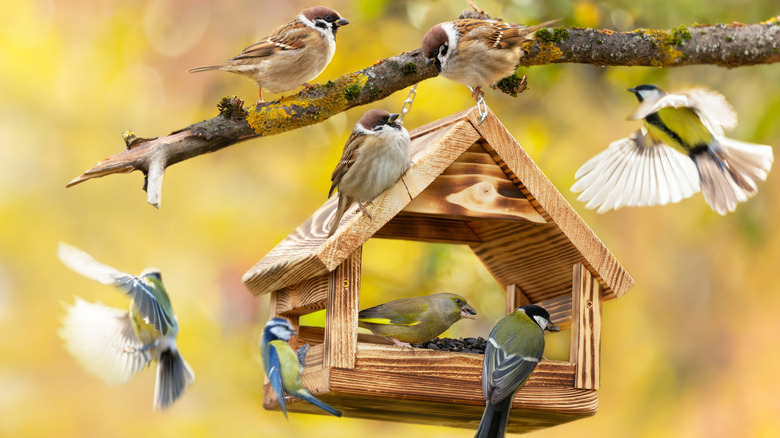
Placing your bird feeder in the right spot makes a big difference. Birds need a comfortable, safe area to visit and feed. Choosing the best location helps attract more birds and keeps them coming back. Several factors affect where your feeder should go.
Ideal Height And Position
Place your feeder at a height between 5 and 6 feet above the ground. This height is easy for you to refill and clean. It also keeps the feeder visible to birds flying nearby. Position the feeder near trees or shrubs. Birds feel safe when they can quickly hide if needed. Avoid placing feeders too close to windows to prevent collisions.
Avoiding Wind And Sun Exposure
Choose a spot sheltered from strong winds. Wind can scatter seeds and scare birds away. Place the feeder where it gets morning sun. Sunlight helps dry wet seeds and keeps mold away. Avoid harsh afternoon sun that may overheat the feeder. A shaded area during hot hours works well.
Safe Distance From Predators
Keep the feeder away from places where cats or other predators can hide. Predators often wait near dense bushes or fences. Leave at least 10 feet of open space around the feeder. This open area gives birds time to spot danger and escape. Avoid placing feeders too close to the ground to reduce risk from ground predators.
Credit: www.housedigest.com
Keeping Feeders Clean And Safe
Keeping bird feeders clean and safe plays a key role in attracting birds. Dirty feeders can discourage birds from visiting. They can also spread diseases among birds. Maintaining a clean feeder ensures a healthy environment for your feathered friends. Safety features protect the feeder from unwanted pests and squirrels. These actions improve the chances that birds will use your feeder regularly.
Cleaning Frequency And Methods
Clean bird feeders every two weeks during mild weather. Increase cleaning to once a week in wet or cold seasons. Use warm water and mild soap to wash feeders. Rinse well to remove all soap residues. Avoid harsh chemicals that may harm birds. Let feeders dry completely before refilling. Regular cleaning prevents old seeds from rotting and attracting pests.
Preventing Mold And Disease
Mold grows quickly in damp, old seed. It harms birds and can cause illness. Discard wet or clumped seed immediately. Store seeds in a dry, sealed container. Inspect feeders daily for signs of mold. Remove any seed that looks dusty or rotten. Use feeders that protect seeds from moisture. These steps reduce the risk of spreading disease.
Using Squirrel And Pest Guards
Squirrels and pests can scare birds away from feeders. Use guards to block squirrels from reaching seeds. Choose baffles or cages that fit your feeder type. Place feeders away from trees and fences to limit access. Keep the area under feeders clean to avoid attracting rodents. Pest guards help keep food for birds only. This creates a safer feeding spot and encourages bird visits.
Attracting Birds With Habitat Enhancements
Attracting birds to your feeder often involves more than just putting out seeds. Enhancing the surrounding habitat can make your yard a welcoming spot for birds to visit and stay. Small changes in your garden can create a natural environment that draws birds in and encourages them to return regularly.
Adding Native Plants And Trees
Native plants provide food and shelter that birds recognize and prefer. You can add shrubs, flowers, and trees that naturally grow in your area to offer berries, seeds, and insects. These plants also attract insects, which many birds rely on for protein, especially during breeding season.
Think about planting a mix of evergreens and flowering plants to provide year-round resources. Have you noticed how birds seem to flock to wild patches instead of manicured lawns? Creating similar natural spots can make your feeder more inviting.
Providing Water Sources
Birds need fresh water for drinking and bathing every day. Adding a birdbath or a small fountain near your feeder offers a vital resource that encourages them to visit. Moving water is especially attractive because it signals freshness and safety to birds.
Keep the water clean and change it regularly to prevent disease. Even a shallow dish with fresh water can make a difference in how often birds come to your yard. What kind of water features could you easily add that fit your space and style?
Creating Shelter And Nesting Spots
Birds look for safe places to hide from predators and harsh weather. Adding dense shrubs, brush piles, or installing birdhouses can provide this protection. These spots give birds a sense of security, encouraging them to stay nearby your feeder.
Try to offer a variety of shelter options to attract different bird species. Have you considered how the placement of these shelters affects bird activity in your yard? Position them close enough to feeders but with enough cover to make birds feel safe.

Credit: www.youtube.com
Patience And Consistency Tips
Waiting for birds to visit your feeder can test your patience. Many people give up too soon, expecting immediate results. The truth is, patience and consistency are key to attracting feathered friends to your yard.
How Long To Wait For Visits
Birds take time to discover new feeders. It might take several days or even weeks before they start visiting regularly. Don’t be discouraged if you don’t see birds right away—keep watching and give them a chance to find your feeder.
Think about your own habits: would you rush to a new restaurant without hearing any reviews? Birds behave similarly, often cautious and slow to explore unfamiliar spots.
Keeping Feeders Filled Regularly
Empty feeders won’t attract repeat visitors. Make sure you refill your feeder consistently, ideally every day or at least a few times a week. Fresh seed signals a reliable food source and encourages birds to return.
Check your feeder for mold or spoiled seed, which can turn birds away. Clean your feeder regularly to keep it inviting and safe for birds to use.
Observing And Adjusting Strategies
Watch which birds visit and when they come by. Are there specific times of day with more activity? Try changing the feeder’s location or type of seed based on what you observe.
For example, if you notice squirrels dominating the feeder, consider adding a squirrel guard or switching to seeds they don’t like. Adjusting your approach based on real observations can make a big difference in attracting the birds you want.
Frequently Asked Questions
Why Won’t Birds Come To My Feeder?
Birds might avoid your feeder due to location, food type, or predators nearby. Ensure the feeder is visible, clean, and stocked with bird-friendly seeds.
What Type Of Food Attracts More Birds?
Black oil sunflower seeds attract many bird species. Offering a mix of seeds, suet, or nectar can also increase bird visits.
How Can I Make My Feeder More Inviting?
Place feeders near natural cover like trees or shrubs. Keep feeders clean and refill regularly to create a safe, attractive environment.
Does Feeder Placement Affect Bird Visits?
Yes, feeders placed too close to windows or busy areas scare birds. Position feeders in quiet, sheltered spots for better results.
Conclusion
Birds avoiding your feeder can be frustrating. But solutions exist. Ensure your feeder is clean and filled with fresh seeds. Place it in a safe location, away from predators. Use bird-friendly designs that attract various species. Patience is key. Birds need time to find new feeders.
Observe their habits, adjust as needed. Create a welcoming environment with water and shelter. Soon, you’ll enjoy watching birds visit your feeder. Remember, small changes make a big difference. Keep trying, and you’ll succeed in attracting them. Enjoy the beauty of nature right in your backyard.