
Have you ever wondered if birds visit your feeder after the sun goes down? You might think bird feeders are only busy during the day, but some feathered friends come out when it’s dark.
Knowing which birds feed at night can change how you set up your feeder and what you offer. You’ll discover surprising nighttime visitors to your feeder and learn how to attract them. Keep reading to unlock the secrets of your backyard after dark!
Common Nighttime Feeders
Bird feeders are often thought to attract birds only during the day. Some birds, though, are active at night and visit feeders too. These nighttime visitors bring unique charm to your backyard. Knowing which birds feed after dark helps you create the right setup for them.
Owls At The Feeder
Owls are silent hunters that mostly eat small mammals. They rarely eat seeds or typical feeder food. But some owls visit feeders for rodents or insects attracted by the food. They prefer quiet places with good cover nearby. You might see owls sitting near feeders waiting for prey.
Nighthawks And Their Habits
Nighthawks are crepuscular birds, active at dawn and dusk. They catch flying insects in open areas near feeders. Nighthawks do not eat seeds but benefit from insects around lights or feeders. Their erratic flight and calls make them easy to spot at twilight.
Nightjars Visiting Feeders
Nightjars are nocturnal and hunt insects in low light. They sometimes visit feeders that attract moths and beetles. Nightjars blend well with surroundings and stay still during the day. Watching a nightjar near your feeder is a rare and special sight.

Credit: rangerrick.org
Unusual Night Visitors
Nighttime bird feeding can reveal some surprising visitors. Many expect feeders to be empty after dark, but some creatures break this rule. Certain birds and other animals come out at night to find food. These unusual night visitors add mystery to the backyard scene.
Bats Vs. Birds: Who Comes At Night?
Bats often get mistaken for birds near feeders after dark. Bats eat insects, not seeds or nectar from feeders. They use echolocation to hunt flying bugs around lights. Birds, on the other hand, rarely feed at night. Still, some species break this norm and visit feeders under low light.
Nocturnal Sparrows And Wrens
Some sparrows and wrens are active in twilight or night hours. These small birds search for insects and seeds after sunset. Their night visits to feeders are rare but possible. They prefer quiet, safe spots and come when there is little human activity. Offering mealworms or suet may attract these night feeders.
Unexpected Guests In Urban Areas
Urban areas host strange night visitors at feeders. Pigeons and doves sometimes feed at night near streetlights. Rats and squirrels also raid feeders after dark. These animals can outcompete birds for food. Protecting feeders with cages or baffles helps keep unwanted guests away. Watching carefully may surprise you with who appears after sunset.
Types Of Food Offered At Night
Feeding birds at night requires a different approach than daytime feeding. The types of food you offer can attract unique nocturnal species that thrive in low light. Understanding what these night birds prefer helps you create a welcoming environment that supports their natural behaviors.
Seeds And Grains For Night Birds
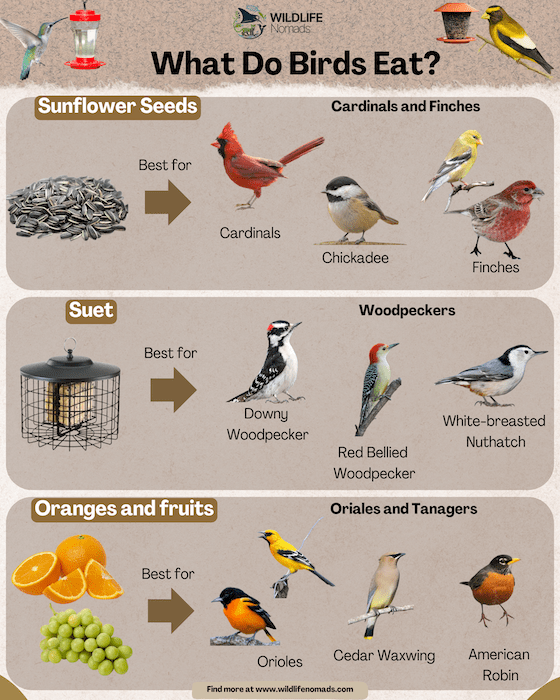
Many night birds, like some species of doves and pigeons, enjoy seeds and grains. Sunflower seeds, millet, and cracked corn are excellent choices to place in feeders. These foods are easy to find and digest, making them appealing after dusk.
You might not expect it, but some owls also hunt small rodents that feed on seeds, so having a seed feeder nearby can indirectly support their nighttime activity.
Fruit And Nectar Options
Fruits attract fruit-eating night birds such as certain species of nightjars and some tropical owls. Slices of apple, banana, or berries can be placed near your feeder. Nectar feeders also work well for nectar-feeding bats and moths, which in turn attract insectivorous birds.
Have you tried hanging fruit feeders in shaded areas? You might notice increased nighttime visits, especially in warmer climates where fruits remain fresh longer.
Insects And Other Protein Sources
Protein-rich foods are essential for many nocturnal birds. Mealworms, crickets, and other insects are favorites for night feeders like nighthawks and whip-poor-wills. Offering live or dried insects can significantly boost bird visits after dark.
Adding suet cakes with insect bits or using a small light to attract moths and beetles can also increase the protein intake of night birds at your feeder. What protein sources have you found most effective in your backyard?
Setting Up A Night-friendly Feeder
Setting up a feeder for birds that visit at night requires a bit of thought beyond the usual daytime setup. You want to create an inviting and safe space that encourages night visitors without disturbing their natural behavior. Here’s how you can make your feeder night-friendly and attractive to nocturnal birds.
Choosing The Right Feeder Design
Not all feeders work well after dark. Select designs that minimize spillage and protect seeds from moisture, as wet seeds can spoil quickly overnight.
Consider feeders with enclosed or covered feeding ports. These help keep food dry and make the feeder easier for night birds like owls or nighthawks to access without too much exposure.
Think about durability too. A sturdy feeder that withstands nighttime weather and animals will save you frequent replacements and keep the food safe.
Lighting Tips For Night Feeding
Bright lights can scare away night birds, so opt for gentle, low-intensity lighting. Soft amber or red LED lights work well, as they are less disruptive.
Position your lights to illuminate the feeder area without flooding the surroundings. This helps birds see the food while keeping the environment comfortable.
Have you considered using motion-activated lights? They turn on only when a bird approaches, reducing constant light exposure and attracting curious visitors.
Safety Measures For Night Visitors
Make sure your feeder is placed away from predators like cats or raccoons that can hunt or scare night birds. Higher placements or spots with some cover can help.
Keep the area clean by regularly removing old seed and debris. This reduces the risk of disease and keeps the feeder inviting for your feathered guests.
Adding a water source nearby can also encourage night birds to stay longer. Just ensure the water is fresh and shallow enough for safe drinking.
Benefits Of Night Feeding
Feeding birds at night offers unique benefits that many bird lovers miss. It supports species active after dark and provides a chance to see different behaviors. Night feeding helps create a safer habitat and raises awareness about nocturnal birds. It enriches your experience and contributes to wildlife care.
Supporting Nocturnal Bird Species
Many birds are active only at night. Feeding at night helps these species find food easily. Owls, nightjars, and some nighthawks rely on nighttime feeding. Providing food supports their energy needs and survival. This practice helps balance the ecosystem by aiding nocturnal birds.
Observing Nighttime Bird Behavior
Night feeding reveals bird behaviors rarely seen during the day. You can watch hunting, feeding, and social interactions in low light. Nighttime activity shows how birds adapt to darkness. This experience deepens understanding of bird life and habits. Watching these moments can be both calming and exciting.
Conservation And Awareness
Feeding birds at night raises awareness about their needs. It highlights the importance of protecting nocturnal species. This practice encourages respect for wildlife habitats. Feeding stations can act as safe spots for birds in urban areas. Night feeding helps people connect with nature and supports bird conservation efforts.

Credit: www.birdfeederco.com

Credit: www.wildlifenomads.com
Frequently Asked Questions
What Birds Feed At Night On Backyard Feeders?
Owls, nighthawks, and some species of pigeons commonly feed at night. These birds are adapted to low light conditions. They often visit feeders with seeds or insects.
Do Hummingbirds Feed At Night On Feeders?
No, hummingbirds are diurnal and feed only during daylight. They rely on nectar from flowers or feeders during the day. Nighttime feeding is not typical for them.
Can Bats Feed At Bird Feeders At Night?
Yes, some bats may visit feeders to drink sugar water or feed on insects. Bats are nocturnal and attracted to sweet liquids and insects around feeders.
Are There Special Feeders For Night-feeding Birds?
Yes, some feeders are designed with low light or infrared features. These attract nocturnal birds and bats without disturbing their natural behavior. They support night feeding effectively.
Conclusion
Birds at night can surprise feeder watchers. Owls, nighthawks, and some songbirds visit. They seek food quietly, adding mystery to your garden. Attracting them requires patience and the right feeder setup. Use seeds they love, like sunflower seeds or suet.
Keep the area safe from predators. Enjoying night birds can be fascinating. It offers a unique view of nature’s wonders. Observe carefully, and you’ll soon recognize their patterns. Night feeding is a special hobby. It connects you with nature in a new way.
Happy bird watching!