
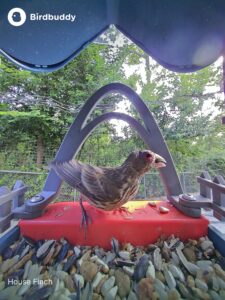
Have you ever noticed a bird at your feeder that looks a little off? Maybe it’s moving slower than usual or seems less lively.
Knowing how to tell if a bird at your feeder is sick is important—not just for the bird’s health, but for the safety of all the visitors to your yard. You’ll learn simple signs to watch for and what you can do to help.
Keep reading, because the well-being of your feathered friends might depend on it.
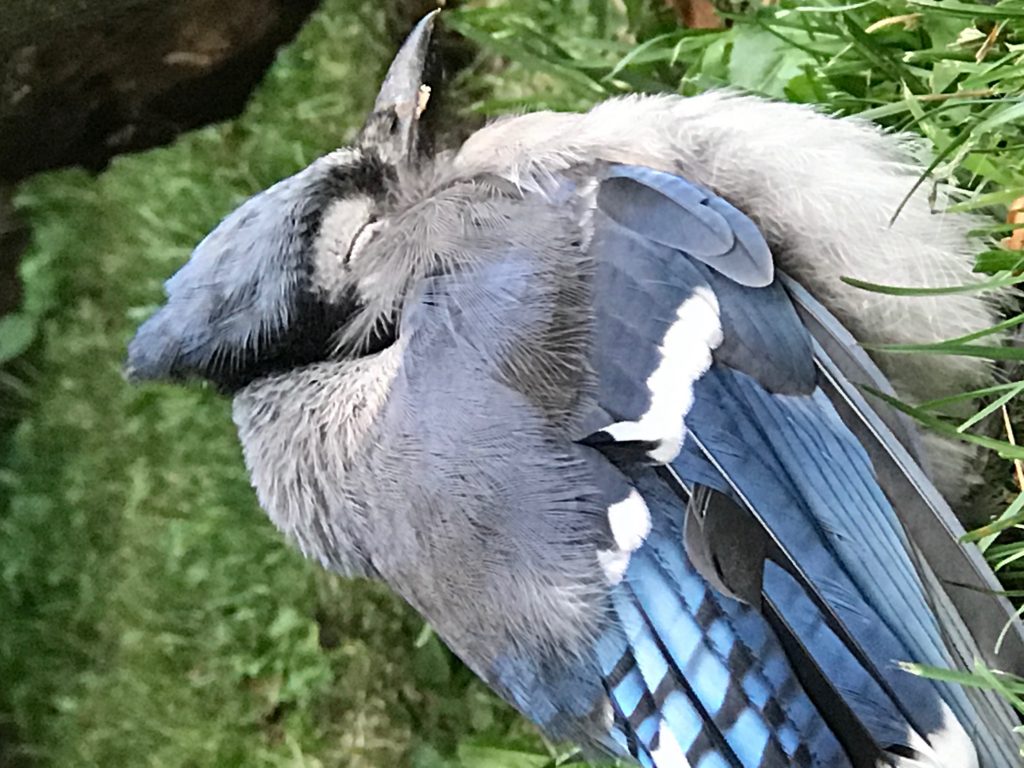
Credit: feederwatch.org
Common Signs Of Illness
Spotting a sick bird at your feeder can be tricky, but noticing common signs of illness early helps protect the bird and others nearby. Birds often mask their symptoms, making subtle changes important clues. Paying close attention to their appearance, behavior, and eating habits gives you a better chance to identify trouble before it worsens.
Unusual Feather Appearance
Healthy birds have smooth, clean feathers that lie flat against their bodies. If you see ruffled, dull, or missing feathers, it could indicate illness. Feathers that look dirty or matted might mean the bird is too weak to preen properly.
Have you ever noticed a bird with feathers sticking out oddly or clumps missing? These signs often point to stress or parasites, both of which can harm a bird’s health.
Abnormal Posture And Behavior
Birds usually perch upright and stay alert. If a bird appears hunched over, fluffed up for long periods, or seems unusually still, it might be sick. You might also see shaking, uncoordinated movements, or a bird struggling to stay balanced.
Consider how the bird acts compared to others at your feeder. Does it avoid company or isolate itself? These behavior changes can signal illness that needs attention.
Changes In Feeding Patterns
Sick birds often eat less or stop eating altogether. You may notice a bird lingering less at your feeder or avoiding food it usually loves. Sometimes, they might even drop seeds or food without finishing them.
Watch for irregular feeding times or signs of difficulty swallowing. If a bird’s feeding habits suddenly change, it’s worth observing closely and possibly contacting a wildlife expert for advice.
Physical Symptoms To Notice
Noticing physical symptoms in birds at your feeder can be your first clue that something is wrong. Birds often hide their illness to avoid predators, so spotting subtle signs takes a keen eye. Paying attention to changes in their appearance and behavior can help you decide if they need help or if it’s time to clean the feeder to prevent disease spread.
Discharge From Eyes Or Beak
Clear or cloudy discharge around a bird’s eyes or beak is a red flag. Healthy birds usually have clean, dry feathers around these areas. If you see crusty buildup or wetness, it could indicate an infection or respiratory problem.
Have you ever noticed a bird repeatedly rubbing its eyes or shaking its head? This behavior often accompanies discharge and signals discomfort. Watching for these signs can guide you to act before the bird’s condition worsens.
Swollen Or Bald Patches
Swelling or bald spots on a bird’s body are clear signs of illness or injury. This might result from mites, infections, or fights with other birds. Healthy birds maintain smooth, full feathers, so any patchiness deserves attention.
Next time you watch your feeder, look closely at the birds’ feathers and skin. Swollen areas may feel tender if you get a chance to observe up close, but avoid handling wild birds unless you’re trained. Noticing these symptoms early can prevent disease from spreading to others.
Labored Breathing And Coughing
Birds generally breathe quietly and evenly. If you spot a bird breathing with an open beak or hear coughing and wheezing sounds, it might be struggling. Labored breathing is often a sign of respiratory infections or severe stress.
Ask yourself: Does the bird seem less active or is it puffing up its feathers to keep warm? These are additional clues that something is off. Observing these symptoms can help you decide if you should contact a wildlife rehabilitator for advice.
Behavioral Changes
Noticing changes in a bird’s behavior at your feeder can be one of the earliest signs that something is wrong. Birds are usually very active and social, so any shift in their normal actions should catch your attention. Paying close attention to these changes can help you decide if a bird needs help or veterinary care.
Lethargy And Weakness
If a bird appears unusually tired or struggles to perch, it might be sick. You might see it flapping its wings less or having trouble flying away when approached. These signs often mean the bird lacks energy and strength, which can result from illness or injury.
Isolation From Other Birds
Healthy birds often feed together and interact frequently. When you notice a bird sitting alone or avoiding the company of others, it could be a red flag. Isolation might indicate discomfort or an attempt to protect itself from predators because it feels vulnerable.
Excessive Sleeping Or Stillness
Birds usually rest in short bursts but stay alert. If you see a bird sleeping more than usual or remaining very still for long periods, it could be unwell. This unusual stillness might mean it is conserving energy to fight off an infection or recover from stress.
Environmental Factors Affecting Bird Health
Environmental factors play a crucial role in the health of birds visiting your feeder. Even if the birds look fine, subtle changes in their surroundings can affect their wellbeing and sometimes signal illness. Paying attention to these factors can help you create a safer and healthier space for your feathered friends.
Cleanliness Of Feeder And Surroundings
A dirty feeder can be a breeding ground for bacteria, mold, and fungi that harm birds. Leftover food and droppings attract pests and spread diseases quickly.
Make it a habit to clean your feeder regularly with hot, soapy water and rinse it well. Don’t forget to clear the ground beneath the feeder, as spilled seeds can harbor germs.
Have you noticed more sick birds after a long rainy spell? It could be due to damp, moldy seeds or buildup around the feeder.
Weather Conditions Impact
Extreme weather affects bird health in many ways. Harsh cold or heat can stress birds, weakening their immune systems and making them prone to illness.
Birds often fluff up their feathers in cold weather to stay warm, but if they remain fluffed for hours or shiver, it might indicate sickness. Similarly, during intense heat, birds may pant or sit lethargically.
Consider providing shelter near your feeder during bad weather or fresh water for hydration in hot months to reduce stress on your visiting birds.
Presence Of Predators Or Stressors
Predators like cats or hawks near your feeder can cause constant stress to birds, impacting their health. Stress lowers their ability to fight infections and recover from injuries.
Watch for sudden changes in bird behavior, such as fewer visits or frantic flying away. These signs might mean your feeder area is unsafe.
Try placing your feeder in a spot with natural cover or away from predator hotspots. Creating a calm environment helps birds feel secure and stay healthier.
When To Contact Wildlife Experts
Knowing when to contact wildlife experts is important for the well-being of sick birds. Some signs show that a bird needs professional care beyond home observation. Acting fast can help save the bird and protect other wildlife.
Identifying Severe Symptoms
- Bird is unable to fly or perch properly
- Visible wounds or bleeding
- Persistent shaking or tremors
- Labored or noisy breathing
- Swollen eyes or closed eyes for long periods
- Discharge from beak or nostrils
- Bird is unusually weak or unresponsive
- Feathers are missing in patches or look very dirty
Safe Handling Tips
- Wear gloves before touching the bird
- Use a soft cloth or towel to gently cover the bird
- Keep the bird in a warm, quiet, and dark place
- Avoid giving food or water unless instructed by experts
- Do not try to clean wounds or give medicine
- Wash hands thoroughly after handling
Resources For Help
- Local wildlife rehabilitation centers
- Animal control agencies
- Veterinarians who specialize in wild animals
- Wildlife rescue hotlines
- Online directories for bird and wildlife care

Credit: feederwatch.org
Preventing Illness At Your Feeder
Keeping your bird feeder a safe and healthy spot is key to helping birds avoid illness. Sick birds at feeders can quickly spread diseases to others, so creating a clean and inviting environment protects your feathered visitors. How often do you check your feeder for dirt or spoiled food? Small actions can make a big difference in preventing sickness.
Regular Feeder Maintenance
Clean your feeder at least once a week with a mild bleach solution or hot soapy water. This removes harmful bacteria and mold that can grow in damp, leftover seed. Rinse thoroughly and let it dry completely before refilling.
Inspect your feeder for cracks or sharp edges that could injure birds or harbor germs. Replace or repair damaged parts promptly to keep the feeder safe and hygienic.
Providing Fresh Food And Water
Offer fresh seed every few days, discarding any wet or clumped food. Old, damp seed attracts mold and bacteria, which can make birds sick. Keep water dishes clean and refill them daily to prevent stagnant water from becoming a breeding ground for germs.
Consider placing water in multiple shallow dishes to reduce crowding and stress among birds. How might you change your feeding routine to ensure freshness and cleanliness?
Encouraging Healthy Bird Habits
Space out multiple feeders to prevent overcrowding and reduce the risk of disease spread. Birds packed tightly together can pass infections more easily.
Plant native shrubs or trees nearby to provide natural shelter and resting spots, encouraging birds to spread out and feel safe. Watch how these small habitat tweaks influence bird behavior around your feeder.
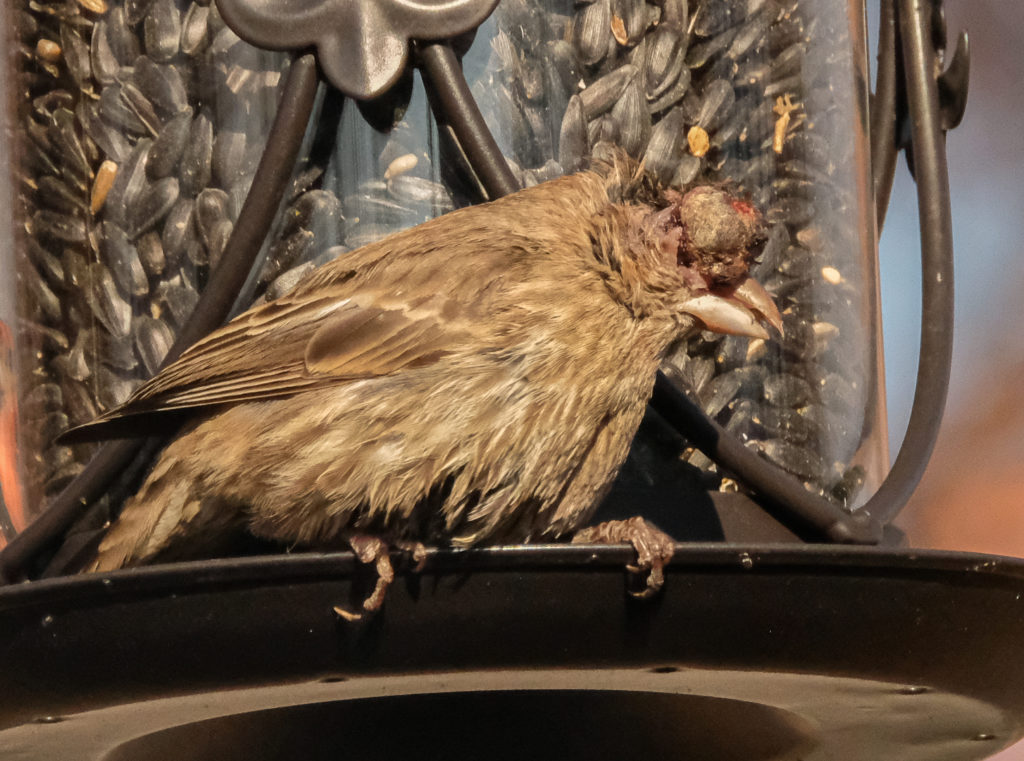
Credit: feederwatch.org
Frequently Asked Questions
How Can I Recognize A Sick Bird At My Feeder?
Look for signs like fluffed feathers, lethargy, labored breathing, or unusual droppings. Sick birds may also show lack of appetite and balance issues.
What Symptoms Indicate Bird Illness Near Feeders?
Common symptoms include puffed-up feathers, persistent sneezing, discharge from eyes or beak, and visible injuries. Birds may sit with closed eyes or stay unusually still.
Should I Remove A Sick Bird From My Feeder?
Avoid direct contact but clean feeders regularly. Sick birds usually leave on their own. If many birds appear ill, sanitize feeders to prevent disease spread.
Can Feeding Habits Reveal Bird Health Issues?
Yes, sudden changes like reduced feeding or inability to perch properly can signal illness. Monitor if a bird avoids food or struggles to eat.
Conclusion
Spotting a sick bird at your feeder is important. Early detection helps protect other birds. Look for unusual behavior or physical changes. Drooping wings, excessive fluffing, or odd droppings can be signs. Clean feeders regularly to prevent disease spread. Ensure fresh food and water are available.
Monitor bird activity closely. A healthy environment supports bird well-being. Stay observant and keep your feeder clean. This care ensures a safe space for visiting birds. Your actions can make a difference. Protecting birds keeps your backyard lively and vibrant.
Enjoy the beauty of healthy birds visiting daily.