
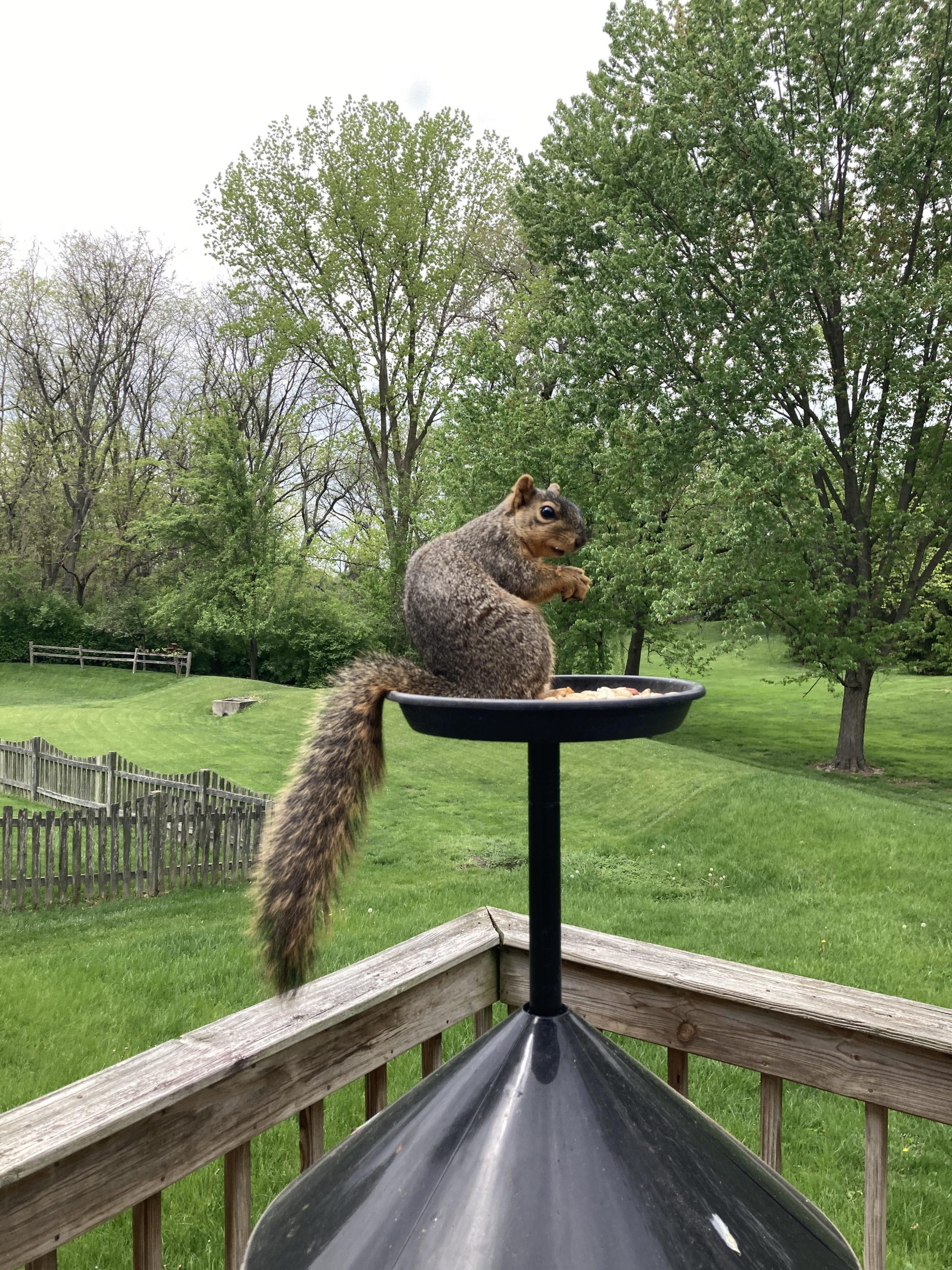
Are you tired of watching squirrels steal all the birdseed from your deck arm bird feeder? You’re not alone.
Those clever little creatures can be frustrating, but you don’t have to give up on enjoying your feathered visitors. Imagine a peaceful space where birds feast happily, and squirrels stay out of reach. You’ll discover simple and effective ways to squirrel proof your deck arm bird feeder.
Keep reading, and you’ll learn easy tricks that save your birdseed and bring more birds to your backyard.
Choose The Right Feeder
Choosing the right feeder is key to keeping squirrels off your deck arm bird feeder. Not all feeders are created equal, and some designs naturally discourage squirrels better than others. Selecting a feeder designed with squirrel-proof features can save you time, frustration, and birdseed.
Types Of Squirrel-resistant Feeders
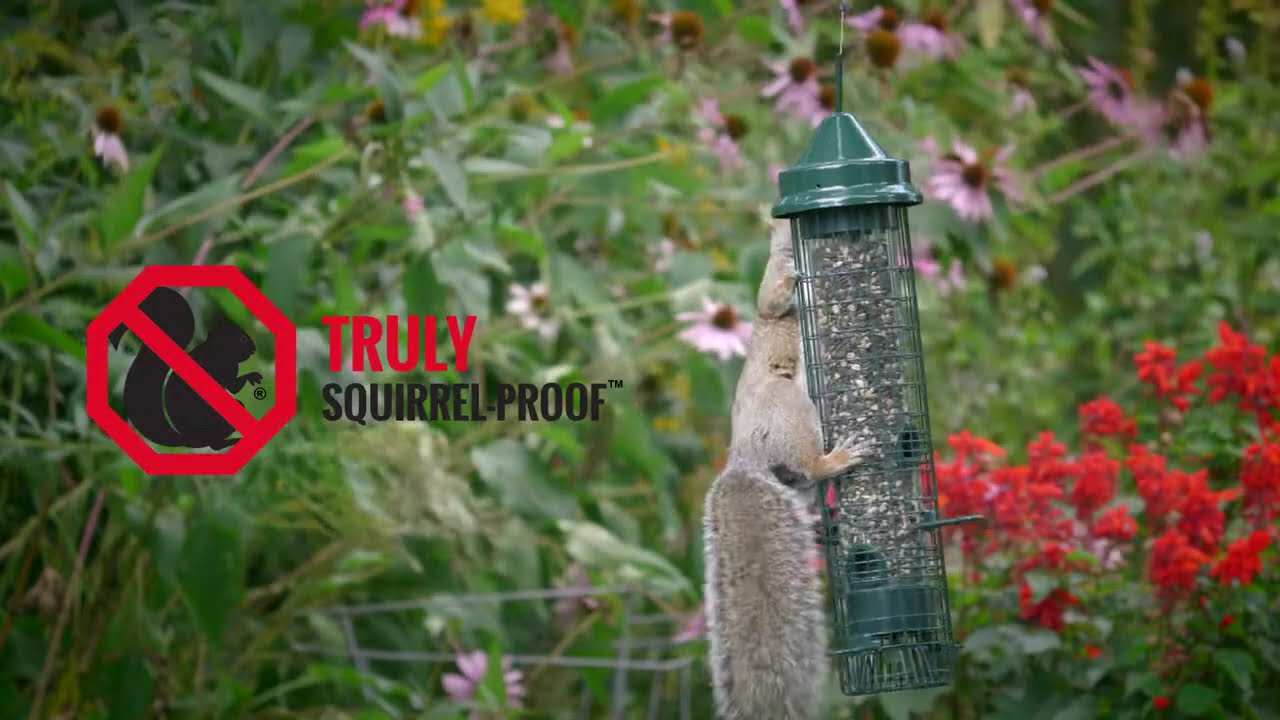
There are several feeder styles that can help keep squirrels away. Tube feeders with weight-activated perches close access when a squirrel climbs on. Cage feeders surround the seed with a metal cage, allowing smaller birds in but blocking larger critters.
- Weight-activated feeders:These close ports under the squirrel’s weight, making it impossible for them to reach the seeds.
- Caged feeders:The metal cage stops squirrels but still lets smaller birds feed comfortably.
- Suet feeders with cages:These protect suet cakes by enclosing them in wire cages that squirrels can’t chew through.
Have you noticed which type your local squirrels avoid the most? Observing their behavior can guide your choice.
Materials That Deter Squirrels
The material of your feeder plays a big role in squirrel resistance. Squirrels love to chew, so plastic feeders often don’t last long. Metal feeders, especially those made with stainless steel or powder-coated steel, stand up well to squirrel teeth and claws.
- Metal feeders:Tough and chew-resistant, they provide durability and protection.
- Wooden feeders with metal guards:Wood alone won’t stop squirrels, but adding metal guards around feeding ports helps.
- Heavy feeders:Heavier feeders are harder for squirrels to shake or tip over, reducing their success.
Choosing sturdy materials not only deters squirrels but also means you replace feeders less often. What materials have you found last longest in your yard?
Credit: store.bromebirdcare.com
Select An Ideal Location
Choosing the right spot for your deck arm bird feeder is key to keeping squirrels at bay. A well-selected location can make all the difference between a peaceful bird-watching experience and a constant battle with crafty squirrels. Let’s dive into how you can pick the ideal place that favors your feathered friends over the furry intruders.
Distance From Trees And Structures
Squirrels are excellent jumpers. They can leap up to 10 feet from nearby trees or structures onto your feeder.
Keep your feeder at least 10 feet away from any branches, fences, or rooftops. This distance reduces the chances of squirrels launching surprise attacks.
Think about the surrounding environment. Are there any tall trees or sheds close by that squirrels might use as a launching pad? If so, reposition your feeder further away.
Height And Placement Tips
The height of your feeder can also influence squirrel access. Mount it at least 5 to 6 feet above the ground to make climbing harder.
Use a smooth, slippery pole or arm to make it difficult for squirrels to climb. Metal poles often work better than wooden ones because they offer less grip.
Consider adding a baffle or squirrel guard below the feeder. This physical barrier can stop squirrels even if they attempt to climb up.
Have you noticed squirrels struggling to reach a feeder mounted higher and on a slippery pole? That’s exactly the kind of setup you want to aim for.
Install Physical Barriers
Installing physical barriers is one of the most effective ways to protect your deck arm bird feeder from persistent squirrels. These clever creatures are excellent climbers and jumpers, so stopping them requires more than just placing the feeder out of reach. Physical barriers create a tough obstacle that squirrels struggle to overcome, giving your feathered friends uninterrupted access to their food.
Using Baffles And Guards
Baffles and guards are designed to block squirrels from climbing up the post or reaching the feeder. You can attach a cone-shaped or cylindrical baffle below the feeder arm to prevent squirrels from getting a grip. These barriers work by creating a slippery or angled surface that squirrels can’t climb.
When choosing a baffle, make sure it’s wide enough to cover the entire post and positioned at least 4 feet above the ground. If it’s too close to the ground, squirrels can jump over it. A metal or plastic guard is often more durable than wood, which squirrels can sometimes chew through.
Mesh And Cage Covers
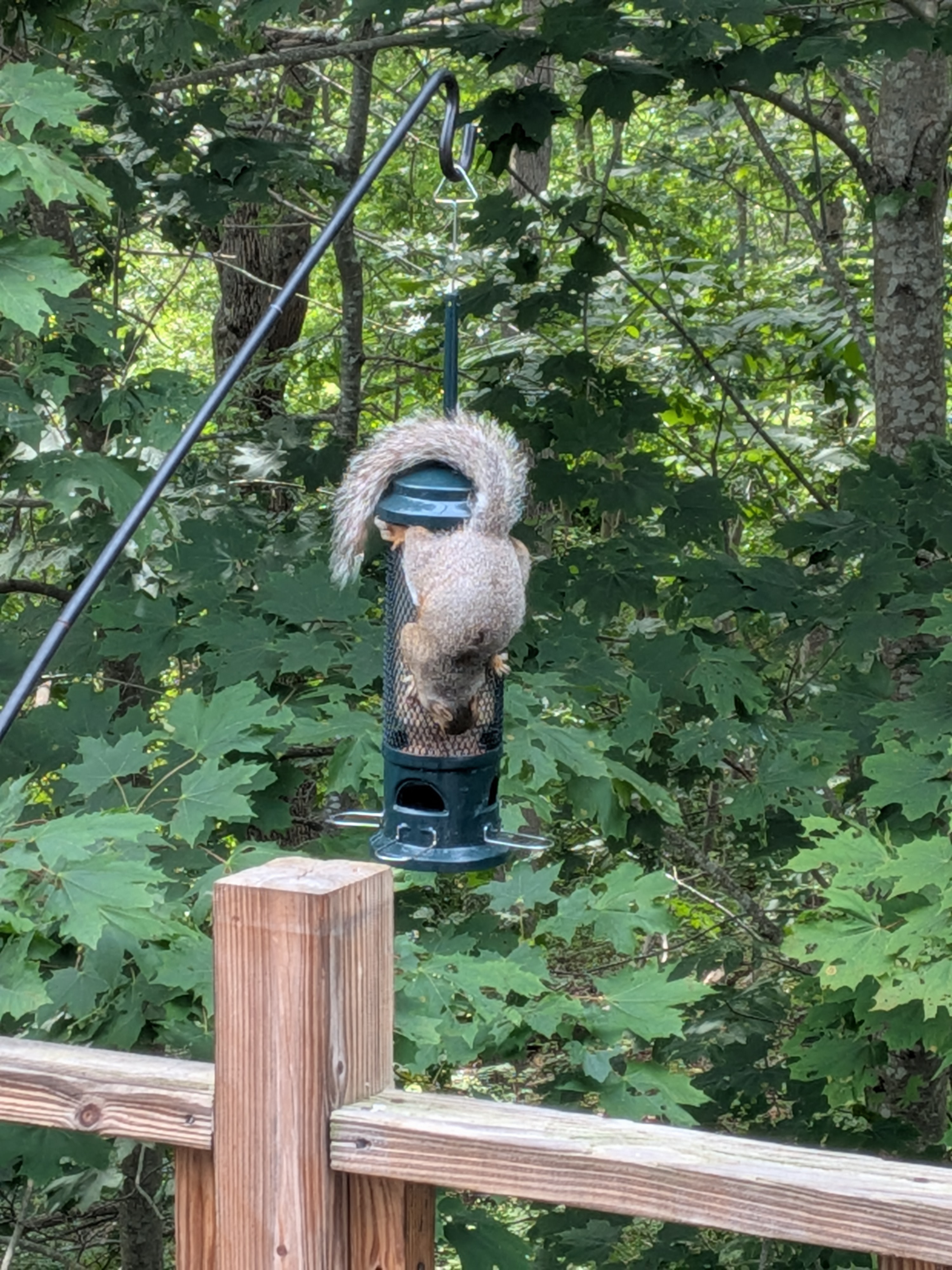
Another practical option is to use mesh or cage covers around your bird feeder. These covers allow birds to enter and feed freely but keep squirrels out. You can buy premade squirrel-proof cages or easily make one using hardware cloth with small holes.
Mesh covers also protect the seeds from being scattered, reducing waste and mess on your deck. Remember to check the mesh size—too large, and smaller squirrels might still get in; too small, and it might discourage some bird species. Have you ever noticed how quickly squirrels figure out weak spots? This makes sturdy mesh a must-have for long-term success.
Credit: store.bromebirdcare.com
Use Squirrel Deterrents
Using squirrel deterrents helps protect your deck arm bird feeder from clever squirrels. These deterrents create barriers or distractions. They stop squirrels without harming birds or your feeder. Choosing the right deterrents keeps your bird feeder safe and your yard peaceful.
Natural Repellents
Natural repellents use scents or tastes that squirrels dislike. They are safe for birds and pets. You can sprinkle chili powder or cayenne pepper around the feeder. Squirrels hate spicy smells and avoid those areas.
Another option is to use garlic or peppermint oil. Dab a cotton ball and place it near the feeder. Renew these oils often to keep the scent strong.
Natural repellents require regular application. They work best combined with other deterrents for lasting effect.
Motion-activated Devices
Motion-activated devices startle squirrels when they approach. They include sprinklers or noise makers. Sudden water sprays or sounds scare squirrels away quickly.
These devices activate only when movement is detected. They save water and energy by working only when needed.
Place them close to your feeder. Adjust the sensor’s range to cover all squirrel paths.
Maintain The Feeder Regularly
Maintaining your deck arm bird feeder regularly keeps squirrels at bay and birds happy. Dirt and old seeds can attract unwanted visitors. Small damages make it easy for squirrels to get inside. A clean and sturdy feeder works best to protect your bird food.
Cleaning To Prevent Squirrel Attraction
Clean the feeder often to stop squirrels from being drawn to it. Remove old seeds and debris to keep the area fresh. Use warm water and mild soap to wash all parts. Rinse well and let everything dry before refilling. Avoid strong chemicals that can harm birds.
Checking For Damage And Repairs
Look closely for cracks, loose parts, or rust on the feeder. Fix small issues right away to prevent bigger problems. Tighten screws and replace any broken pieces. A solid feeder is harder for squirrels to break into. Regular checks save time and protect your birdseed.

Credit: store.bromebirdcare.com
Alternative Feeding Strategies
Keeping squirrels away from your deck arm bird feeder can feel like a never-ending battle. Instead of just trying to block them out, you might consider giving squirrels their own space to feed. Alternative feeding strategies can reduce the conflict by satisfying squirrels’ appetites elsewhere, so your feathered friends get their share without interruption.
Separate Squirrel Feeders
Setting up a dedicated squirrel feeder away from your bird feeder can work wonders. Place it far enough from your deck so squirrels aren’t tempted to jump over to the bird feeder. Fill it with treats squirrels love, like sunflower seeds, corn, or peanuts.
This simple tactic can redirect their attention. I once tried this in my backyard, and surprisingly, the squirrels spent more time at their feeder than bothering the birds. You might find your feathered visitors finally get some peace.
Planting Squirrel-friendly Plants
Another way to keep squirrels happy and less interested in your bird feeder is by planting squirrel-friendly plants. Trees and shrubs like oak, hickory, and walnut provide natural food sources that squirrels enjoy.
Adding these plants creates a squirrel-friendly habitat away from your deck. Have you noticed how squirrels prefer natural food over feeders when given a choice? Offering them something tasty to forage might reduce their visits to your bird feeder.
Frequently Asked Questions
How Can I Prevent Squirrels From Reaching My Deck Arm Feeder?
Use a squirrel baffle or guard on the feeder’s pole. Place it below the feeder to block squirrels. Also, keep the feeder away from tree branches or structures squirrels can jump from.
What Type Of Squirrel-proof Bird Feeder Works Best?
Feeders with weight-sensitive perches work well. They close access when heavy animals land. Metal or baffle-protected feeders also resist squirrel damage effectively.
How Often Should I Clean My Squirrel-proof Bird Feeder?
Clean your feeder every two weeks. Regular cleaning prevents mold and disease. Use mild soap and water, then rinse thoroughly and dry.
Can I Use Natural Deterrents To Keep Squirrels Away?
Yes, sprinkling cayenne pepper or chili powder on seeds deters squirrels. These spices don’t harm birds but repel squirrels due to their sensitive noses.
Conclusion
Securing your bird feeder from squirrels is possible. Use the right techniques. Choose sturdy materials and strategic placements. Regularly check and maintain your setup. This keeps the birds happy and squirrels away. Simple adjustments can make a big difference. Enjoy watching birds without unwanted guests.
Remember, persistence pays off. Happy birdwatching!