
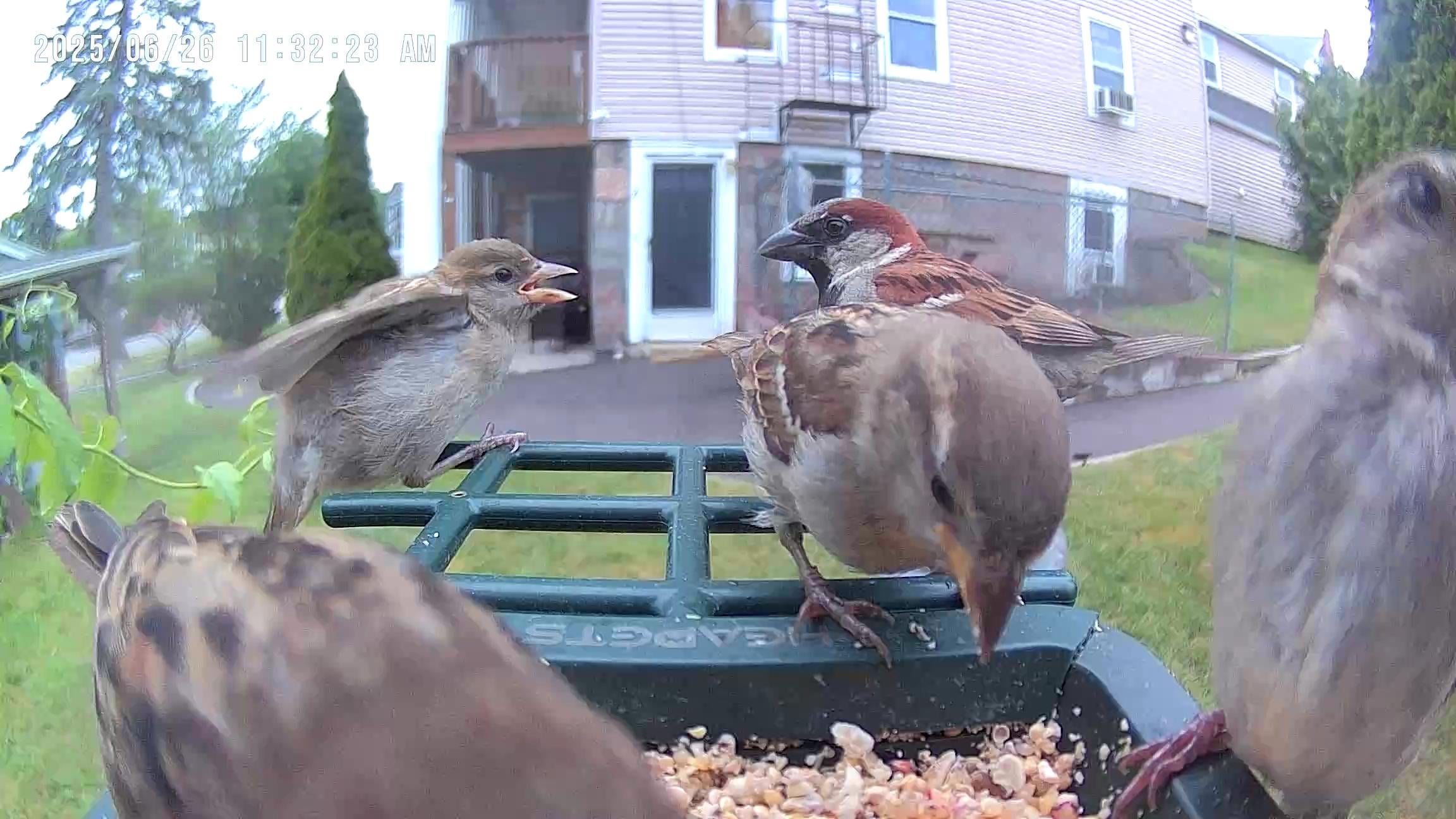
Have you noticed that the cheerful visits from your feathered friends have suddenly stopped? You fill your bird feeder, but the usual flutter and chirp seem to have vanished.
It’s frustrating and a little puzzling. You might wonder if you did something wrong or if the birds simply don’t like your feeder anymore. The truth is, several simple reasons could be behind their disappearance—and understanding them can bring your backyard back to life.
Keep reading, and you’ll discover easy ways to welcome those lively birds back to your feeder soon.
Changes In Food Quality
Birds are picky eaters, and changes in the quality of food you offer at your feeder can quickly turn them away. Even small shifts in the freshness or type of seeds can cause your feathered visitors to look elsewhere. Understanding these changes can help you keep your feeder attractive and full of life.
Expired Or Moldy Seeds
Seeds that have passed their prime lose their nutritional value and appeal. Moldy seeds can be harmful, making birds wary of your feeder. You might notice fewer visits if the seeds smell off or look discolored.
Check the expiration date on your seed bags regularly. If you spot any mold or a musty smell, replace the seeds immediately to keep your feeder inviting.
Incorrect Seed Type
Not all birds enjoy the same seeds. If you’ve recently changed the seed type, your usual visitors may stop coming. For example, finches prefer thistle seeds, while cardinals love sunflower seeds.
Consider what species are common in your area and choose seeds that cater to their tastes. Offering the wrong seed type can be like serving a meal nobody wants to eat.
Contamination Issues
Contaminants such as dirt, husks, or insects mixed in with your seeds can turn birds away. These impurities reduce the quality of the food and may signal a lack of care. Birds quickly learn to avoid feeders that consistently offer low-quality food.
Keep your seeds clean by storing them in airtight containers and regularly cleaning your feeder. This simple step ensures your birds get fresh, uncontaminated food every time.

Credit: www.youtube.com
Environmental Factors
Birds rely on their environment for food, shelter, and safety. Changes in the environment can affect their feeding habits. Various environmental factors may cause birds to stop visiting your feeder. Understanding these changes helps maintain a lively bird feeder.
Seasonal Shifts
Bird activity changes with the seasons. Many birds migrate to warmer areas during cold months. Others may find natural food sources like berries and insects instead of feeder seeds. Seasonal shifts often explain why birds visit less or stop coming.
Weather Conditions
Harsh weather keeps birds away. Strong winds, heavy rain, or snow make feeding difficult. Birds prefer calm, dry days for feeding. Extreme weather can also hide feeders or make food less accessible. Weather plays a big role in bird visits.
Nearby Construction Or Noise
Loud noises scare birds away. Construction creates constant noise and vibrations. This stress makes birds avoid the area. New buildings or busy roads can disrupt their usual paths. Quiet surroundings encourage more bird visits to feeders.
Predators And Threats
Birds avoid feeders when they feel unsafe. Predators and threats around the feeder can scare them away. Understanding these dangers helps bring birds back.
Presence Of Cats Or Other Predators
Outdoor cats are silent hunters. They wait near feeders to catch birds easily. Other predators like hawks and snakes also lurk nearby. Birds see these threats and stay away.
Keeping cats and predators away from feeders is important. Safe spaces encourage birds to visit often.
Birds Sensing Danger
Birds have sharp senses to detect danger. They notice sudden movements or strange noises near feeders. Even shadows or reflections can cause fear.
Quiet and calm feeder areas help birds feel secure. A peaceful spot invites more bird visits.
Human Activity Nearby
Frequent human movement can disturb birds. Loud voices or fast actions scare them off. Construction noise or pets playing close to feeders also cause avoidance.
Minimize activity around feeders during feeding times. This creates a safe environment for birds to eat.

Credit: www.birdwatchingdaily.com
Feeder Placement Problems
Feeder placement plays a crucial role in attracting birds to your backyard. Even if you have the best bird food, improper placement can scare them away. Understanding common placement issues helps you create a welcoming spot for your feathered visitors.
Too Much Exposure
Placing your feeder in an open area with no cover can make birds feel vulnerable. Predators like hawks or neighborhood cats can spot them easily, so birds avoid feeders in exposed spots.
Try positioning your feeder where birds have a quick escape route or some nearby cover. Have you noticed birds darting away quickly from feeders in the middle of your yard? That might be why.
Lack Of Shelter
Birds prefer feeders near natural shelter such as trees or shrubs. These provide protection from weather and predators and offer a safe place to rest before and after feeding.
If your feeder stands alone on a pole with no plants nearby, birds may skip it. You can add potted plants or place the feeder close to existing greenery to invite more visitors.
Accessibility Issues
Feeder placement should consider easy access for birds. If feeders are too close to windows or busy human traffic areas, birds might feel disturbed and avoid them.
Also, feeders placed too high or too low can be hard for some species to reach. Have you checked if your feeder height suits local bird species? Adjusting the height or moving the feeder to quieter spots can make a big difference.
Feeder Maintenance
Keeping your bird feeder well-maintained is crucial to attracting and keeping birds around. Neglecting its upkeep can quickly turn a lively feeding spot into an empty perch. Let’s look closely at some common maintenance issues that might be driving the birds away.
Dirty Or Damaged Feeders
Have you checked if your feeder is clean? Old seeds, mold, and dirt can build up quickly, making the feeder unappealing or even harmful to birds. I once noticed fewer visitors and realized the feeder’s plastic walls were coated with grime—after a thorough cleaning, the birds returned within days.
Also, inspect for cracks or broken parts. Damaged feeders can leak seeds or allow water inside, spoiling the food. Birds are sensitive to these changes and often avoid feeders that don’t feel safe or fresh.
Clogged Feeding Ports
Clogged holes or ports stop seeds from flowing freely, frustrating hungry birds. You might see seeds stuck or mold forming inside these tiny openings. Try using a small brush or a toothpick to clear blockages regularly, especially after wet weather.
Remember, a feeder that doesn’t dispense food smoothly sends a silent message to birds: “Go elsewhere.” Keeping these ports clear ensures a steady food supply and happier visitors.
Improper Refilling
Are you topping off your feeder too quickly or leaving it half-empty for long periods? Both can discourage birds. Overfilled feeders can spill seeds, attracting pests, while nearly empty feeders make birds search for better options.
Try to refill your feeder at consistent times and keep it adequately stocked. This routine helps birds learn when to visit and builds their trust in your feeding station.
Credit: www.housedigest.com
Competition And Food Alternatives
Birds are always on the lookout for the best food sources. When your feeder suddenly seems empty of visitors, competition and alternative food options often play a big role. Understanding these factors can help you adjust your feeder strategy and bring the birds back.
Abundance Of Natural Food
Sometimes, nature offers plenty of food, making your feeder less attractive. After heavy rains, for example, insects and seeds may become abundant in your yard or nearby trees. When birds find fresh berries, nuts, or insects easily, they might skip your feeder altogether.
Think about the last time you went out to eat but found a delicious meal waiting at home instead. Birds act similarly. If you want to keep them visiting your feeder, try supplementing with foods they can’t find naturally, such as sunflower seeds or suet.
Presence Of Other Feeders
Competition isn’t just among birds—it’s between feeders too. If your neighbors have feeders that offer more attractive or varied food, birds might prefer visiting those instead. Placement matters, too; a feeder hidden behind dense foliage might be missed.
Consider walking around your neighborhood to observe where birds gather. You might find they prefer feeders in open spaces or near protective cover. Adjust your feeder’s location or try new food types to make it stand out.
Dominant Bird Species
Some bird species are more aggressive and can scare away smaller or less dominant birds from your feeder. For example, larger birds like jays or grackles often monopolize feeders, leaving little chance for others. This can reduce the overall variety you see.
Have you noticed a few big birds hanging around, pushing others away? You can help by adding multiple feeders spaced apart. This gives shy or smaller birds a chance to feed without confrontation.
Behavioral Changes In Birds
Birds don’t just stop visiting feeders without a reason. Their behavior changes often signal shifts in their environment or well-being. Understanding these changes can help you figure out why your feathered friends might be avoiding your feeder lately.
Migration Patterns
Many birds follow seasonal migration routes, moving to warmer areas when cold weather approaches. If you notice fewer visitors, it might be because the species you usually see have already migrated.
Some birds alter their timing based on weather changes or food availability. Have you checked if the usual birds in your area are still around or if they’ve moved on for the season?
Shifts In Feeding Habits
Birds often adjust what and where they eat depending on food supply. If natural food sources like berries or insects are abundant near your home, birds might skip the feeder.
You might try changing the type of seed or food you offer. Adding variety can sometimes lure birds back, especially if their usual diet has shifted.
Stress And Health Issues
Birds can become stressed by loud noises, predators, or changes in their habitat. Stress can make them avoid feeders they once frequented.
Health problems or illness can also reduce their activity around feeders. Have you noticed any signs of predators nearby or disturbances that might be unsettling your birds?
Frequently Asked Questions
Why Have Birds Suddenly Stopped Visiting My Feeder?
Birds may stop visiting due to food scarcity, feeder cleanliness, or seasonal changes. Predators nearby can also scare them away. Regularly clean and refill your feeder with fresh seeds to attract birds back.
How Does Feeder Cleanliness Affect Bird Visits?
Dirty feeders can harbor mold and bacteria, deterring birds. Regular cleaning prevents disease and keeps seeds fresh. Clean your feeder at least once every two weeks with mild soap and water.
Can Seasonal Changes Reduce Bird Feeder Visits?
Yes, seasonal shifts impact bird behavior and migration. Birds may find natural food sources elsewhere during certain times. Adjust your feeding schedule and seed types to match seasonal bird preferences.
Does Feeder Location Influence Bird Attendance?
Placement matters greatly. Feeders near shelter and away from predators attract more birds. Avoid areas with heavy human traffic or noisy surroundings to encourage visits.
Conclusion
Birds not visiting feeders can be puzzling. Changes in weather or habitat might be the cause. Natural food sources also play a role. Sometimes, feeders need cleaning to attract birds. Try different seeds to entice them back. Observe your surroundings for predators.
Make sure your feeder is in a safe spot. Patience is key when waiting for their return. Enjoy the moments when they finally come back. Birdwatching can be a peaceful, rewarding experience. Keep trying, and soon your garden will be lively again.