
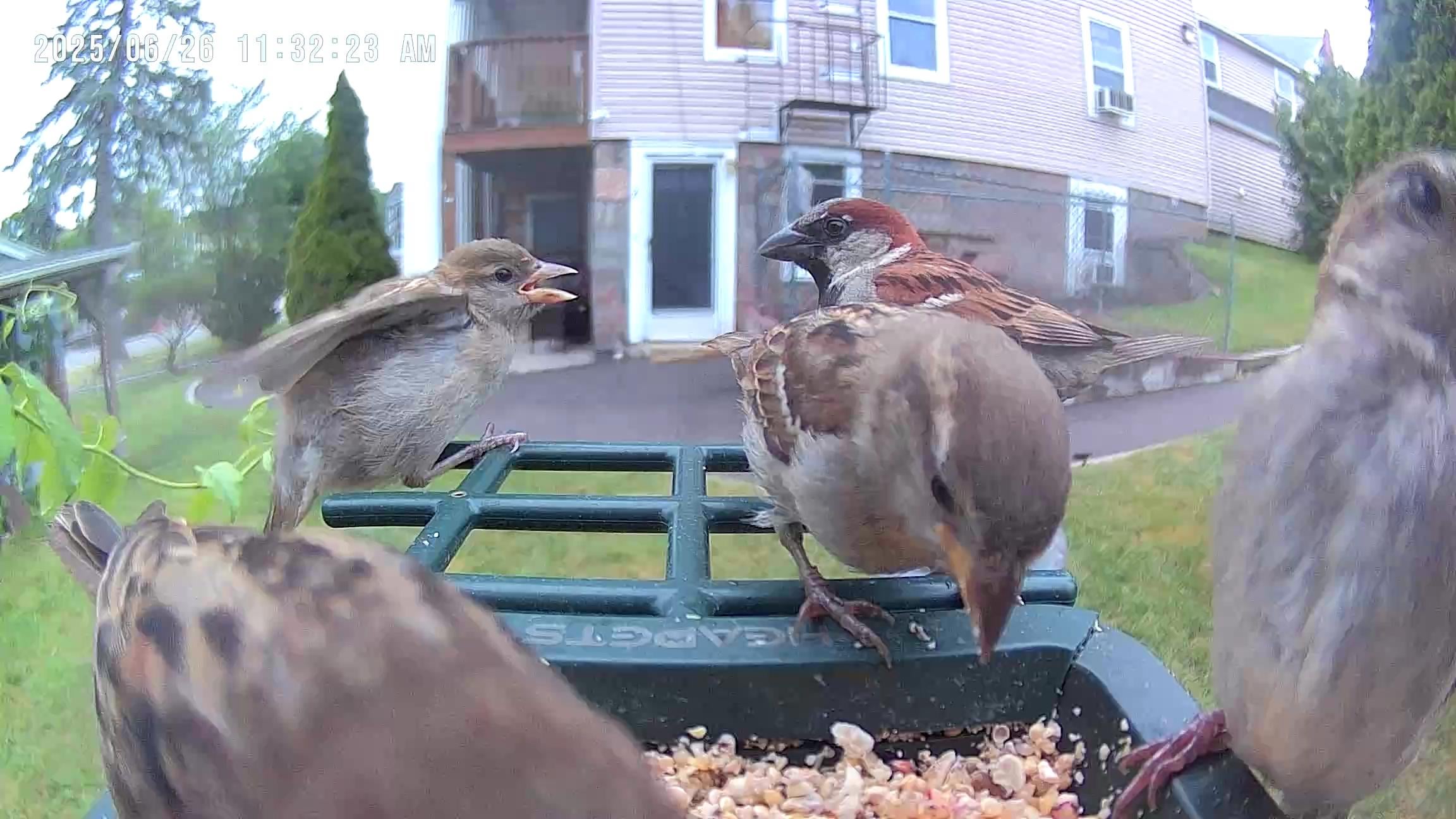
You’ve set up a new bird feeder, eagerly waiting to see colorful birds visit. But day after day, your feeder stays empty.
It’s frustrating, right? You might be wondering, “Why aren’t birds coming to my new feeder? ” The good news is, there are simple reasons behind this, and small changes you can make to attract birds quickly. Keep reading, and you’ll discover easy tips that will turn your feeder into a lively hotspot for birds in no time.
Common Reasons Birds Avoid Feeders
Birds may avoid new feeders for many reasons. Understanding these reasons helps attract them better. Some issues are simple to fix, while others need more attention.
Location Challenges
Birds prefer quiet and safe spots. Feeders near busy roads or noisy places scare them away. Trees or bushes nearby offer shelter and perching spots. Open, exposed feeders feel unsafe to birds.
Feeder Type Issues
Not all feeders suit all birds. Some birds like tube feeders, others prefer platform types. Dirty feeders deter birds quickly. Make sure the feeder matches the birds in your area.
Food Preferences
Birds have favorite seeds and foods. Black oil sunflower seeds attract many species. Avoid cheap mixes with fillers birds ignore. Fresh, high-quality food invites more visitors.
Predator Concerns
Birds watch for cats, hawks, and other threats. Feeders in open areas make them feel exposed. Placing feeders near cover helps birds escape danger quickly.
Environmental Factors
Weather affects bird feeding habits. Strong wind or heavy rain keeps birds away. Seasonal changes shift bird presence and food needs. Keeping feeders clean and stocked helps year-round visits.

Credit: www.reddit.com
Choosing The Right Feeder Spot
Choosing the right spot for your bird feeder can make all the difference in attracting feathered visitors. Birds are cautious creatures; they need to feel safe and comfortable before they decide to stop by. Your feeder’s location affects how easily birds can spot it, how secure they feel, and whether they can quickly escape from threats.
Safe Distance From Predators
Birds avoid feeders placed too close to areas where predators might lurk. Keep your feeder at least 10 feet away from shrubs or fences where cats can hide and strike. If you have a window nearby, placing the feeder about 3 feet away reduces the risk of birds flying into the glass and getting hurt.
Have you noticed that your feeder stays empty when there’s a neighborhood cat prowling? Moving the feeder to a more open area can give birds a better chance to spot danger and take flight.
Visibility And Shelter
Birds prefer feeders they can easily see but also reach without feeling exposed. Position your feeder where it’s visible from a distance but near some form of shelter, like a tree or a bush. This way, birds can quickly dive for cover if they sense trouble.
Placing the feeder in a completely open spot might seem like a good idea to avoid predators, but too much exposure can scare birds away. A balance between clear sight lines and nearby shelter is key.
Proximity To Natural Cover
Natural cover provides birds with a quick escape route and a place to rest between feeding sessions. Shrubs, trees, and tall grasses near your feeder make birds feel more secure. If your yard is mostly open, consider planting some native bushes or adding potted plants close to the feeder.
Think about your last time watching birds at a feeder—did they dart into nearby cover after eating? That quick access to safety encourages birds to visit more often and stay longer.
Selecting Bird-friendly Feeders
Choosing the right feeder plays a huge role in attracting birds to your yard. Not all feeders work for every bird species, and sometimes the design or material can keep birds away. Think about what birds are common in your area and what feeder suits their feeding habits best before hanging your new feeder.
Types Of Feeders
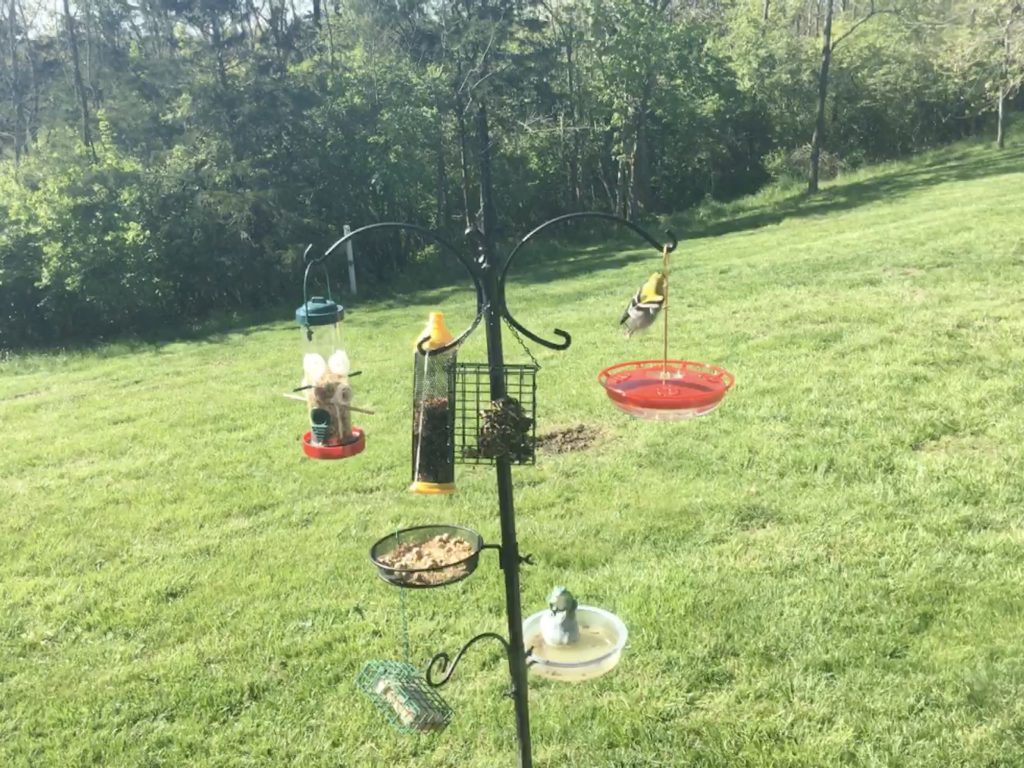
Different birds prefer different feeders. Tube feeders are great for small songbirds like finches and chickadees. Platform feeders, which are open trays, attract a variety of birds but can also invite squirrels.
Suet feeders appeal to woodpeckers and nuthatches, while hummingbird feeders are designed specifically for nectar lovers. Do you know which birds visit your neighborhood most? Matching feeder type to local bird species improves your chances of visitors.
Material And Maintenance
Feeders come in plastic, metal, and wood. Plastic feeders are lightweight and affordable but can crack in harsh weather. Metal feeders last longer and resist squirrels better but might be heavier to hang.
Wooden feeders blend well with nature but need regular cleaning to prevent mold. Cleaning your feeder every two weeks keeps birds healthy and willing to visit. Have you checked your feeder’s cleanliness lately?
Size And Accessibility
Make sure your feeder is big enough to hold ample seed but not so large that it’s hard to clean. Small feeders can run out quickly, discouraging birds from returning. Also, place feeders where birds can land comfortably and feel safe from predators.
Accessibility matters—avoid placing feeders too close to windows or busy foot traffic. Do you provide enough perching space for multiple birds? A feeder that’s easy for birds to access will keep them coming back.

Credit: www.reddit.com
Picking The Best Bird Food
Choosing the right food for your bird feeder is key to attracting birds. Different birds prefer different seeds and treats. Feeding the wrong type might keep them away. Knowing what to offer helps bring more birds to your feeder.
Seed Varieties Birds Prefer
Black oil sunflower seeds are favorites for many birds. They have a thin shell and high fat content. Nyjer seeds attract finches and small birds. Millet is popular among ground-feeding birds like sparrows. Avoid cheap mixed seed blends with many fillers. Birds often discard these, leaving waste behind.
Seasonal Food Choices
Bird preferences change with the seasons. In spring and summer, offer insects or suet for extra protein. During fall and winter, seeds and nuts provide needed energy. Fresh fruits like berries attract certain species in warmer months. Changing food with seasons keeps birds interested year-round.
Avoiding Spoiled Or Inappropriate Food
Never offer moldy or old seeds. Spoiled food can harm birds. Clean feeders regularly to prevent bacteria growth. Avoid bread, salty snacks, and processed foods. These are not healthy for birds and may scare them away. Stick to natural, fresh food for best results.
Keeping Feeders Clean And Safe
Keeping your bird feeder clean and safe is key to attracting feathered visitors. Dirty feeders can scare birds away or, worse, harm them. You want your feeder to be a reliable, healthy stop for birds in your yard.
Regular Cleaning Tips
Clean your feeder at least once every two weeks. Use warm water and mild soap to scrub all surfaces. Rinse thoroughly to remove any soap residue that could harm the birds.
Check for leftover seeds or husks that can attract pests or mold. Dry the feeder completely before refilling it. This simple routine keeps your feeder fresh and inviting.
Preventing Mold And Disease
Moldy seed can make birds sick and keep them away. Avoid this by removing wet or clumped seeds daily. If you notice black or fuzzy spots, clean the feeder immediately.
Consider using seed mixes that resist moisture buildup. Also, place feeders in shaded areas to reduce heat that fosters mold growth. Healthy birds come back again and again.
Safe Feeding Practices
Use feeders designed to minimize bird collisions and keep food dry. Avoid overcrowding by offering multiple feeders spaced apart. This reduces stress and disease spread among birds.
Never mix old seeds with fresh ones. Always store bird food in airtight containers to keep pests and moisture out. Safe feeding means happy birds and a lively feeder you’ll enjoy watching daily.
Attracting Birds With Extras
Birds are drawn to more than just food. Extras around your feeder can invite them to stay longer. These additions make your space friendly and safe for birds.
Water Sources
Birds need water for drinking and bathing. A small birdbath or shallow dish with fresh water attracts them. Moving water, like a dripper or fountain, catches bird attention faster. Keep water clean and refill often to keep birds coming back.
Native Plants And Flowers
Plants and flowers that grow naturally in your area provide food and shelter. They attract insects, which some birds eat. Bright flowers can also draw birds searching for nectar. Plant a mix of shrubs, trees, and flowers to offer variety and cover.
Perches And Nesting Spots
Birds feel safer with places to rest near feeders. Thin branches, small trees, or even artificial perches work well. Nesting boxes or natural cavities encourage birds to settle nearby. Creating a welcoming space helps birds feel at home around your feeder.
Patience And Timing
Waiting for birds to visit your new feeder can test your patience. Birds don’t always show up immediately, and timing plays a big role in their discovery of your feeder. Understanding how long it takes and recognizing the natural patterns in bird activity can help you stay hopeful and make better decisions about feeder placement and maintenance.
How Long It Takes For Birds To Discover Feeders
Birds rely on familiar flight paths and safe routes, so a new feeder might take time to catch their attention.
It can take anywhere from a few days to several weeks for birds to find your feeder. This delay is normal, especially if your feeder is placed in a new or less-traveled spot.
Try to be consistent by keeping the feeder filled and clean. Over time, birds will learn to trust the new food source.
Seasonal Bird Activity Patterns
Bird visits change with the seasons. Some species are more active or visible during specific times of the year.
During migration seasons, you might notice a sudden increase in bird activity around feeders. In contrast, winter can bring more frequent visitors as natural food becomes scarce.
Consider the time of year when evaluating your feeder’s success. Are you expecting visitors during a low-activity season? Adjust your expectations and feeder setup accordingly to match these natural rhythms.
Credit: feederwatch.org
Frequently Asked Questions
Why Aren’t Birds Attracted To My New Feeder?
Birds may avoid new feeders due to location, food type, or unfamiliarity. Place feeders in quiet, safe spots and use popular seeds like sunflower or millet.
How Long Does It Take For Birds To Find Feeders?
It can take days to weeks for birds to discover new feeders. Consistency in feeding and patience help birds locate your feeder faster.
Could Feeder Placement Affect Bird Visits?
Yes, placing feeders too close to windows or predators may scare birds away. Choose sheltered, visible spots with natural cover for safety.
What Type Of Seed Attracts More Birds?
Black oil sunflower seeds attract a wide variety of birds. Avoid using mixed seeds with fillers, as birds often discard them.
Conclusion
Birds need time to find and trust new feeders. Patience is key. Keep the feeder clean and stocked with fresh seeds. Different birds prefer different seeds. Try various types. Position the feeder in a quiet, safe area. Away from predators.
Birds love nearby trees and shrubs for shelter. Water sources attract more birds, too. Use a birdbath or small fountain. Consistency in feeding helps build bird confidence. Observe and enjoy the process. Soon, your feeder will become a popular bird hangout.
A little effort goes a long way in attracting feathered friends.